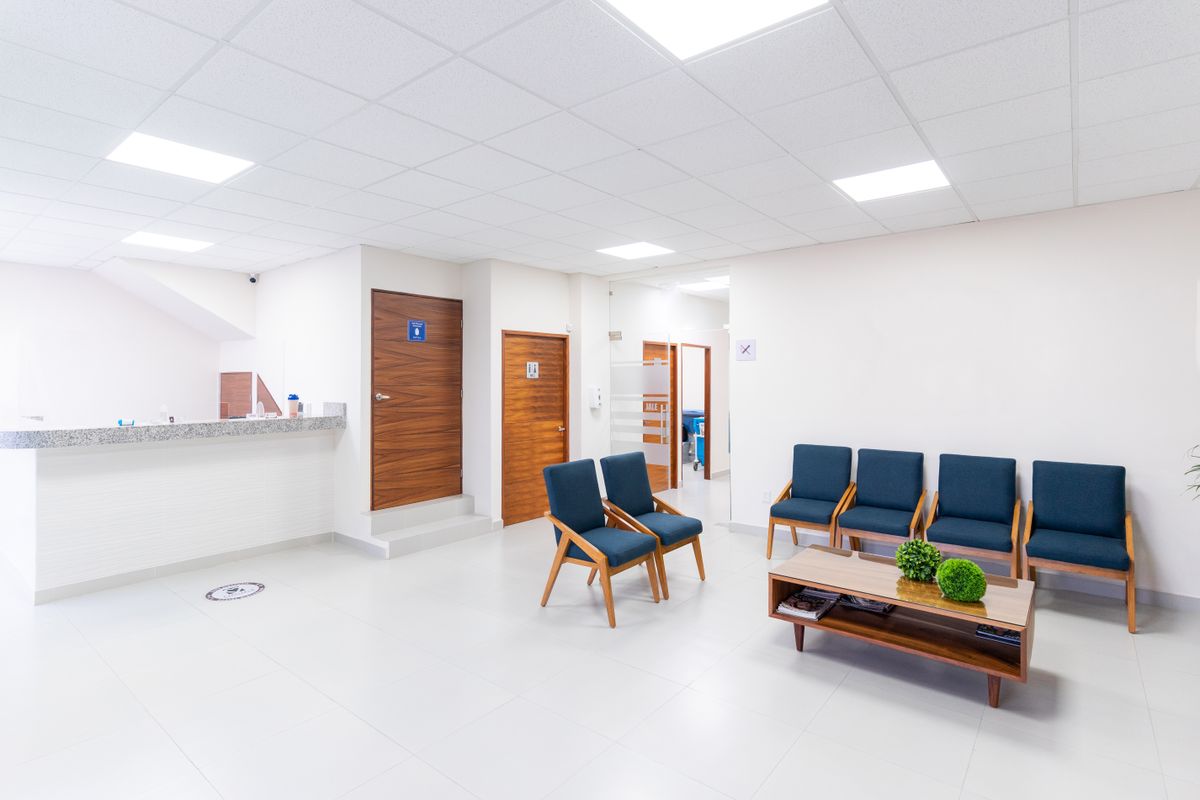
A family practice we know keeps a little whiteboard by the front desk. Every no show gets a tally mark. By Thursday most weeks there are eight or nine marks, and when you ask the team why, the answer comes back in one word: forgetful. Patients forget. They are busy. They are careless. If we could just remind them one more time, the marks would go away.
So they added reminders. A text the day before. Then a text three days before. Then an email on top of that. The tally marks did not move much. And here is the uncomfortable part that new data just made hard to ignore: the reminders were never going to work, because forgetting was rarely the real reason.
The 2026 numbers that flip the story
The billing and practice software company Tebra ran a study this year that is worth every practice owner's attention. They surveyed 473 providers and 3,196 patients about no shows and cancellations in 2026, and the finding that jumps off the page is a perception gap.
Eighty one percent of providers said the main reason patients miss appointments is that they forget. But when patients themselves were asked, forgetting was not at the top. They pointed to work conflicts (31 percent), weather (30 percent), and personal emergencies (27 percent). In other words, life got in the way, and the appointment lost. The people running practices and the people missing appointments are describing two completely different problems.
This matters because the fix you reach for depends entirely on what you believe the cause is. If you think patients forget, you buy more reminders. If you understand that a patient's shift got moved, or their kid woke up sick, or a storm rolled in, you build something completely different: an easy way to reschedule instead of ghost, flexible hours, and a front desk that answers on the first ring. Tebra's own read on the data was blunt. No-shows are rising not because patients are getting flakier, but because how practices operate and how patients live are drifting further apart.
What empty chairs actually cost
Before we fix it, it helps to feel the size of it. In the same 2026 research, 19 percent of practices reported losing 5,000 dollars or more every single month to no shows. That is up to 60,000 dollars a year walking out the door as empty appointment slots. Zoom out to the whole country and missed appointments are estimated to cost the US healthcare system in the neighborhood of 150 billion dollars a year, a figure cited across industry analyses like this roundup of patient no show statistics.
And revenue is only half of it. Every no show is also a patient who did not get the care they needed, and a slot that a waitlisted patient two towns over would have jumped on. We broke down the full math of this in our piece on how much a single no show really costs a practice, and the number surprises almost everyone the first time they run it for their own schedule.
Why more reminders stopped working
Reminders are not useless. For the honest slice of no shows that genuinely are forgetting, a good reminder saves the visit. The problem is treating reminders as the whole strategy when they only address a minority of the cause.
Think about it from the patient's side. They get your text. They remember perfectly well that they have an appointment Thursday at 2pm. The trouble is their manager just scheduled a meeting at 2, or the sitter fell through, or it is snowing sideways. Your reminder did not solve any of that. It just told them what they were about to miss, and then it did the worst possible thing: it gave them no easy way to act on it. So they do nothing, and the 2pm chair sits empty.
The practices that actually cut their no show rate stop asking "how do we remind harder" and start asking "how do we make it effortless to move an appointment instead of skip it." That is a different muscle. It is worth reading alongside our practical guide to reducing patient no shows, which walks through the tactics one by one.
The booking method hiding in your data
Here is a stat that explains a huge chunk of the problem. Studies have found that appointments booked online no show about 1.8 percent of the time, while appointments booked over the phone no show around 5.9 percent of the time. That is roughly a threefold difference, from the same practices, for the same kinds of visits.
Why the gap? When a patient books online, they pick a time that already fits their life, they get instant confirmation, and rescheduling is a tap instead of a dreaded phone call during business hours they may not have free. When they book by phone, the front desk often steers them toward the slot that is open, not the slot that works, and the commitment is looser from the start.
The catch is that having online booking is not the same as patients using it. A July 2025 MGMA poll on patient access priorities found that 71 percent of medical groups had fewer than one in four patients using digital tools to schedule, even though around 80 percent of patients say the ability to book online matters to them. The booking button exists, but it is buried three clicks deep, or it is a clunky form nobody finishes. That is a website problem, and it is very fixable. We get into the patient side of this in whether patients would rather book online or call.
What actually moves the number
Once you accept that most no shows are a mismatch and not a memory failure, a real plan takes shape. A few things do the heavy lifting:
- Make rescheduling one tap. Every reminder should carry an obvious "need to change this?" link. A patient who can move an appointment in five seconds will move it. A patient who has to call during lunch will simply not show.
- Put online booking front and center. Not buried in a menu. A visible button on every page, fast, mobile first, and short. Fewer form fields, more finished bookings.
- Answer the phone, every time. The patient trying to reschedule and getting voicemail is the patient who becomes a no show. Someone, or something, needs to pick up.
- Confirm like a human, not a robot. A two way text that lets a patient reply "can't make it, need Friday" turns a lost slot into a kept one. A one way blast into the void does not.
- Keep a waitlist warm. When a cancellation does come in, fill it fast. Our guide to filling last minute cancellations covers how to turn an open slot into a booked one within the hour.
Notice that only the confirmation step is about memory at all. The rest is about friction. Lower the friction of doing the right thing, and patients do the right thing more often.
Our honest take
The reason the "patients are just forgetful" story is so popular is that it is comfortable. It puts the blame on the patient and lets the practice off the hook. The 2026 data takes that comfort away. When 81 percent of providers name a cause that patients themselves rank below three other reasons, that is not a patient problem. That is an operations and communications problem, and the good news is those are problems you control.
We are not saying reminders are bad, or that no patient ever forgets. We are saying that if reminders are your entire no show strategy, you have solved the smallest part of the problem and left the biggest part untouched. The empty chairs on that whiteboard were never a memory issue. They were a work shift, a snowstorm, a sick kid, and a front desk that was hard to reach at the exact moment it mattered.
How EtherealMinds closes the gap
This is squarely the kind of problem we build systems to solve. We start with the website, because a fast site with dead simple online booking nudges patients from the higher no show phone channel to the lower no show online one, without anyone lifting a finger at the front desk. Then we make sure the phone actually gets answered: our AI receptionist picks up around the clock, books and reschedules on the spot, and handles the after hours calls that used to roll to voicemail and become tomorrow's empty slots.
Around all of that we wire up the follow up and confirmations as part of a full patient acquisition and retention system: two way reminders patients can actually reply to, easy rescheduling links, and a waitlist that fills gaps automatically. The goal is not to nag patients into showing up. It is to make showing up, and rescheduling when life happens, the easiest thing they can do.
Tired of counting empty chairs?
Book a free strategy call. We will look at where your no shows are really coming from, how patients are booking now, and the exact changes to your website, phones, and follow up that turn missed appointments into kept ones. No jargon, no pressure.
Book a free strategy call →