
Does How Often You Get Google Reviews Change Where You Rank?
140 old reviews can lose to 55 fresh ones. Review velocity, how often and how recently you collect reviews, is a real 2026 ranking signal. Why 73% of patients only trust reviews from the last month, how many you actually need per month, and how to keep a steady honest flow.
Read the article →
Will Changing Your Practice Name Hurt Your Google Ranking and Reviews?
New owner, a merger, or just a better name. Every rebrand sparks the same fear: are we about to lose 10 years of Google reviews and our rankings? What survives a name change, what breaks, the one mistake that wipes out your SEO history, and the step by step way to rename safely.
Read the article →
Why Is My Medical Practice Not Showing Up on Google?
A doctor searches their own specialty and their practice is nowhere. It feels like Google is hiding them. It almost never is. Here are the 9 most common reasons a practice stays invisible on Google Search and Maps, from an unverified profile to the wrong category, with the honest fix for each.
Read the article →
Google Brought Back Post View Counts. Here Is What Your Practice Should Do With Them.
For about three years, practices posted to their Google Business Profile with no idea if anyone saw it. In September 2026 Google brought the view counts back. Here is what the feature shows, where it still falls short, and how to use it to get more booked patients instead of chasing a vanity number.
Read the article →
Does Your Medical Practice Need a Cancellation Policy?
A patient cancels at 9am and the 2pm slot sits empty all day. The usual fix is a stern policy and a fee, and it barely helps. Here is when a cancellation policy actually earns its keep, how to word it so patients respect it, and the steps that stop the no show in the first place.
Read the article →
Does ChatGPT Read Your Yelp Reviews?
This summer OpenAI licensed 330 million Yelp reviews, so ChatGPT can now read Yelp when a patient asks it for a doctor. If you wrote Yelp off years ago, that just got expensive. Here is what changed and the practical moves that put your practice in the answer, not the one left out.
Read the article →
Does Your Medical Practice Need a YouTube Channel?
Everyone's on YouTube, so should your practice be too? The honest answer: forget subscribers and viral views. YouTube reaches 83% of US adults and Google owns it, so a handful of short videos answering what patients Google can keep winning you trust and bookings for years.
Read the article →
Google Stopped Showing AI Answers for Doctor Near Me Searches
Search a symptom and Google answers with AI. Search for a doctor near you and the AI is gone. New BrightEdge data shows Google pulled AI Overviews off local provider searches, from 100% of results to 0. Why that is good news for small practices, and what to do with it.
Read the article →
Do Photos in Google Reviews Actually Help Your Practice?
Your best review keeps sinking out of sight? A 2026 study found Google reviews with a photo attached stay at the top of your listing far longer. Here is what that means for your practice, how it can push a bad review down, and the line you never cross in healthcare.
Read the article →
Google Just Changed What You Can Put in a Business Profile Post
If you end your Google posts with your phone number, stop. Since late September 2026, Google can strip phone numbers, emails and social handles out of your Business Profile posts, and pull the whole update. What changed, why, and how your practice should post now.
Read the article →
Are Political Ads Making Your Medical Practice Ads More Expensive?
Same ads, same budget, suddenly a pricier bill? You are not imagining it. The 2026 midterms are pouring a record $11.6 billion into the same Meta and Google auctions your practice bids in. Why it happens, how bad it gets, and the smart move before Election Day.
Read the article →
AI Is Moving Into Home Healthcare. Can Your Agency Answer the Call?
Fall prediction and remote monitoring get the headlines. But most home care and home health agencies still lose worried families at the first phone call. Here is where AI actually wins you clients, and why leaning on referrals alone is riskier every year.
Read the article →
How Does Google Decide Which Reviews Show First?
Your best five star review is buried and a lukewarm one sits on top. Google sorts by Most relevant, not newest, and you cannot pin a review by hand. Here is what decides the order and how to get your strongest reviews into the slots patients actually read.
Read the article →
A Google Review From Someone Who Was Never Your Patient
A one star review lands from a person you never treated, maybe a competitor, maybe mistaken identity. Google estimates 10.7% of its reviews are fake. Here is how to flag it, reply safely without touching HIPAA, and get it removed.
Read the article →
Should You Reply to Positive Reviews?
Most practices only answer the angry reviews and leave the happy five star ones sitting in silence. New 2026 data says that is a costly mistake: 66% of patients now say review replies build trust. Here is why answering the good reviews wins free trust and free local SEO.
Read the article →
Do Giveaways Work for Medical Practices?
A med spa giveaway pulled 900 new followers in a week. Almost none local, zero extra bookings, a third gone within a month. Giveaways buy a crowd, not patients. And in healthcare the prize itself can cross a federal line most owners never see. Here is the honest version.
Read the article →
Should Your Medical Practice Offer a Money Back Guarantee?
A competitor posts "love your results or your money back" and your phone goes quiet. Should you match it? No. A guarantee tied to a medical result can land you in front of your board. But there is a compliant version that books the nervous patient. Here is the line.
Read the article →
Does a Medical Practice Need a Professional Logo?
Patients judge your practice in about 50 milliseconds, faster than a blink, and design is one of the first things they use to decide if they trust you. So yes, a logo matters. But it will not save a broken booking flow. Here is where it really ranks, and where owners waste money.
Read the article →
Can Patients Leave Google Reviews Anonymously Now?
Google started letting people review under a nickname in late 2025, not their real name. For therapy, fertility, dermatology and every specialty where privacy kept patients silent, it removes the biggest reason your review count stayed low. Here is how to use it.
Read the article →
Should Your Medical Practice Stop Taking Insurance?
Medicare pay is down 33% since 2001 while practice costs are up 59%, and direct primary care has grown 837% in under a decade. So should you drop insurance? The honest answer has little to do with your care, and everything to do with one thing most owners skip.
Read the article →
Patients Judge Your Practice Before They Ever Walk In
A 2026 Harris Poll found 80% of patients form a first impression before the visit even starts, and 43% have switched providers because getting there felt like work. The care was never the problem. Here is the part most practices forget to fix.
Read the article →
Is Your Practice Running Ads Without Conversion Tracking?
A study of 2,167 Google Ads accounts found 42% track no conversions at all. If you cannot say which ad booked which patient, you are paying to guess. Here is how to check your own account in ten minutes, phone calls and HIPAA included.
Read the article →
Do Your Patients Still Want to Call, or Do They Want to Do It Themselves?
A fresh 2026 survey found 42% of patients now pick online booking as their first choice, and most who still call would rather not. Self service is the new front door. Here is what patients expect to do online, and what your practice risks by making them dial.
Read the article →
How to Switch Marketing Agencies Without Losing Your Patients
Nearly half of clients fire their agency over poor results, yet fear of losing their Google rankings keeps owners stuck for years. Here is the honest truth: your rankings live in your site and your Google profile, not the agency. What you own, what you risk, and how to switch clean.
Read the article →
No, That Is Not Google Calling to Suspend Your Practice Listing
A recorded voice says your Google listing will be removed in 24 hours unless you pay or press 1. It is a scam hitting medical practices, and it works because owners panic. Google does not cold call and your profile is free. Here is how to spot it and protect your listing.
Read the article →
Will More Ad Spend Get Your Medical Practice More Patients?
A derm office doubled its Google budget over the summer and got the same number of patients, just a bigger invoice. In 2026, 48% of patients hit a roadblock before they ever book. Here is why a bigger budget rarely fixes a leaky funnel, and what actually does.
Read the article →
Should Your Google Ads Send Patients to a Form or a Phone Call?
Where the click lands decides whether your ad budget books patients or just buys clicks. Calls convert far better in healthcare, but only if someone answers. A dermatology practice learned the hard way that a form nobody follows up on leaks every patient you paid for.
Read the article →
Does Your Medical Practice Website Need a Thank You Page?
It is the smallest page on your site and one of the most ignored, yet it is how you learn which ads actually book patients and how you keep a nervous new patient from ghosting. A clinic thought their Google Ads were dead money. They were not. One missing page was hiding every booking.
Read the article →
Healthcare AI Is a Black Box, and Two Giants Just Proved It
Doximity and OpenEvidence spent a year suing each other over a chatbot, including a claim that staff posed as real doctors to hack it. Here is why the AI layer between you and your patients is powerful, unstable, and worth owning.
Read the article →
Does Marketing Make Your Medical Practice Worth More?
A buyer asks one thing before writing a check: does this practice survive without you? Here is how marketing turns a patient flow that lives in your head into an asset, and why single site practices sell for 5x to 7x EBITDA.
Read the article →
Do Social Media Followers Matter for a Medical Practice?
You have 400 followers, the clinic across town has 12,000, and it stings. But for a local practice the follower count is a vanity number, and buying followers is now illegal. Here is what actually books patients.
Read the article →
Do Google Display Ads Work for Medical Practices?
Cheap clicks, millions of impressions, and almost no new patients. Display ads convert at about 0.8% versus 3 to 5% for search, and nearly half are never even seen. Here is when they help a practice and when they just burn budget.
Read the article →
How Many Google Reviews Does a Medical Practice Need?
Every owner wants one number. The honest 2026 answer: there is no magic number, but 47% of patients skip a business under 20 reviews and 74% only trust ones from the last 3 months. Here is the real target to aim for.
Read the article →
How to Market an Egg Freezing Clinic
Interest in egg freezing has never been higher, yet most women who research it never book. The reason is rarely price. It is hesitation, and one study found 78% feel torn. Here is how to be the clinic they finally trust enough to book.
Read the article →
How to Market an Internal Medicine Practice
Nearly one in three US adults have no regular doctor, and the country is short on internists. Demand is huge. So why the open slots? Because almost nobody searches the word internist. Here is the honest playbook for turning that gap into a full panel.
Read the article →
AI Receptionist vs Answering Service: Which Should Your Practice Use?
Your front desk cannot catch every call, so something covers the overflow and the after hours gap. One takes a message. One books the visit before the patient hangs up. Here is the honest 2026 comparison on cost, HIPAA, and booked appointments.
Read the article →
Should You Delete Old Blog Posts on Your Practice Website?
You blogged for years and now half the posts make you cringe. Old hours, a dropped service, a doctor who left. The instinct is to delete it all. Google says weak pages do drag your site down, but bulk deleting is a trap. Here is the three bucket method.
Read the article →
1 in 7 Patients Now Ask AI Whether to See a Doctor
Before a patient Googles you or reads a single review, many now ask a chatbot one thing: do I even need to see someone? New Pew data says 15% do. Here is what that new moment means for your practice and how to be the name the AI points to.
Read the article →
How to Market an ABA Therapy Practice
Autism diagnoses just hit 1 in 31 kids and waitlists are everywhere, yet many ABA clinics still fight to fill their caseload. The reason is rarely demand. It is trust, response speed, and staffing. Here is the honest playbook for 2026.
Read the article →
How to Market a Telehealth Practice
Nearly 4 in 10 US adults have used a virtual visit, yet most telehealth practices stall because they market like a local clinic. No map pin, no waiting room, and funded brands in every feed. Here is what actually grows a virtual practice in 2026.
Read the article →
Should Your Website Show Open Appointment Times?
Almost every practice has a Book Online button. Most of them do not actually book anything, they just collect a request and promise a callback. With 40% of patients booking after hours, that gap quietly hands them to the practice down the street. Here is the fix.
Read the article →
Patients Compare 21 Doctors Before They Pick One
A new survey says the average patient compares 21 provider profiles before booking, and most get cut in a second. But 84% stay once they choose. Here is what wins that half second glance, and why the first impression is the whole game.
Read the article →
Why Does My Practice Have Two Google Listings?
You searched your own practice and found two listings staring back. One kind is a duplicate splitting your reviews and sinking your map ranking. The other is a perfectly legal profile per doctor. Here is how to tell them apart and fix the real problem without losing a single review.
Read the article →
Should Your Medical Practice Turn Off Social Media Comments?
A patient naming their procedure in public, a troll under your ad, and a front desk asking to switch comments off for good. It feels safe. It usually costs you reach, trust, and booked visits. Here is the HIPAA aware way to handle them.
Read the article →
A Former Employee Left Your Practice a Bad Review. Now What?
That bitter one star review signed by an ex staffer? It likely breaks Google's conflict of interest rule, which means it can come down. Here is how to document it, flag it, and reply without making it worse.
Read the article →
Patient Data Breaches Are at a Record. Is Your Website One of the Holes?
Healthcare hit 805 large breaches in 2025 at $7.42M a pop. Most small owners call it a hospital problem. Their website, forms and tracking pixels often say otherwise. Here is what to close first.
Read the article →
Your Competitor Has More Google Reviews. Now What?
That big review count next door is not the scoreboard you think it is. Here is what patients actually read before booking, and the simple, honest system that closes the gap fast.
Read the article →
Does Your Medical Practice Website Need a Cookie Banner?
Tracking lawsuits have owners reaching for a cookie popup. The truth: a banner alone protects almost nothing. Here is what the rules really say and what actually keeps patient data safe.
Read the article →
What Will Patients Let AI Answer, and What Needs a Human?
A new JAMA study of 1,185 patients: 63% won't accept an AI medical answer without a clinician, but 57% love AI for booking and refills. The split tells you exactly how to use it in your practice.
Read the article →
Should Your Medical Practice Claim Its Bing Listing?
Bing is tiny, so most practices skip it. But ChatGPT and Copilot read from Bing, and 47% of patients now use AI to find a doctor. Here is the honest case for 10 free minutes on Bing Places.
Read the article →
Meta Is Turning On Product Browsing in Your Ads on October 28
On October 28, Meta switches a new product browsing feature on for your Facebook and Instagram ads by default. For a practice booking appointments, that is worth five minutes before the deadline.
Read the article →
Google Ads or Instagram Ads: Which Books a Med Spa More Clients?
One platform catches people already searching for Botox. The other makes them want it in the first place. For a med spa, picking wrong burns real money. Here is the honest breakdown.
Read the article →
Where Do Patients Actually Want AI in Your Practice?
A 2026 survey found 79% of patients are fine letting AI book their appointment, but comfort drops to about 48% for a diagnosis. Patients drew the line. Here is where AI belongs.
Read the article →
Why Does Your Practice's Google Ad Write Itself Now?
Google retired the write it yourself text ad in 2022. Now you hand over 15 headlines and the machine builds the ad. Feed it good material or it picks the weak combinations for you.
Read the article →
Is Your Practice's Marketing One System or Five Loose Pieces?
A new free blueprint says most practices split marketing across vendors that share no data or goals. That gap is where about 30% of new patient leads slip out. Here is how to run it as one connected system.
Read the article →
Is Blogging Still Worth It for Your Medical Practice?
Google's AI now answers the question before the patient clicks, and link clicks drop from 15% to 8% when it does. So is a practice blog dead? The data says no, if you change what you write.
Read the article →
Does Google AI Recommend Your Medical Practice?
The old map pack showed three practices with ten more a click away. Google's AI now answers the search and names just a few. Here is what decides whether yours is one of them, and how to earn the spot.
Read the article →
How to Get Your Google Review Link
Telling patients to "look us up on Google" loses most of them. Here is how to find your direct review link, shorten it, turn it into a QR code, and text it so patients actually leave the review they meant to.
Read the article →
Is It Getting Harder to Market a Medical Practice in 2026?
More competition, more friction, and AI sitting between the patient and your front door. 84% read your reviews and 31% ask AI about you before they call. Here is what really changed this year, with the numbers, and what still fills a schedule.
Read the article →
Should You Embed a Google Map on Your Website?
A plain text address makes a patient leave your site to find you, and some drift to the clinic down the street. An embedded map keeps them on your page with one tap directions. Here is what it fixes, what it does not, and how to add it right.
Read the article →
Does ChatGPT Read Your Google Reviews?
A patient asks AI for a good doctor near them and it names three practices. What did it read to decide, and were your reviews part of it? Yes. Here is how AI search really works, and the honest steps to show up in it.
Read the article →
Why Your Appointment Reminders Are Not Stopping No Shows
You added another reminder and the chairs stayed empty. A 2026 survey shows why: providers blame forgetting, but patients blame work, weather and cost. Reminders only fix one of those. Here is what actually moves the number.
Read the article →
Should You Put Your Google Reviews on Your Website?
Bringing reviews onto your own site keeps patients from drifting off to read them elsewhere. But one 2019 Google rule means it will not get you the stars in search, and a clumsy widget can slow your site. Here is how to do it right, HIPAA included.
Read the article →
You Rank #1 on Google. Do You Still Need to Run Ads?
Ranking first feels like you own the top of Google. But Google's own research found that pausing ads lost 89% of those clicks, with none recovered by organic. Here is when ads still earn their keep on top of great SEO, and when you can skip them.
Read the article →
How Often Should a Medical Practice Publish Blog Posts?
More posts really do mean more patients, HubSpot found up to 3.5x the traffic for frequent publishers. But a blog you abandon in eight weeks hurts more than it helps. Here is the honest cadence for a busy practice, and why AI search just raised the stakes.
Read the article →
Google Now Charges You for the Calls You Miss on Local Services Ads
Since October 1, 2026, a real patient call you miss during business hours can still be billed to you on Local Services Ads. For dentists, chiros, derms and more, a missed call now costs you twice. Here is what changed and how to stop paying for leads you never answered.
Read the article →
How Long Before Your Practice Marketing Actually Works?
Ads can bring leads in two weeks. SEO takes six to twelve months. Reviews build over a quarter. Most owners quit a slow channel right before it pays off. Here is a realistic timeline for every channel, and how to tell a normal slow start from a plan that is actually broken.
Read the article →
Do Patients Expect to Book You as Easily as a Dinner Table?
Your patient booked a flight, a table and a haircut from their phone before coffee. Then they tried to see you and hit a phone line that opens at nine and closes at five. A third of bookings happen after hours. Here is what that gap costs you, and how to close it without hiring anyone.
Read the article →
Should Your Medical Practice Have a Page for Every Service?
Almost every practice site does the same thing: one page called Services, with a tidy list and two sentences each. It feels organized. It is also why you rank for nothing and the patient searching for the one thing you are great at never finds you. Here is when each service deserves its own page, when it does not, and how to make every page book.
Read the article →
Can Your Practice Get in Trouble for Posting on Social Media?
It is the quiet reason a lot of good practices never post: the fear of a HIPAA complaint, the medical board, or a lawyer. A dental office really did pay $10,000 for one reply to a review. But the real risks are a short, avoidable list, and the bigger danger is staying invisible while your competitor shows up every day.
Read the article →
AI Sends the Patient. Your Website Still Has to Close Them.
ChatGPT just pulled its in app checkout because people buy better on the store's own site. The lesson for your practice is bigger than it looks: AI now finds your patients, but the booking still happens on your turf. Most practices chase the mention and lose the patient at the handoff. Here is how to win it.
Read the article →
Your Marketing Has Five Owners and None of Them Talk to Each Other
Ads with one vendor, SEO with another, social with a freelancer, the website with a fourth, and the front desk alone. Each piece can be fine and you still lose patients, because the gaps between them belong to no one. A new 2026 blueprint says run it as one system. Here is what that looks like.
Read the article →
Your Biggest Missed Call Problem Happens While the Office Is Open
Most owners think missed calls happen after hours. The data says the bigger leak is at 10am on a Tuesday, while the front desk is right there, slammed. Nationwide, only 58 percent of patients always reach the office the same day they call. Here is why, and how to fix it.
Read the article →
Your Best Patients Come From a Place Analytics Cannot See
Most of your website visitors show up as direct traffic, and owners assume that means people already knew them. The truth is stranger and more useful: up to 84 percent of sharing is private, and for healthcare it hides your best referrals. Here is how to find them.
Read the article →
Your Facebook Ad Numbers Dropped in 2026. Your Ads Did Not.
Practices saw Facebook report 15 to 30 percent fewer conversions overnight this year, and many cut budget in a panic. The patients kept coming. Meta just stopped counting them. What changed, and how to measure it right.
Read the article →
Patients Shop for Doctors Like Consumers Now, and the Bar Just Went Up
Your next patient compares you to the last easy thing they bought, then decides in about four minutes. In 2026, 55 percent have skipped a practice over its reviews. Here is what they expect now, and how to meet it.
Read the article →
How to Get Patients to Leave Detailed Reviews, Not Just a Star
A wall of bare five star ratings convinces almost no one. The reviews that actually book new patients have a real story in them, and getting those comes down to one thing most practices get wrong: the way they ask.
Read the article →
That Accessibility Widget Won't Protect Your Practice From a Lawsuit
Thousands of practices pasted in an accessibility overlay and felt safe. In 2026 the lawyers filing website lawsuits are specifically targeting the sites that use one. Here is what the widget really does and what actually protects you.
Read the article →
Google Just Changed What You Can Put in Your Business Profile
On October 6, 2026 Google tightened its rules: no prices, no limited time promos, no calls to action in your listing, and no phone numbers or links in Posts. A lot of practices are breaking it right now. Here is the short fix list.
Read the article →
Does a Medical Practice Website Need to Be ADA Compliant?
Most owners think the ADA is ramps and parking. It also covers your website, and over 4,000 accessibility lawsuits hit US businesses a year. Here is what compliance really means, why the quick fix button does not work, and why doing it right brings you more patients.
Read the article →
Google Now Ranks Your Practice by How Patients Use Your Profile
Slipped in the map pack and changed nothing? Google changed. In 2026 it leans on what patients actually do on your listing: the taps, the calls, the direction requests, the reviews they read. Good news, you cannot fake that for long. Here is what moves local ranking now.
Read the article →
Should Your Medical Practice Reply to Comments on Social Media?
Your practice posts a photo, a few people ask real questions underneath, and then nothing. That empty comment section is costing you patients. 73% of users pick a competitor when a brand ignores them. Here is the honest case for answering, plus the one HIPAA line you cannot cross.
Read the article →
Should Your Medical Practice Advertise on Reddit?
It is the platform most practice owners have never once considered, and it is where a good chunk of your patients ask strangers whether your clinic is worth the money. Reddit now has 130 million daily users and the cheapest ad reach in social. So does it belong in a healthcare budget, or is it a waste? Here is the honest answer, with real numbers.
Read the article →
Does Your Google Business Profile Description Matter for a Medical Practice?
Most owners either ignore that little description box or cram it full of keywords to climb the map. Both miss the point. It will not move your ranking one spot, and it can still win or lose you the patient reading it. Here is what actually belongs in those 750 characters, what Google will reject, and why this paragraph matters more as patients let AI pick their doctor.
Read the article →
What Happens If You Stop Doing SEO for Your Medical Practice
You are ranking well and the calls are steady, so the SEO line starts to look like money you could save. Here is the honest answer, with the data. Stopping does not freeze your rankings, it starts a slow slide as the practices that never stopped pass you. We lay out the decay timeline week by week, what slips first for a local practice, and the one time slowing down is actually fine.
Read the article →
The FDA Is Cracking Down on GLP-1 Marketing. Here Is What Legit Clinics Should Do
The FDA sent 30 warning letters over misleading GLP-1 ads in 2026, and the FTC went after a telehealth seller for fake reviews and hidden pricing. If you run a real clinic, this is not bad news. The loud, sketchy sellers are the ones getting pulled, and honest marketing just became your edge. Here is what you cannot say anymore, what you absolutely should, and how to keep your schedule full without sweating a letter.
Read the article →
Should a Medical Practice Use AI to Respond to Reviews?
AI can reply to all 40 of your reviews in seconds. Tempting, and a fine idea, with one catch nobody mentions: in healthcare a careless reply can confirm someone is a patient and break HIPAA. One dental office paid a $50K penalty over a single review response. Here is where AI genuinely helps, where it hurts, and the one rule that keeps a time saver from becoming a liability.
Read the article →
Patients Are Walking In Asking for Tests They Saw on Social Media
A 2026 survey found 17% of patients requested a lab test because of social media, 37% because of their own research, and 93% expect a doctor to say yes. The visit is flipping: patients arrive with the answer already picked. The practice that shaped the idea online wins the patient. The silent one spends the visit cleaning up bad information. Here is how to be the source.
Read the article →
A Hospital Added 7% More Surgeries With No New Rooms. Here Is the Lesson for Your Practice.
Houston Methodist used AI to do 7% more surgeries, about 25 a month, with no new rooms, staff, or hours. It just cut the dead time between cases. Your practice has the same hidden capacity: the phone that rings out, the no show slot, the form nobody answers until tomorrow. That is not a demand problem. Here is how to find and fix it before you spend another dollar on ads.
Read the article →
Should You Let Patients Reschedule Appointments Online?
Most owners fear a self service cancel button will gut their calendar. The data says the opposite: 69% of patients say they would be more likely to show up if they could reschedule online, and online bookings no show far less than phone bookings. A canceled slot you can refill beats a silent no show every time. Here is how to set it up so it fills your schedule instead of emptying it.
Read the article →
How Long Should Your Medical Practice Booking Form Be?
Forms with four fields or fewer can convert up to 160% better, yet only about 3 in 10 patients who start an online booking actually finish. A big reason is a form that asks for insurance and full history before it shows a single open time. Here is the real data on booking form length and the honest answer for how short yours should be.
Read the article →
How Much Time Does Your Front Desk Spend on the Phone?
Most front desks spend close to a third of the day on scheduling calls, while two thirds of patients say they would rather book online. A 2024 MGMA poll found only 11% of practices have a majority booking online. Here is what that gap costs you, the calls that quietly go unanswered, and how to win the hours back without hiring anyone.
Read the article →
No Show Rates by Marketing Channel
A 2026 MGMA poll found 32% of practices saw more no shows this year, driven by record deductibles. The twist most owners miss: where a patient comes from predicts if they show up. Referrals and search bring people who book and show. Cheap ads bring taps. Here is how to spend on the ones who sit in the chair.
Read the article →
Do Patients Want to Text Your Practice?
A 2026 survey of 1,000 patients found 90% now prefer to text their doctor. The phone came in last at 34%, and 42% of Gen Z would switch over it. Most offices send reminders but cannot be texted back. Here is what that gap is costing you, and how to close it.
Read the article →
How Patients Choose a Menopause Clinic
She is 49, has not slept in months, and her last doctor said it was just her age. Now she is searching at 11pm. Over 80% of women never get care for menopause, so the ones who look are high intent and guarded. Here is how she picks a clinic, and how to be the one she books.
Read the article →
Should Your Medical Practice Have a Separate New Patient Line?
A refill call and a brand new patient ring at the same time. Your front desk grabs one, and the valuable one gets voicemail. 82% of callers just dial a competitor. Here is how to give your best callers a fast path, and what beats a second phone number.
Read the article →
Patients Are Using a Free AI to Avoid Your Prices
A new 2026 survey found 42.5% of patients have used an AI chatbot instead of seeing a doctor, because of cost. They are not choosing a robot over you. They are choosing the door they can see a price on. Here is how to win them back.
Read the article →
Why Are My Google Ads Showing in the Wrong Cities?
Half your clicks come from towns you do not serve, and it is not a glitch. One default location setting shows your ads to people hundreds of miles away and can eat a third of your budget. Here is how to find it, read your location report, and shut it off.
Read the article →
Do Patients Trust Fake Reviews More Than Your Real Ones?
A 2026 Simon Fraser University study found fabricated doctor reviews were rated more trustworthy than real ones, for one plain reason: the fakes told a fuller story. Here is what the research shows and how honest practices earn detailed, believable reviews without faking anything.
Read the article →
Patients Decide If They Like You Before They Ever Call
New 2026 data says the top reason patients pick a doctor is personal connection, worth about twice as much as location. The catch: they judge that connection from your website and reviews, and compare an average of 21 providers before booking. Here is how to show it.
Read the article →
Why Does My Medical Practice Website Say 'Not Secure'?
A patient sees a little Not Secure label by your web address and backs out before reading a word. Chrome has flagged sites without HTTPS since 2018, and around 95% of the web is now encrypted. Here is what it costs you in trust and rank, and how to fix it fast.
Read the article →
Why Isn't My Practice Getting New Patients Like It Used To?
Your numbers rarely drop for one big reason. In 2026, 72% of patients shopped for a provider and 3 in 4 skip any doctor under 4 stars. New patients leak out in four hidden places, from Google to who answers the phone. Here is how to find your leak.
Read the article →
Are Warby Parker and Zenni Stealing Your Optometry Patients?
Online eyewear hit 16% of US sales in 2026, up from 13%. But 84% of glasses are still bought in person, and 43% of online buyers come back for the fit. The real threat is not price. It is being forgettable. Here is how optometrists win the sale back.
Read the article →
Men and Women Leave Your Practice for Opposite Reasons
A 2026 survey of 866 patients found women leave mostly over poor communication and men mostly over long wait times. Same office, opposite breaking points. Here is what the split means and how to keep both halves of your schedule.
Read the article →
How Many Patients Does a Medical Practice Lose Every Year?
You can count every new patient you got last month. Can you count how many you lost? The average practice leaks 10% to 30% of its patients a year and never sees it, because patients rarely say goodbye. Here is the real data on attrition and how to plug the leak.
Read the article →
Why the Future Favors Physician Entrepreneurs (and What Most Doctors Miss)
The AMA says the future belongs to physician entrepreneurs, and it is right. But a business runs on patients, and most doctors were never taught to bring them in. Only 42% still own their practice. Here is how to own your demand instead of renting it.
Read the article →
How to Mystery Shop Your Own Medical Practice (and Find Where You Lose Patients)
You know how your practice feels from the inside. You have no idea how it feels from the outside, and that is where patients leak out. About 42% of calls to practices go unanswered. Here is the full scorecard to call your own office like a stranger and find your holes.
Read the article →
Is Google's AI Calling Your Medical Practice? Here Is What It Asks
Google's AI now calls local businesses to check pricing and openings for people, then texts them a summary in about 30 minutes. A 2025 study found nearly half of answered calls gave it no price. Here is what it asks your front desk and how to be ready.
Read the article →
Nearly Half of Patients Now Use AI to Find a Doctor, and It Often Gets You Wrong
A 2026 survey found 47% of patients now use AI to pick a doctor, and for the first time AI beat Google as an influence. The catch: two thirds hit wrong info about the practice, and most never check it. Here is why AI gets you wrong and how to fix it.
Read the article →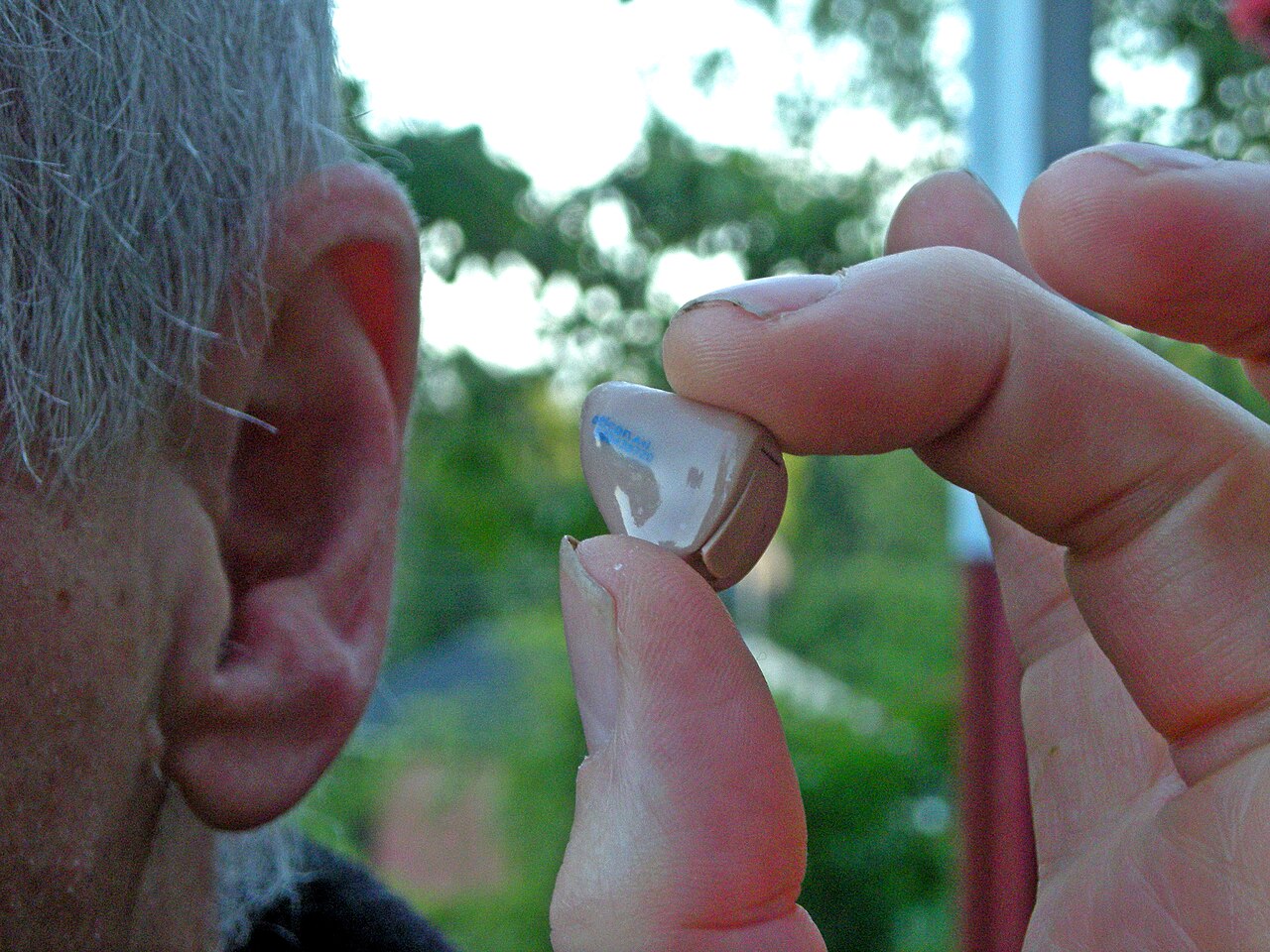
How Audiology Practices Compete With OTC Hearing Aids
A $300 box at the pharmacy and AirPods that work as hearing aids changed the question every patient asks. OTC did not kill audiology, it widened the funnel. Here is how practices win on expertise instead of price, and catch the people OTC sends looking for a pro.
Read the article →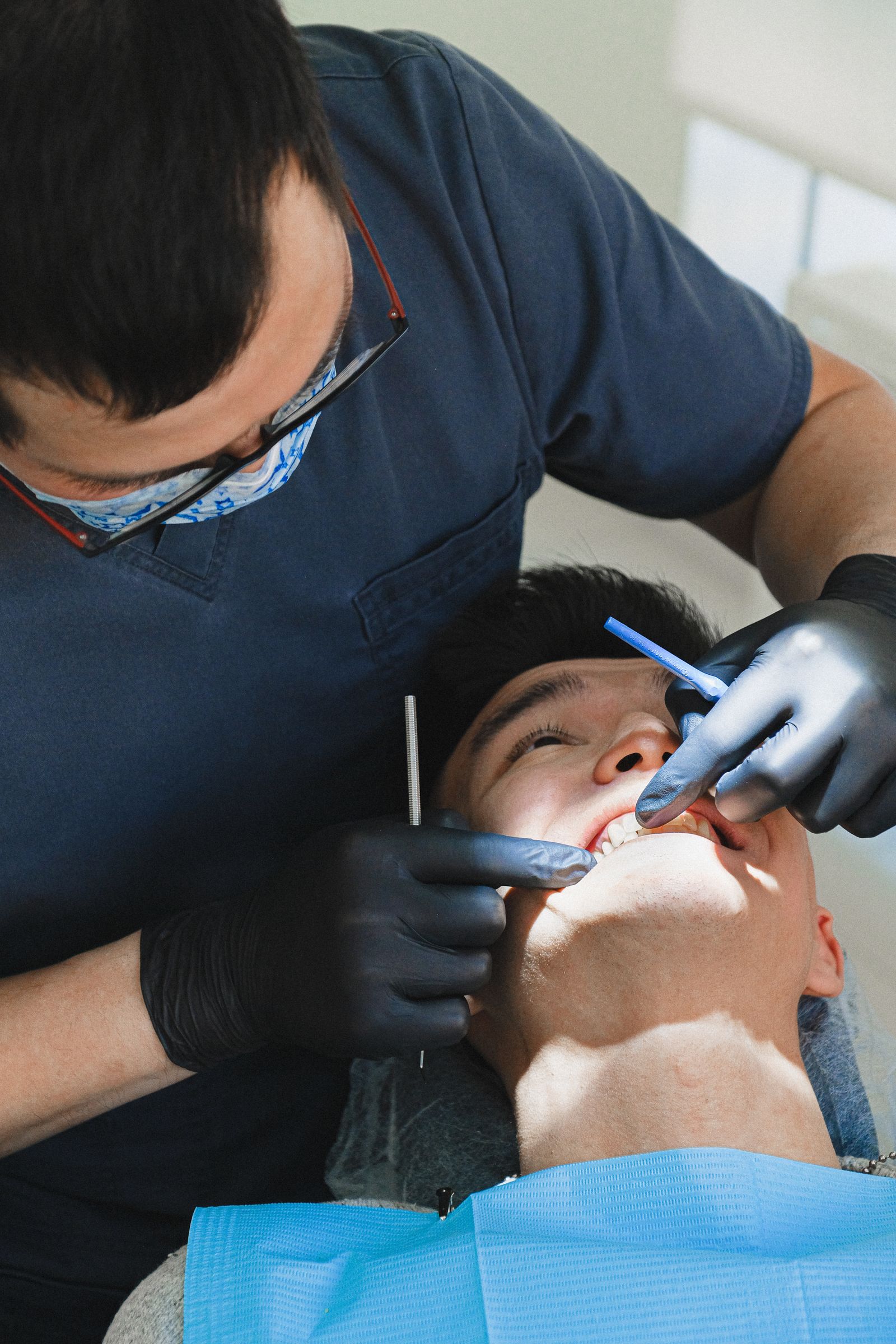
How to Compete With Corporate Dental Chains
A DSO backed chain opens two miles away with billboards and ads all day. You cannot outspend them, so stop trying. About 1 in 6 US dentists are now with a chain, yet independents still win on the one thing a chain cannot buy. Here is the playbook.
Read the article →
Should Each Doctor Have Their Own Google Business Profile?
A group practice with one Google listing is parking four cars in a single space. Google lets each public facing doctor have their own profile, which can turn one spot in local search into five. Here is how to do it without getting suspended.
Read the article →
Do Patients Only Book In Network Doctors?
Zocdoc's new What Patients Want report found about 92 percent of appointments go to in network providers. Insurance is the first filter patients run, before your reviews or website get a vote. Here is how to stop getting screened out at the gate.
Read the article →
Half Your Patients Hit a Wall Before They Ever See You
New Press Ganey research says nearly half of patients hit a roadblock before the appointment even starts, and the ones who do rate you about 13 points lower on how likely they are to recommend you. The damage happens before the visit. Here is how to find your own friction in ten minutes and fix it.
Read the article →
The Healthcare Data Economy Is Booming. Where Does Your Practice Fit?
A new Baker Institute brief says most health data is now created outside the clinic, and almost none of it is protected like your medical records are. Health data is the fuel of the AI economy. So what happens to the data your own office makes every day? Here is how to own your slice instead of giving it away.
Read the article →
Is Your Marketing Attracting the Wrong Patients?
The phone rings all day and you are still not busy with the right people. Price shoppers, out of area callers, the wrong insurance, chronic no shows. That is not a volume problem, it is a targeting problem. Here is why it happens and how to aim your marketing at the patients you actually want.
Read the article →
Why Your Medical Practice Marketing Isn't Working
You are spending on ads, SEO, or social and the schedule still has holes. Nine times out of ten the ad is fine and the patient is leaking out after the click, through a slow site, an unanswered phone, or a lead called back a day too late. Here is the honest checklist to find the leak.
Read the article →
Do Image Sliders Hurt Your Medical Practice Website?
That rotating banner on your homepage feels professional, but a Notre Dame study found only about 1 percent of visitors ever click it, and most only click the first slide. Worse, it slows your site down. Here is why carousels cost practices bookings, and what to use instead.
Read the article →
Does Your Medical Practice Need a New Patients Page on Its Website?
Your front desk answers the same five questions all day: do you take my insurance, are you taking new patients, how much is a first visit. Those are the exact things a stranger wonders before booking. One honest page answers them all and turns searchers into first visits.
Read the article →
How Physical Therapists Get Direct Access Patients Without a Referral
Direct access is now legal in all 50 states. A patient can start care with you without a doctor's slip, yet most practices still wait by the fax, one retiring surgeon away from losing a third of their schedule. Here is how to win self referred patients from search.
Read the article →
What's a Good Call Abandonment Rate for a Medical Practice?
Your schedule looks full, but every day people call, hit a long hold or a voicemail, and hang up to dial someone else. The number that catches them is your call abandonment rate. Here is what good looks like, why patients bail in under a minute, and how to fix it.
Read the article →
Do Call Tracking Numbers Hurt Local SEO?
You want to know which ad makes the phone ring, but you heard call tracking wrecks your Google rank, so you kept guessing. The honest answer: it is safe when set up right and costly when it is not. Here is the NAP rule and the Google Business Profile fix.
Read the article →
Should You Add Video to Your Google Business Profile?
Most practice listings have three blurry photos and nothing else, while Google spent 2026 pushing short video into Maps. A 20 second clip lets a nervous patient feel your office before they call. Here is what to film and the one HIPAA line a clinic cannot cross.
Read the article →
Google Just Put a WhatsApp Button on Your Listing. Should You Use It?
A new WhatsApp button started showing up on Google Business Profiles this week, next to call and directions. Patients love texting over calling, but for a medical practice there is a real HIPAA catch. Here is what changed and the safe way to meet patients on text.
Read the article →
Which Post, Ad or Email Actually Brought That Patient?
You run ads, post on social, and send emails, then a patient books and you have no idea which one did it. A free tracking link turns that guess into a real answer in seconds. Here is how UTM links work, and the one HIPAA line you cannot cross.
Read the article →
Do Patients Feel Rushed at Your Practice?
A 2026 survey found 68 percent of patients say their visits feel rushed, yet face time has barely changed in decades. The feeling rarely becomes a complaint. It becomes a lukewarm review and an empty return slot. Most of the fix is not clinical.
Read the article →
Does Google's AI Show Up When Patients Search Doctor Near Me?
Everyone fears AI is eating Google. But by late 2025, AI Overviews hit 100 percent of treatment questions and 0 percent of near me provider searches. The map pack still owns the searches that book patients. Here is the two front plan.
Read the article →
Why Don't My Happy Patients Refer Anyone?
Your reviews are glowing but the referrals never come. One study found 83 percent of happy customers say they would refer, yet only 29 percent actually do. The gap is not loyalty. It is that nobody asked. Here is the simple fix.
Read the article →
Why New Patients No Show Their First Appointment
The patient you paid the most to win is the one most likely to skip the first visit. New patients no show near 30 percent versus about 21 for regulars. The cause is the weeks of silence between booking and the appointment, and the fix is not more ads.
Read the article →
When a Patient Cancels, Do They Ever Come Back?
Nearly 1 in 5 appointments gets canceled, and only about 27 percent of those patients rebook within 30 days. The cancellation is not the loss. The silence after it is. Here is how to win them back without spending a dollar on ads.
Read the article →
The 2026 Tracking Pixel Lawsuits Every Practice Owner Should Know About
Courts kept finalizing healthcare privacy settlements this year, one for 12.5 million dollars, over the same Meta Pixel and Google Analytics code sitting on ordinary practice sites. Here is what it does and how to run ads without the risk.
Read the article →
Insurance Is Denying More Claims. Does Your Practice Have a Plan B?
Claim denials are rising, each one costs about 25 dollars to rework, and payers keep paying slower. It hits small practices hardest. The fix is not a better billing fight. It is owning the pipeline that brings in your next patient.
Read the article →
Does Your Medical Practice Website Need a Floating Book Now Button?
Most patients read your site on a phone and scroll right past the one Book button at the top. By the time they decide to book, there is nothing to tap. A small button that follows them down the page can lift mobile bookings 15 to 40 percent. Here is how to do it right.
Read the article →
Why Do Patients Call Your Practice but Never Book?
Your ads work, the phone rings, and only about 4 in 10 callers ever become patients. The leak is rarely the marketing. It is the 90 seconds after someone picks up. Here is what the 2026 data shows and the front desk fixes that book more of them.
Read the article →
What Do Patients Actually Write in Your Reviews?
Your patients cannot judge your medicine, so they grade how you made them feel. New 2026 data shows five star reviews praise listening, not skill, and the top reason patients avoid a doctor is that the doctor did not listen. Here is how to use that.
Read the article →
Is Telehealth Your Practice's New Front Door?
Telehealth use climbed again in 2026 and mental health leads at 28 percent of visits. For many practices the first time a new patient sees you is now on a screen. Here is how to treat the virtual visit like the front door it has become.
Read the article →
Do Patients Switch Practices Over Texting?
A new 2026 survey of 1,000 patients ranked text first and the phone call last. And 30 percent said they would switch practices over the lack of texting. Here is what that costs the clinics still playing phone tag.
Read the article →
Is Instagram Organic Reach Dead in 2026 for Medical Practices?
You post and almost nobody sees it. Reach fell about 31 percent in a year. But it did not die, it moved, and the practices that know where it went are reaching more new patients than ever.
Read the article →
Should You Do SEO or Ads First for Your Medical Practice?
Ads bring patients tomorrow but stop the day you stop paying. SEO is slow for months, then pays you back for years. Here is the honest order to run them in, with the data.
Read the article →
Why Google Keeps Disapproving Your Medical Practice Ads
Google rejects your ad, never says why, and one wrong move can suspend the whole account. For medical practices it is almost always one of four rules. Here is each one and the fix.
Read the article →
Should You Post the Same Thing on Every Social Platform?
Copying one post to Facebook, Instagram and TikTok feels efficient, but each app reaches a different crowd and Instagram now buries obvious reposts. Here is the smarter way to use one idea everywhere.
Read the article →
Your Patients Ask AI About Their Health While You Sleep
A new OpenAI report finds more than 40 million people ask AI a health question every day, and about 70 percent happen after your office closes. The decision to book you, or someone else, is being made without you.
Read the article →
Patients Are Giving Up on You Before They Ever Book
The patients you lose to a clunky form or an unanswered phone never complain. They just go somewhere easier. New 2026 data shows 48 percent hit a roadblock before booking, and it is costing practices more than they think.
Read the article →
Google Now Wants to Set Your Practice's Hours With AI. Should You Let It?
Google is testing a feature that reads a sentence about your hours and fills in your listing for you. Handy, until it drops a lunch closure and a patient hits a locked door. Here is when to let it, and how to keep control.
Read the article →
Should You A/B Test Your Medical Practice Website? (Probably Not Yet)
Split testing is a great tool at the wrong time for most practices. A page converting at 5 percent needs about a thousand bookings per version to trust the result, and few sites get close. Here is the math, and the fixes that beat any test.
Read the article →
Instagram Locked Down Teen Accounts. What It Means If Your Patients Are Kids.
Every Instagram user under 18 is now a private Teen Account that strangers cannot message, and teen ad targeting is stripped to the basics. If you treat kids, your Instagram playbook just changed. Here is the fix that makes your marketing better.
Read the article →
Google Changed Its Healthcare Ad Rules in 2026. Here Is What It Means for Your Practice.
Google rewrote its healthcare ad rulebook this year, loosening some rules and tightening others. Most of the scary parts only hit pharmacies and telehealth. Two of them hit every practice running ads. Here is how to tell which rules are yours.
Read the article →
Medical Practice Marketing Benchmarks for 2026: Are Your Numbers Normal?
Is a 22% no show rate normal? Is 80 dollars a lead too much? Here is an honest 2026 scorecard of what US practices really see, with targets for no show rate, website conversion, cost per lead and reviews.
Read the article →
An Official Said AI Knows More Than Your Doctor. Six Medical Groups Disagreed.
A top official said AI is better informed than any doctor. Days later six major physician groups said no. The real fight is patient trust, and here is what it means for how your practice should market itself.
Read the article →
ChatGPT Ads Are Live. What They Mean for Your Practice
OpenAI now sells ads inside ChatGPT, and the newest type can book the patient right in the chat, no website visit. Before you spend a dollar on it, here is the honest read for medical practices and the one move worth making first.
Read the article →
Are Too Many Choices Costing Your Practice Patients?
A famous study found shoppers were ten times more likely to buy when a shelf dropped from 24 options to 6. Your practice website has the same shelf, and it is scaring off patients who came ready to book. Here is where it happens and how to fix it.
Read the article →
Where Does ChatGPT Get Its Information About Your Practice?
47% of patients now use AI to research a doctor, and more of them are 45 to 60 than 18 to 29. Here is where ChatGPT, Google AI Overviews and Perplexity pull their facts about your practice, and how to make sure they get it right.
Read the article →
Why Mental Health Practices Pay the Most to Get a New Patient
In 2026 a new behavioral health patient can cost $500 to $2,500 or more to acquire, the highest of any specialty. Here is what drives that price, the number most practices measure wrong, and how to bring your cost per patient down.
Read the article →
Can Anyone Change Your Google Listing? You Have 4 Days to Catch It
A stranger or a competitor can suggest new hours, a different phone number, or mark your practice permanently closed on Google. Since September 2026 you get just four days to reject it before it can go live. Here is how to protect your listing.
Read the article →
Why Do Your Competitors' Google Ads Look Bigger Than Yours?
That rival ad with the phone number, the map and all the links is not beating you on budget. It is beating you on the free add ons they switched on and you did not. Here is the full list, what each one does, and why a bigger ad can cost you less.
Read the article →
How to Turn One Blog Post Into a Month of Content
Your practice goes quiet online because nobody can invent a fresh post every day. So stop trying. Answer one real patient question well, then reshape it into a month of posts, a Google update and an email. One idea, a full calendar, far less burnout.
Read the article →
Should You Collect Reviews on a Tablet in Your Office?
A review kiosk in the lobby feels efficient, and then the reviews start disappearing. Here is why Google filters reviews that come from one device on your office WiFi, and the same day, own phone approach that actually brings in steady 5 star reviews.
Read the article →
Should Doctors Build a Personal Brand?
Patients cannot judge your care before they book. They can only judge what they find when they search your name, and they always search. Here is when a doctor personal brand is worth it, what to post, and how to do it without becoming an influencer.
Read the article →
Should Your Medical Practice Use Google Demand Gen Campaigns?
Your Google rep is pushing it hard: reach 3 billion people on YouTube and Gmail. But there is a catch for healthcare nobody mentions, and most practices run it way too soon. Here is when Demand Gen actually books patients, and when it just buys applause.
Read the article →
Where Should Your Medical Practice Start With Marketing?
Ads? Instagram? A new website? When everything feels urgent, nothing gets done. The secret is order, not effort. Here is the honest step by step, from the free foundation most owners skip to the paid ads they rush into way too soon.
Read the article →
Should Your Medical Practice Use the New Instagram Map?
Everyone panicked about the Instagram Map tracking friends. That part is off by default. The part worth your attention: your location tags are now a surface patients can browse. For a med spa, derm or dental office, that is a free new way to get found. Here is how to show up on it.
Read the article →
Why LegitScript Certification Matters for Weight Loss and Telehealth Clinics
A clinic called us after Meta rejected every GLP-1 ad and nearly banned their account. They skipped one credential: LegitScript. On Meta, Facebook and Google it is the gate between a weight loss or telehealth clinic and paid growth. Here is what it costs and why it sets you free to market.
Read the article →
Why Are My Facebook Ads Getting More Expensive?
A med spa owner messaged us, rattled: same campaign as last year, almost double the cost per booking. Pharma poured 26 billion dollars into digital and Meta tightened its rules. Here is what is really going on and how to pay less per booked patient.
Read the article →
How to Grow a Telehealth Clinic With OpenLoop
OpenLoop stands up the clinical engine of a telehealth brand in days: clinicians in all 50 states, pharmacy, compliance. Then the calendar stays empty, because it does not bring patients. Here is the growth half nobody plans for.
Read the article →
What Happens When an AI Calls Your Front Desk?
Google's AI now calls local businesses for people, asking prices and openings and booking the best one. Soon it calls your practice. If your phone rolls to voicemail, you are not even in the summary. Here is how to win that call.
Read the article →
Why Is My Medical Practice Getting Fake Leads?
Wrong numbers, gibberish form fills, vendors in disguise. Bots now drive more than half of all web traffic. Here is why junk leads flood your inbox and how to filter them so your team only chases real patients.
Read the article →
What Should a New Patient Welcome Email Say?
The email a new patient gets right after booking is the most opened message your practice will ever send, and most practices skip it. What to include, when to send it, and why it decides whether they come back.
Read the article →
Do You Need an AI Marketing Platform to Grow Your Practice?
A major agency just launched an AI growth operating system for healthcare. But a dashboard that says you are off pace never booked a patient. What the software really does, and what an independent practice should spend on first.
Read the article →
Why Isn't My Medical Practice Showing Up on Google Maps?
The map results show in about 93 percent of local searches and grab nearly half the clicks. If your practice is missing, patients book whoever showed up instead. Here are the seven real reasons you go invisible, and the fix for each.
Read the article →
Google Is Moving Local Services Ads Into Google Ads
Those green checkmark ads at the top of Google are changing in 2026. Weekly budgets become daily, manual bidding goes away, and the old dashboard retires. Here is what practice owners should do before it reaches their account.
Read the article →
What the FTC Lawsuit Over Patient Data Means for Your Practice
The FTC just sued a telehealth giant for sending patient data to Meta and Snap through its website, and for hiding the cancel button. A normal practice site can leak the same data by accident. Here is how to check yours.
Read the article →
Should Your Medical Practice A/B Test Its Ads?
Most practices run one ad and hope. Meta says running two versions and keeping the winner cuts cost per result about 30 percent. Same budget, more patients. Here is the simple way to start testing.
Read the article →
Do Patients Actually Care If You're Board Certified?
93 percent of patients say board certification matters when they pick a doctor, and over a million checked a physician's status last year. So why is yours hiding in a frame on the wall? Here is where to show it.
Read the article →
Should Your Medical Practice Run Ads in Spanish?
About 45 million people in the US speak Spanish at home, yet under 1 percent of digital ad spend reaches them. That gap is cheaper clicks and ready patients, if your office can serve them. Here is who it fits.
Read the article →
New Year Marketing for Medical Practices: Why You Start in October, Not January
Every January, millions of people decide to finally deal with their health. It is the biggest demand wave of the year for a lot of practices. The ones who win it did the work back in the fall. Here is the Q4 playbook.
Read the article →
What Do Patients Type Into Google to Find a Doctor?
Most patients who need a new doctor never search your name. They type a symptom, a specialty near them, or a full question out loud. Here are the four searches that actually bring patients, and how to be the practice that shows up.
Read the article →
Is AI Smarter Than Your Doctor? Six Physician Groups Just Said No
On September 30, six of the largest physician organizations in the country pushed back on the claim that AI is better informed than doctors. The real fight is over patient trust, and your practice has money riding on who wins it.
Read the article →
Do Reviews Make Your Google Ads Cheaper? Yes, and Here Is the Math
Two practices, same town, same ad budget, and a 3x to 4x gap in cost per patient. The hidden reason is the stars next to their name. Here is how your reviews decide what every paid click really costs.
Read the article →
Did Your Practice Website Traffic Just Drop? Google's Spam Update, Explained
Google's September 2026 spam update is still rolling out, and it targets bulk, low value pages built to rank instead of help. For health sites that is a warning. What it means and how to protect your rankings.
Read the article →
Do Patients Care If They See a Nurse Practitioner?
NPs and PAs now handle 1 in 4 US visits, and patients are just as happy, often happier. So why does the new provider have empty afternoons? It is the marketing, not the title.
Read the article →
What Do Your Patients Hear When You Put Them on Hold?
Left in silence on hold, about 60% of callers hang up and 30% never call back. What you play, or whether patients wait at all, is deciding your schedule. Here is the fix.
Read the article →
How to Get Patients to Leave Google Reviews
84% of patients read reviews before booking, but 57% never leave one for their own doctor. The gap is killing good practices. Here is the simple, no gimmick system to fix it.
Read the article →
Where Your Next Patient Comes From Just Changed
A study of 102,392 healthcare leads shows the map moving: organic search down 12%, directories down 14%, and patients from AI tools up 55% in a single year. Here is the honest breakdown.
Read the article →
Your Sales Posts Get Scrolled Past. Your Teaching Posts Get Patients.
Most practice feeds are a wall of specials nobody saves. The 2026 data says teaching posts earn 2.3x the engagement, and 35% of patients pick a doctor by their online presence. Here is what to post.
Read the article →
The Healthcare Ad That Wins by Not Asking for the Appointment
Meta is rejecting hard booking ads, and only about 5 in 100 people were ready to book anyway. The ads that work in 2026 teach first and ask later. Here is why, and how to run them.
Read the article →
Should Your Medical Practice Run Google Ads at 2am?
Pausing ads after hours sounds smart, but one account wasted 10.8% of its budget on dead overnight hours while almost 40% of bookings happen after you close. Here is how to schedule healthcare ads without losing patients.
Read the article →
Your Patients Already Decided How They Want to Hear From You
A 2026 survey of 1,000 patients ranked the channels: text 90%, email 59%, portal 55%, phone 34%. Most practices still lead with the one patients like least, and it is costing real appointments. Here is what the data says.
Read the article →
Patients Remember How the Visit Ends, Not the Middle
You can run a flawless appointment and still get a lukewarm review. People don't remember a whole visit, they remember the best moment and the last one. A famous Kahneman study proved it, and the last 90 seconds decide your reviews and referrals.
Read the article →
Should Doctors Give Patients Their Personal Cell Number?
It feels like the warmest thing you can do. Then it becomes a channel with no records, no coverage, no off switch, and real HIPAA exposure. Patients do want to text you. Here is how to give them that without tying it to your personal phone.
Read the article →
Should New Patients Have to Call You to Book an Appointment?
Plenty of practices let existing patients book online but force every new patient to call first. It feels careful. It is the most expensive door you can leave locked. Here is what it costs and how to keep the screening without losing the patient.
Read the article →
Should Your Medical Practice Send Patients a Thank You Note?
Most practices send patients nothing after a visit, or a cold request for a review. A real thank you costs pennies and is one of the most reliable ways to keep patients coming back and telling their friends. The honest case, and how to do it right.
Read the article →
Will Moving Your Website Hurt Your Google Ranking?
The fear that keeps practices stuck on an ugly, slow site for years. The honest answer: Google forwards your rankings through redirects, so a planned move is safe. A sloppy one is the only real risk. Here is the checklist.
Read the article →
Why Did Your Google Business Profile Views Drop in 2026?
Your views can fall without losing a single ranking. In 2026 Google started splitting your profile across AI surfaces like Maps summaries and AI Overviews. Here is what changed and how to stay the name the AI recommends.
Read the article →
Investors Just Bet $360 Million That AI Will Answer Your Patients' Calls
In one week EliseAI raised $350M at a $4B valuation and Parakeet Health raised $10M more, all to put AI on the phone with patients. Here is the honest read for an independent practice, and why the gap it creates is also the opportunity.
Read the article →
Should Your Medical Practice Charge a No Show Fee?
A fee feels like the obvious fix for empty slots, but it can quietly cost you reviews and patients. Here is the honest math, the Medicare rule most owners get wrong, and what actually cuts no shows without punishing people.
Read the article →
How Do Patients Choose a Fertility Clinic?
By the time a hopeful couple calls, they've already compared three or four clinics. Success rates, honest pricing, real reviews, and how fast you answer all tip the decision. Here is what actually wins the patient, and where clinics quietly lose them.
Read the article →
AI Browsers Are Starting to Book Appointments. Can Yours?
Patients are starting to let an AI browser like ChatGPT Atlas or Perplexity Comet find a doctor and book the visit for them. On real sites these agents finish only about 61% of tasks. If yours confuses the agent, the patient books the practice down the road.
Read the article →
What Patients Will Actually Let AI Do at Your Practice
Worried patients will feel replaced by a robot? New 2026 data says 79% are fine with AI booking their visit, but just 48% want it near a diagnosis. Patients drew the line for you. Here is where AI belongs, and where it does not.
Read the article →
Website or Google Business Profile: Which Matters More for Your Practice?
Do you spend on a new website, or on the Google listing patients see first? The top three map results pull about 68% of clicks before anyone reaches your site. Here is the honest answer on where your money should go, and why the win is both.
Read the article →
Google Now Summarizes Your Reviews With AI. Do You Know What It Says?
Patients no longer scroll your reviews one by one. Google reads them all and writes a short AI summary, and in a 2026 study it was the most trusted thing on the search page. You cannot edit it, but you can change what it says. Here is how.
Read the article →
Men Skip the Doctor All Year. November Is When They Listen.
Men are a third less likely than women to see a doctor, says the CDC. But every November, men's health month puts the subject right in front of them. If your practice treats men, here is how to turn that attention into booked visits instead of a mustache graphic.
Read the article →
Should Your Medical Practice Use Text to Pay?
Your patients pay for dinner and the plumber by tapping a link. Then your bill arrives in a paper envelope and sits for three weeks. About 1 in 3 patients pay within 5 minutes of a payment text. Here is the honest case for text to pay.
Read the article →
Google AI Is Now Calling Your Medical Practice. Can It Get an Answer?
There is a new caller on your front desk line, and it is not a patient. It is Google's AI, dialing to ask your prices and openings for someone who searched nearby. If your phone hits voicemail, you never make the list the patient reads.
Read the article →
How to Remove a Fake Google Review From Your Medical Practice
A competitor or a stranger who was never your patient can park a one star review at the top of your profile. Google removed 292 million policy violating reviews in a year. Here is how to get one taken down, step by step.
Read the article →
They Already Booked. Then They Read Your Reviews and Canceled.
Booking is not the finish line. Over half of patients have canceled or skipped an appointment because of what they read online, up 15 points in nine months. Here is how to keep the patients you already won.
Read the article →
Patients Are Bringing Their Watch Data to Your Practice. Are You Ready?
More patients reach out because their watch flagged something. Smartwatches now catch AFib with 86% accuracy. Here is how to turn that new demand into booked appointments instead of voicemails.
Read the article →
Is a Linktree Enough for Your Medical Practice?
A link in bio takes five minutes and feels complete. For a lot of med spas it became the whole website. Here is where it loses patient bookings, trust, and Google rankings, and what to use instead.
Read the article →
Do Patients Trust Your Practice's AI More Than ChatGPT?
A 2026 Salesforce survey of 3,200 people found patients trust an AI inside their own doctor's office 3x more than ChatGPT, and 67% want 24/7 help. One rule makes it work.
Read the article →
Do Patients Prefer Texting Over Calling Your Practice?
About 9 in 10 patients say they would rather text, and only a third want a phone call. Yet most offices still run on the phone. Here is what that gap costs and how to fix it.
Read the article →
Can Your Existing Patients Book Online, or Only New Ones?
Most practices make it easy for strangers to book online, then leave their most loyal patients stuck calling and waiting on hold. That gap slowly loses repeat visits. Here is the simple fix.
Read the article →
Is AI Worth It for a Small Medical Practice?
This week Blue Cross insurers blamed AI for nearly $1 billion in extra costs. So is AI actually worth it for a small practice? An honest look at which AI pays for itself and which is just hype.
Read the article →
How Do You Fill a Last Minute Cancellation Before It Costs You?
A same day cancel leaves an empty chair you cannot sell tomorrow. No shows and cancellations cost US practices over $150 billion a year. Here is the simple system that fills open slots in minutes, automatically.
Read the article →
Do Patients Trust AI or Their Doctor?
New 2026 data from Gallup, Pew and the Patient Choice Report: 73% of patients still ask their doctor, only 16% ask AI. But 36% say AI shaped which doctor they picked. Here is what that means for your practice.
Read the article →
Why Your Competitor Pays Less Per Patient
Same specialty, same town, same ad budget, and yet one practice pays a fraction of the other per new patient. New 2026 data says a 3x to 4x gap comes down mostly to reviews. Here is how to close it.
Read the article →
Do Patients Book More Than One Practice at Once?
Plenty of new patients contact two or three offices at the same time and keep whoever answers first. Leads reached in five minutes convert 21x better. Here is how to be the one who wins.
Read the article →
Can Patients Leave a Google Review Without a Google Account?
A happy patient goes to review you, hits a login screen, and gives up. Yes, they need a Google account, but most already have one. The real fix is removing the friction. Here is how.
Read the article →
Do Limited Time Offers Actually Work for Medical Practices?
Urgency works because people hate losing more than they like winning. But a fake countdown timer can cost you the trust your practice runs on, and the FTC is now watching. Here is where the honest line is.
Read the article →
Your Patients Are Fact Checking You With AI After They Leave
56% of patients now go to AI after a visit and 22% use it to make sense of their diagnosis. It is not distrust, it is a new step in the patient journey. Here is how to stay the voice they believe.
Read the article →
Is Your Medical Website Too Hard to Read?
Only 12% of US adults have strong health literacy, yet most practice sites read at a college level. If a scared patient cannot follow your page, they leave. Here is how to fix it without dumbing anything down.
Read the article →
Why Patients Choose the More Expensive Practice
The cheapest option usually loses in healthcare. When patients cannot judge your skill, they judge your price. Here is the study behind it, why cutting fees backfires, and what the trusted practice does instead.
Read the article →
Should Your Mobile Healthcare Practice Hide Its Address on Google?
Mobile IV, house call docs, in home therapy: if you visit patients, Google wants your address hidden, and showing it can get you suspended. Here is the rule, the ranking myth, and how to set it up right.
Read the article →
What Should Your Medical Practice's Google Ad Actually Say?
A healthcare click costs about $4.76 and converts at 12%, so weak ad copy is a real bill. Most practice ads brag instead of answering the patient. Here is what to say instead, with before and after examples.
Read the article →
Should You Pause Your Practice's Ads Over the Holidays?
Going dark in December feels like the responsible move. It usually costs you patients. Intent peaks around benefit deadlines, pausing resets your ad learning, and January is the busiest month of the year. Here is the honest math.
Read the article →
ChatGPT Health Can Now Read Your Patients' Medical Records
OpenAI connected ChatGPT to real patient records from systems like Epic and Oracle Health, and it now fields 300 million health questions a week. Here is what it means for your practice and how to stay the trusted voice.
Read the article →
Why Did My Facebook Ads Stop Working?
Your ads printed money for a month, then the leads dried up and costs climbed. It is almost never the platform. It is ad fatigue, and here is how to spot it and fix it.
Read the article →
Do Old Google Reviews Still Help Your Practice?
You have 180 reviews and a 4.9 average, but the newest one is a year old. 73% of patients only trust reviews from the last 30 days. Here is why recency wins and how to fix it.
Read the article →
Do Patients Prefer a Solo Doctor or a Group Practice?
The industry keeps merging into big groups, yet only 42% of US doctors are still in private practice. Patients want the opposite. Here is how to market whichever one you are.
Read the article →
AI for Doctors Won't Grow Your Practice
A healthcare AI company just raised $340M to make clinicians faster. Great for burnout, useless for your empty Tuesday. Here is the AI that actually fills a schedule.
Read the article →
Can You Still Advertise to Teens on Instagram in 2026?
Meta stripped interest, behavioral and lookalike targeting for users under 18 this year. If your practice treats teens, here is what still works and the smarter move most miss.
Read the article →
How Long Should a Page on Your Medical Practice Website Be?
Google's own team says word count is not a ranking factor. So why do thin pages lose patients, and how long should a page really be? The honest answer, page by page.
Read the article →
Does a Video on Your Homepage Actually Get More Patients?
89% of people say a video convinced them to buy, yet a heavy one slows your site and loses patients. Here are the 5 choices that decide whether a homepage video books patients or scares them off.
Read the article →
Your Google Ranking Is Fine. So Why Did the Calls Stop?
A 2026 study of 179 profiles found calls and clicks falling for two years while rankings held steady. Google changed what happens after a patient finds you. Here is what to fix first.
Read the article →
How Should Your Practice Handle Medicare Open Enrollment?
October 15 to December 7 is the season every senior in your town rethinks their care. Most never switch plans, but they do choose doctors. Here is how a practice wins that attention and fills a slow fourth quarter.
Read the article →
Can Therapy Practices Still Run Facebook Ads in 2026?
Meta banned targeting people by mental health condition this year, and it hit therapy practices hard. What actually changed, and where to put your budget instead to keep the caseload full.
Read the article →
Should Your Google Ads Go to Your Homepage or a Landing Page?
Most practices point paid ads at the homepage and wonder why clicks cost so much and book so few. Dedicated landing pages convert about double. Here is where that traffic should really land.
Read the article →
Should You Segment Your Patient Email List?
Most practices send one email to everyone, or nothing at all. Segmented campaigns get about double the clicks. Here is how far to take it, the three groups that matter, and the HIPAA line you never cross.
Read the article →
Clinical AI Wont Grow Your Practice. Growth AI Will.
One AI company just raised $340 million to sit in the exam room with doctors. It is impressive, and it will not book you a single new patient. Here is where the healthcare AI money is really going, and where an independent practice should spend its own first.
Read the article →
Should You List the Languages Your Practice Speaks on Google?
Google added a new field where your practice can show the languages you speak. Nearly 1 in 5 Americans speaks another language at home, and most of your competitors left it blank. Here is why it matters and how to set it up in ten minutes.
Read the article →
Do Title Tags and Meta Descriptions Matter for Medical Practices?
You can rank on page one of Google and still lose the patient to the practice below you. The top three results grab almost 69% of clicks, and the two lines of text next to your link decide who gets them. Here is how to write yours.
Read the article →
How to Make Social Media Videos for Your Medical Practice
No videographer, no studio, no script to memorize. Short form video is where patients discover practices now, and 55% of Reels views come from people who do not follow you yet. Here is how to film it with just your phone.
Read the article →
Do You Need to Register to Text Patients?
Your reminders feel flaky, no shows are creeping up, and patients swear they never got the text. It may not be your software. Since December 2024 carriers block texts from businesses that never registered. Here is the plain English fix.
Read the article →
Your Patients Are Photographing Their Skin Before They Call You
Before they book a dermatologist or a med spa, a lot of patients now point their phone at the spot and ask Google what it is. Google runs over 20 billion visual searches a month. Here is how to be the practice waiting at the end of that search.
Read the article →
The Darkest Months Are When Patients Search for You
Every fall, as the days get shorter, more people go looking for a therapist. Searches for help climb about 125% from August to late September and peak in November. Here is how a mental health practice gets found and booked before the winter rush.
Read the article →
Does Your Medical Practice Need a Wikipedia Page?
A doctor asked ChatGPT for a skin specialist and it named his competitors, not him. His fix idea: a Wikipedia page. Here is why that is a trap for most practices, and what actually gets Google and AI to recognize and recommend you.
Read the article →
Is Social Media Becoming a Search Engine for Your Patients?
A new patient booked a med spa after searching one word on Instagram, never touching Google until after she decided. Nearly half of people now search on TikTok too. Here is what social search means for your practice, and how to get found in both places.
Read the article →
Why Your Medical Practice Website Loses Patients on Their Phones
Your site looks great on the office monitor, but no patient sees that version. Healthcare sites book phone visitors at 2.48% versus 4.11% on desktop, and most owners never notice because they only test on a laptop. Here is where the money leaks and how to plug it.
Read the article →
How to Get More Patients From Instagram, Not Just Followers
Half of US adults use Instagram and a third have picked a provider from social media, yet most practice accounts get zero patients from it. The fix is rarely the content. It is the bio link and the DMs. Here is the honest playbook for owners.
Read the article →
Why Do Patients Say They'll Think About It and Never Come Back?
The consult went great, they said they'd think about it, then silence. It usually isn't the price. Research shows most sales close after the fifth follow up, while the average practice sends zero. Here is how to turn think about it into a booked appointment.
Read the article →
Is Your Phone Tree Costing You Patients?
Press 1 for scheduling, press 2 for billing, press 3 to hang up and call the office down the street. Around 27% of callers quit when they hit a phone menu, and the new patient you paid the most to reach is the first one it loses. What the data says, and how to fix it.
Read the article →
Are You Spending Too Much to Get New Patients?
Winning a new patient costs 5 to 25 times more than keeping one you already have, yet most practices spend backward. The real math of retention vs acquisition, and how to fix the ratio before you buy another lead.
Read the article →
Should You Ask for Insurance Before a Patient Books?
Ask too early and you scare off real patients. Ask too late and your schedule fills with people you cannot bill. Where the insurance question actually belongs, and how to filter without gutting your booking rate.
Read the article →
Why Are My Medical Practice Ad Leads Fake?
Wrong numbers, people who never filled out a form, tire kickers who never book. Your ad leads are almost never fake. They are cheap and cold. Here is why it happens and the three fixes that matter.
Read the article →
Can You Text Patients From Your Office Landline?
Patients are texting your office number right now, and if it is a plain landline, every message vanishes. Yes, you can text enable the same number. Here is how, and how to stay HIPAA safe.
Read the article →
AI Is Fighting AI Over Medical Bills, and Patients Are Losing
Hospitals use AI to bill more, insurers use AI to deny more, and a new report ties the fight to over $2 billion. Your patients feel it, and that is exactly where an independent practice can win.
Read the article →
Are Patients Finding Doctors on TikTok and Instagram, Not Just Google?
41% of Americans now use TikTok like a search engine, and many patients research treatments and providers on social before they ever open Google. Here is what that means for your practice.
Read the article →
Do Your Medical Practice's Online Listings All Match?
Your name, address and phone sit on dozens of sites, and half may be wrong. Here is why mismatched listings slowly cost you patients and Google rankings, and the simple way to clean them up.
Read the article →
Do Video Ads Work Better Than Photo Ads for Your Practice?
Everyone says video is king now. That is half true and half a trap. Here is the real data on video versus photo ads, when each one wins, and the honest answer about which actually fills your schedule.
Read the article →
Should Your Medical Practice Care About Perplexity?
Most owners have never opened it. But Perplexity is the one AI search engine that names its sources out loud, which makes it the easiest place for your practice to show up, or to be left out while a competitor gets the mention.
Read the article →
How to Tell if Your Marketing Agency Is Actually Working
A busy dashboard is not a full schedule. Most owners cannot say where last month's patients came from. Here is the one question that cuts through the pretty reports, and when to walk away.
Read the article →
How to Get More Referrals From Other Doctors (Without Depending on Them)
Referrals still fill most specialty schedules, yet up to 70% leak out of network and a third of loops never close. Here is how to earn more, and why you should not live and die by them.
Read the article →
Do Facebook Recommendations Matter for a Medical Practice?
Facebook killed the 5 star review years ago and swapped in a simple thumbs up. With two thirds of US adults still on Facebook, here is whether those recommendations still bring you patients.
Read the article →
Are Patients Using AI to Self Diagnose Before They Book?
Nearly 1 in 3 US adults now ask a chatbot about their symptoms before they call a doctor. That is not a threat. It is a moment you can win or miss, with real 2026 numbers and a clear plan.
Read the article →
Should a Doctor Show Their Face on Social Media?
Plenty of great doctors hate being on camera. But short form video now takes 58% of social time, and patients trust a real face over a logo. The honest answer, plus what to do if the doctor refuses.
Read the article →
Where Do Your Google Business Profile Views Come From Now?
Your views can climb while your phone stays flat. More patients now read your listing inside an AI answer and decide before they ever click. Here is what changed and what to do.
Read the article →
Does Blogging Actually Bring a Medical Practice Any Patients?
The short answer is yes, with a big asterisk. Most practice blogs bring in nobody, and it is not because blogging fails. Here is the honest version, with real numbers and the fix.
Read the article →
Google Business Profile Products: The Free Menu Most Practices Ignore
Google lets you list your treatments with a photo and a price right on your listing, and in 2026 the AI results read from it. Almost no practice uses it. Here is how to set it up in an afternoon.
Read the article →
Is the Google Map Pack Still Worth It for Your Medical Practice?
For a decade, ranking in Google's little 3 business map was the whole goal. New 2026 data says only 13% of patients trust it most, while 37% trust the AI answer at the top. Here is what changed and where your effort belongs now.
Read the article →
Should You Let Meta's AI Answer Your Patient Messages?
Meta just launched an AI that replies to your Instagram and Facebook DMs 24/7 for about $15 a month. Tempting for a busy practice, until you remember Meta will not sign a HIPAA agreement and patient messages are full of health details.
Read the article →
Should You Confirm Appointments by Text or by Phone Call?
Your front desk spends an hour a day calling patients to confirm, and half go to voicemail. A text gets read 98% of the time and cuts no shows about as well as a call. Here is when each one actually wins.
Read the article →
Your Next New Patient Is Choosing the Practice They Can Book at Midnight
When two practices look equal, 81% of patients pick the one they can book online. Most offices still make people call 9 to 5. Here is what that gap costs, and how to close it without losing your calendar.
Read the article →
AI Healthcare Content Can Sound Expert and Still Be Wrong
A chatbot can write your treatment page in seconds. Whether it is accurate, and whether Google and your patients trust it, is another story. The three rules medicine just agreed on: oversight, accountability, disclosure.
Read the article →
Why Aren't Your Patient Text Messages Being Delivered?
Your reminders say sent, but a chunk never reach the phone. Since 2025, carriers block texts from unregistered business numbers, so no shows climb and nobody knows why. Here is the fix.
Read the article →
What Should Be Above the Fold on a Medical Practice Website
Patients judge your website in about half a second, before they scroll. That first screen decides whether they book or bounce. Here is exactly what belongs on it, and what to cut.
Read the article →
Patients Don't Remember Their Whole Visit. Just Two Moments.
A Nobel winning idea called the peak end rule says people judge an experience by its most intense moment and its ending, not the average. For a medical practice, your reviews and referrals ride on two moments most owners never think about.
Read the article →
Do You Need LegitScript Certification to Run Google Ads?
Some practices cannot run a single Google ad until they pass a background check called LegitScript, and skipping it gets accounts suspended. Others do not need it at all. Here is how to tell which one you are before you launch a campaign.
Read the article →
Google Just Changed the Rules on Asking Patients for Reviews
The tablet in your waiting room and the friendly ask at checkout now break Google's 2026 review rules, and practices are watching reviews vanish. One provider lost about 80 in a single week. Here is the compliant way to keep yours growing.
Read the article →
Should Your Medical Practice Block AI Crawlers From Its Website?
Newspapers block the bots behind ChatGPT to protect their content, and a lot of small practices copied them by accident. About 1 in 5 top sites block AI crawlers, some without knowing, and it can quietly erase you from AI search. Here is how to check yours.
Read the article →
Should You Trust Your How Did You Hear About Us Data?
Most practices set their marketing budget on the answer patients give at the front desk. Research shows those answers misattribute up to 47% of leads and miss word of mouth and social by 90%. Here is what to measure instead.
Read the article →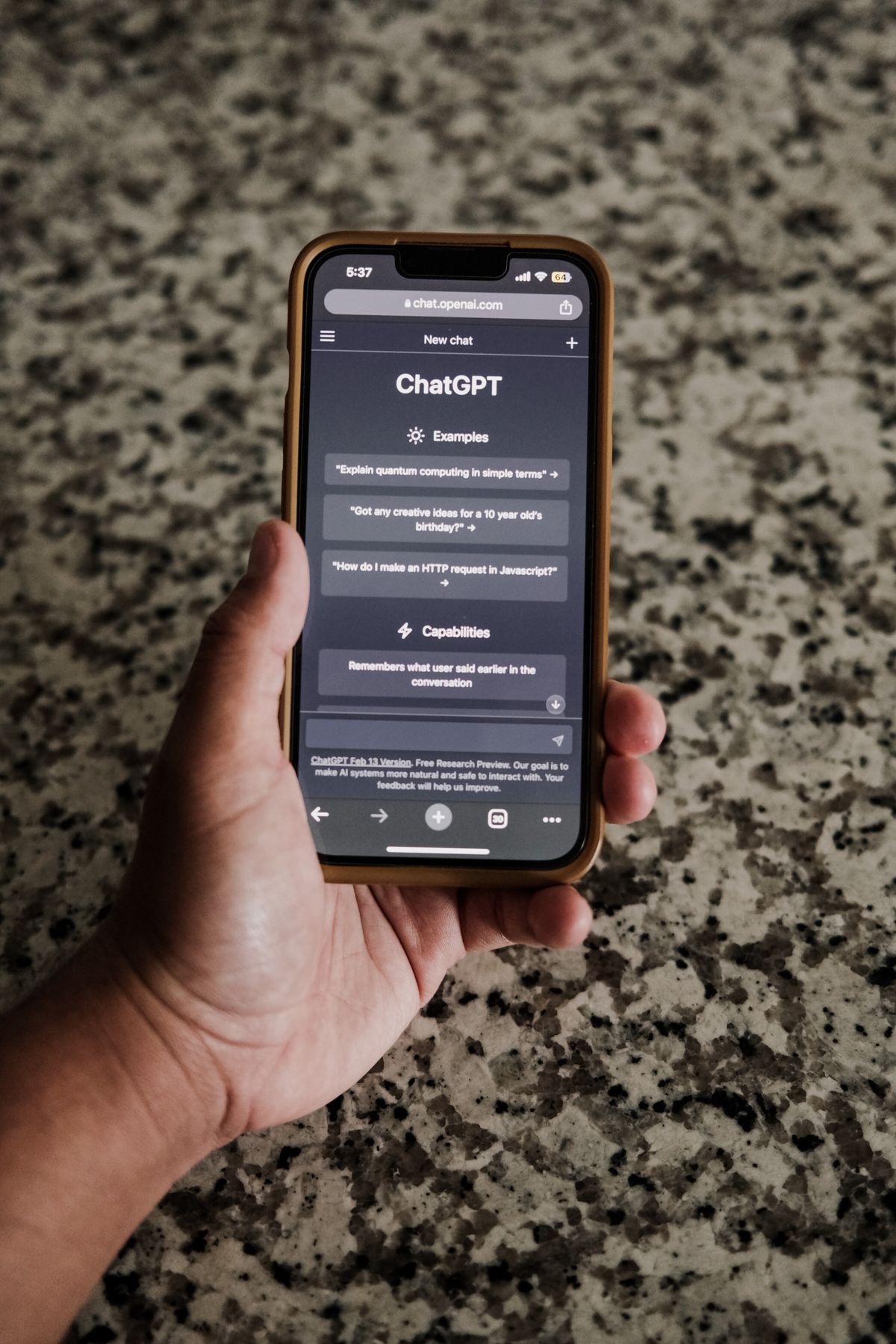
Is ChatGPT Telling Patients the Wrong Things About Your Practice?
Nearly half of patients now research doctors with AI, and AI gets local facts wrong in almost half of answers. Wrong hours, wrong insurance, or your name never comes up at all. Here is how to find out what ChatGPT says about you, and how to fix it.
Read the article →
When Should Your Medical Practice Hire a Marketing Agency?
Most practice owners do their own marketing at 10pm and keep wondering if it is time for help. One in house hire runs over $110k a year loaded, and one person cannot do it all. Here are the honest signs it is time, the times it is not, and the real math on DIY versus an agency.
Read the article →
Do Click to Call Buttons Get Your Practice More Patients?
Most people on your website are holding a phone, and calls convert up to 15x more than web forms. Yet most practice sites bury the number in the footer or bake it into an image that will not dial. Here is how to make calling one tap, and why it only pays off if someone answers.
Read the article →
Should Your Medical Practice Website Have an AI Chatbot?
Nearly half of patients book when your doors are closed, yet only 19% of practices have a chatbot to catch them. But a scripted bot that loops and cannot book is worse than none. When a chatbot wins you patients, when it drives them away, and how to tell the difference.
Read the article →
Should Your Medical Practice Use a Local or Toll Free Phone Number?
People answer local numbers nearly 4 times more often than toll free ones. For a practice that lives on callbacks, recalls, and confirmations, your area code might be the reason so many go unanswered. When local wins, when toll free fits, and how to get more calls picked up.
Read the article →
What Should Your Medical Practice's Voicemail Greeting Say?
Around 80% of callers who reach a voicemail hang up without a word, and for a new patient that beep is a goodbye. Here is what a good greeting says, two scripts you can use today, and why the best one plays for almost nobody.
Read the article →
Do Patients Prefer Morning or Afternoon Appointments?
Mornings win, and Monday at 10 a.m. is the single most booked slot of the week. But here is the catch most owners miss: about 40% of patients book after hours. What that means for your schedule, and your empty afternoons.
Read the article →
How to Get Patients From Google Without Ads
A lot of owners feel like they can never stop paying Google or the phone goes silent. Not true. There are four free spots your practice can win, and patients trust them far more than the ads. Here is how each one works in 2026.
Read the article →
Should You Use Lookalike Audiences for a Medical Practice?
Since 2022 you cannot target patients on Facebook by their condition. So how do you still find the right people? Lookalike audiences are the smart, legal workaround most practices never set up correctly, plus the one line you cannot cross.
Read the article →
Washington Is Fast Tracking Medical AI. What Should Your Practice Do?
The federal government is rushing AI into patient care to diagnose and prescribe, even as officials warn it is moving too fast. Your practice does not need to copy that. Here is where AI actually helps a small clinic, and why transparency wins.
Read the article →
Can Your Medical Practice Get the Google Guaranteed Green Badge?
That green checkmark at the top of Google builds instant trust. Some specialties can get it, many still cannot, and it is pay per lead. Here is who qualifies, what it costs, and what to do if your category is not on the list.
Read the article →
Should Your Medical Practice Website Autoplay a Background Video?
That cinematic video at the top looks premium in a mockup. On a real phone it can add seconds to load time, and 53 percent of mobile visitors leave after 3. Here is the honest tradeoff, and the smarter way to use video.
Read the article →
How to Market a TRT Clinic
Testosterone therapy is booming and mostly unmet, but referrals barely work for it. Men search alone and never tell a friend. Here is the honest 2026 playbook for filling a TRT clinic's schedule.
Read the article →
How Many Reviews Do Patients Read Before Booking?
Patients read about 10 reviews and skip anyone under 4 stars before they pick a doctor. The fresh 2026 data on how patients really use reviews, and how to keep your profile winning that minute on their phone.
Read the article →
Why Patients Start Booking Online But Never Finish
The average online form loses about 2 in 3 people who start it, and healthcare booking is one of the worst offenders. Why patients quit your booking halfway, and how to turn abandoned bookings into filled appointments.
Read the article →
How to Reach Spanish Speaking Patients
Close to 40 million people speak Spanish at home in the US, and 1 in 4 struggle to find a doctor who speaks their language. The honest playbook for reaching one of the most loyal, overlooked patient pools in healthcare.
Read the article →
How Far Down Google Do Patients Scroll Before Booking?
The top result gets about 27 percent of clicks and page two gets under 1 percent. Here is what that means for a practice trying to get found by new patients, and how to earn the top spot.
Read the article →
Can You Put Keywords in Your Google Business Profile Name?
That competitor named "Best Dentist in Miami | Implants" is breaking Google's rules, and it can get a listing suspended. Here is the honest answer, and the legitimate way to win the same spot.
Read the article →
The AMA Has AI Guidance. Here Is What It Means for Your Practice.
Federal officials are rushing medical AI into the field, and the AMA drew one clean line worth copying: keep a human in charge. Here is how that rule applies to the AI already answering your phone and messaging your patients.
Read the article →
Does Moving Your Office Hurt Your Google Ranking?
You found a bigger space with better parking, then the fear hits: will you lose the reviews and rankings you spent years building? Moving does not reset you to zero, but a sloppy move can. Here is the honest relocation playbook.
Read the article →
Can You Advertise Your Medical Practice on ChatGPT?
Patients are asking AI for a doctor before they open Google, so owners ask us the price to advertise in ChatGPT. In 2026 you cannot buy that spot. Here is why, and how your practice earns the mention instead.
Read the article →
Why Your Patient Text Reminders Are Getting Blocked
Your software says the reminders went out. Your no show rate says otherwise. Since February 2025 carriers block every unregistered business text. Here is the invisible rule and the simple fix.
Read the article →
How to Market to Snowbird Patients (and Keep Them All Year)
Every winter, close to a million seasonal residents pour into Florida alone, and most need a doctor fast. Here is how to catch snowbird patients and keep them once they fly home.
Read the article →
Do Patients Actually Use Your Patient Portal?
Access is up, but real use is thin. Only about 1 in 3 users log in regularly, while 90 percent of patients would rather text. Why the portal is a vault, not a front door.
Read the article →
Should Patients Be Able to Text Your Practice Back?
Almost every practice texts reminders. Almost none let patients reply. That gap costs you reschedules and buries your front desk in calls. The honest case for two way texting.
Read the article →
Is SEO Worth It for a Small Medical Practice?
It is slow, it costs money, and no one can promise page one. So is SEO actually worth it for a small practice? Here is the honest math, with real 2026 numbers.
Read the article →
What Is a Good Text Message Open Rate for a Medical Practice?
Patients open about 98 percent of texts and only 22 percent of emails. But that number hides the metric that actually fills your schedule. Here is the honest benchmark.
Read the article →
Should You Hide Your Address on Google Business Profile?
Google tells mobile practices to hide their address, but one test showed hiding it made the map pack vanish. Here is when to hide it, when to keep it, and why it matters.
Read the article →
Do Patients Just Book Whoever Is Available First?
The average new patient now waits 31 days for a doctor. When people are hurting, they book whoever can see them soonest. Here is how to be that practice instead of the long wait.
Read the article →
How to Track What Patients Say About Your Practice Online
84% of patients read reviews before booking, yet most owners find out weeks late. Here is a free, honest way to listen across Google, social, Reddit and AI, and what to do with it.
Read the article →
Should You Add Video to Your Google Business Profile?
Google now puts video near the top of your listing, and almost no practice has one. Here is what a 30 second clip does for a medical practice, what to film, and what to avoid.
Read the article →
Can You See Who Left a Google Review?
Since late 2025 patients can review your practice under a made up name. It sounds scary. Here is what pseudonymous reviews really change, and the honest way to handle them.
Read the article →
Does Your Star Rating Decide How Far Patients Will Travel?
A new 2026 study found patients drove up to 34% farther for a half star jump in rating. Your stars set the size of your patient area. Here is the data and the fix.
Read the article →
How to Market a Second Location for Your Medical Practice
Your second office does not inherit your reviews or your rankings. Near me searches jumped over 900%. Here is how to fill the new chairs without draining the first.
Read the article →
Should You Show Prices on Your Medical Practice Website?
94% of Americans want healthcare prices posted online, yet most practice sites hide the number. When showing prices wins you patients, and how to do it right.
Read the article →
Shadow AI Is Already in Your Medical Practice
Most healthcare staff now use tools like ChatGPT for work, often with patient details and no oversight. Here is the real risk and the honest fix.
Read the article →
What to Do When Your Medical Practice Gets Review Bombed
A wave of fake 1 star reviews can tank your rating overnight. Don't panic. Here is the calm, step by step way to get them removed and recover.
Read the article →
Should Patients Have to Create an Account to Book an Appointment?
Patients tap Book Online, hit a Create Account wall, and leave. Research says forcing a signup makes about 1 in 4 people quit. Here is the honest fix.
Read the article →
What Should a Medical Practice Play When Patients Are on Hold?
Around 70% of callers on silent hold hang up within a minute, and a third never call back. Here is what to play instead, and how to lose the hold altogether.
Read the article →
Patients Trust Your Practice's AI 3x More Than ChatGPT
A 2026 Salesforce survey of 3,200 patients found they trust an AI that clearly belongs to their own doctor 3x more than a public chatbot. Here is what that means for your phones.
Read the article →
What Percentage of Patients Actually Book Online?
7 in 10 patients would rather book their own appointment, yet most practices see under a quarter do it. Here is the real 2026 benchmark and how to raise your number.
Read the article →
Your Patients Are Getting a Second Opinion From AI
The share of adults using AI for health advice doubled to 32% in a year. Patients now run your diagnosis through ChatGPT. Here is how to stay the source they trust.
Read the article →
How Eye Care Practices Can Fill December With Expiring Vision Benefits
Your patients' vision benefits reset to zero on January 1, and most go unused. Here is how a simple recall campaign turns that deadline into a full December schedule.
Read the article →
Patients Want Connection More Than Convenience
A 2026 U.S. News survey found patients weigh a personal connection with their doctor twice as heavily as convenience. Most practices market the opposite.
Read the article →
How Fast Should You Reply to a Google Review?
Half of patients expect a reply within a week, and Google says responding helps your ranking. Yet most reviews sit for days. Here is the real speed benchmark.
Read the article →
Should You Add Your Instagram to Your Google Business Profile?
Google turned on a field to link your socials right on your listing, and most practices left it blank. Here is why patients notice, and the two minute fix.
Read the article →
Can You Actually Prove Your Marketing Brings You Patients?
A 2026 survey of 200 healthcare marketing leaders found only 1% can tie most of their spend to booked patients. Here is why that happens, and how to make sure you are not part of the 99%.
Read the article →
Should Your Doctors Show Their Faces on Social Media?
Posts with a real face get 38% more likes, and patients judge a face for trust in a tenth of a second. Here is why the camera shy clinic loses, and how to fix it without becoming an influencer.
Read the article →
Retail Clinics Are Everywhere. Here Is How Your Practice Wins.
Retail clinics top 2,700 locations and 15 million visits a year, and they want your long term patients now. But they win on one thing only, and it is a thing you can beat. Here is the playbook.
Read the article →
What Is the Right Mix of New and Returning Patients?
More new patients is not always growth. If the same people never come back, you are just replacing. Here is the healthy balance of new and returning patients, and the retention math behind it.
Read the article →
Your Provider Bio Page Is Doing More Selling Than You Think
Patients read who will treat them before they call, and Google grades health pages harder on trust. Most practice bios are a headshot and one line. Here is how to build one that books and ranks.
Read the article →
You Think Patients Can Reach You. They Do Not Agree.
A 2026 survey asked providers and patients the same question. 46% of practices say access got better this year. Only 18% of patients agree. That gap is where new patients slip away.
Read the article →
AI Can Write Your Marketing in Minutes. That Is the Problem.
A machine can produce a month of your marketing before your coffee gets cold. One clinic let it run unchecked and it invented a treatment they never offered. Here is the line between AI that helps and AI that hurts.
Read the article →
Why Won't Your Practice's Star Ratings Show Up in Google?
You pasted your five star reviews on your site, marked them up, and still no gold stars in Google. There is a reason, and it is exactly seven years old today. Here is how practices really earn them.
Read the article →
Should Your Medical Practice Advertise on Snapchat?
Snap reaches nine in ten young Americans, more than Facebook and Instagram combined in that age group. For a few verticals it is a goldmine. For most it is money aimed at the wrong crowd. Here is the honest line.
Read the article →
Should Your Medical Practice Use Broad Match Keywords?
It is the setting Google pushes hardest, and the one that empties the most ad budgets. Here is what broad match does to a practice account, the three things it needs to be safe, and what to do instead.
Read the article →
Do Medical Practices Actually Need Reputation Management?
84% of patients read your reviews before they call, and the star bar keeps rising. But most paid reputation management is a tool you may not need. Here is what actually works.
Read the article →
Google Now Shows Patients the Insurance You Accept. Is Yours Listed?
Insurance is the first thing patients check, and Google now lets them filter doctors by their plan. Most practices left the field blank. Here is how to fill it in, free, in minutes.
Read the article →
The Google Ads Rep Called Your Practice. Should You Say Yes?
A friendly Google specialist offers to optimize your ads for free. Then the clicks go up and the schedule stays empty. Here is what those calls really are, and how to keep control of your budget.
Read the article →
Why Your Practice's Text Messages Aren't Reaching Patients
Your reminder software says sent. Your no shows say otherwise. Since 2023 US carriers silently block unregistered business texts, and most practices have no idea it is happening. Here is why, and how to fix it.
Read the article →
How to Turn Instagram Followers Into Patients
A growing follower count feels like winning, then the schedule stays half empty. The average post reaches just 3.5% of your followers, and a like never booked a visit. Here are the small fixes that turn an audience into appointments.
Read the article →The 2026 Patient Choice Report: What Actually Changed
A fresh survey of a thousand US patients just dropped. Review replies now move 66% of patients, up from 42% a year ago, and 47% research their doctor with AI first. Here are the three shifts and the cheap fixes that keep you on the right side of them.
Read the article →
The Q4 Patient Rush: A Year End Marketing Playbook
Patients forfeit over $4 billion in FSA money every year, elective surgeries jump 20% in December, and dental benefits reset to zero on January 1. The demand is real and time limited. Here is how to remind patients before the deadline and finish the year full.
Read the article →
How to Market a TMS Therapy Clinic Without the Hype
About 1 in 3 people with depression never get better on medication, and most have never heard of TMS. Your real competitor is not the clinic across town. It is awareness. Here is how to reach the right patients honestly and help them finish treatment.
Read the article →
Do Email Newsletters Still Work for Medical Practices?
Everyone chases new patients on ads and social. Meanwhile the cheapest patients you will ever book are already in your database, forgetting you exist. Email pays back about $36 per $1, and healthcare open rates beat almost every industry.
Read the article →
How to Market a Sedation Dentistry Practice
A 2025 study found nearly 73% of US adults fear the dentist, and up to 1 in 5 avoid it entirely. Those avoiders are your patients. Stop advertising the sedation menu and start speaking to the fear.
Read the article →
A Patient Just Threatened You With a Bad Review. Now What?
Comp my visit or I trash you online. Do not pay to make it go away, that just teaches the threat works. Google removed 240M reviews in 2024 and bans extortion. The calm playbook, without breaking HIPAA.
Read the article →
The Reviews That Cost You Patients Are Not About Your Medical Skill
New 2026 data says 55% of patients have left a doctor over online reviews. The surprise is what they judge: rude staff, feeling unheard, wait times and billing. Almost never your clinical skill. Here is what to fix.
Read the article →
How to Market an ADHD Clinic When Demand Is This High
About 6% of US adults now have an ADHD diagnosis and most were diagnosed as adults, so the demand is huge. The catch: your patients have the exact challenges that make clunky booking fatal. Here is how to market an ADHD clinic without leaking patients.
Read the article →
AI Is Moving Faster Than Your Practice's Security
A new survey of 70 healthcare leaders says practices are bolting on AI faster than they protect the patient data it touches. Only 32% feel ready for an AI driven attack, and 80% of stolen data leaks through a vendor. Here is how to close the gap.
Read the article →
Getting Google Ads Clicks but No New Patients?
Your ad budget buys the click. The booked patient happens after. Here are the six places practices lose the patient they already paid for, from a slow page to a phone that rolls to voicemail, and how to fix each one.
Read the article →
Should Your Practice Reply to Reviews With AI?
AI can write a polite reply to a patient review in three seconds. That is exactly the problem. Where AI genuinely helps, where it costs you patients and rankings, and the HIPAA line the machine does not even know is there.
Read the article →
The 5 Marketing Numbers a Practice Owner Should Check Weekly
Most owners grade their marketing by likes and page views. None of that pays the rent. Here are the five numbers that actually predict whether your practice grows, from missed call rate to cost per new patient, on one page you will actually look at.
Read the article →
Can Your Practice Rank in Towns Where It Isn't Located?
The town next door is full of patients, so why won't you show up in Google over there? Google recenters the map on whoever is searching, so a closer clinic starts ahead. Here is what actually reaches nearby towns, and the city page shortcut that backfires.
Read the article →
Should Your Medical Practice Track Its Net Promoter Score?
One question, sent by text after the visit, tells you who will refer you and who is about to leave. A good healthcare NPS runs above 50, but the real value is what you do next: send promoters to Google, call detractors before they post.
Read the article →
Are You Losing New Patients in Your DMs?
Patients now message on Instagram and Facebook instead of calling, usually at night, and they book with whoever answers first. 69% would rather message a business than call. If your inbox sits unread, that is booked appointments walking out the door.
Read the article →
Why Your Google Maps Ranking Dropped in 2026
You changed nothing, but your practice slipped on Google Maps. Profiles now show about 54% less, and ranking rewards real patient interactions, not a setup you did once. Here is what changed and how to climb back.
Read the article →
Are Patients Finding You Through ChatGPT and AI Search?
A new patient says an AI sent them, and there is nothing in your reports to prove it. ChatGPT now drives 92% of AI referral traffic. Here is how to tell if patients find you through AI, and why your analytics hides it.
Read the article →
Do You Have to Tell Patients When AI Answers?
AI is picking up your phone and writing your messages, and now the law is catching up. California and Texas already require disclosure when AI touches clinical care. Here is the line that keeps you safe without slowing you down.
Read the article →
Should You Use AI to Reply to Patient Reviews?
89% of people read how a business answers its reviews, so AI is tempting for keeping up. But in healthcare a warm reply can break HIPAA, and two dental offices got fined for it. Here is the safe way to let AI draft your review replies.
Read the article →
What Does AI Say About Your Medical Practice?
Patients are asking ChatGPT and Google AI who to book, and 36% now let the answer sway them, ahead of Google and referrals. The catch: 60% never check if it is right. Here is how to see what AI says about your practice, and how to shape it.
Read the article →
Why Is My Medical Practice Suddenly Slow?
The schedule used to fill itself. Now there are gaps and nobody can say why. A sudden slowdown almost always has one findable cause, from a marketing lag to missed calls to a Google slide. Here are the real reasons, the 2026 data, and a 30 minute check to spot yours.
Read the article →
Should You Name Your Medical Practice After Yourself?
Your own name builds trust. A descriptive name gets found on Google, since most patients search a specialty near me, not a name they have never heard. Here is the honest trade off, and the Google rule that trips up most owners without them knowing it existed.
Read the article →
Should Your Medical Practice Website Be in Spanish?
More than 42 million people in the US speak Spanish at home, and 83% want care in their language. Most practices offer them nothing. Here is the real data, and how one page can win a whole community your competitors ignore.
Read the article →
What Do Patients Google Before They Book Your Practice?
Before a patient ever calls, they check your reviews, whether you take their insurance, and if they can book tonight. 84% read reviews first. Here is what they search, and how to be the answer they pick instead of scroll past.
Read the article →
Do Online Quizzes Actually Get Your Practice New Patients?
Someone won't fill out your Book Now form, but they will take a 60 second quiz. That is why med spas book so many patients with them. Here is when a candidacy quiz brings a practice real leads, and when it just wastes ad money.
Read the article →
How to Rank in the Google Map Pack for a Medical Practice
A patient types dermatologist near me and Google shows three practices on a map. Almost nobody scrolls past them. Here is what the map pack is, the three things Google ranks it on, and the plain steps that move a practice into the top three.
Read the article →
Patients Do Not Remember the Whole Visit. They Remember Two Moments.
Two patients wait the same 40 minutes. One leaves happy, one leaves a three star review. A Nobel winning study explains why. People remember the sharpest moment and the ending, not the average. Here is how to shape both into reviews and referrals.
Read the article →
Do Review Keywords Help Your Practice Rank on Google?
You have been told to coach patients into writing the treatment and city in their reviews. A controlled study tested that exact idea. It did not work. Here is what reviews actually move, and where to put your energy instead.
Read the article →
What Does a New Patient Actually Cost? 2026 Benchmarks by Specialty
Urgent care can win a patient for $40. Behavioral health can pay $2,500. Here are the real patient acquisition cost benchmarks by specialty, why your true number is higher than you think, and how to bring it down.
Read the article →
Why Aren't My Patient Text Reminders Getting Delivered?
Your no shows crept up and the reminders still go out on schedule. There is a good chance carriers are silently blocking your texts. Here is what changed, how to tell if it is hitting you, and how to fix it.
Read the article →
How to Market a Home Care Agency When Families Search First
The 65+ population hits nearly 72 million by 2030 and most families now find care online at night. Here is how to get found, earn trust, and fill your census without betting everything on a few referral sources.
Read the article →
How Long Does It Take for a Medical Practice's Marketing to Work?
Ads can book patients this week. SEO takes months. Social builds over a season. A realistic, channel by channel timeline so you know what to expect and do not quit right before it pays off.
Read the article →
Which Google Business Profile Category Should Your Practice Pick?
One dropdown decides which patient searches you show up for, and experts rank it the number one local ranking factor. Most practices pick it wrong. Here is how to choose it in 15 minutes.
Read the article →
How to Market a Massage Therapy Practice So the Table Stays Full
The average client gets just 2.7 massages a year and 40 percent find their therapist online. Here is how to get found by the people searching now and turn a one time visit into a regular.
Read the article →
Is the AI You Just Added Putting Patient Data at Risk?
Executives just named cybersecurity their biggest AI worry, and healthcare has had the priciest breaches for 14 years running. Before you plug in the next AI tool, here are the 5 questions that keep patient data safe.
Read the article →
What Patients See When They Google Your Practice Name
Even a referred patient looks you up first. Roughly 7 in 10 read reviews before booking. Here is the exact search result they see, why that page quietly decides the call, and how to take control of your own name.
Read the article →
How to Market a Migraine Clinic When Patients Think It Is Just a Headache
About 39 million Americans get migraines and only about half are ever diagnosed. Most don't search for a specialist, they search their pain. How a migraine clinic gets found, earns trust, and keeps chronic patients for years instead of losing them to online pill brands.
Read the article →
How to Market an Occupational Therapy Practice When Nobody Searches for You
Occupational therapy jobs are projected to grow about 11 percent by 2033, but almost nobody googles occupational therapist. People search their problem, not your title. How to get found for what patients actually feel, and stop leaning on referrals you don't control.
Read the article →
Why New Patients Don't Come Back After the First Visit
You paid to win them, the first visit went fine, and then they vanished. A first time patient has only a 5 to 20 percent chance of a second visit. Why new patients slip away after visit one, what it costs, and the simple follow up that keeps them.
Read the article →
Why Patients Leave a Medical Practice, and How to Keep Them
Most patients who leave never complain. They just stop booking and quietly go elsewhere, while a full schedule hides the leak. The real data on why patients leave, what silent attrition costs, and the unglamorous fixes that keep more of them for years.
Read the article →
How to Market a Pulmonology Practice When Patients Can't Feel the Damage
Millions of Americans are quietly losing lung function and blaming it on age or a bad allergy season, while the referral pipeline that feeds most pulmonologists keeps thinning. Real CDC data and an honest plan to build direct demand you own, without dropping the physicians who send you patients.
Read the article →
Will a Website Redesign Hurt Your Google Ranking?
A practice spent months on a gorgeous new site, then new patient calls dropped by half. The design was fine. One overlooked step wasn't. Here is what really causes the drop, what Google itself says, and the checklist to rebuild without losing the rankings you spent years earning.
Read the article →
What Is a Good Patient Acquisition Cost?
A practice owner sees "$340 to get that patient" and panics. But $340 might be the best money they spent all month, or a disaster, and the number alone cannot tell them which. The real 2026 benchmarks by specialty, the 3 to 1 rule, and why your true cost is higher than your ad report claims.
Read the article →
Your Half Empty Google Business Profile Is Now a Ranking Problem
Google's March 2026 core update reshaped local search, and healthcare was one of the categories it shook the most. Complete, active profiles held their spot. Stale ones slid down. Here is the full checklist that keeps your practice in the map where patients decide.
Read the article →
How to Market a Periodontics Practice When Half Your Patients Don't Know They Need You
Nearly half of US adults have gum disease and most feel nothing until it is advanced. That silence, not the office across town, is a periodontist's real competitor. Here is how to turn quiet demand into a full schedule and stop depending on a few referral pads.
Read the article →
How to Market an Endodontist Practice Without Living on Referrals
About 9 in 10 endodontic patients come from referring dentists. That is a full calendar and a single point of failure. Referrals to endodontists hit 53% in 2026, but one retirement can still empty your schedule. Here is how to keep referrals strong and win patients directly.
Read the article →
No Shows Are Rising in 2026, and Cost Is the Real Reason
A third of medical groups say patients are missing appointments more this year. The easy answer is that they forget. The real one: deductibles jumped 37% to 3,786 dollars and ACA subsidies expired. Patients book, then decide they cannot afford it. Here is how to fix it.
Read the article →
Do Google Ads Bring Lower Quality Patients Than SEO?
Owners swear their ad patients feel flakier than the ones who found them on Google. Sometimes true, usually the wrong diagnosis. Organic converts around 14.6% versus 3.75% for paid, but that is timing, not worth. The honest tradeoff, with real healthcare data, and how to use both.
Read the article →
Is Word of Mouth Enough to Grow a Practice?
For decades, referrals filled the schedule on their own. Then a 2026 report found AI passed personal recommendations as the top way patients pick a doctor (36% vs 32%). Word of mouth did not die. It moved online, and the referral you already earned is the one you are losing.
Read the article →
When Patients Use AI Instead of Seeing You
A new West Health and Gallup study says 1 in 4 US adults now ask AI about their health, and about 14 million skipped a doctor visit because of it. Your patients are not choosing a chatbot over you. They are choosing it because it is open at 11pm and you are not. Here is the fix.
Read the article →
Why Do Your Medical Practice Calls Show as Spam Likely?
You call to confirm a visit and the patient's phone reads Spam Likely, so they let it ring out. Then you mark a no-show. With 86% of unknown calls now going unanswered, a flagged number is quietly draining your schedule. Here is how to check yours and fix it.
Read the article →
A Big Dermatology Group Just Handed Its Phones to AI
This week a network of nearly 160 dermatology practices put AI on its patient calls. Meanwhile 23% of calls to the average practice go unanswered, and a missed new patient rarely calls back. Here is the honest read for independent owners on a smaller budget.
Read the article →
Is Your Medical Practice Info Wrong Online? What It Costs You
A new patient trusts your listing, drives over, and finds a locked door. Old address on one site, a dead phone number on another. 62% avoid a business after finding wrong info online, and it drags your Google ranking too. Here is how to find and fix it.
Read the article →
Should Your Medical Practice Have Live Chat on Its Website?
A patient lands on your site at 9pm with one question and no way to ask it, so they leave. Live chat visitors convert 3 to 5 times higher, and 43% of patients book after hours. Here is when chat is worth it for a practice, and when it just buries your front desk.
Read the article →
Are Billing Surprises Costing You Patients and Reviews?
The visit went great, then the bill nobody explained showed up and so did a one star review. Billing now drives 40% of bad patient reviews. Here is why the invoice is a marketing problem in 2026, and five ways to fix it before it costs you new patients.
Read the article →
Google's 2026 Review Rules: What Your Practice Can No Longer Do
Google changed its review policy in April 2026. Asking patients to name your doctor, tablets at the desk, staff quotas, gift cards for reviews, all now banned and getting profiles wiped. Here is what changed and how to keep reviews coming safely.
Read the article →
Can You Reply to a Patient's Review Without Breaking HIPAA?
Correcting a wrong review with the real details is how real practices got fined 10,000 to 50,000 dollars. Here is what you can safely say, what you must never say, and a HIPAA safe reply you can copy today.
Read the article →
How to Win Back Lost Patients at Your Medical Practice
Reactivating a patient you already have can cost 5 times less than finding a new one, yet most practices let hundreds of lapsed patients sit untouched in the database. Here is the honest playbook to bring them back onto the schedule.
Read the article →
Do Google Business Profile Photos Help Your Ranking?
Google says listings with photos get 42 percent more direction requests, yet the average profile has fewer than one photo. Here is what images really do for your local ranking, and how to use the gap most competitors leave wide open.
Read the article →
Do You Need Consent to Text Your Patients?
Reminders, recalls, offers by text. Some need the patient's permission and some do not, and even with perfect consent your messages can vanish before they arrive. Here is when you need a yes, what TCPA and HIPAA actually ask, and why carriers now block practices that skip the setup.
Read the article →
How to Tell If Your Marketing Agency Is Actually Working
You send a check every month and get a report full of likes and reach, but the waiting room is not any busier. Here is the honest way to know if your agency is earning its fee, the one number that settles it, and the red flags that mean it is time for a hard talk.
Read the article →
How to Remove a Fake Google Review From Your Medical Practice
A one star review from someone who was never your patient can cost you real bookings. Google pulled 240 million bad reviews last year and it has a process to report the fakes. Here is how to do it right, what to say while you wait, and the move that makes fakes stop mattering.
Read the article →
Patients Wait 31 Days to See a Doctor. Are You Telling Them You Have Room?
The wait to see a physician keeps climbing and a third of patients say they could not get in at all last year. If your schedule has openings and nobody knows it, accepting new patients is the easiest message you have. Here is where to say it so it books visits.
Read the article →
Should You Ask Patients for Reviews by Text or by Email?
Your patients are happy to review you. They just never see the ask. Texts get opened almost every time, review emails sit unread behind twenty others. Here is what the data says, plus the timing, HIPAA, and Google rules that decide whether it works.
Read the article →
Google Wants a Video to Verify Your Practice. Here Is How to Pass.
More practices are stuck in Google's video verification loop this year, invisible on Maps until they pass. Here is exactly what the video needs to show, why real practices keep failing, and how to get it right the first time.
Read the article →
Do Patient Video Testimonials Actually Work?
A five star review says you are good. A real patient on camera makes the next one feel it. 64% of viewers say a testimonial video makes them likelier to book. Here is what the data shows, and the HIPAA consent step most practices skip.
Read the article →
Is Google's AI Showing Patients Fewer Practices?
Google stopped handing patients a list and started writing them an answer. It names a few practices and skips the rest. AI answers now show on 68% of local searches. Here is how to stay on the short list patients actually see.
Read the article →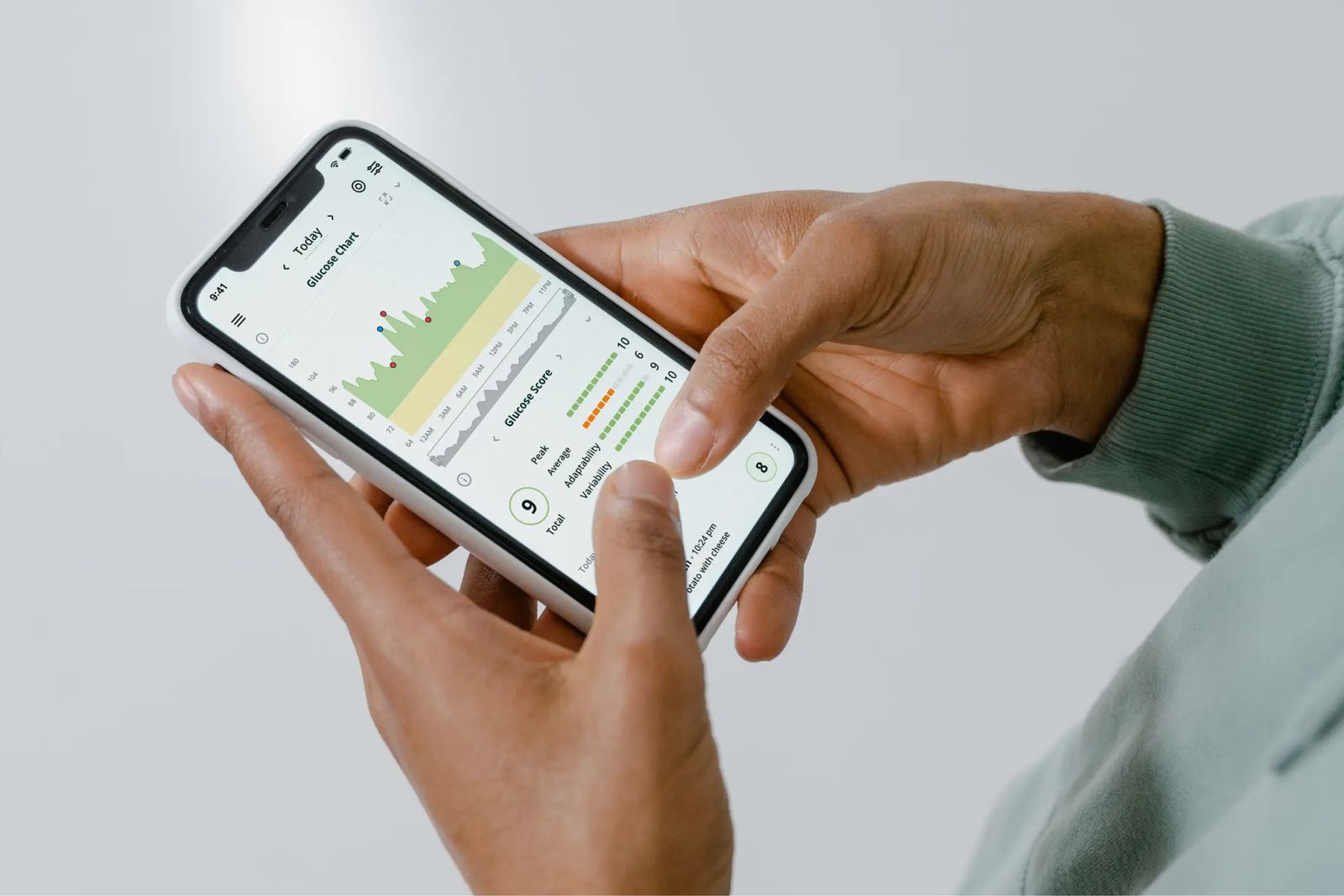
Your Patients Are Reading Their Lab Results With AI Before You Call
Results now hit the portal the second they post, often before your team has looked. So patients ask ChatGPT what they mean. More than 1 in 5 now do it, and nearly half never tell you. Here is how to reach your patient before the chatbot does.
Read the article →
Big Hospitals Are Vetting Their AI. Your Practice Should Too.
Mount Sinai and Denver Health just joined a coalition that pays independent firms to test and monitor the AI they use. Your practice will never hire an auditor, but you can borrow the mindset. Here is responsible AI for a practice your size, in plain English.
Read the article →
Does Your Medical Practice Need a Virtual Tour?
A Google virtual tour lets nervous patients walk through your office before they ever book, and Google says it doubles interest in your listing. Here is when a tour is worth it for a practice, what it costs, and when to skip it.
Read the article →
Is Your Medical Practice Contact Form HIPAA Compliant?
That simple contact form on your website may be emailing patient health details in plain text. Here is what actually makes a form HIPAA compliant, the real cost of getting it wrong, and how to check yours in ten minutes.
Read the article →
Should Your Medical Practice Offer a New Patient Special?
A new patient special can fill your schedule or pack it with one time deal seekers who never return. Here is what the data says about discounts, patient value, and how to build an offer that keeps patients.
Read the article →
Is Wix or Squarespace Good for a Medical Practice Website?
You can build your practice site on Wix or Squarespace, but their forms are not HIPAA compliant by default and speed and local SEO hit a ceiling. Here is when a builder is fine and when it starts costing you patients.
Read the article →
Should You Bid on Competitors' Names in Google Ads?
A rival clinic is running ads on your practice name. Should you fire back and bid on theirs? Here is the honest math on competitor bidding, the legal line you cannot cross, and where that budget actually books more patients.
Read the article →
Can You Share Patient Reviews on Social Media?
You got a five star review and you want to post it everywhere. But you work in healthcare. Here is the honest answer on whether you can share patient reviews, and how to do it without stepping on HIPAA or the FTC.
Read the article →
Are Patients Checking Reddit Before They Book Your Practice?
Before the call, a lot of patients type your name plus reddit and read what strangers say. In 2026 researchers even mined Reddit health forums for insight. Here is why patients trust those threads and how to get ahead of it.
Read the article →
Do Patients Actually Read Your Medical Practice Website?
They don't. People read about 20% of the words on a page and judge the look in 50 milliseconds. Your patients skim and leave fast. Here is what the research says they really do, and how to build a site that wins the scanner.
Read the article →
AI Scribes Are a Malpractice Risk. Here Is Where AI Actually Belongs.
Experts just warned that ambient AI scribes can slip an error into the chart, and the clinician who signs it owns the liability. It is a fair warning, and a useful map for where AI is safe in your practice and where it is not.
Read the article →
Meta Made Healthcare Ads Harder in 2026. Here Is What Changed.
Same ads, same budget, but slower leads and a higher cost per booking? Meta reworked the rules for healthcare advertisers this year and now limits how you optimize for appointment bookings. Here is what changed and how to keep patients coming.
Read the article →
Do Telehealth Appointments Really Have More No Shows?
Every owner assumes a video visit is easy to skip. But across millions of appointments, telehealth got missed less, not more. One study found a 23% drop. Here is why virtual visits keep patients, and the catch to watch for.
Read the article →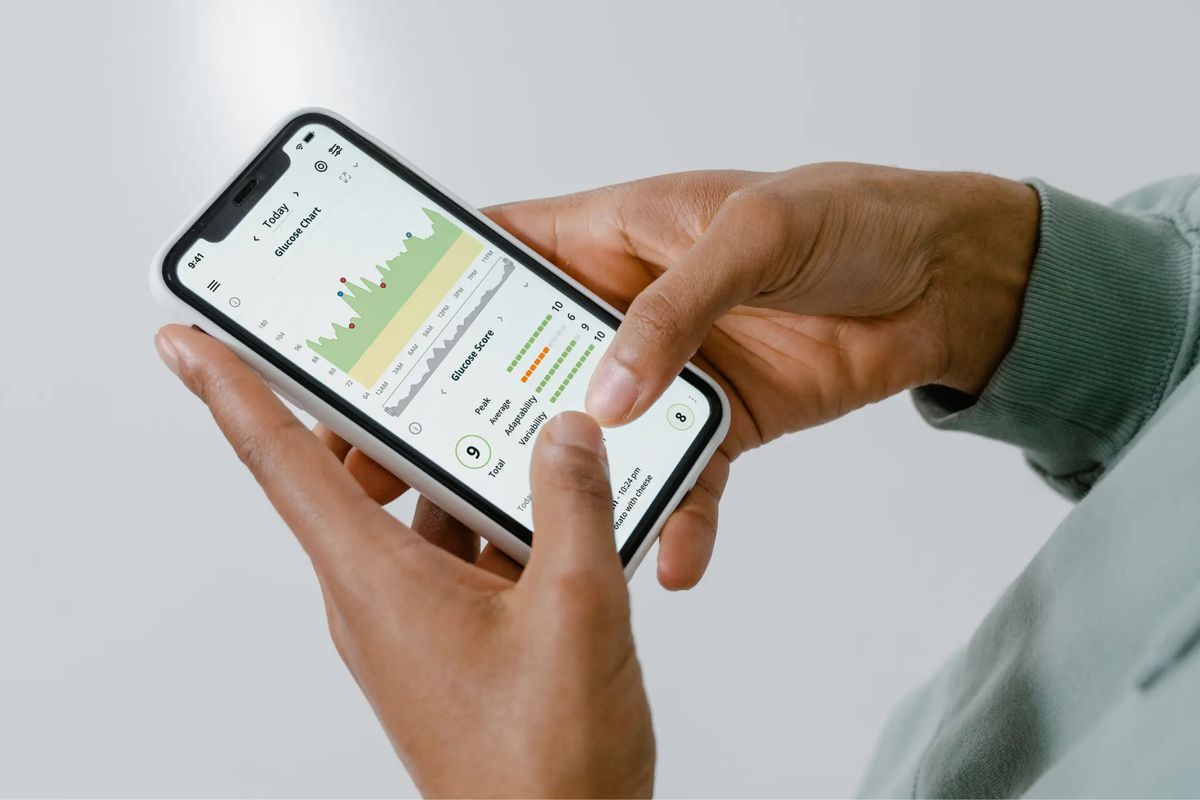
Your Next Patient Did Their Homework Before They Called You
A 2026 report of 10,000 people found 42% research their symptoms online before they ever call, and most trust AI health info nearly as much as their doctor. The moment they choose you now happens before the phone rings.
Read the article →
Should You Ask Patients How They Heard About You?
Your intake forms say everyone found you on Google. So you cut the ads, and new patients dry up. Why patients answer wrong, and what to pair the question with so you fund what actually works.
Read the article →
Why Is Your Practice Getting Fake Appointment Requests?
Junk booking requests with garbage names and dead phone numbers are flooding front desks. You are not hacked. More than half the web is now bots. Why they find your form and how to shut them out.
Read the article →
Is Your Website Hiding Your Services From Google?
Your site can look beautiful and still be invisible. When your services are baked into a graphic, Google and ChatGPT cannot read a word of them. The two minute test and the free fix.
Read the article →
Do Patients Book on Their Phone or Their Computer?
The phone, and it is not close. Yet many practice sites are still built for a desktop nobody uses at the moment of booking. What the data says, and the short fix list.
Read the article →
How Often Should You Post on Google Business Profile?
Weekly is the floor, two to three posts a week is the sweet spot, and consistency beats a burst. What the 2026 data says for a medical practice, plus a five minute routine.
Read the article →
How Do You Get Your Practice Recommended by AI?
In 2026 AI passed Google as the top way patients pick a doctor, 36 percent versus 34. You cannot buy that spot inside ChatGPT. Here is the honest playbook to earn it, with fresh data.
Read the article →
Should Your Medical Practice Use AI Generated Images?
AI will make you a fake doctor, a fake patient, a spotless office in seconds. In healthcare, that fake photo costs you trust, and some of it is now illegal. New 2024 data on where the line really is.
Read the article →
Are Your Patients Using AI Instead of Therapy?
1 in 3 adults now use AI chatbots for health, and most who ask about mental health never follow up with a real provider. The threat is not that AI does your job. It is that the patient never books. Here is what to do.
Read the article →
Do Patients Care If You Reply to Reviews?
A fresh 2026 survey found the fastest rising trust signal for a practice is not your star rating. It is whether you reply to reviews, and how. Two in three patients now read the replies. Here is how to answer so it books patients.
Read the article →
Why Patients Scroll Past Your Practice on Google
You can rank on page one and still lose the patient. They read three little lines in the search result and decide in about two seconds. Most owners never wrote those lines. Here is how to win the click.
Read the article →
When Do Patients Actually Book Appointments?
Not during your office hours. Booking data shows 40 to 60% of appointments happen after hours, at night and on weekends, when your phone rolls to voicemail. Here is how to be open when patients are actually ready.
Read the article →
Is AI Giving Your Patients the Wrong Info About Your Practice?
Nearly half of patients now use AI to find a doctor, and two thirds have hit wrong info: bad address, old hours, wrong insurance. The scary part is you never see it. Here is how to control what AI says about you.
Read the article →
Can You See How Patients Actually Find You on Google?
Google keeps a free report on exactly how patients find your practice, and in 2026 it even shows how often AI recommended you. Almost no owner has opened it. Here is how to read it, in plain English.
Read the article →
AI Will Not Save a Practice Stuck on 1990s Technology
Everyone wants to add AI. But AI is a layer, not a foundation. Put it on a slow website with no online booking and you just automate the leak. Here is what to fix first, before you buy the robot.
Read the article →
Do You Actually Know Which Marketing Brings You Patients?
A 2026 report found only 1 percent of healthcare marketers can tie most of their spend to real patients. If you cannot name where your last ten patients came from, here is how to fix it without a data science degree.
Read the article →
How to Market a Speech Therapy Practice
Nearly 1 in 12 kids has a speech or language issue, but only about half get care. Demand is booming, yet most practices still wait on referrals. Here is how to get found by the parents already searching for you.
Read the article →
When Should Med Spas Plan Holiday and Black Friday Marketing?
For a med spa, Q4 is the biggest quarter of the year, and the winners start in September. Ad costs peak on Cyber Monday and treatments need weeks to settle. Here is the month by month plan that books December before it fills.
Read the article →
Are Older Patients Using AI to Find Doctors?
Everyone assumes AI search is a young person thing. New 2026 data says the opposite: 64 percent of patients aged 45 to 60 use AI to find a doctor, more than any younger group. Why that flips the script for your practice.
Read the article →
Why Weight Loss Clinics Lose GLP-1 Patients
The GLP-1 boom made new patients easy. It also hid a leak: about half stop within a year and most regain the weight. Here is why these clinics churn patients so fast, and the retention plan that keeps them.
Read the article →
Should a Medical Practice Use a Phone Menu?
A phone menu keeps calls organized, but 88% of callers say they would rather talk to a person. Here is when an auto attendant helps a practice and when it silently sends new patients to a competitor.
Read the article →
What Patients Think When Your Last Post Was Months Ago
A dead social media page can hurt more than no page at all. 74% of people check your profiles before booking, and a feed frozen a year ago reads like a business that closed. Here is the fix.
Read the article →
What Time of Day Do Patients Actually Call Your Practice?
Patient calls spike Monday mornings, at lunch, and late afternoon, and nearly 41% come in after hours. The busiest windows are the ones you miss most. Here is the data, and how to catch the rush.
Read the article →
Do Your Practice Memberships Follow the New Auto Renewal Rules?
The click to cancel rule got struck down, but state laws still bind your med spa, concierge, or membership program. What actually changed in 2026, and why making the exit easy is a growth move, not just compliance.
Read the article →
Should Your Doctors Share Personal Stories Online?
A 2026 study ties physician self disclosure to more new patients, and patients keep choosing the doctor who feels like a real person. Here is what to share, what to keep private, and why the human side books the visit.
Read the article →
Google Buried the Call Button on Your Business Profile. Now What?
For years a lot of practices got most of their new patient calls from one green button on Google. In 2026 Google moved it, and some businesses report calls down 50% or more. Here is how to recover the bookings.
Read the article →
Meta Tightened Its Healthcare Ad Rules in 2026. Here Is How to Keep Your Ads Running.
Facebook and Instagram did not ban healthcare ads this year, they changed how you run them. 73% of health advertisers hit a rejection. Here is what changed and how to stay live while others get shut off.
Read the article →
How to Stop Playing Phone Tag With Patients
They call at lunch and get voicemail. You call back and get theirs. 85% of patients who can't reach you on the first try never call again. Here is how to end the back and forth that drains your schedule.
Read the article →
What Is EEAT, and Does It Really Matter for Your Medical Website?
An SEO report flagged a doctor's site for "weak EEAT" and she had no idea what it meant. On a health website it matters more than almost anywhere. Here is Google's trust test for medical pages, in plain English.
Read the article →
Google Ads Extensions for Medical Practices
Your competitor's ad has links, a call button, and an address. Yours is two plain lines. Same budget, different size. Extensions can lift clicks 10 to 15 percent at no extra cost, and most practices leave them blank.
Read the article →
Why Is My Medical Practice's Instagram Reach So Low?
Your posts reach a fraction of your followers, and it feels broken. It is not. The average post now hits about 4 percent of followers, down from 15 percent in 2020. Here is what changed and how to get seen again.
Read the article →
Med Spa Marketing in a Safety Crackdown
The med spa boom brought new rules and consumer warnings, and patients now vet credentials before they book. Here is how to make safety and real oversight your loudest marketing message.
Read the article →
How to Market an Invisalign Practice
Clear aligner demand is surging and the biggest mail order brand just vanished. Here is how patients really shop for Invisalign now, and the marketing that turns a scroll into a booked consultation.
Read the article →
When Is the Best Time to Send Appointment Reminders?
Too early and patients forget. Too late and they can't move their day around. The data points to a text 24 to 48 hours out, and it can cut no shows by up to 38 percent. Here is the timing that fills empty chairs.
Read the article →
How to Name a Medical Practice So Patients Remember and Google Finds You
Your name is the first marketing decision you make, and most owners treat it like paperwork. How to pick one patients remember and Google ranks, plus the keyword trap that gets listings suspended.
Read the article →
Someone Left a One Star Review With No Words. Now What?
No text, no name you know, and your rating just dropped. Google will not delete a blank one star for being blank, but you can reply the HIPAA safe way and outweigh it. Here is the honest playbook.
Read the article →
Should Your Practice Send Patient Recall Reminders?
A third of your patients slip through the cracks and drift away, yet 35 to 40% rebook the moment you reach out. Recall reminders are the cheapest growth you own. Here is when to send them and how to make the system run itself.
Read the article →
How to Market a Med Spa in 2026 (Without Wasting Money)
There are more than 11,000 med spas in a $24 billion market, and a new client costs $150 to $350 to win. Here is where the money actually works, from local search to social to the retention most owners ignore.
Read the article →
Can Patients Pay Their Bill Online at Your Practice?
91 percent of patients want to pay medical bills electronically, but 75 percent of practices still lean on paper. That gap slows your collections and pushes patients toward offices that make paying easy. Here is what to fix.
Read the article →
What Keywords Should Your Medical Practice Bid On in Google Ads?
Healthcare clicks average $5.64 and the typical account wastes 20 to 40 percent on the wrong searches. Here is how to pick keywords by patient intent, use match types right, and stop paying for people who will never book.
Read the article →
Is AI Showing Patients Wrong Info About Your Practice?
Nearly half of patients now use AI to find a doctor, and a 2026 survey found two thirds hit wrong hours, phone numbers, or insurance. They never call, so you never know. Here is why it happens and how to fix the sources.
Read the article →
Should a Medical Practice Double Book Appointments?
Overbooking to beat no shows feels smart until the afternoon everyone actually shows up. Here is what double booking really costs you in wait times and reviews, when it is defensible, and the smarter way to keep the calendar full.
Read the article →
How to Market a Rhinoplasty Practice
Nobody books a nose surgery the day they first think about it. Patients research for months, follow surgeons online, and study before and afters at midnight before they ever call. Here is how to win that slow, high stakes decision and become the surgeon they trust.
Read the article →
RCS Texting for Medical Practices: Why Your Patient Texts Are About to Change
Your reminder shows up as a gray bubble from a random number, right next to a scam text, so patients ignore it. RCS puts your name and logo on every message, and it is already on almost every phone. Here is what the shift from SMS means for no shows and trust.
Read the article →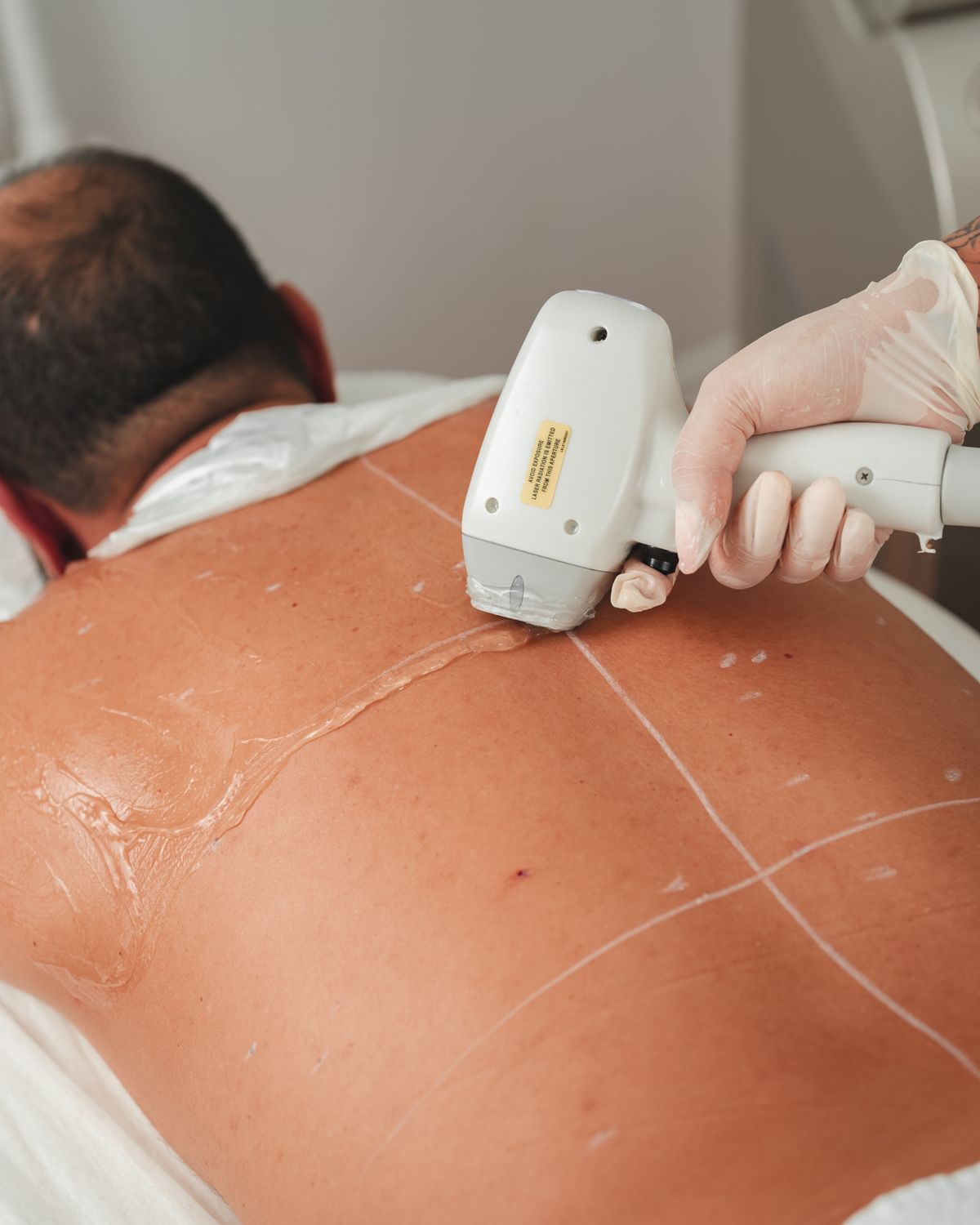
How to Market a Laser Hair Removal Clinic
People don't book laser hair removal in the summer with a tan. They book in the fall, so they're smooth by next swimsuit season. Most clinics market it exactly backwards. Here is how to catch the season, show your price and proof, and keep clients through the full series.
Read the article →
Do Trust Badges Actually Help a Medical Practice Website?
Some badges push a nervous patient to book. Others are decorative stickers that a careful patient reads as a red flag. The rule that sorts them: is it true, and can the patient check it? Here is the short list that earns its place on a health website.
Read the article →
Meta Just Gave Every Business an AI to Answer DMs. Should Your Practice Use It?
Since August 1, 2026, Meta Business Agent answers Instagram and Facebook messages 24/7 and even helps book. For a busy practice that sounds perfect, until you hit the healthcare catch: Meta will not sign a BAA. Here is where it helps and the line it cannot cross.
Read the article →
Should You Use AI to Reply to Your Google Reviews?
AI can answer 60 reviews in an evening. It can also confirm someone is your patient in public, the exact move that cost one dental office a HIPAA fine. Here is where AI genuinely helps, where it gets you in trouble, and the simple workflow that keeps replies fast, human, and safe.
Read the article →
What Patients Really Think About AI in Their Healthcare
Fresh Pew data settles the fear a lot of owners lose sleep over. Patients are not against AI. 72% just want to be told when it is used, and 46% have no idea if it already has been. That gap is your opening, not your risk. Here is how to talk about the tools you already use.
Read the article →
Do Patients Trust a Medical Website With Typos?
A typo, a dead button, a Not Secure warning. Small stuff to you, but patients grade it before they ever call, and never tell you why they left. A single spelling mistake can cut sales in half. Here is what small website errors really cost you, and how to fix yours.
Read the article →
Do Patients Read Your Negative Reviews Before Booking?
Yes, and most go hunting for the bad ones first. 84% of patients read reviews before booking and 40% have cancelled over them. Here is what your one and two star reviews really cost you, and how your reply can flip the story.
Read the article →
How to Market a TMJ Clinic That Patients Can Actually Find
Around 11 to 12 million US adults have jaw joint pain, and most have no idea a clinic like yours treats it. They search their symptoms, not the diagnosis. Here is the honest playbook to show up where they look and fill your calendar.
Read the article →
Why Real Doctors Beat Stock Photos for Your SEO
Patients now get answers from AI before they reach your site, and both Google and ChatGPT quote sources they can verify. A beautiful page full of stock models gives them nothing. Here is why naming your real doctors is the highest impact SEO fix you can make this year.
Read the article →
Does a Medical Practice Need a Mobile App?
A vendor quotes you forty thousand dollars for a branded app. Before you sign, look at the numbers: over 90% of apps are deleted within a month, and health apps are no exception. Here is when an app makes sense, and what actually books patients instead.
Read the article →
More Than Half of Patients Now Rule You Out Before They Ever Call You
A new 2026 report found 55% of patients have walked away from a doctor based on what they read online, up 15 points in a year. The decision happens in a sixty second search you never see. Here is where you lose it, and how to win it back.
Read the article →
Patients Say Yes to Treatment, Then Never Schedule It. Here Is Why
The average practice books just 45% of the treatment it recommends. The patient nods, promises to call, and vanishes. That gap between the exam room and the calendar is the most expensive leak owners never measure. Here is how to close it.
Read the article →
How to Market a Second Practice Location Without Hurting the First
Your new office opens invisible on Google, with zero reviews and a listing nobody can find. Your years of trust do not move down the road with you. Here is the playbook to make a second location rank and fill fast.
Read the article →
Patients Are Wary of AI. Here Is Where Your Practice Should Actually Use It
New Pew data: 60 percent of patients feel uneasy about AI in their care, yet a third already use AI chatbots on their own. The winning move is knowing which side of that line to stand on.
Read the article →
Should Your Website Say Book Now or Request an Appointment?
One button books the patient in thirty seconds. The other drops them into a phone queue and hopes they wait. Here is which one fills your schedule, and the honest cases where a request form still wins.
Read the article →
How Patients Find a New Doctor When They Move
Tens of millions of people move every year, and half put off finding a doctor. They do not walk the block, they Google it. Here is how new arrivals search and how to be the practice they pick.
Read the article →
Should You Post the Same Thing on Every Social Platform?
Copy pasting one post to Facebook, Instagram and TikTok at once feels efficient. It reaches almost nobody. With organic reach near 1 to 2 percent, here is how to reshape one idea so it works in every room.
Read the article →
Should a Medical Practice Try to Go Viral?
A competitor's reel hits 800,000 views and you feel behind. You are not. Most patients pick a doctor within 30 minutes of home, so viral reach to strangers books nobody. Here is the goal that actually fills a schedule.
Read the article →
Patients Just Started Trusting AI More Than a Referral to Pick a Doctor
A new 2026 report found that when people look for a new doctor, AI tools now edge out both Google and word of mouth as the top influence, 36 to 34 to 32 percent. Here is the data, and what your practice should do about it.
Read the article →
Instagram vs Google Business Profile: Which Wins for Your Practice?
You have time for one, maybe. So where does it go? The two do completely different jobs. One catches patients the moment they need care, the other makes them trust you first. Here is which one books patients, and how to split your time.
Read the article →
Should You Repost What Patients Post About Your Practice?
Your patients already tag you, review you, and share their results. That patient made content is the marketing people trust most, and it costs you nothing. But sharing it in healthcare has a HIPAA catch most practices miss. Here is how to use it the right way.
Read the article →
How to Market a GLP-1 Weight Loss Clinic in 2026
The cheap compounded shortcut is largely gone and the big telehealth brands stepped back, which leaves a wide open lane for local clinics. Here is the honest playbook to get found, earn trust, and keep the patients you win.
Read the article →
How Do You Make Your Medical Practice Stand Out When Everyone Offers the Same Thing?
A new patient compares about 21 providers before booking, and to them most practices blur together. Caring, experienced, patient centered, everyone says it. Here is how to find your real difference and put it where patients look.
Read the article →
Should Your Online Booking Show Real Openings, or a Request Form?
78 percent of patients want to book online, yet most who try get bounced to a phone number to finish. A request form is not real online booking. Here is why real openings win, and what to do if your system cannot show them yet.
Read the article →
How to Market a Pelvic Floor Therapy Clinic
Nearly 1 in 4 US women have a pelvic floor disorder, yet most never seek care. It may be the most needed care almost nobody talks about. Here is the honest playbook to get found and book the patients who have been waiting in silence.
Read the article →
Will Patients Switch Practices Just to Book Online?
Would someone really leave a good doctor because they had to call? The 2026 data says a lot of new patients quietly do. About 67 percent prefer to book online, and most younger patients will pick the practice that lets them. Here is the leak, and how to close it.
Read the article →
Your Practice's Digital Front Door: What Patients See Before They Book
By the time a new patient calls, they have already sized you up online. New 2026 data shows 75 percent will not book a doctor under 4 stars and 55 percent have skipped one over a review. Here is what your digital front door is and how to make it win the appointment.
Read the article →
How to Market a Wound Care Clinic
About 1 in 6 Medicare patients now live with a chronic wound, and the number keeps climbing. Yet many wound clinics are almost impossible to find online. Here is how to reach the patients who need you and the doctors who send them.
Read the article →
How to Market a Vasectomy Clinic
About 500,000 American men get a vasectomy every year, and demand jumped after 2022. Almost none ask a doctor first. They google it, alone, and decide who to trust in ten minutes. Here is how to make sure they find your clinic and feel safe enough to book.
Read the article →
Should You Hire an In House Marketer or a Marketing Agency?
One marketing hire costs closer to 100,000 dollars a year once you add benefits and tools, and still cannot cover ads, SEO, web, social, and design alone. Here is the honest math, the trap most owners fall into, and the hybrid setup that often wins.
Read the article →
Do Patients Want to Know When You Use AI?
A new Pew survey says 72% of patients want to be told when AI touches their care, even for booking a visit, yet most have no idea when it happens. Here is what the data means for your front desk and a simple, honest way to close the gap.
Read the article →
Why New Patients Flood In Every January (and How to Be Ready)
Insurance resets and fresh start energy send patients searching for care in the same two weeks. The practices that win January did the work in the fall. Here is why the surge happens and the playbook to catch it.
Read the article →
How Fast Should You Respond to Patient Reviews?
Two thirds of patients now say your review replies shape whether they trust you, up from 42% a year ago. So how fast do you need to answer, and what should it say? The honest playbook, HIPAA included.
Read the article →
What Does the Patient Journey Actually Look Like Now?
A new patient doesn't jump from "I need a doctor" to your front desk. They travel five stages, and most of it happens before you know they exist. Here is where practices lose them, and how to win each step.
Read the article →
Should Your Staff Post About Your Practice on Social Media?
Your brand account whispers. Your team could shout. Employee posts earn about 8x the engagement of brand posts, and patients trust a real person over a logo. Here is how to do it, HIPAA included.
Read the article →
Sleep Apnea Marketing: How to Reach the Patients CPAP Left Behind
About 30 million Americans have sleep apnea and roughly 80% are undiagnosed. Many who get diagnosed quit their CPAP. Here is how sleep clinics reach both groups.
Read the article →
Can You Run Before and After Ads on Facebook Now?
For years the fastest way to get a med spa or plastic surgery ad rejected was to show the transformation. That changed on July 22, 2026. Here is what you can run now, and where you can still get burned.
Read the article →
Does What Your Doctors Wear Change Whether Patients Trust You?
A study of 4,062 patients found the same doctor was trusted more in a white coat, most of all by older patients. But the first time someone sees what your doctor wears is now a photo on their phone. Here is what that means for your website and Google profile.
Read the article →
Should Each Doctor Have Their Own Page on Your Website?
Nobody books a practice. They book a person, then Google that person by name. If your doctors share one team page, an old directory owns that search instead of you. Here is why each provider needs their own page, and when a solo practice can skip it.
Read the article →
How to Ask a Patient for a Review (Without Sounding Pushy)
83% of people who get asked for a review actually leave one, yet most practices sit on five. The problem is how they ask. Here's the exact timing and text that works, plus the one mistake that can get your reviews deleted.
Read the article →
What Patients Complain About Most in Reviews
Fresh 2026 data shows the two biggest complaints patients leave aren't about your medicine at all. They tie at 52%: rude staff and feeling unheard. Here are the five that cost you new patients, and how to fix each one.
Read the article →
Patients Judge Your Website in Less Than a Second
Research puts a website's first impression at about 50 milliseconds, faster than a blink and before anyone reads a word. For a nervous patient, that split second decides whether they book or bounce. Here is what they judge, and a five second test you can run today.
Read the article →
How to See Exactly What Marketing Your Competitors Are Doing
The practice across town seems to be everywhere and you cannot figure out how. Most of it is public. Two free tools show every ad they run, and their own reviews and listing tell you the rest. Here is how to research a competitor without turning into a copy of them.
Read the article →
How to Write a Google Business Profile Description That Books Patients
It will not move you up the map, and stuffing it with keywords does nothing. But the description is the one box on your Google listing you fully control. Here is what it really does and how to write the 250 characters that turn a searcher into a booked patient.
Read the article →
How to Plan a Month of Social Media for Your Practice
Almost every practice starts strong on social, then quietly goes dark. It is not laziness, it is that nobody planned it. Here is a simple content calendar built on five post types you can batch in one sitting, so your account stays alive without stealing time from patient care.
Read the article →
Does a Click to Call Button Help a Medical Practice?
88% of health appointments are still booked by phone, and most patients are searching on a phone when they decide to call. If your number is not one tap away, they call the next office. Here is how to fix it, and why the button is useless if nobody answers.
Read the article →
When AI Tells Patients to Skip the Visit
New 2026 data says 39% of Gen Z and 34% of millennials would put off a doctor visit if AI called it low risk. Your competition for the schedule is now a chatbot. Here is how to stay the trusted next step.
Read the article →
Marketing AI to Patients: Does It Help or Hurt?
New Pew data says 60% of Americans are uncomfortable with AI in their own care, and the headlines are all AI denials and unproven devices. So should you brag about AI in your marketing? Sell the outcome, not the acronym.
Read the article →
Should Your Medical Practice Sell Products Online?
Retail can be 20% of a med spa's revenue at close to 40% margin, and patients who buy come back far more often. If you only sell at the front desk, your patients reorder on Amazon instead. Here is how to capture that sale.
Read the article →
Are You Texting Your Patients Too Much?
Texting works so well that practices overdo it. Then patients opt out, carriers flag your number, and you lose the reminder that fills your schedule. About 53% of unsubscribes blame frequency. Here is where the line sits.
Read the article →
Does Replying to Google Reviews Help You Rank?
You collect the reviews, then let them sit unanswered. That is a free ranking lever going to waste. Google says replies feed local SEO, and a Harvard study found responding lifts your star rating. Here is how to make it a 5 minute habit.
Read the article →
Should Your Medical Practice Run LinkedIn Ads?
Clicks run $6 to $9 in healthcare, and patients are not on LinkedIn thinking about their health. A money pit for booking visits, but gold for hiring, referrals and employer contracts. Here is how to tell which one you are doing.
Read the article →
Does Your Online Reputation Affect Hiring?
The best front desk hire in town googles you before her interview, same as patients do. 86% of job seekers read reviews first. The reputation that wins patients is the same one that wins staff.
Read the article →
How to Market a Regenerative Medicine Clinic
Demand is booming, but Google and Meta ban most stem cell and PRP ads overnight. Here is how the clinics that win get found, build trust, and turn expensive consults into booked treatments.
Read the article →
Star Rating vs Number of Reviews: Which Wins More Patients?
A 4.9 with 12 reviews loses to a 4.6 with 300. Rating gets you considered, review count and recency get you chosen. The real trade off, with data, and where to put your effort.
Read the article →
Why Do My Google Reviews Disappear?
You earned those reviews, then a few vanished overnight. Google pulled millions in 2026 and healthcare loses more than most. The real reasons, what comes back, and how to keep them.
Read the article →
Should Your Medical Practice Post for Health Awareness Months?
Everyone posts the ribbon and gets four likes. But awareness months are the one time patients are already searching for what you treat. How to turn that window into booked visits.
Read the article →
Should Your Medical Practice Post in Local Facebook Groups?
When a neighbor asks the town group who to see, is your practice one of the names that comes up? How to earn a spot in that thread, the HIPAA line you cannot cross, and where it goes wrong.
Read the article →
Is Your Lobby Tablet Hurting Your Google Reviews?
That review station at the front desk feels efficient, but Google's 2026 signals favor reviews written hours later, from home. Here is the simple switch that gets you more reviews that actually count.
Read the article →
Google Just Pulled Its AI Answers Off Some Health Searches. Now What?
After the AI box gave dangerous health advice, Google trimmed it back and leaned on real websites again. The lesson for practice owners is bigger than the news: own the source, not the box on top.
Read the article →
The Patients You Lose Before They Ever Call You
More than half of patients now walk away from a provider based on what they find online, and it never shows up in any report. Here is the 15 minute audit to see the silent leak and fix it.
Read the article →
Your Patients Track Their Own Health Now. Is Your Practice Ready?
About 1 in 5 US adults wear a smartwatch or tracker, and most say they would share the data with their doctor. Almost none do. The self tracking patient is your most valuable patient. Here is how to win them.
Read the article →
Should Your Medical Practice Offer Online Check In?
The waiting room is the part of a visit patients hate most, and nearly a third have walked out over a long wait. Online check in moves the paperwork to a phone before they arrive. Here is when it is worth it.
Read the article →
Why Your Medical Practice Blog Isn't Showing Up on Google
You publish and nothing happens. Health is a Your Money or Your Life topic, so Google judges it harder, and in 2026 it rewards a named clinician and real sources over generic filler. Here is what to fix.
Read the article →
Patient Communication Just Became AI's Next Gold Rush
An industry report named patient communication healthcare AI's next growth category. Most of the money chases giant hospitals. For a small practice the wins are simpler, and available now.
Read the article →
How Fast Should You Respond to a New Patient Lead?
Respond in 5 minutes instead of 30 and you are 21x more likely to reach the patient (MIT study). Most practices take hours. Whoever calls back first usually wins the booking.
Read the article →
Would Patients Leave Their Insurance Network to See You?
Nearly half of patients now say they would go out of network for a provider with better online reviews. A decade ago it was a quarter. Your reputation is bigger than your insurance list.
Read the article →
How to Get Your First Patients When You Open a New Practice
Empty schedule, zero reviews, and Google has never heard of you. That is day one for everyone. Here is the first 90 day plan that actually books patients, in the order that matters.
Read the article →
Health Giants Will Spend $26 Billion on Digital Ads. You Still Win Locally.
Healthcare and pharma are pouring a record $26.2 billion into digital ads in 2026. You cannot outspend a hospital system, and you do not have to. Here is where a small local practice actually wins the patient.
Read the article →
Is Meta Verified Worth It for a Medical Practice?
A blue checkmark on Facebook and Instagram costs about 15 dollars a month now. Here is what Meta Verified actually buys a practice, the impersonation problem it solves, and when it is smart to pay for.
Read the article →
How to Market an Emergency Dental Practice
A tooth cracks on a Saturday and the patient calls whoever they can reach first. Emergency dental marketing is really about being that practice. Here is how to win the near me search, load fast, and answer every call.
Read the article →
Do Patients Trust AI Scribes in the Exam Room?
A third of providers already use an AI tool that listens and writes the visit note. Patients are mostly fine with it, until they find out after the fact. Here is what the data says and how to add AI without losing trust.
Read the article →
Should My Practice Have a Page for Each Town It Serves?
Your website names your own town and nothing else, so patients one suburb over never find you and book closer to home. Local landing pages fix that. Here is when they work, when they backfire, and how to build them right.
Read the article →
AI Is Denying Care in 6 States. Patients Now Eye Your AI Too
A Medicare AI is delaying and denying care in 6 states, and patients are reading about it. That fear follows them to your front desk. Here is why it is your problem, and how to use AI so it builds trust instead of draining it.
Read the article →
Do Instagram Stories Work for Medical Practices?
Everyone chases Reels, but Stories reach the people already following you, the ones closest to booking. Meta says 500 million accounts use Stories every day. Here is what they really do for a practice, and the one feature that turns a Story into a booked patient.
Read the article →
Which Patients Actually Use AI to Find a Doctor?
Everyone assumes it is the young ones. New 2026 data says the opposite: 64% of patients aged 45 to 60 use AI to research doctors, versus just 28% of Gen Z. The patients with insurance and real health problems are letting a chatbot make the shortlist. Is your practice in the answer?
Read the article →
How Recent Do Your Google Reviews Really Need to Be?
You collected 200 five star reviews and treated it like a finished project. But patients check the date on your newest one, and 32% only trust reviews from the last two weeks. Here is why a steady trickle beats a big old pile, and how fresh yours really need to be.
Read the article →
Why Does My Practice Rank #1 for Me but Not for Patients?
You search your own practice and you are right at the top, so marketing must be working. But that is the one search Google rigs in your favor. Patients across town see a different list built on distance, relevance and prominence. Here is how to see what they see and fix it.
Read the article →
Should You Let Patients Reschedule and Cancel Online?
Most owners lock rescheduling behind a phone call to protect the calendar. It backfires: the patient who cannot reach you does not keep the visit, they just no show. Online booked visits no show at 1.8% versus 5.9% by phone. Here is how to open it up without losing control.
Read the article →
Does an AI Receptionist Actually Connect to Your Scheduling System?
Before you buy an AI phone tool, ask one thing: does it book the patient into your calendar on the call, or just take a message your front desk chases in the morning? That gap is everything. Here are the three levels of integration and the questions to ask before you sign.
Read the article →
Should Your Medical Practice Offer Weekend and Evening Appointments?
Your patients work when you work, so the visit gets pushed and they book with whoever could see them Saturday. 43% of appointments now happen after office hours. Here is the honest case for extended hours, when they pay off, and how to catch the demand without burning out your team.
Read the article →
How Much Website Traffic Should a Medical Practice Get?
Is your website traffic normal? The honest answer surprises most owners. More than half of local business sites get under 500 visits a month. Here is what real traffic looks like for a practice, and why booked patients matter far more than the number on your traffic chart.
Read the article →
Text Message Marketing for Medical Practices
Patients open almost every text you send, which makes it the most powerful and most dangerous channel your practice owns. Here is how patient texting fills a schedule, the consent rules that keep you out of a lawsuit, and the line between a text patients love and one that gets you fined 500 dollars a message.
Read the article →
Is a Perfect 5 Star Rating Bad for a Medical Practice?
Chasing a spotless 5.0 feels obvious, but the research says patients trust a slightly lower rating more. Buying trust peaks around 4.2 to 4.7 stars, and a few honest reviews book more patients than a wall of perfect ones. Here is what to aim for.
Read the article →
How to Market a Body Contouring Clinic
Body sculpting is the fastest growing service in aesthetics, and 30 million GLP-1 patients just became a brand new audience for loose skin and stubborn fat. Here is how to reach them, win local search, and turn consults into booked treatment plans.
Read the article →
What Percentage of Callers Actually Book an Appointment?
You pay to make the phone ring, then the average practice books just 35 to 45 percent of those new patient calls. Here is why so many callers slip away, and how to fix the leak between a ringing phone and a booked visit.
Read the article →
Does Nextdoor Work for Medical Practices?
Every week a neighbor asks Nextdoor for a good doctor and gets a dozen replies in an hour. It reaches 1 in 3 US households and runs on recommendations. Here is where it pays off for a practice, and where it quietly wastes your time.
Read the article →
Are You Booking New Patients Too Far Out?
Reminder texts and fees only go so far. The bigger no show driver is how far out you book people. Online booked visits no show 1.8 percent vs 5.9 percent offline. Here is why the wait creates ghosts, and how to close the gap.
Read the article →
How Much Does an AI Receptionist Cost for a Medical Practice?
Most practices pay 300 to 900 a month, a fraction of a front desk hire. But the sticker price is never the real price. Here is the 2026 math, the fees vendors hide, and the HIPAA question you have to ask before you sign.
Read the article →
Why Does My Google Ads Budget Run Out So Fast?
You set a daily budget and it is gone by noon, but your phone did not ring more. Google can spend up to twice your daily budget, and broad match burns the rest on searches that never book. Here is where the money really goes.
Read the article →
Patient Communication Is Where Healthcare AI Grows Next
The first wave of healthcare AI went into the exam room with scribes and copilots. The next one is the part patients actually feel: the call that rings out, the text that sits unread. For a small practice, that matters more.
Read the article →
Should You Put Prices in Your Google Ads?
Leaving the price out feels safer. But a healthcare click costs close to ten dollars now, so every price shopper who clicks and bounces is money gone. A number in the ad filters them out. Here is when to show it.
Read the article →
Should You Pause Your Google Ads When Your Schedule Is Full?
Booked out feels like the right time to switch off the ads. Then a slow week hits, you restart, and the same campaign costs more per patient. Pausing does not save the spend, it defers it. Here is the smarter move.
Read the article →
Should Your Medical Practice Use Trending Audio?
A med spa copied a viral Reel, hit song and all, and woke up to muted audio and dead reach. Business accounts play by different music rules. Here is how to use trending sound the smart way.
Read the article →
Is Your Google Business Profile Going Stale?
A dentist slid from the top of Google to page 2 without changing a thing. That was the problem. In 2026 Google rewards active listings and lets idle ones drift. Here is how to keep yours alive.
Read the article →
Should Your Medical Practice Advertise on Streaming TV?
A rep pitches you ads on Hulu and Roku, aimed at homes near your clinic. The deck looks amazing. But can you trace one patient back to it? Here is the honest math on streaming TV before you sign.
Read the article →
Do Patients Trust Google's AI Overview More Than Your Reviews?
A patient searches for your specialty and a gray AI box answers before they reach a single practice. New 2026 data says patients trust that box more than the reviews, the map pack, or the ads. And you cannot buy your way in.
Read the article →
How to Know if Your Marketing Is Actually Making Money
Ask most owners how many patients their marketing booked last month and the room goes quiet. It comes down to one short formula and two honest numbers most practices never write down. Here is how to stop guessing.
Read the article →
Will Patients Hang Up on an AI Receptionist?
Owners fear patients will reject a robot on the phone. But Pew found the wariness is about clinical AI, not booking a cleaning. The real rival isn't your best receptionist, it's the voicemail at 7pm most callers already hang up on.
Read the article →
Should the Doctor's Face Be in Your Practice's Ads?
A clean stock photo feels safe. It is also why your ad gets scrolled past. People judge a face in a tenth of a second, and a 2026 study found real people beat stock photos for clicks. Here is how to use yours, no film crew needed.
Read the article →
Can a Medical Practice Post Patient Photos on Social Media?
A happy patient photo feels like the best free marketing you own. Without a written HIPAA release it can trigger a six figure fine. Here is exactly what you can post, what needs a signature, and how to do it right.
Read the article →
Is Your Practice Number Showing Up as Spam Likely?
Your reminders and callbacks keep vanishing and no shows are creeping up. Often the culprit is a red Spam Likely tag stuck to your number. Here is how legit practices get flagged, how to check your line, and how to get clean.
Read the article →
What to Put in Your Medical Practice Instagram Bio
A patient checks your Instagram before they book, and your bio is the first thing they read. You get about 7 seconds and 150 characters. Here is the exact recipe, and the one link change that turns a curious visitor into an appointment.
Read the article →
Should Your Practice Advertise One Service or All of Them?
Putting your whole menu into one ad feels safe, but the more you show a stranger, the less they do. A famous jam study explains why one focused offer books more patients than nine at once.
Read the article →
Should Your Practice Bid on Its Own Name in Google Ads?
Paying Google for clicks on your own practice name feels like buying traffic you already have. A famous eBay study says it often is. But there is one case where skipping it hands patients to a competitor.
Read the article →
Should Your Medical Practice Host a Patient Appreciation Event?
Winning a new patient now costs 5 to 7 times more than keeping one you already have. A warm event is one of the cheapest ways to keep them, if you run it right. Here is the honest math and the playbook.
Read the article →
What Is Local SEO for Medical Practices?
A patient in your town searches Google and picks one of the first practices they see. Local SEO decides if that practice is yours. What it means, in plain English, and why it now beats referrals.
Read the article →
Should Your Practice Hire a National Marketing Agency?
A new agency just launched nationwide to grow dental and medical practices. Big and national is not the same as good. The five questions to ask before you sign, and why local healthcare rewards focus over scale.
Read the article →
Should Your Medical Practice Use AI to Reply to Google Reviews?
AI can draft a review reply in five seconds. But a generic auto reply, or one that confirms someone is your patient, is a HIPAA landmine that cost one dental office $10,000. Where AI genuinely helps on reviews, and the exact line it must never cross.
Read the article →
How to Market a Naturopathic Practice
Insurance sends you no one, and most patients pay out of pocket, so your growth rests on being found and trusted before anyone calls. An honest playbook: local SEO, content that proves your expertise, a website that converts, and the retention that pays.
Read the article →
How Often Should You Update Your Practice Website?
Most practices treat a website like a billboard: put it up once, forget it. Meanwhile it greets every new patient with a retired doctor and last year's hours. Here is a realistic update schedule, and why a neglected site loses patients before they call.
Read the article →
Does Your Practice Have Duplicate Google Listings?
One extra Google listing for the same practice quietly splits your reviews in half, splits your ranking in half, and sometimes sends patients to a dead number. Here is why healthcare gets hit hardest, and how to clean it up.
Read the article →
How to Market a Peptide Therapy Clinic When the Ad Rules Keep Changing
Peptide therapy is one of the hottest cash pay services in wellness, and the one where a single policy update from Google, Meta, or the FDA can wipe out your patient flow. Here is how to build a patient flow you actually own.
Read the article →
Is the Facebook Pixel HIPAA Compliant for Medical Practices?
That tracking snippet on your website is how Meta measures your ads. It is also how patient data has ended up with Facebook without anyone agreeing to it. The honest answer for owners, the lawsuits that made it real, and how to track ads safely.
Read the article →
How to Market a Botox Clinic in a Crowded Local Market
Botox is the most requested cosmetic treatment in the country, which is why there is a clinic on every corner. The treatment no longer wins. Here is the real playbook for filling your injector's schedule without racing to the bottom on price.
Read the article →
Why Do Patients Switch Doctors? What the 2026 Data Shows
Nearly 6 in 10 patients say they are open to switching doctors this year, and reviews plus AI now drive the choice. Here is what the fresh 2026 data reveals, and the simple fundamentals that keep the patients you already earned.
Read the article →
How Many Times Does a Patient See You Before They Book?
Patients almost never book on the first look. More than half read six or more reviews and check several sources before they call. Here is the real decision journey, and how to show up at every step so you win the ones your competitors lose in the gaps.
Read the article →
Should Your Medical Practice Add an AI Symptom Checker?
Symptom checkers get the top diagnosis right about a third of the time, and your name is on the screen when they miss. Here is the honest case against a diagnosis bot, and the smarter tool that turns a midnight question into a booked visit.
Read the article →
What to Do When a Patient No Shows
A missed appointment costs the average practice around $200, and most offices just mark it and move on. Here is the same day recovery playbook that rebooks the patient and fills the empty chair.
Read the article →
How to Market to Patients Who Met Their Deductible
Once a patient meets their deductible, covered care can cost them almost nothing until it resets January 1. That is why Q4 fills up. Here is how to reach those patients before a competitor does.
Read the article →
Do Patients Prefer a Call or a Text From Your Practice?
About 85% of patients say they would rather text than call. But a phone call still wins the one moment that turns a stranger into a patient. Here is when to use each, backed by real numbers.
Read the article →
What a New Patient Hears When They Call Your Front Desk
Call your own office like a new patient and you will learn more than a month of reports. 30% of patients pick a new provider in a year, and most blame the front desk, not the doctor. Here is what to test.
Read the article →
Should You Ask for a Social Security Number to Book an Appointment?
A nosy booking form is one of the quietest ways a practice loses new patients. Nearly 30% of people quit a form over privacy. Here is what to collect at booking, what to skip, and why.
Read the article →
How to Market an Addiction Treatment Center Without Wasting Budget
Rehab is one of the most expensive and most heavily gated categories in marketing. You need LegitScript approval just to run ads, and some clicks top $180. Here is what actually fills beds, with real data and no hype.
Read the article →
Do AI Patient Acquisition Courses Actually Work for Plastic Surgeons?
A media company just launched an AI patient acquisition masterclass for plastic surgeons. A course teaches the recipe. It does not cook dinner. Here is when a masterclass helps and when a busy operating surgeon needs a team that does the work.
Read the article →
Does Bing Actually Matter for Medical Practices?
Everyone laughs at Bing, then skips it. But 1 in 6 US desktop searches happen there, its users skew older and higher income, and it now feeds ChatGPT and Copilot answers. Here is when the free listing is worth 30 minutes of your time.
Read the article →
Should You Let AI Write Your Medical Practice's Social Media Posts?
ChatGPT can spit out 30 captions in 12 seconds. But only 7% of people trust a brand more for using AI, and 31% trust it less. In healthcare, trust is the whole sale. Here is when AI helps your social and when it quietly costs you patients.
Read the article →
How Many Clicks Should It Take a Patient to Book an Appointment?
A patient already chose you. Then your booking form makes them quit. Most sites bury booking 4 or 5 steps deep. Here is the number to aim for, what the research really says, and how to cut the friction that costs you patients.
Read the article →
Your Patients Are Self Diagnosing With AI Before They Ever Book
One in four US adults now use AI for health, 59 percent check symptoms before a visit, and 14 million skipped a visit entirely. Here is what the newest data means for your practice, and how to be the one they find and book.
Read the article →
Google Ads vs SEO for Medical Practices: Which Should You Invest In?
Pay for patients now with ads at about 5 dollars a click, or build slow, cheaper traffic with SEO over 6 to 12 months? Here is the honest math on both, with real 2026 numbers, and why most practices need both.
Read the article →
Do Patients Prefer a Male or Female Doctor?
Most patients have no preference. A real share want a female provider for sensitive care. And gender rarely beats reviews and easy booking. Here is what the research says, and the smarter question it points you toward.
Read the article →
Does Website Speed Affect Patient Bookings?
A slow website is the most polite way to turn away a patient. 53% of mobile visitors leave a page that takes over 3 seconds to load, and you never see them go. Here is what speed really costs your practice, with the data, and how to fix it cheaply.
Read the article →
How Much Does a Missed Call Cost a Medical Practice?
A missed call never shows up on a report, so it feels free. It is the most expensive free thing in your practice. Small practices miss up to 30% of calls, and most callers who hit voicemail never call back. Here is the real dollar math, and how to stop the leak.
Read the article →
Big Hospitals Are Buying Enterprise AI. Where Does That Leave Your Practice?
Doximity called 2026 its AI investment year and 75% of health systems now use or plan an AI platform. If you run an independent practice with no enterprise budget, here is the part of the AI race you can actually win, the front door where new patients are lost.
Read the article →
Should Your Medical Practice Text or Email Patients?
Patients read your text in about 90 seconds. Your email might sit unopened for a week. Texts get a 98% open rate versus around 20% for email, and reminders cut no shows by up to 38%. Here is when to text, when to email, and how to keep both HIPAA safe.
Read the article →
Should I Use My Personal Phone for My Medical Practice?
Giving patients your cell number feels free and friendly. Then it rings out in the exam room, your privacy leaks, and texting turns into a HIPAA headache. Small practices miss up to 30% of calls. Here is what to do instead.
Read the article →
Does Your Medical Practice Need an llms.txt File?
A vendor says this little file will make ChatGPT recommend your practice. Then Google went on the record: it does nothing for rankings, and no major AI reads it yet. Here is the honest truth and what actually gets you cited by AI.
Read the article →
Do Your Business Listings All Need to Match?
One address on Google, another on Yelp, an old phone on Healthgrades. It feels harmless, but Google reads it as doubt and ranks a competitor instead. Here is why matching your listings is the cheapest win in local search.
Read the article →
Should Therapists Rely on Psychology Today to Get Clients?
Thirty bucks a month, a profile goes up, clients trickle in. It works, until one month it does not. Here is the honest look at what you are really renting from a directory, and the client pipeline you should own instead.
Read the article →
Should You Fill Out the Services Section on Your Google Business Profile?
Google knows what you are. Does it know what you actually do? The Services box on your profile is free, takes about an hour, and helps you match the exact treatments patients type. Most practices leave it empty. Here is how to use it.
Read the article →
Why Don't Patients Leave Reviews? (And How to Fix It)
You give great care, so why does the clinic across the street have 300 reviews and you have 19? It is not that your patients dislike you. A good visit just does not spark anyone to post, while one upset person types a novel. Here is the simple fix.
Read the article →
Does Your Medical Practice Website Need a Privacy Policy?
Scroll to the bottom of your site. Is there a real Privacy Policy link, or a template that still mentions shipping? That small page now decides whether your Google and Meta ads run, and new state laws let patients sue over it. Here is what you actually need.
Read the article →
Is Your Medical Practice Website Secure?
Open your site on your phone and look at the top. A padlock, or the words Not Secure? Over 95% of the web is encrypted now, so a flagged site loses patients and rankings. What the warning means and how to fix it, usually for free.
Read the article →
Should Each Doctor Have Their Own Website Page?
84% of patients research a provider before booking, and many search the doctor by name first. If you have no page for them, a directory wins that search. Here is the case for a real page per provider, and when to skip it.
Read the article →
Should Your Practice Answer Medical Questions on Social Media?
36% of Americans get health info from social media and only 7% call it accurate. If a real clinician stays silent, worse voices fill the gap. How to answer questions safely, stay inside HIPAA, and build trust.
Read the article →
Do Social Media Followers Become Patients?
A med spa had 11,000 followers and an empty schedule. The average Instagram post now reaches under 4% of your own followers. Why a big number books almost nobody, and what actually turns attention into visits.
Read the article →
Should Your Medical Practice Use Facebook Lead Forms?
Cheap, easy patient leads that one practice booked at 3%. The leads weren't junk, they were perishable. When Facebook lead forms work, the HIPAA line you can't cross, and why speed to lead decides everything.
Read the article →
Should the Doctor Be the Face of Your Practice Online?
Owners want a clean brand. Patients want a human they trust. 92% read a clinician bio and look for a real face before booking. Here is when the doctor should be on camera, when they should not, and how to do it without the cringe.
Read the article →
Why Do My Healthcare Ads Keep Getting Rejected?
You wrote a clean ad and Google or Meta killed it anyway. You are not doing anything shady, you are just advertising in the one category the platforms watch hardest. Here is why healthcare ads get disapproved and how to get yours live.
Read the article →
Is Your Medical Practice Website Too Hard to Read?
The average American reads at about an 8th grade level. Most medical practice websites read like a college textbook. That gap is where ready to book patients click away, and almost no owner ever checks for it.
Read the article →
Do You Really Need an AI Growth Platform to Get Patients?
Two more AI patient engagement platforms launched in healthcare this week. Before you buy the dashboard, here is the honest version: about 80% of software features never get used, and the platform was never the thing that gets you patients.
Read the article →
How to Market an Ophthalmology Practice
An eye practice is really two practices: cataract patients who want to feel safe, and LASIK shoppers who compare price and reviews. Speak to both the same way and you lose both. Here is how to market to each one.
Read the article →
How to Market a Neurology Practice
There are not enough neurologists, and patients wait months to be seen. That is a gift and a trap. Here is how a neurology practice gets found, earns trust, and stops losing anxious patients to the office that answers first.
Read the article →
How to Handle a Patient Complaint Before It Becomes a Bad Review
For every patient who complains, about 26 stay silent and just leave. The one who speaks up is a gift. Here is how to handle a complaint so it protects your reputation and keeps the patient instead of costing you the next one.
Read the article →
Does Your Practice Need to Give Patients a Good Faith Estimate?
Since 2022, self pay patients have a legal right to a written price estimate. Most owners treat it like paperwork. But 80% of patients say upfront pricing shapes who they pick. Here is the rule, and how to turn it into booked appointments.
Read the article →
Is Groupon Worth It for Med Spas?
It fills your calendar in a weekend. Then you run the math: after the discount and Groupon's cut you keep about 25% of your price, and the deal seekers rarely come back. Here is the honest breakdown and what to do instead.
Read the article →
Is Marketing Tax Deductible for a Medical Practice?
Short answer: yes, almost all of it. Ads, your website, social, the agency fee. The tax code treats them as normal business costs. Here is how the deduction really works, and why it should change how you think about marketing spend.
Read the article →
Do Patients Still Leave Voicemails? (Most Don't)
Only about 1 in 5 callers leaves a voicemail, and a patient trying to book care is one of the least likely to. They hang up and dial the next practice. Here is what your voicemail box really costs you, and the fixes that work.
Read the article →
It's Not Just Gen Z: Who Actually Uses AI to Find a Doctor
Owners picture a twenty something on ChatGPT. A 2026 report says the heaviest AI users are patients aged 45 to 60, at 64% versus 28% of under 30s. Your best patients are the ones asking AI first.
Read the article →
Can Patients Book an Appointment Through Instagram?
A patient likes your photo at 9pm, taps to book, and finds only a phone number. Yes, Instagram has a Book Now button, and 83% of users discover services there. Here is how to make it actually book patients.
Read the article →
Do Patients Care Where You Went to Medical School?
You gave up your twenties to training, and the patient never asks about it. 84% read reviews first and 92% read your bio. They assume you are qualified and pick on trust they can see. Here is what actually wins the booking.
Read the article →
Why Do Patients Choose a Competitor With Worse Reviews?
You have the higher rating and more reviews, yet the office down the block is busier. It is rarely the reviews. It is the map pack, stale reviews, a slow site, and a missed phone. Here is where those patients really go.
Read the article →
Is AI Sending Patients the Wrong Info About Your Practice?
More than a third of patients now pick doctors with AI, and 66% hit wrong provider info: old addresses, dead phone numbers, insurance you dropped. Most never check. Here is why AI gets your practice wrong and how to fix it.
Read the article →
Can You Target Patients by Health Condition on Facebook Ads?
A clinic asked us how to run Facebook ads to people with a specific diagnosis. You cannot. Meta removed that targeting in 2022 and bans ads that imply a condition. Here is what changed and how to reach those patients anyway.
Read the article →
Why Is My Competitor Outranking Me on Google?
You are the better doctor, so why does the practice down the street sit above you on Google every time? Because Google ranks three things it can measure, not skill. Two of them are yours to win. Here is how.
Read the article →
When a Doctor Leaves, Do Their Patients Leave Too?
A well loved provider gives notice, and the owner's real worry is not the empty schedule. It is how many patients walk out too. About 1 in 4 medical groups lost a doctor in 2024. Here is how to keep the panel and fill the calendar again.
Read the article →
Are Wrong Hours on Google Sending Your Patients to a Competitor?
A patient is ready to book, but your Google listing says you are closed. So they call the practice down the street, and no report ever shows you the miss. Here is how one wrong dropdown quietly leaks patients, and how to fix it this week.
Read the article →
AI Won't Replace Your Doctors. It Should Replace Your Phone Tag.
The trade press keeps circling the same idea: AI in patient care works best clearing the busywork, not doing the caring. Here is where that line falls, why the front desk is where AI pays off first, and how to use it without turning your office cold.
Read the article →
Patients Now Use AI More Than Google to Find a Doctor
A new June 2026 report found AI just passed Google search and word of mouth as the top thing shaping how people pick a doctor. What the numbers say, what decides whether AI names your practice, and how to check what it tells patients about you right now.
Read the article →
Google's March 2026 Core Update Hit Medical Websites Hard. Now What?
Healthcare was one of the hardest hit sectors in Google's biggest update of the year. Thin, templated websites lost rankings while real practices held on. If your new patient calls slipped this spring, here is what happened and how to recover.
Read the article →
Is It Cheaper to Keep a Patient or Find a New One?
Winning a new patient can cost 5 to 25 times more than keeping one you already have. Yet most practices spend everything chasing strangers and nothing keeping the patients they earned. Here is the real math, with sources, and where your money works harder.
Read the article →
Should New Patients Be Able to Book Online?
Most practices let existing patients self schedule, then make new patients call during business hours. That is backwards. 67% of patients prefer online booking and self scheduling can cut no shows to 1.8%. Here is how to open the door safely.
Read the article →
Should Your Medical Practice Offer Walk In Appointments?
Patients love the idea of just walking in, and a walk in clinic just opened down the street. But open door hours often move the wait into your lobby. Here is when walk ins work, when they backfire, and the smarter same day play.
Read the article →
How Far Should You Target Google Ads for a Medical Practice?
Most patients drive under 8 miles for care, yet one default location setting shows your ads across the whole state. Here is the radius that actually books patients, and the two clicks that plug the leak.
Read the article →
Should Your Medical Practice Offer Online Bill Pay?
62% of patients prefer to pay medical bills online, yet most offices still mail paper statements. The bill is the last thing a patient remembers. Here is why online bill pay matters and how to set it up right.
Read the article →
How Do You Compete When You're Not the Cheapest Practice in Town?
There is always someone cheaper. The good news, backed by the data: most patients do not choose their doctor on price. 61% now trust reviews over referrals. Here is what they choose on instead, and how to win there.
Read the article →
How Fast Should You Respond to a New Patient Inquiry?
A patient reaches out at 9pm and messages two other practices too. Whoever calls back first usually wins them. What the research says about response time, why healthcare gets it wrong, and how to be the fast one.
Read the article →
How to Present Your Prices So More Patients Book
Two practices charge the same fee. One books three times as many consults. The difference is not the number, it is how it is shown. The psychology of tiers, anchoring and the decoy effect, put to work on your service pages.
Read the article →
Does Google Rank Doctor Written Content Higher?
A generic health site with no doctor outranks your real article. Not random. For health topics Google rewards proven expertise and trust. Here is what EEAT means and how to show yours in Google and AI search.
Read the article →
Why Patients Don't Use Your Online Scheduling (and How to Fix It)
You paid for online booking and the phone still rings all day. It is not that patients prefer to call. 71% of practices say fewer than 1 in 4 book online. Here is why they skip the button, and the fix.
Read the article →
Should You Book the Next Appointment Before Patients Leave?
The patient at your desk is the easiest one you'll ever book. Let them leave with a card and a "we'll call you," and you hand them to whoever calls first. Here is why prebooking beats chasing people back, with the numbers.
Read the article →
Why Your Practice Has Empty Appointment Slots (and How to Fill Them)
A full morning, then a hole at 1pm and a dead Friday afternoon. Those gaps are lost revenue, and filling them is cheaper than buying new patients. Here are the 5 leaks draining your schedule and the fix for each.
Read the article →
Do Grand Opening Events Actually Bring In Patients?
A ribbon, balloons and a room full of neighbors feels like marketing. Most practice open houses still book nobody. Here is how to turn a grand opening into real appointments, reviews and local buzz.
Read the article →
Should You Buy a Patient Email List? Here Is the Honest Answer
A vendor offers you thousands of local emails for a few hundred dollars. It feels like a shortcut to new patients. Here is what a bought list really costs a practice, and the cheaper thing that actually fills chairs.
Read the article →
Your Patients Live in Apps Now. Does Your Practice Feel Like 2011?
Hims and Hers just launched an AI first app that answers and books in seconds. That is the new bar your next patient measures you against. Here is how a local practice keeps up without building an app.
Read the article →
Do New Patients Read How You Reply to Reviews?
You write review replies for the person who complained. Wrong audience. Your reply is really for the next patient reading it before they book. Here is how to do it right.
Read the article →
Google Just Replaced Your Listing's Q&A With AI
The Q&A box on your Google listing is gone. Now an AI called Ask Maps answers patient questions for you, using your profile, reviews and website. Here is what changed and what to fix now.
Read the article →
Do Google Ads Help or Hurt Your SEO?
If you pay Google for ads, do they rank your site higher for free too? And if you stop, does your ranking crash? Here is what Google itself says, what the data shows, and how to use both together.
Read the article →
Your Waiting Room Is Marketing. Most Practices Waste It.
Every patient in your lobby already chose you and trusts you, then waits ten to twenty minutes with nothing to do. That free attention is the cheapest marketing you own. Here is how to use it.
Read the article →
Should You Text Patients Back When You Miss Their Call?
Most people who reach your voicemail never call again, and many book the next practice that answers. A simple text back in the first minute turns lost calls into booked patients.
Read the article →
Do Patients Really Want to See the Same Doctor Every Visit?
Booking tools default to whoever is free first. But research ties seeing the same doctor to lower mortality and stronger loyalty. It may be your biggest edge over the big groups.
Read the article →
You Dropped an Insurance Plan. How Do You Keep the Patients?
Whether you went out of network or an insurer dropped you, most patients you lose leave because of silence and confusion, not price. Here is how to keep the ones who value you.
Read the article →
Patients Are Rejecting Your Practice Before They Ever Call You
A 2026 report found 55% of patients have walked away from a doctor based on what they read online, up from 40% a year earlier. The rejection is silent. Here is what they check and how to fix it.
Read the article →
A Hospital CEO Just Joined an AI Front Desk Company. Here Is Why That Matters
A former Brigham and Women's chief just went to work for an AI front desk company. His reason cuts through the hype: more patients need care than the workforce can serve. That gap is worse at your practice.
Read the article →
The Patients Using AI to Find Doctors Are Not Who You Think
A 2026 survey found 64% of patients aged 45 to 60 use AI like ChatGPT to research a doctor, more than any younger group. And most trust what it says. If your details are wrong, you lose them.
Read the article →
Can AI Agents Book Appointments for Your Patients?
Patients now let AI browsers like ChatGPT and Comet book for them. If an agent cannot complete a booking on your site, it picks the practice next door. Here is how to be ready.
Read the article →
Does AI Content Hurt Your Medical Practice's SEO?
Google does not ban AI content, but only 10% of its number one results are AI written and health faces the strictest bar on the web. Here is what actually ranks a practice in 2026.
Read the article →
How to Market a Dry Eye Clinic
About 16 million US adults are diagnosed with dry eye and most suffer for years on drugstore drops before they book. The demand is huge. Here is how to be the clinic they finally find.
Read the article →
Does a Medical Practice Domain Name Matter?
Most owners think stuffing their city and specialty into the web address wins Google. It stopped working in 2012. Here is what a domain name really does for trust and bookings.
Read the article →
How Often Should a Medical Practice Post on Social Media?
Daily? Once a week? There is no magic number, but there is a right answer. Real cadence benchmarks by platform, why consistency beats volume, and the reason most practices get it wrong.
Read the article →
How Do You Get Patients When You Have No Reviews Yet?
Every practice starts at zero, but 84% of patients read reviews before they book. Here is the honest playbook for breaking the loop and winning your first patients and your first reviews.
Read the article →
Do Patients Want to See Your Team Before They Book?
Most practice websites hide the very thing patients came to check: the human they will actually see. 92% read a bio before booking, and a real photo can beat a higher star rating. Here is the fix.
Read the article →
Does a Medical Practice Need a Blog?
Most owners think a blog is a waste of time. But content is now how patients find you on Google and how ChatGPT decides who to recommend. Here is the honest math for practice owners.
Read the article →
Who Owns Your Medical Practice Marketing? The Question Nobody Asks Until It Is Too Late
If you fired your agency tomorrow, could you still log in to your domain, your Google Business Profile, your ad account, and your patient list? For a lot of practices the answer is no. Here is how to check where you stand.
Read the article →
The Free Google Business Profile Badges Most Practices Never Turn On
Your Google listing has a hidden section that answers a patient's biggest worries before they call. Wheelchair access, languages spoken, online care. It is free, takes ten minutes, and most practices skip it. Here is how to use it.
Read the article →
Deepfake Doctors Are Selling Fake Cures. What It Means for Your Practice
Scammers are cloning real doctors with AI to push fake cures, and some ads pull millions of views. Even if your face is never stolen, patients now doubt every doctor online. Here is how an honest practice stays trusted.
Read the article →
How to Build Local Referral Partnerships That Send You Patients
The gym down the street, the pharmacist, the dentist next door. They all get asked who to see, and 88% of people trust a recommendation from someone they know. A few real local partnerships can send you patients no ad ever will.
Read the article →
Do You Take My Insurance? It's the First Thing Patients Check
Being in-network is the top factor patients use to pick a doctor, and 92% of Zocdoc bookings are with in-network providers. If your site, listings, and front desk make that answer hard to find, you lose people before they ever call.
Read the article →
How to Attract Patients From a Retiring Doctor
More than 2 in 5 US doctors will be 65 or older within a decade. Every time one retires nearby, a whole practice of patients goes looking for a new home. Here is how to be the one they find, and choose, first.
Read the article →
Does Google Trust Your Medical Website?
Your site looks great and still cannot rank? Google judges health pages more harshly than almost any other business, because they can affect real lives. Here is what it checks before it trusts you, and why AI search raised the stakes.
Read the article →
AI Is Writing Your Women's Health Content. It Can Carry Old Bias.
A 2026 warning says the AI boom in women's health could reinforce old biases. The quiet version of that problem is on your website right now, in the AI written content meant to bring women through your door. Here is how to use AI the right way.
Read the article →
Should Your Medical Practice Record Its Phone Calls?
The front desk phone is where most new patients are won or lost, yet most owners never hear a single call. Here is the honest case for recording, the HIPAA and consent rules, and how to do it right.
Read the article →
Someone Can Hijack Your Google Business Profile. Here Is How to Stop It
Your Google listing is not locked like a bank account. Anyone can suggest new hours, a new phone number, or mark you closed, and some edits go live before you see them. Here is how the tampering works and how to lock it down.
Read the article →
How Long Does It Take to Build a Medical Practice Website?
Most owners expect a website to take a week and are shocked when it takes months. The truth: 8 to 16 weeks is normal, and the holdup is almost never the code. Here is the honest timeline and how to launch in weeks, not seasons.
Read the article →
How Much Does a Bad Review Cost a Medical Practice?
A one star review feels like a bruise, so most owners shrug it off. But Harvard data ties each star to a 5 to 9 percent revenue swing, and 84 percent of patients read reviews first. Here is what a bad review really costs, and the cheapest way to make it stop mattering.
Read the article →
How Much Should a Medical Practice Spend on Google Ads?
A pediatric dentist guessed a thousand a month because it felt safe. It had nothing to do with her practice. The right budget is not a round number, it is the patients you want times what one costs. Here is the honest 2026 math, with real healthcare click costs.
Read the article →
How Long Do Google Ads Take to Work for a Medical Practice?
A dermatologist almost shut off her ads at two weeks. By day 70 she was booking a new patient every other day at half the cost. Google Ads bring clicks in days, but a reliable cost per patient takes about a quarter. Here is the honest timeline, and when to actually judge the results.
Read the article →
Do Backlinks Matter for a Medical Practice Website?
An SEO vendor is on the phone promising 500 backlinks for cheap. Before you pay, here is the honest truth: Google now calls bought links spam and can drop your rankings for them. A few real local links beat hundreds of junk ones. What actually helps a doctor rank, and what to ignore.
Read the article →
How Many Fields Should a Medical Practice Booking Form Have?
A patient found you, loved your reviews, tapped Book Now, then your form asked for their insurance ID and birthday and they gave up. The data on form length is brutal: one test cut a form from 11 fields to 4 and bookings jumped 120%. Here is the right number, and what to move to intake.
Read the article →
How to Market Your Medical Practice to Gen Z Patients
The oldest of Gen Z are almost 30 and picking their own doctors, and they do it nothing like their parents. Nearly 40% search TikTok and Instagram before Google, they trust reviews over your diploma, and they will not call to book. Here is how an independent practice earns them.
Read the article →
Lead Magnets for Medical Practices
Your site might get 800 visitors and book 3. It is not broken. Only about 3% of visitors are ready to book today, and a single booking button ignores the other 97%. A simple lead magnet captures them so you can follow up. How it works for healthcare, with data.
Read the article →
Do Patients Trust Doctors Who Advertise?
Plenty of good doctors worry that marketing makes them look desperate. That instinct is real, physician advertising was basically banned until 1977. But it is decades out of date. Today 72% of patients start with an online search. Being invisible is the real risk.
Read the article →
When Is the Best Time to Ask a Patient for a Review?
A happy patient means to leave a review, then life gets in the way and it never happens. It is almost never about your care. It is about when you ask. 47% of reviews come within 24 hours, and text beats email 80% to 20%. Here is the timing that works.
Read the article →
Should You Require a Deposit for New Patient Appointments?
A deposit or card on file can cut no shows, but a clumsy policy sends good patients to the practice next door. Here is the honest tradeoff, real fee ranges, MGMA data, and how to set it up without turning your front desk into a toll booth.
Read the article →
How to Market a Dietitian Practice
Nutrition is one of the fastest growing services in healthcare, thanks to GLP-1 drugs and rising demand, yet most dietitians still wait on referrals. Here is the data on why demand is surging and a plain playbook to get a nutrition practice found and booked.
Read the article →
How to Market Your Practice to New and Expecting Parents
New families choose their doctor before the baby is born, usually in the third trimester, after reading reviews online. Win that moment and you earn a household for years. Here is the data on how parents decide, and a playbook to become the practice they pick.
Read the article →
Does Online Scheduling Reduce No Shows? Here Is What the Data Says
In a 20 month study, patients who booked their own appointments online missed 1.8% of visits. Staff booked patients missed 5.9%. Here is why self booking is one of the cheapest no show fixes most practices are still not using, and how to set it up right.
Read the article →
How to Use AI in Your Practice Without Losing Patient Trust
Patients are more open to AI than you think. 84% just want to be told it is being used, and 89% want an easy way to reach a human. Here are the three guardrails that turn AI into a reason patients trust you, not a reason they leave.
Read the article →
Can You Advertise GLP-1 Weight Loss Drugs on Google and Meta?
Yes, but your ads keep getting banned for a reason nobody explains. Google and Meta gate every semaglutide and tirzepatide ad behind LegitScript certification, and the FTC controls the claims. Here are all three gates, and how to pass them.
Read the article →
Is It Illegal to Buy Fake Reviews for Your Medical Practice?
Buying, faking, or AI writing patient reviews is now a federal offense, with fines up to $53,088 per violation in 2026. Here is what the FTC rule bans, the gray areas practices ask about, and the honest way that works better anyway.
Read the article →
Medical Groups Just Ranked Patient Access Their Top Priority for 2026
A new MGMA poll asked practices what they most want to fix next year. No shows, online booking, phone access, and wait times came out nearly tied. Here is why those four are really one leak, and how to plug it.
Read the article →
Patients Now Trust AI More Than Referrals to Pick a Doctor
A 2026 report found patients now lean on AI tools like ChatGPT to choose a doctor more than Google or a physician referral. And it is the 45 to 60 crowd leading, not the young. What it means for your practice.
Read the article →
How to Get a Google Knowledge Panel for Your Medical Practice
That big info box Google shows for some doctors builds instant trust, and the same entity data now feeds ChatGPT and Gemini when patients ask who to see. Here is why some practices have one, why yours might not, and how to earn it.
Read the article →
Is Google Analytics HIPAA Compliant for a Medical Practice?
The Google Analytics and Meta Pixel on your website were built to track shoppers, not patients. That default setup has already cost healthcare over 100 million dollars in fines. Here is what is a real risk and how to measure your marketing the safe way.
Read the article →
Your Patients Are Getting Health Advice From TikTok. Now What?
More than half of adults now use social media for health information, and some of the doctors on screen are AI fakes. You cannot out shout the feed. Here is how a real practice becomes the voice patients actually trust and book.
Read the article →
The Front Desk Phone Script That Books More Patients
You can win the ad and the review and still lose the patient the second the phone rings. 80 percent of appointments are booked by phone, yet 23 percent of calls go unanswered. Here is a word for word script for the greeting, the hold, and the price question.
Read the article →
Where Do New Patients Actually Come From Now?
Most owners say referrals. The data says a screen. 46 percent of patients find a doctor on Google, only 32 percent by word of mouth, and AI is now in the mix. Here is where new patients really come from in 2026, channel by channel.
Read the article →
How to Write a Service Page That Ranks on Google and Books Patients
Almost nobody lands on your homepage. Patients search for one treatment and land on the page built for it, or they never find you. 77 percent start at a search engine. Here is how to write a service page that ranks on Google and gets people to book.
Read the article →
Most Patient Leads Are Not Ready to Book Yet. Here Is What to Do.
You pay to make the phone ring, then half the callers do not book that day and most practices give up on them. About 50 percent of leads are qualified but not ready yet, and steady follow up wins them. Here is a simple system to turn the maybes into appointments.
Read the article →
Is SEO Dead? Why It Matters More Than Ever for Medical Practices
Everyone keeps saying SEO is dead now that patients ask ChatGPT. The real 2026 data says the opposite. Organic search still drives about 53 percent of website traffic and Google sends 190 times more visitors than ChatGPT. Here is what actually changed and why being found matters more than ever.
Read the article →
How to Attract Second Opinion Patients to Your Practice
They are already motivated, already researching, and often facing surgery. A Mayo Clinic study found 88 percent of second opinion patients left with a new or refined diagnosis. Almost no practice markets to them, which is exactly why they are one of the best growth channels in healthcare.
Read the article →
Should Your Medical Practice Be on Waze?
You claimed Google and Apple Maps and stopped there. But around 150 million drivers use Waze, and if your pin is wrong, they follow the arrow to a locked door and give up. It shows up as a plain no show. Free to fix, 15 minutes. Here is why it matters.
Read the article →
Is Your Practice Missing Patient Calls at Lunch?
Working patients call on their lunch break, right when your front desk is on theirs. Noon to one is a peak hang up hour, about 1 in 4 calls go unanswered, and most people never leave a message. Here is what that leak really costs and how to close it.
Read the article →
How to Market a Pediatric Dentist Practice
A kids dentist sells to two people at once: the parent who books and the child who has to smile through it. Here is where parents actually decide, why reviews and your Google listing win the family, and the phone leak that quietly costs you a decade of visits.
Read the article →
Reserve with Google: Should Your Practice Add a Book Button?
A patient finds you on Google, then hits a wall: the only way to book is to call. A Book button removes it. Here is how Reserve with Google works, why online bookings cut no-shows by 70%, and the trap that hands your patients to someone else.
Read the article →
OpenAI Is Inside Hospitals Now. What the AI Race Means for Your Practice
OpenAI just named its first hospital and Mayo is pooling data worldwide. If you feel a decade behind, you are not. The real story for your office is not in the exam room, and it is a lot more fixable than it looks.
Read the article →
Does My Medical Practice Need an App?
A vendor pitches it, a competitor launched one, and suddenly you feel behind for not having your own app. Before you spend five figures, look at what actually happens after a patient downloads one. The honest answer surprises most owners.
Read the article →
What Should a Medical Practice's About Page Say?
Most about pages read like a plaque on the wall: the founding year, a mission statement full of soft words, a stock photo of someone who does not work there. Meanwhile the patient is asking one blunt question you never answered. Here is what to say instead.
Read the article →
Does Moving Your Practice Hurt Your Google Ranking?
You found a bigger office up the road, then panic: will changing your address wipe out years of Google reviews and your spot on the map? Moving can shake your ranking for a few weeks, but a permanent drop is avoidable. Here is the step by step guide.
Read the article →
Should Your Medical Practice Turn On Google Business Profile Messaging?
The message button on your Google listing can book patients or drag down your rating. Google disables it if you miss the 24 hour reply window, and fast replies win far more patients. Here is the honest call on turning it on.
Read the article →
Does a Gmail Address Hurt Your Medical Practice?
75 percent of people trust a business more when it emails from its own domain, and a free @gmail address cannot legally handle patient info. Here is why a professional email matters for your practice, and how cheap it is to fix.
Read the article →
Why Aren't My Practice's Social Media Posts Getting Seen?
You have 1,800 followers but only 31 people saw your last post. It is not your content. Organic reach for business pages has fallen near 2 percent. Here is why it happened and the mix of posts and ads that actually books patients.
Read the article →
Is Your Phone Menu Costing Your Medical Practice Patients?
You pay to make the phone ring, then a long press 1 menu sends new patients in circles and drops the rest into voicemail. Nearly 1 in 3 healthcare calls go unanswered. Here is what that leak costs and how to close it.
Read the article →
Millions of Patients Have No Regular Doctor. Yours Could Be Theirs.
About 100 million Americans have no primary care doctor. They are loyal to no one and waiting to be an easy yes. Most practices are too busy fighting over loyal patients to notice the biggest pool in the market. Here is how to win it.
Read the article →
Who Actually Runs the Marketing at Your Practice?
A Florida pediatric group went from hidden to high impact the moment someone finally owned its marketing. In most practices, growth is nobody's job, and a great clinic stays the best kept secret in town. Here is how to fix that.
Read the article →
Your Practice Is on 8 Review Sites. Patients Check Maybe 3.
84% of patients read reviews before booking, but they cluster on a couple of sites. How many review sites your practice actually needs, which ones matter for your specialty, and why depth beats coverage.
Read the article →
Your Practice Emails Are Going to Spam. Here Is Why.
Nearly 1 in 6 emails never reaches the inbox, and Google's 2024 rules raised the bar. Why patient recall reminders and newsletters land in spam, and the plain fixes that get them delivered again.
Read the article →
Patients Compare 21 Doctors Before Booking. Are You One They Keep?
A new patient weighs an average of 21 providers, and 84 percent read reviews first, all in about ten minutes. Here is where they look during that comparison, and how to be the practice they stop on.
Read the article →
Which Marketing Numbers Actually Grow Your Practice?
Followers up, likes up, visits up, schedule flat. Most practices measure applause instead of appointments. Here are the six marketing metrics worth tracking every month, and the vanity numbers to ignore.
Read the article →
Should Medical Practices Use Google AI Max for Search?
Google's new AI Max setting decides which searches you show up for and writes your ads for you. It can lift conversions 14 percent, or quietly drain your budget. Here is when a practice should turn it on.
Read the article →
Is It Legal to Text Your Patients? What the Rules Actually Say
Patients want texts, and 90 percent prefer them over email or a phone call. But the TCPA and HIPAA decide how you send them. Here is the consent you need, the 2025 opt out change, and how to stay compliant.
Read the article →
Do You Own Your Medical Practice Website?
You pay for it, so you own it, right? A lot of practice owners find out too late that the domain, the site, and their Google reviews are all in someone else's name. Here is how to check.
Read the article →
What Should Be on a Medical Practice Homepage?
Patients judge your site in about 50 milliseconds and 43 percent want to book online. Here is exactly what belongs on your homepage, in order, and the stuff you can safely cut.
Read the article →
How to Raise Prices Without Losing Patients
Your costs went up and your prices probably did not. Most patients never leave over a fair increase, and the ones who do are usually the hagglers. Here is how to do it right.
Read the article →
What Should an Appointment Reminder Text Actually Say?
Text reminders can cut no shows by up to 38 percent, but only if the wording is right. Here is what a reminder should say, word for word, with a template you can steal.
Read the article →
How to Reduce Your Patient Acquisition Cost Without Spending More on Ads
The average new patient costs about 286 dollars to get. When that climbs, most owners bid higher. The cheaper fix is booking more of the clicks and calls you already pay for.
Read the article →
Does Your Medical Practice Still Need a Facebook Page?
Almost nobody sees your posts anymore, yet patients still look you up on Facebook before they book. Here is what a practice page is really for now, and what to stop wasting time on.
Read the article →
What to Send New Patients Before Their First Visit
Booked new patients quietly vanish before they ever show up. The days between the booking and the first visit are where you lose them. Here is exactly what to send, and when.
Read the article →
What Is a New Patient Actually Worth to Your Practice?
Most owners judge a new patient by the first visit, then decide their marketing is too expensive. The real number is bigger. Here is the simple math and why it changes everything.
Read the article →
Does Your Medical Practice Website Need Schema Markup?
Why does a competitor's listing show star ratings and yours does not? It often comes down to schema markup, the invisible code that tells Google and AI what your site means.
Read the article →
How Many Appointment Reminders Should You Send (and When)?
Too few and patients forget. Too many and they mute the whole thread. Here is the reminder schedule the research actually supports, and how it cuts no shows.
Read the article →
How to Grow a Rural Medical Practice When You Are the Only One for Miles
Your patients drive an hour for care and still cannot find you online. For a rural practice, being easy to find and reach is the whole ballgame. Here is the playbook.
Read the article →
How to Market a Dental Implant Practice
One implant case can be worth more than a month of cleanings, yet most implant ads pull in the wrong calls. Here is the honest playbook for filling your implant schedule.
Read the article →
Why Aren't My Patient Text Reminders Getting Delivered?
Your software says sent, the patient never got it, and no-shows are creeping up. A 2025 carrier rule quietly blocks unregistered practice texts. Here is the fix.
Read the article →
Should Your Practice Use Negative Keywords in Google Ads?
Without them, the average account wastes 20 to 40 percent of its budget on searches like free clinic and jobs that will never book a patient. Here is the fix.
Read the article →
Should Your Practice Bid on Competitor Names in Google Ads?
Putting your ad on a rival's name is legal and tempting. But you often pay 2 to 5 times your own cost per click to convert far less. Here is the honest math.
Read the article →
Open Enrollment Is Coming: How to Turn It Into New Patients
Every fall, insurance gets reshuffled for millions. Come January, a wave of them go looking for a new doctor who takes their plan. Here is how to make sure it is you.
Read the article →
What Is a Good Conversion Rate for a Medical Practice Website?
Everyone chases more traffic. But the number that decides how many patients your site brings in is one almost nobody checks. Real benchmarks, and the leaks costing you appointments.
Read the article →
Is Calendly Good for Medical Practices?
It is cheap and easy, but Calendly will not sign a HIPAA agreement and it does not talk to your schedule. Here is where a booking link fits, where it quietly loses you patients, and what to use instead.
Read the article →
Are Long Wait Times Costing Your Practice Patients?
Nearly 1 in 3 patients has walked out over a long wait, and the offices with the best online ratings are the fastest ones. Here is the real data on wait times and why your waiting room is quietly a marketing problem.
Read the article →
How to Market a Family Medicine Practice
About one in four US adults have no regular doctor, and demand for primary care keeps climbing. The practices that grow are the ones that are easy to find, easy to book, and easy to trust. Here is the honest playbook.
Read the article →
Is RealSelf Worth It for Your Cosmetic Practice?
Before someone books Botox or a nose job, a lot of them skip Google and go straight to RealSelf. Should you claim your page, pay for Verified, or focus elsewhere? An honest guide for aesthetic practices.
Read the article →
How to Get Patient Video Testimonials That Book New Patients
A written review gets skimmed. A 40 second video of a real patient gets believed. Here is how to ask, how to film it on a phone, where to use it, and how to stay HIPAA safe.
Read the article →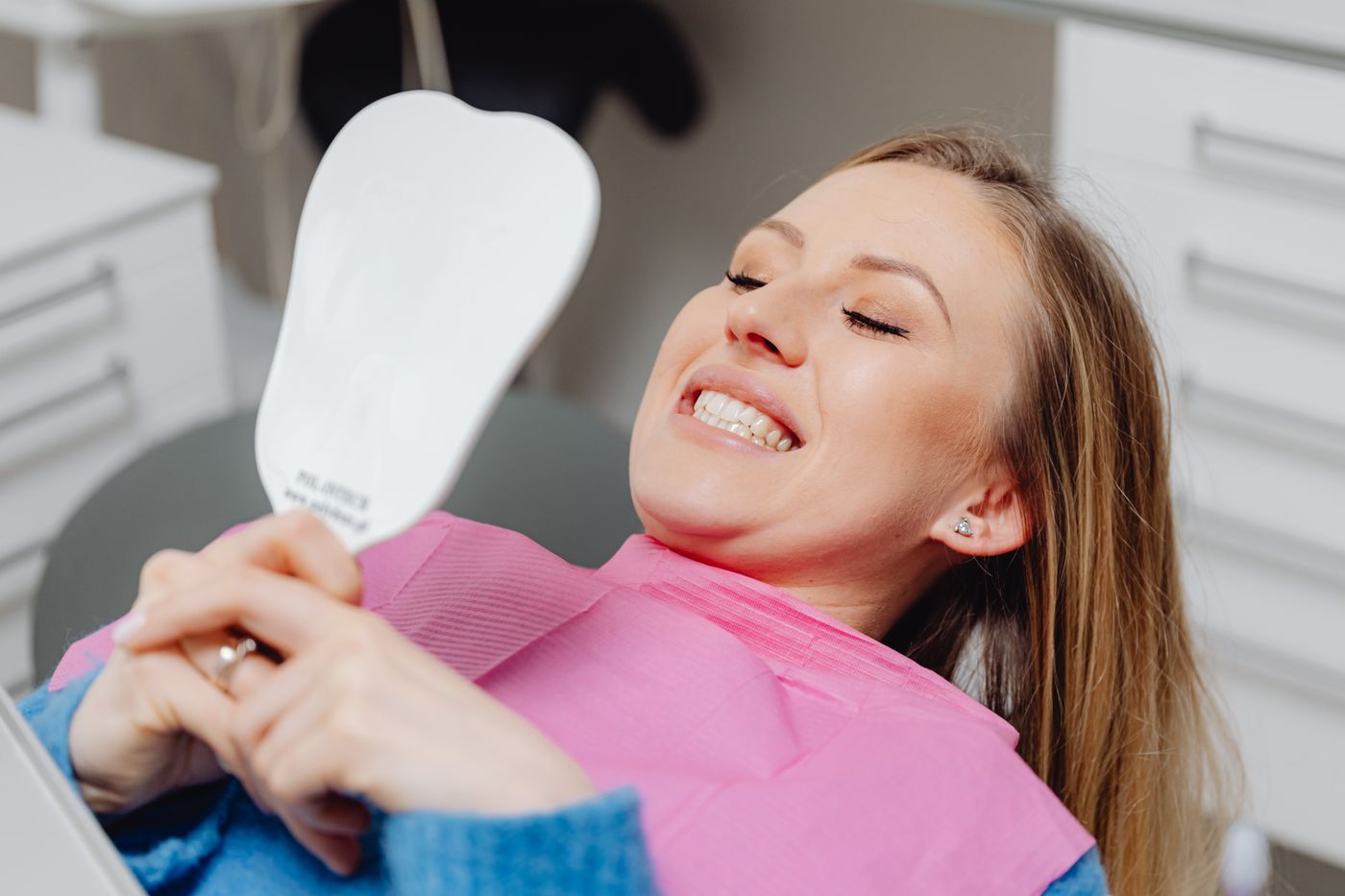
How to Market a Cosmetic Dentistry Practice
The US cosmetic dental market is heading past 33 billion dollars, and almost none of it is covered by insurance. These patients buy with their eyes. Here is the honest playbook to win the high value cases.
Read the article →
How to Find Your Ideal Patient
Marketing to everyone is why so many practices feel invisible. A message built for everybody talks to nobody. Here is how to define the patient you are truly built for, and why it changes the return on every dollar.
Read the article →
How Many New Patients Does a Practice Need a Month?
It feels simple, and almost no owner can answer it. The number is not about growth. It starts with a leak you probably are not measuring. Here is the honest math, and why it changes how you spend every dollar.
Read the article →
How to Market a New Medical Practice
The office looks incredible and the schedule is empty. A new practice starts with no reviews, no search history, and nobody who knows you exist. Here is the honest first year plan that fills the chairs.
Read the article →
How to Rank in the Google Map Pack for a Medical Practice
Google answers near me searches with just three practices in a box on a map. They win most of the clicks. Here is what actually decides who lands in that box, and how your practice gets in.
Read the article →
Why 2026 Is a Reset Year for Independent Practices
Thin margins, a physician shortage, and AI now inside the biggest hospitals. Analysts call 2026 a reset. Most of it is out of your hands, but one part is entirely yours to win. Here is your move.
Read the article →
The Patients Too Embarrassed to Call You
Therapy, men's health, weight, addiction: patients rarely call and never ask a friend. They search alone at night. 90% of Americans delay screenings, often from embarrassment. Here is how to reach them.
Read the article →
Your Patients Don't Know Half of What You Do
You offer eight services. Patients know you for one, then book the rest elsewhere. Selling to someone who already trusts you runs 60 to 70%, versus 5 to 20% for a stranger. Here is how to close the gap.
Read the article →
Do Referred Patients Still Google You? Yes, and It Decides Whether They Book.
A referral gets you named, not booked. 84% of patients read your reviews first, and a quarter to half of referrals never turn into a visit. Here is where they leak and how to keep them.
Read the article →
Your Google Business Profile Gets Views but No Calls. Here Is Why.
The average profile gets 1,260 views a month and only 10 calls. If people find you and still do not call, the leak is not ranking. Here is where it hides and how to fix it.
Read the article →
How to Ask Patients for Referrals (Without Making It Awkward)
83% of happy patients would refer you. Only 29% ever do. That gap is not a trust problem, it is a system problem. Here is the moment, the words, and the setup that closes it.
Read the article →
How Many Instagram Followers Does a Medical Practice Need?
Fewer than you think. For a local practice the follower count is a scoreboard, not the game. Here is the number that actually books patients, and what to build instead of a bigger following.
Read the article →
Meta Just Changed the Rules for Healthcare Ads
Condition targeting is gone and conversion tracking is limited. Here is what Meta's 2026 health restrictions really change, why your cost per lead is climbing, and how to keep your ads booking patients.
Read the article →
How Much Does a Healthcare Marketing Agency Cost?
Quotes run from a few hundred dollars to tens of thousands for work that sounds identical. Here are the real 2026 ranges, the pricing models to watch, and the one number that decides if it is worth it.
Read the article →
How to Get More Physician Referrals for Your Medical Practice
A doctor's referral is your best patient, yet nearly half never get booked. Here is how to earn more physician referrals, stop losing the ones you have, and why you should never rely on them alone.
Read the article →
How Many New Patients Does a Medical Practice Need Each Month?
Most owners guess this number and guess low. With patient attrition near 17 percent a year, you lose more patients than you think. Here is the honest math on your real monthly target, and how to hit it.
Read the article →
How to Attract Cash Pay Patients to Your Medical Practice
Deductibles are near $1,900 and 38 percent of insured adults now delay care over cost. That means more patients pay out of pocket than ever, and they shop. Here is how to make your practice the one they pick.
Read the article →
Google Is Retiring Call Only Ads. What Should Your Practice Do?
Google is sunsetting call only ads by 2027. Healthcare phone leads convert around 40 percent, so here is what the change means and how to keep booking patients from every paid click.
Read the article →
Are Bots Eating Your Medical Practice's Ad Budget?
Up to 1 in 6 paid clicks can be invalid, and healthcare has some of the priciest keywords on Google. How click fraud drains your budget, what Google catches, and the moves that actually stop the waste.
Read the article →
Should You Rebrand Your Medical Practice?
A new name and logo feels like progress. But a rebrand done for the wrong reason burns money, and a careless one can erase years of Google rankings and reviews in a week. When it is worth it, and how to keep your patients.
Read the article →
Should You Let Meta's AI Run Your Practice's Ads?
Meta Advantage+ puts your Facebook and Instagram ads on autopilot, a 20 billion dollar engine that begs for the wheel. Sometimes that is smart. Sometimes it burns your budget, and in healthcare there is a HIPAA trap most owners miss. Our honest take.
Read the article →
Doctor Near Me Searches Are Surging. Is Your Practice the One They Find?
Doctor near me searches are up 185% since 2020, with over 200 million run every month, and most end in a booking within days. If you are not in that little map box, the visit was decided without you. Here is how to show up first.
Read the article →
What AI Vendors Won't Tell You Before You Sign
81% of doctors now use AI, and most of it comes from startups. The demo is slick, but the contract decides who owns your patient data, who is liable when the tool is wrong, and what it costs to leave. The four clauses to read before you sign.
Read the article →
How Much Should a Medical Practice Spend on Marketing?
Every owner asks it and nobody answers straight. Most practices spend 1 to 5 percent of revenue, growth practices 5 to 12 percent. But the percentage matters far less than what you spend it on. Here are the real 2026 benchmarks and a simple way to set your own number.
Read the article →
Why Patients Really No Show
Ask a room of providers why patients miss appointments and almost all say the same thing: they forget. New 2026 research says they are wrong, and being wrong about the cause is exactly why the empty chairs keep coming back. Here is what actually drives no-shows, and what fixes them.
Read the article →
Multi Location Practice: One Website or Many?
You just signed the lease on a second office, and someone asks the question that stalls the whole project: does the new location get its own website, or does it go on the one you already have? Here is the answer that protects your Google rankings, and the mistake that buries a new location before it even opens.
Read the article →
How to Market a Rheumatology Practice
Demand for rheumatology care keeps climbing while the number of rheumatologists shrinks, and patients now wait longer to be seen than for almost any other specialty, about 68 days on average. That is both an opening and a trap. Here is how to market a rheumatology practice so patients in pain actually find you, trust you, and book, instead of calling around until someone else picks up.
Read the article →
Should You Follow Up With Patients After Their Visit?
A patient walks out happy, and then you never speak again until they need something. That gap is where most practices lose people without noticing. Studies show clinics lose roughly two thirds of their first time patients, largely to a lack of follow up. Here is why the silence after a visit is so expensive, exactly what to send and when, how to stay on the right side of HIPAA, and why following up is the cheapest growth your practice has sitting untouched in its own files.
Read the article →
How to Attract Cash Pay Patients to Your Practice
More of your patients pay out of their own pocket than ever, and they shop for care the way they shop for anything else. With deductibles now topping 1700 dollars, even insured patients compare prices and read reviews before they book. Here is how to attract cash pay patients without becoming the cheapest option in town: why this group is growing, how they decide, why hiding your prices costs you the booking, and the moves that win them on trust and clear value instead of a race to the bottom.
Read the article →
How Long Does SEO Take for a Medical Practice?
The honest answer nobody selling SEO wants to give you: months, not days. Most practices see early movement in 4 to 6 months and real results, more calls and booked patients from search, in 6 to 12. Google itself says four months to a year is normal, and an Ahrefs study of billions of pages found only about 5.7 percent of new pages reach the top 10 within a year. Here is the timeline month by month, why it takes so long, the fastest win you can get with local SEO and your Google Business Profile, how SEO stacks up against Google Ads, and why most owners quit right before it starts paying off.
Read the article →
How to Bring Patients Back for Their Annual Visit
Most patients who slip away never actually left. They liked you fine. They just forgot they were due, and nobody reminded them. That is the most overlooked leak in a practice, and almost nobody measures it. A patient recall system fixes it, and it is the cheapest growth you have: keeping a patient you already earned can cost up to 5 times less than winning a stranger. Here is what a recall system is, why it beats chasing new patients, how it differs from reactivating long gone names, and the five step way to build one that runs itself, from knowing who is due every week to reminders by text, email, and an AI call that books them back in.
Read the article →
Big Hospitals Are Scaling AI. What Should a Small Practice Actually Do?
HCA Healthcare just detailed how it is scaling AI across 191 hospitals, and 75% of health systems now use at least one AI tool, up from 59% a year earlier. If you own a small practice, that wall can feel impossible. Here is the reframe that makes it simple: you are not running HCA's race. The AI that pays off for an independent practice is smaller and cheaper, and it lives at your front desk. This guide covers the adoption gap, why size not technology is the real barrier, and the handful of AI moves that fill a schedule: answering every call day and night, following up on leads in seconds, and being the practice an AI recommends when a patient asks who to see.
Read the article →
What Is a Good Conversion Rate for a Medical Practice Website?
A practice owner once showed us her traffic was up 60% while her schedule looked exactly the same. Nobody had ever checked how many visitors actually booked. It was 1.4%. That is the whole reason this number matters: traffic is who shows up, conversion is who becomes a patient. A good medical website converts about 3 to 5 percent of visitors, the best sites clear 10, and going from 2 to 4 percent doubles your patients from the same traffic and the same ad spend. This guide lays out the real benchmarks by source, why the rate beats chasing more traffic, and the plain fixes that lift it: speed, easy booking, trust signals, and fast follow up.
Read the article →
Do Reviews Affect Your Google Ranking?
Short answer: yes, and more than most practice owners think. Google says it in its own Business Profile help: review count and rating feed the prominence factor behind your local ranking. And your patients back it up before they ever call. About 84% of patients read reviews before choosing a provider, and more than half read at least six. The deeper truth is that reviews are the rare lever that improves both halves of the equation at once: they help you show up higher on the map, and they decide who clicks once you do. This guide breaks down exactly how reviews move a practice up the local results, how much they really count against distance and relevance, and the simple asking habit that closes the gap on a better funded competitor.
Read the article →
How to Market an Oral Surgery Practice
Most oral surgery practices run on one engine: dentists refer, the surgeon operates. It works for years, until a big referring office retires or gets bought by a group with its own in house surgeon, and a third of your volume vanishes overnight through no fault of your own. Meanwhile patients have changed. They search for implants and wisdom teeth on their own now, long before anyone hands them a referral, and the US implant market adds roughly 500,000 patients a year. This guide shows how to keep your dentist relationships warm while building a second engine that brings in patients directly: winning local search, stacking reviews that calm a nervous patient, a website with a real page for every procedure, and a phone that never drops a five figure call.
Read the article →
What Is a Good Ad Frequency for a Medical Practice?
A dermatology practice called us confused. Their Facebook ad crushed it for three weeks, then the phone went quiet and every lead got more expensive. Same ad, same budget. They figured Facebook broke something. The real answer sat in one line of the report they never read: frequency. The same few thousand local people had now seen that identical ad nine or ten times, and they were sick of it. Show your ad too few times and nobody remembers you. Show it too many and clicks fall, costs climb, and people start hiding it. So what is the sweet spot? For most local practices it is about 2 to 4 views per person per week, and small town audiences burn through that fast. Inside: what frequency really means, why one view is never enough, the three exposure theory and the rule of seven, how ad fatigue shows up in your numbers, why Google and Facebook play by different rules, and the habits that keep your ads fresh and your cost per patient down.
Read the article →
How to Market a Medical Practice in a Big City Without Getting Buried
A Chicago dermatologist called us with a good practice and a bad feeling. Great reviews, great location, stalled growth. When we searched her own service in her own zip code, the reason was obvious: more than forty practices offering the same thing inside a three mile circle, and she was on page two. To a patient scrolling on a phone, she did not exist. That is the big city paradox. The market is huge, which is why you set up there, but the same density that fills the sidewalks fills the search results. Ad clicks in major metros like New York, Los Angeles and Chicago run 200 to 400% above national averages, and the local pack hands only three practices the map spots that capture most local clicks. You cannot outspend forty competitors. But you can out focus them. Inside: why the city is a different game, and six shifts that win it, owning your neighborhood instead of the whole metro, being famous for one thing, winning the review war, converting the expensive clicks you already buy, and answering before the office down the block. Same practice, same city. You just stop trying to beat them everywhere and start beating them where it counts.
Read the article →63 Million Americans Book Doctors for Someone Else. Are You Marketing to Them?
A physical therapy clinic kept getting intake forms where the phone number had a different last name than the patient. A daughter had found them, called them, and booked the visit for her father, then decided whether the family ever came back. That is not rare anymore. A record 63 million Americans now coordinate care for a loved one, nearly one in four adults and up about 20 million in a decade, per the 2025 Caregiving in the US report from AARP and the National Alliance for Caregiving. These family caregivers research harder than anyone, Pew Research found they read online reviews of doctors and facilities more than non caregivers, and they choose the practice, read the reviews, and make the appointment. Yet most websites and phone systems are built as if the patient books alone, at noon, calmly. Inside: who the caregiver really is and why the numbers just hit a record, how she picks a doctor for a loved one, and five practical shifts, from answering her real questions to letting her book for someone else at 10pm, that win the person actually making the call. Cited and honest.
Read the article →Do Patients Click Google Ads or Organic Results?
A practice owner asked us this half hoping for permission to stop worrying about SEO: "If I can just buy the top spot with an ad, why do I need to rank underneath it?" The catch is that most patients do not click the top spot. Study after study finds the majority skip the paid ads and go to the free listings and the map pack below, with one widely cited figure near 70 to 80 percent. In consumer surveys only about 5 percent of people say they trust paid ads more than organic, while close to half trust organic more. But here is the honest twist most agencies skip: paid click share is climbing fast, roughly doubling in some categories from January 2025 to January 2026 (Search Engine Land), while AI Overviews pull clicks off both. Inside: where patients really click and why, the ad blindness and trust forces behind it, why it was never ads versus SEO, and how a practice wins by owning the whole top of the page at once, the ad, the map pack, and the organic listing. Cited and practical.
Read the article →Do Old Google Reviews Still Count?
You have 180 five star reviews and a rating any practice would envy. Then you notice the newest one is from 2023. Here is the part nobody tells you: patients and Google both read that profile very differently than you do. About 74 percent of consumers only look at reviews from the last three months, 32 percent want them from the last two weeks, and 83 percent say reviews must be recent and relevant to matter at all (BrightLocal 2026). Google has moved the same way: Whitespark now ranks review recency among the top five local ranking factors, up from around 20th two years ago, because review velocity beats review totals. So a wall of old five stars slowly stops working, telling patients the good stuff is in the past and telling Google you may have slowed down, while a newer competitor collecting fresh reviews passes you with a lower total. Inside: what recent really means to patients now, why Google rewards a steady drip, why you should never delete old reviews, and the simple habit that keeps new ones arriving every month. Cited and practical.
Read the article →
Why Patients Don't Answer When You Call Them Back
Your front desk calls the new lead back within the hour. It rings out. They try again tomorrow. Nothing. So someone marks the lead dead and moves on. Here is the part that costs practices real money: the patient usually still wants an appointment. They just watched an unfamiliar number light up their screen and let it ring, like almost everyone does now. About 75 percent of Americans will not answer calls from numbers they do not recognize (TNS via BusinessWire), roughly 80 percent generally ignore unknown cellphone calls (Pew Research), and about 70 percent of medical calls to consumers go unanswered (Curogram). Meanwhile texts carry a 98 percent open rate versus 30 percent for voicemail, get read within minutes, and pull about three times the response of a voicemail callback, and more than 80 percent of patients prefer a text for non urgent matters. Inside: why unknown numbers get screened out, the callback math nobody runs, the text first sequence that actually books people, why speed under five minutes matters, and how online booking plus an AI receptionist stop leads from slipping away. Cited and jargon free.
Read the article →
How to Market an Acupuncture Practice in 2026
An acupuncturist emailed us worn down: patients adored her, reviews glowed, yet the schedule thinned out by the third week of every month. Her intro deal pulled in new faces who tried one session and vanished. Classic leaky bucket. Here is the part most clinics miss: acupuncture use in the US doubled from 2002 to 2022, with more than 7.3 million adults getting it every year (NIH National Center for Complementary and Integrative Health), so demand is not the problem. The problem is marketing a course of care business like a single needle session. Inside: why intent is loud and local (people search the condition, back pain, migraines, anxiety, fertility, not the modality), how to win Google and AI search, why reviews are your best salesperson for a service people still doubt, how to be clear about cost and the Medicare low back pain coverage that started in 2020, the past patient list you are sitting on, the retention systems that stop the mid month slump, and the fast response that decides who books. Cited, honest, no gimmicks.
Read the article →
How Long Will Patients Wait on Hold Before Hanging Up?
Shorter than you think. Call your own office, ask to be put on hold, and start a timer. Around ninety seconds, you will want to hang up, and so do your future patients. The data is brutal: roughly 60 percent of patients abandon a call after about 90 seconds on hold, about 34 percent are gone by two minutes, and by five minutes two out of three have hung up (Dialog Health). Meanwhile some healthcare facilities average 4.4 minutes of hold time, nearly three times longer than patients will tolerate (NotifyMD). And the hang up is not a pause: 60 to 70 percent who reach voicemail leave no message, and about 85 percent never call back. Inside: the real patience timeline second by second, where the long holds happen (the lunch hour is the worst), what a missed call actually costs, a healthy abandonment rate (under 5 percent), and how online booking, texting, and an AI receptionist that answers on the first ring plug the leak. Cited and jargon free.
Read the article →
What Is a Good Google Ads Quality Score for a Medical Practice?
A physical therapy owner sent us a screenshot with one line: "Am I doing something wrong?" Two of his keywords sat at a Quality Score of 3, and he was paying more than the clinic down the road for a worse spot on the exact same search. His instinct was to bid higher. The fix was the opposite. Quality Score is the number buried in your Google Ads account that decides what you pay per click, it runs from 1 to 10, and most owners have never looked at it. Inside: what counts as a good score (7 to 10, and 8 plus on your best keywords); how a score of 10 can cost roughly half of what a 5 costs for the same click (WordStream); the three levers that move it (expected click through rate, ad relevance, landing page experience); why this bites harder in expensive healthcare auctions; and the one leak a perfect score will never fix, your front desk. Honest, cited, no jargon.
Read the article →
How to Market a Psychiatry Practice When Demand Is Huge but Growth Is Not Automatic
The need for psychiatry has never been more obvious. About 137 million Americans, roughly 40 percent of the country, live in a federally designated mental health shortage area (HRSA), and psychiatrists are scarce almost everywhere. So why do so many practices still have gaps in the week, no-shows above 20 percent, and a patient mix they never chose? Because demand and growth are not the same thing. In this field the real problem is not creating demand, it is routing it: being found the moment someone decides to get help, giving nervous patients a private website they can book from without a phone call, and cutting the highest no-show rate in medicine with real systems instead of scolding. Inside: why psychiatry marketing is about routing not generating, the search moment that decides everything, the website that does emotional work, HIPAA safe social that reduces stigma, why telehealth is now 44 percent of behavioral health visits, and how to fill the right slots with patients who show up and stay. Cited to HRSA, Psychiatric Services and the University of Michigan.
Read the article →
How Many Google Reviews Per Month Does a Medical Practice Need?
A dermatologist with 312 reviews watched a med spa with barely 90 slide above her in the map pack. How? Everyone chases a big total, but the number that actually keeps you ranking is smaller and sneakier: how many fresh reviews land each month. Reviews go stale fast. Ranking pull is strongest under 30 days and fades by six months, and 26 percent of consumers only read reviews from the past month (BrightLocal). Inside: the realistic monthly pace by market (roughly 4 to 8 for most practices); the 90 day head to head test that predicts who Google trusts today; why velocity beats a giant stale pile; the burst that gets you penalized; and how to hit the pace every month without breaking HIPAA. Cited data, honest take.
Read the article →
Is It a Marketing Problem or a Front Desk Problem?
When a practice stops growing, almost every owner reaches for the same fix: more ads. But slow growth comes from one of two very different places, and spending on the wrong one is how good money disappears. A dermatology practice came to us sure they needed a bigger budget, until we listened to a week of their calls and heard nearly a third go to voicemail. Inside: the five minute self diagnosis that tells you which problem you really have; why the front desk is the leak almost nobody checks (studies find 23 to 42 percent of practice calls go unanswered, and 67 percent of patients just call a competitor); the two conversion steps that quietly drain the demand you already paid for; and why fixing the leak beats buying more water almost every time. Cited data, honest take.
Read the article →
How to Market a Bariatric Surgery Practice When GLP-1 Drugs Are Taking Patients
Your surgical schedule feels thinner, and it is not your imagination. A study of nearly 32 million eligible adults (Epic Cosmos, via Mass General Brigham) found bariatric surgery rates fell about 46 percent from late 2022 to mid 2025, while GLP-1 use climbed to roughly 24 percent of eligible patients. Total procedures dropped below 200,000 in 2024 for the first time since 2020. But the patients did not vanish, they changed how they start. Inside: why fighting the drug loses and owning the whole journey wins; how to capture patients at the medication stage and convert them to surgery when the time is right; the GLP-1 versus surgery searches happening on Google and ChatGPT right now that most bariatric sites ignore; a website that turns nervous researchers into booked consults; paid ads measured against completed cases, not clicks; and why a single missed call can be a five figure loss. Cited data, honest take.
Read the article →
Why ChatGPT Favors Hospitals Over Independent Practices
A patient opens ChatGPT and asks for a good dermatologist in their city. It names the big hospital across town, not the excellent independent practice two blocks away. A recent Medical Economics piece put a name to it: AI favors the big guys. But the reason is not what most owners assume, and it is not permanent. Inside: why AI leans toward the loudest name online instead of the best doctor (more pages, more listings, more reviews the model has absorbed); what this costs a practice that never sees the loss; why specific, local searches are where a focused independent clinic can actually beat a giant; the honest foundations that get you named by ChatGPT, Google AI Overviews and Perplexity at once; and how to catch the high intent patient the AI sends you. About 1 in 8 adults have already used AI to look up health info (KFF). Cited data, honest take.
Read the article →
Should Your Medical Practice Use a Patient Waitlist?
Two things are usually true at once: new patients are waiting weeks to get in, and chairs are sitting empty this afternoon because someone cancelled at the last minute. New patient waits in major metros now average 31 days (AMN Healthcare, 2025), while a cancelled 2pm can go cold by 2:05pm. A patient waitlist is the bridge. Inside: what a waitlist really is, when it is worth it and when it is not, why speed is the whole game (good programs fill 70%+ of openings, most under 30 minutes), the simple rules that keep it from feeling like spam, why most waitlists die on a sticky note, and how to run one automatically so a cancelled slot becomes a patient seen sooner instead of lost money. Real numbers, honest take.
Read the article →
Why Patients Search Symptoms, Not Doctors
A woman with numb, tingling hands did not search for a neurologist. She did not know that was the right doctor. She typed "why do my hands go numb at night," read for twenty minutes, learned the phrase carpal tunnel, then searched that, and only then looked for someone to treat it. Three searches happened before she ever looked for a provider, and the clinic that could have met her at search one had no page about it. That is how almost everyone finds care now. About 1 in 3 adults always search their symptoms first, and 77% use a search engine before booking (ZealousWeb, 2025). Google says roughly 1% of all searches are symptom related, which is millions a day. Inside: why "we offer these services" is invisible to searchers; why AI Overviews, now on nearly half of health searches (BrightEdge), make symptom content more important, not less; whether self diagnosers still book; and how to be the calm, clear answer patients find at 2am. Cited data, honest opinion.
Read the article →
How Long Should Medical Practice Videos Be?
A dermatologist pushed back the first time we asked her to make videos: no time for a whole production. That was never the ask. Her best performing clip was 22 seconds of her answering one question on a phone, no studio, no script. That is the whole lesson on length. The data is clear: Reels win around 20 to 34 seconds, TikTok can stretch to 45, and the average YouTube Short is watched for only about 14 seconds (Kapwing, 2026). But length is not really the point. Facebook research found 65% of people who watch your first 3 seconds keep going, and 45% reach 30 seconds, so the opening decides everything. Inside: the right length per platform; why the first 3 seconds beat total runtime; why 85% watch on mute so captions are not optional; when longer videos belong on your website instead; one video, one question; and why consistency beats production value. Cited data, honest opinion.
Read the article →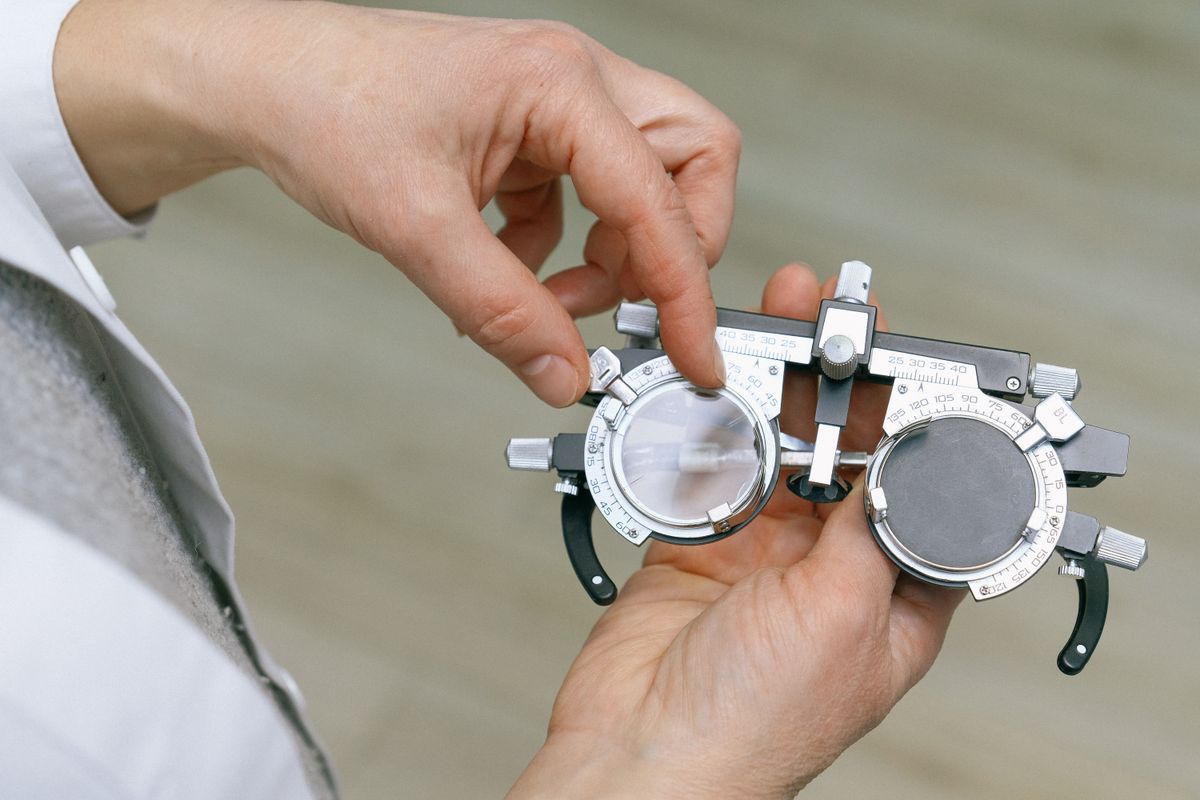
How to Market a LASIK Clinic
A refractive surgeon told us his most common new patient line is "I've been thinking about this for like eight years." They wanted better vision the whole time. They just never booked. That gap between wanting it and doing it is the entire marketing game for a LASIK clinic. LASIK has a 96% satisfaction rate, among the highest of any elective procedure (American Refractive Surgery Council; FDA PROWL trials), yet most who want it wait years to commit. Inside: why fear, not the clinic across town, is your real competitor; why a $4,000 to $5,000 out of pocket price stalls people until they see the monthly number; why a single ad cannot cover a buying cycle that runs months to years; the reviews, patient story videos and retargeting that dissolve the fear; why the consult, not the click, is the real finish line; and why a happy LASIK patient never comes back, so the funnel has to stay full on its own. Cited data, honest opinion.
Read the article →
How to Market an Allergy Clinic
One allergist described her year in two words: flood and drought. March through fall the phone barely stops, then the first frost hits and the schedule goes quiet enough to worry about payroll. Most allergy clinics live on this seesaw. Here is the way off it. About 1 in 4 US adults has a seasonal allergy (CDC), yet most suffer through the drugstore aisle for years and never see a specialist, which is the whole opportunity. Inside: why the antihistamine aisle, not the clinic across town, is your real competitor; the trap of leaning on referrals; timing ads to the pollen instead of the panic (ragweed starts mid August, and seasons run about 20 days longer than in 1990, per PNAS); turning silent sufferers into patients with content; and the immunotherapy retention math that changes how much you can spend to win a patient. Cited data, honest opinion.
Read the article →
What Is the Best Time to Run Google Ads for a Medical Practice?
A chiropractor opened his ad report at the hour level and found it: a steady trickle of clicks between midnight and 5am, night after night, each one costing money, none ever booking. He had been paying to advertise back pain relief to people who could not sleep for months. "When should my ads run" sounds like a small settings question. It is one of the quietest ways a practice leaks budget. Inside: when patients actually search and call (appointment demand peaks around 2pm, per Zocdoc, and runs heavy Monday to Thursday), why running flat 24/7 wastes money two different ways, why "just turn ads off at night" is usually the wrong fix and hands your most motivated buyers to a competitor, and the five step way to schedule ads around your own conversion data instead of a generic chart. Cited data, honest opinion.
Read the article →
Do Patients Check Your Social Media Before Booking?
A dermatologist almost quit posting: "Nobody comments, it feels like shouting into the void." Then she remembered where her last few new patients looked before booking. Her Instagram. That is the part owners miss. For most practices, social media is not a stage, it is a reference page. Patients already found you on Google, and now they take one last thirty second look before they call, running three silent tests: is this page alive, are there real humans here, and do they answer what I actually want to know. Inside: the real data (35% of patients say they picked a doctor based on social media, per a 2025 rater8 survey of 1,000+ adults), why an abandoned page is worse than none, why followers are the wrong scoreboard, and how to turn that final glance into a booked appointment. Cited data, honest opinion.
Read the article →
How to Use Flu Season to Grow Your Medical Practice
Every August a practice owner asks us the same thing: "Should we even bother with flu shots? We barely make anything on them." Wrong question. Nobody grows a practice on the vaccine fee. You grow it on who walks in to get the shot, and on the overdue physical, the lapsed refill and the screening that surface the second they are in your chair. Flu season is the one time of year a totally healthy person decides on their own that they need a visit. The only question is whether they come to you, the pharmacy counter, or nobody. Inside: the real numbers (only about 42% of US adults got a flu shot last season, and just 31% of adults under 50), why a thin margin shot is a high value visit, a simple playbook to reactivate your own patients and fill the fall schedule, and the front desk mistake that wastes the whole season. Cited CDC data, honest opinion.
Read the article →
Can Patients Find Your Practice With Voice Search?
A mom in her kitchen at 7am, both hands full, just says it out loud: "hey Google, find a pediatrician near me that is open today." Three seconds later a voice reads back one practice and asks if she wants to call. She never saw a list. She never compared five options. The machine picked a winner and she trusted it. So the real question is not whether voice search is a big trend or a small one. It is sharper than that: when someone near you asks out loud, does the assistant say your name or the practice down the street? Inside: the real numbers past the hype (about a third of US homes own a smart speaker, and most owners voice search for local businesses), why a spoken answer names one place instead of ten, exactly how Siri, Alexa and Google decide who wins, why your Google profile and reviews do the heavy lifting, and why the same work also wins Google Maps and AI answers. Cited data, honest opinion.
Read the article →
Is Healthgrades Worth It for Medical Practices?
A family medicine doctor forwarded us an email with one line: "Should I be paying for this?" It was the third message that quarter from Healthgrades, warning that competitors were showing on her profile and an upgrade would fix it. She had never even claimed her listing. If you run a practice, you have gotten the same email. Here is the honest split most owners miss: whether Healthgrades deserves your money is a different question from whether it deserves your attention, and the answers are not the same. Inside: why more than half of Americans who see a doctor pass through it, why the free profile is worth twenty minutes this week, why the paid upgrade usually is not, how to handle reviews without risking HIPAA, and why Google still beats it for actually getting patients. Cited data, honest opinion.
Read the article →
Should Your Medical Practice Use Website Popups?
A med spa put a coupon popup on her homepage that filled the whole phone screen the second it loaded. Her mobile bookings quietly dropped and she could not figure out why. The answer: a stranger searching at 9pm got a discount shoved in their face before they saw who she even was, so most tapped back to Google. That is the whole story of popups in two sentences. The same box that catches a patient about to leave can be the reason they leave. Inside: what the data really says (average popups convert 2 to 5 percent, the best push past 10), the two ways popups blow up in healthcare, the 2017 Google mobile penalty most owners have never heard of, the exit intent and scroll triggers that are safe and actually work, a plain word on HIPAA, and how a popup fits the rest of your site. Cited data, honest opinion.
Read the article →
Is a Medical Practice Newsletter Worth It?
A dermatology office had 4,000 patient emails sitting unused in their system and asked us the obvious question: is a newsletter even worth setting up, or is that old school? The honest answer surprised them. Email still returns about $36 for every $1 spent, healthcare open rates average near 37 percent, and unlike your Instagram followers, your email list is the one audience you actually own. No algorithm can take it away. The catch: most practice newsletters flop because they are written for the practice ("we got a new machine") instead of for the patient. Inside: the real numbers, why owning your list beats renting reach, the 90/10 rule for a newsletter people open on purpose, how often to send and what to put in it, a plain word on HIPAA and CAN SPAM, and where the emails actually come from (hint: you already have most of them). Cited data, honest opinion.
Read the article →
Should a Medical Practice Buy Instagram Followers?
You can add 10,000 followers to your practice's Instagram for about twenty dollars by tonight. Tempting when your count feels embarrassingly small and the med spa across the street looks huge. But here is the honest math on why that shortcut leaves you worse off. Bought followers are bots and dormant accounts that never book and never live in your town. Worse, Instagram decides how far to spread a post based on engagement, so 10,000 silent accounts crater your engagement rate and your real posts reach fewer people. You pay to look bigger and perform worse. Patients spot a fake account instantly too, and in healthcare that dents the exact trust you need before someone books. It also breaks Instagram's rules, and the FTC fined a major seller of fake followers back in 2019. Inside: how fake followers lower your reach, why real local growth wins, and what actually fills a schedule. Cited data, honest opinion.
Read the article →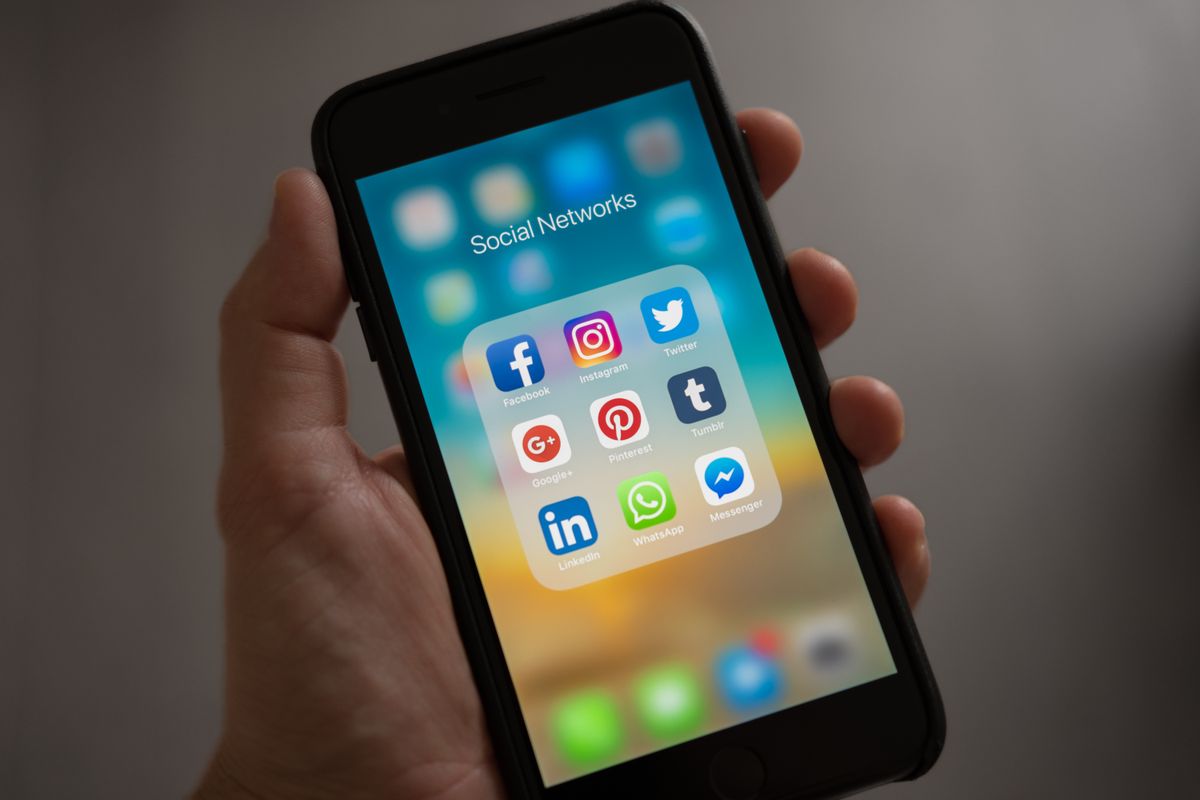
Should Your Medical Practice Be on Threads?
Threads just passed 500 million users and overtook X in daily mobile use, so every few weeks a nervous owner asks us if they are falling behind by not being on it. Here is the honest answer, and the one number that matters more than how big a platform gets: local intent. Someone typing "dermatologist near me" into Google is ready to book today. Someone scrolling Threads on the couch is not, and Threads has no map, no "near me," no local search at all, so even a big following there rarely turns into nearby patients. Inside: the real 2026 numbers, who is actually on Threads (young, male, affluent) and which practices that fits, the three cases where it genuinely earns a spot, the five minute rule to test it without it becoming a chore, and why chasing every new app is the trap that quietly hurts practices most. Cited data, honest opinion.
Read the article →
Why Did My New Patient Numbers Suddenly Drop?
One month the schedule is full, the next it has holes you cannot explain. Before you panic or blame the whole market, know this: a sudden drop almost always has one findable cause. Since about 77 percent of patients start their search on Google and the local map pack takes roughly 42 percent of local clicks, one broken link can gut your new patient flow while the care, staff, and reviews stay exactly the same. Inside: how to tell panic from a normal seasonal dip, the in order checklist we run when new patients fall off a cliff (Google Business Profile, website and booking form, ads, reviews, a new competitor), the one hour version for when you have no time, the tracking blind spot that turns a fifteen minute fix into a month of guessing, and the after hours drop that never shows up as an error. A calm, cited playbook for finding the leak fast.
Read the article →
How to Get Nervous Patients to Actually Book
Some of the people who need you most never make the appointment, and not because of price, hours, or your reviews. They are scared. Fear is one of the biggest hidden leaks in a practice's schedule, and almost nobody markets to it. The data is bigger than owners expect: a 2023 PatientPoint survey found 54 percent of adults feel anxious before a doctor visit and 30 percent skipped one in the last year because of it, and a 2024 study in the Journal of the American Dental Association put dental fear at 72.6 percent of US adults, with about one in five avoiding the dentist entirely. Inside: why your normal marketing bounces right off the anxious patient, the quiet questions every scared person is asking that your website never answers, the five moves that turn a nervous browser into a booked patient, why fear does not stop at booking and how it drives no shows, and why so many of these patients reach out at 11pm when your office is dark. Cited data, honest opinion, zero pushy tricks.
Read the article →
Marketing and Patient Acquisition Just Became the Same Job
A company best known for medical billing just launched a division that folds marketing and patient acquisition into one function. Reported in the National Law Review in July 2026, it reads like a dry business note, but the signal is big. A company that lives in your numbers does not move into growth on a whim. It does it because it can see, from the ledger, that the most expensive thing a practice loses is not a denied claim, it is an appointment slot that never got filled and a patient who called once and was never called back. Inside: why the old split of loud marketing over here and the front desk over there leaks patients in the handoff where nobody is watching, why likes were never the scoreboard, the five minute gut check that reveals if you have a system or just two teams that never met, and what running growth as one path from first glance to booked and kept patient actually looks like. Cited data, honest opinion.
Read the article →
Are You Losing Patients After Hours?
What happens to the person who decides to find a new doctor at 9pm on a Tuesday? Your office is dark, the phone rings to voicemail, the front desk went home hours ago. A July 2026 analysis reported by Healthcare IT Today found about 29 percent of patient inquiries now happen outside the 8 to 5 workday, in the evenings and on weekends, and a 2026 communication survey found roughly 90 percent of people prefer handling healthcare by text over a call. So a huge slice of your demand arrives when nobody is there to answer it, and it goes to whoever opened their door first. Inside: the three paths an after hours caller takes and why only one ends with you, the two fixes that catch almost all of it (real online booking plus an instant reply to every call and text), why the answer is AI that still sounds human and hands off to a person, and a five minute test you can run tonight from your own phone. Cited data, honest opinion.
Read the article →
What Makes a Good Medical Practice Ad?
A dermatology group sent us a beautiful ad and asked why it flopped. Studio lighting, a flawless stock model, the logo dead center. It was not disliked. It was invisible. Here is the thing nobody tells practice owners: your enemy is not a competitor's ad, it is the scroll. Nielsen research for Facebook found that up to 47 percent of a campaign's value lands in the first three seconds, and about 74 percent within ten, yet most practice ads spend those seconds on a logo. Inside: what actually stops the thumb (a real face beats a stock model every time), the Meta rule that quietly rejects healthcare ads because the word "you" implies you know a person's condition, why before and after split screens keep getting blocked and what to show instead, and why one ad should make one promise to one person and ask for one action. Cited data, honest opinion, and the fix that costs nothing but a better first second.
Read the article →
Should You Delete Negative Comments on Your Practice's Social Media?
A parent left a bad comment on a pediatric office's post. The manager deleted it. By Monday it was a screenshot in a 9,000 member moms group, captioned "this office hides anything they don't want you to see." That is the trap: deleting rarely makes a complaint disappear, it gives it a sequel. It even has a name, the Streisand effect, after a 2003 lawsuit that turned a photo six people had seen into one 400,000 people went looking for. Research popularized by Jay Baer's Hug Your Haters found ignoring a complaint can cut customer advocacy by as much as 50 percent, while answering it can lift advocacy by up to 25 percent, and a comment feed with zero criticism reads as filtered, not perfect. Inside: the difference between hiding and deleting on Facebook and Instagram, the five cases where removal is genuinely right, how to answer a critic without sounding like a robot, and the HIPAA trap that means you cannot confirm someone is your patient in a public reply even after they name you first. Cited data, honest opinion.
Read the article →
What Star Rating Does a Medical Practice Need on Google?
Most owners chase a perfect 5.0. The data says that is the wrong target on both ends. About 75 percent of patients will not book a provider rated under 4.0 stars, per the rater8 2026 Patient Choice Report, so four stars is a hard gate most people never open. But a flawless 5.0 can repel patients too: the Spiegel Research Center at Northwestern found buying behavior peaks between roughly 4.2 and 4.7 stars, then drops as ratings approach 5.0, because a perfect score reads as too good to be true. Inside: why four stars is the cutoff patients apply before they read a word, the surprising ceiling where higher stops being better, the real target range of 4.5 to 4.8 and why volume makes it believable, how your review replies shape trust, and the HIPAA safe way to raise a sagging rating fast. Cited data, honest opinion.
Read the article →
How to Market a Sports Medicine Practice in 2026
A sports medicine patient is not a typical patient. They are hurt, impatient, and terrified someone will tell them to stop doing the thing they love. There are roughly 8.6 million sports and recreation related injuries in the US every year, per the CDC's National Center for Health Statistics, plus more than 3.5 million kids age 14 and under treated for sports injuries annually, per Stanford Medicine Children's Health. That demand walks in scared and in a hurry, searches its exact injury at 10pm, and books whoever it can see soonest and trust most. Inside: the three patients you are really marketing to and the one fear they share, why leading with non surgical care and return to activity beats listing your credentials, why injury specific website pages beat a thin Sports Medicine brochure, why speed and same day access are the whole competition, and the unfair advantage no other specialty has, your patients already gather in one place, local sports. Cited data, honest opinion.
Read the article →
How to Market a Practice When Patients Are Cutting Back on Care
Nearly four in ten Americans are now delaying or skipping care because of cost, and it is hitting insured patients too. A 2026 study reported by Medical Economics found 38 percent of Americans put off care over cost, up from 27 percent in 2023, while West Health and Gallup found more than 80 million adults made a daily life trade off, like rationing medication or borrowing money, just to afford healthcare. If your schedule feels softer than it should, this is likely part of the reason. The instinct is to cut prices. That is usually the wrong move: discounts train patients to wait, shrink your margin when your own costs are up, and signal your care is worth less. Inside: what cutting back looks like in your schedule, why patients fear a scary unclear bill more than the number itself, and the playbook that keeps them booking without a price war, make cost clear before they ask, sell the outcome not the visit, offer paths that fit a monthly budget, market hardest to the patients you already have, and answer fast because anxious patients book whoever picks up. Cited data, honest opinion.
Read the article →
Google Put Ads in AI Mode. Do They Help You Rank?
Ask Google a shopping question now and you often get a written AI answer instead of blue links, and Google has started putting ads inside it. A July 2026 SE Ranking study of 50,032 commercial keywords found ads in 29.45 percent of AI Mode searches, nearly one in three, and mostly on pricey keywords, where clicks over 10 dollars showed ads 53.56 percent of the time. Healthcare keywords are among the most expensive in advertising, so this is coming for you. But the finding that matters most: paying for the ad did almost nothing elsewhere. Only about 11.5 percent of advertisers were cited as AI sources for the keywords they bought, and roughly 85 percent had no organic ranking for those same terms. Inside: why ads follow cost per click not popularity, why exposure is not authority, why healthcare still has the lowest ad presence at 2.64 percent and the citation door is wide open, why you should not turn ads off, and how to score paid, organic, and AI visibility on three separate scoreboards. Cited data, honest opinion.
Read the article →
Why Does Google Show an AI Summary of Your Reviews?
A chiropractor searched his own name the way a nervous new patient would and found something new sitting at the top of his Google listing. Not his star rating. A short gray paragraph, written by Google, that said patients praised his results but "several mention long wait times and difficulty reaching the front desk." He never wrote those words. He cannot delete them. And every person who looks him up reads them first. Google now uses its Gemini AI to sum up your reviews in a paragraph above every individual review, generally available since September 2025, and most people read it and never scroll further. Inside: what these summaries are and why you cannot edit or turn them off; why they hit doctors harder, with around 7 in 10 US adults reading reviews before choosing a provider; why you can no longer bury a recurring complaint under volume; and the real playbook to shape a paragraph you cannot write, fresh reviews, specific words, and fixing the theme instead of arguing with it. Cited data, honest opinion.
Read the article →
How to Market a Menopause Clinic in 2026
A woman spent almost two years not sleeping, snapping at her kids, and privately wondering if she was losing her mind. Her doctor ran a couple of tests and told her it was just her age. What finally changed things was a late night search on her phone that led her to a local menopause clinic's website. That story is the whole opportunity: menopause care is booming and badly underserved, because most women never learn that help exists. A 2025 Mayo Clinic study found about 87 percent of midlife women with symptoms never sought care, most often because they were too busy or did not know effective treatment was out there, and about half who did seek help waited six months or longer. Inside: why the demand is huge and hidden at once, the woman you are really marketing to and why she arrives skeptical, why your real competition is well funded telehealth apps, how to build symptom pages instead of a brochure, why addressing the hormone fear head on with sources wins bookings, and why answering instantly beats a mailed prescription. Cited data, honest opinion.
Read the article →
Why New Patients Cancel Their First Appointment
A dermatology office was thrilled with their ads. The phone rang, new patients booked, the schedule looked full. Yet revenue was flat, and it took ten minutes to find the leak: nearly one in three brand new patients never showed for their first visit. They were paying to fill the top of the funnel and watching a third walk out the bottom before a single handshake. This is one of the most expensive and least tracked problems in healthcare, and it is rarely about your care. Inside: why new patients no show at about 30 percent versus 21 percent for regulars; the biggest driver, the wait to be seen, where cancellations jump from 23 percent within a month to 47 percent past it, and new patients who wait over a month are more than twice as likely to cancel and never reschedule; why the silence between booking and day one quietly kills the visit; and the simple system, sooner slots, two way reminders that cut no shows around 38 percent, and fast call handling, that keeps the patients you already paid to earn. Cited data, honest opinion.
Read the article →
Should You Use AI to Respond to Patient Reviews?
A dermatology office almost bought a tool that auto replied to every Google review, until they saw the draft it wrote for a one star: "We are so sorry your visit for your acne treatment did not meet expectations." In one friendly sentence, the AI had just told the whole internet what that patient was being treated for. That is the story of AI and reviews in a nutshell: hugely helpful, right up until it is a HIPAA problem you did not see coming. Inside: why replying to reviews is worth real money, businesses that respond earn about 35 percent more revenue, and a one star rise in rating tracks with 5 to 9 percent more revenue per a Harvard study; why a 2025 study found patients trust human replies over AI ones; the single line a reply can never cross without breaking privacy law; and the safe setup, AI drafts and monitors, a human always edits and posts. Cited data, honest opinion.
Read the article →
What Is a Good Cost Per Click for Medical Practice Google Ads?
A family doctor called us annoyed that Google was charging him about 6 dollars every time someone clicked his ad, sure he was being robbed. He was not, that is right in the normal range for his field. Cost per click is the first number every owner learns to watch and the easiest one to misread. Inside: the real 2025 numbers by specialty, from 2.29 dollars a click for emergency medicine up to 8.76 for orthodontics, with the healthcare average at 5.64 and rising for most fields; why some clicks cost triple others; and the trap that sinks most practices, that only about 8 of every 100 clicks convert, so chasing a cheaper click while ignoring your page and follow up means paying more per actual patient. The one number that decides if your cost per click is good, plus honest ways to lower it without losing the patients worth having. Cited data, real opinion.
Read the article →
How to Market a Urology Practice in 2026
Urology has a strange problem for a growth field: demand is booming and aging fast, while the number of urologists keeps shrinking. About 62 percent of US counties have no urologist at all, the median one is 54, and roughly 40 percent of them will hit retirement age within a decade, all while 11,500 Americans turn 65 every day and use urological care about three times as often as everyone else. So the patients are out there, searching their symptom privately at midnight, but they go to whoever they find first and can actually reach. Inside: why findability beats reputation in a field this starved for doctors, how to build condition pages for BPH, kidney stones, ED and low T instead of a thin services list, the large women's audience most practices ignore, how to advertise a sensitive specialty without getting your ad account flagged, and why answering instantly is the difference between a booked patient and one who called the hospital. Cited data, honest opinion.
Read the article →
Is It Legal to Pay Patients for Referrals?
A med spa owner called us with a plan she was proud of: refer a friend, get a 50 dollar gift card. Her happiest patients already talked her up, so why not reward them? Fair instinct, genuinely dangerous move. If any of your patients are on Medicare or Medicaid, that gift card can hit the federal Anti Kickback Statute and the beneficiary inducement rules, where the small gift exception maxes out at 15 dollars and gift cards count as cash, with civil penalties past 15,000 dollars per gift. And cash pay is not a free pass either: many states ban paid referrals for every patient no matter who pays. Inside: what the law actually allows, the compliant ways to thank people who refer, and the referral engine that out earns any gift card without the legal exposure. Cited sources, honest opinion.
Read the article →
How to Market a Hair Restoration Clinic in 2026
A hair transplant surgeon told us his best case came from a patient who first visited his website eleven months earlier. That is this niche in one story. Demand is booming and getting younger: hair restoration procedures are up roughly 60 percent since 2014, and about 95 percent of first time transplant patients in 2024 were between 20 and 35. But these patients research alone for months, study your before and after gallery longer than your prices, and weigh you against slick national brands and cheap overseas clinics the whole time. Their real fear is not cost, it is walking around with a result that looks fake. Inside: why local search and an honest results gallery beat a bigger ad budget, how to advertise the outcome without getting your ad account flagged, why remarketing is central in a decision this slow, and how to answer the instant a patient is finally ready so months of work do not end in a voicemail. Cited data, honest opinion.
Read the article →
Is Your Medical Practice Actually Ready to Run Ads?
Every week an owner tells us the same thing: we tried ads, they did not work. Almost every time, the ad was fine. What was not ready was everything the ad handed the patient to next. An ad is a faucet: turn it on and it pours new people onto your practice, but if your booking page is slow, most of it runs off; if nobody answers the phone after 5pm, more drains away; if your reviews scare people off, the rest evaporates. Healthcare has the slowest lead response of any industry, around two hours, and only about 27 percent of leads ever get contacted. The median medical practice website converts just 3.6 percent of visitors, and roughly 40 percent leave a page that takes over three seconds to load. Inside: the three things that have to be true before you spend a dollar, a five minute readiness check you can run on your own phone this afternoon, and why a good ad on a broken foundation loses money and teaches you the wrong lesson. Cited data, honest opinion.
Read the article →What to Say When a Patient Asks How Much It Costs
A med spa owner called us convinced her ads were broken. They were not. We listened to a week of her calls and heard the real leak: a caller asks how much a treatment costs, the front desk kindly answers "that one is 650," the caller says "let me think about it," and hangs up. Every day, all week. The price was never the problem. The answer was. A caller asking your price is not saying no, they are asking to feel safe saying yes, and most of them are not even hardcore shoppers: surveys show most Americans have never researched healthcare prices before booking. Yet about 67 percent will call a competitor the moment you fumble the phone. Inside: why the price question is a buying signal, the three ways front desks blow it, the simple four step frame that books the caller instead, what to say when you cannot quote an exact number, and who answers when your desk is closed. Cited sources, honest opinion.
Read the article →
How AI Is Changing the Economics of Independent Practice
Modern Healthcare ran a piece this week on how AI is changing the economics of independent practice, and the headline is right. But the reason is not the one most owners expect. The money does not move in the exam room. It moves at the front door: the calls you miss, the no shows you eat, the leads you never call back. Studies show practices miss around a third of calls during busy hours and nearly all after close, and a single no show runs 150 to 200 dollars in lost revenue at rates of 5 to 30 percent. This week Graybill Medical Group cut its no shows using AI paired with human support, and investors are pouring money into voice AI for exactly this reason. Inside: why the real leak is operational not clinical, where AI actually moves the numbers, where it does not, the HIPAA catch, and how a solo practice can now afford the same front door as a hospital. Cited sources, honest math.
Read the article →
Are Fake Reviews Hurting Your Medical Practice?
A pediatric clinic woke up to four glowing five star reviews written in stilted, robotic English from names nobody recognized. She had not bought them. A week later three vanished on their own, and so did two real reviews from actual patients. Welcome to the biggest shake up in online reviews in a decade. AI is writing fake reviews at scale, the share of AI generated Google reviews jumped more than 279 percent from 2019 to 2024, Google deleted over 240 million reviews last year, and the FTC now fines fake ones up to $53,088 apiece. With 84 percent of patients reading reviews before they book, this hits your schedule directly. Inside: what is actually happening, the old review shortcuts that just became illegal, why your real reviews sometimes disappear, and the honest, compliant way to build a reputation that wins. Cited sources, straight talk.
Read the article →
How to Market an Endocrinology Practice in 2026
An endocrinology group called us drowning, not desperate. Three month waits, phones ringing off the hook, a schedule packed with low margin diabetes cases. Why market at all? Then we asked the question that changed the room: of everyone on that waitlist, how many are the patients you actually want to see? Long pause. That is the whole point. With roughly 8,000 endocrinologists for more than 40 million Americans with diabetes and 20 million with thyroid disease, this specialty has a giant waiting list and a small waiting room. So marketing here is not about volume. It is about control. Inside: how to shift your mix toward the cash pay thyroid, GLP-1 and hormone patients, win the searches people actually type, stop the phone from leaking motivated patients, and keep the ones you fought to get. Cited sources, honest take.
Read the article →
Is Google Performance Max Worth It for Medical Practices?
A dermatology practice switched to Performance Max and their lead count doubled in a month. The dashboard looked amazing. The front desk schedule did not move at all. Same booked patients, bigger ad bill, a pile of junk leads. That gap is the whole story with PMax for healthcare. It was built for online stores with an instant sale to measure, not for a practice where the real win, a patient who books and shows up, happens off Google days later. So the automation chases the cheapest form fills it can find. When the same searches ran through a plain Search campaign, Search won on conversion rate 84 percent of the time. Inside: what Performance Max actually is, the three ways it drains a local budget, the HIPAA catch nobody mentions, and the few times it truly earns its place. Cited sources, honest take.
Read the article →
How to Market an Orthopedic Practice in 2026
An orthopedic group called us busy but stuck: nearly every new patient came from primary care and the ER. Then a hospital system opened an orthopedic line ten minutes away, kept its own ER cases, and a slice of their volume vanished in a quarter. That is the trap most orthopedic practices sit in. The demand is enormous, about 126 million US adults have a musculoskeletal condition and joint replacements could nearly triple by 2040, but they hand the front door to referring doctors. The shift that changed everything: patients no longer wait for a referral. They Google their bad knee, read reviews, compare surgeons, and book. Inside: how to win the injury and procedure search, build a direct patient door beyond referrals, stop the phone from leaking patients, point ads at joint replacement and sports medicine, and keep patients for years. Cited sources, honest take.
Read the article →
How to Market an ENT Practice in 2026
An ENT called us frustrated: busy but flat, and nearly every new patient came from referrals. Then a hospital bought his biggest referring group and a family doctor down the road retired, and a chunk of his volume vanished overnight, nothing he could do. That is the quiet risk in most ear, nose and throat practices. The demand is enormous, about 28.9 million adults have sinusitis (CDC), 80 percent of sleep apnea is undiagnosed (AASM), 48 million Americans have hearing loss (Johns Hopkins), but they hand the front door to other doctors. The key insight: nobody Googles otolaryngologist, they Google their stuffy head, their snoring, their ringing ear at midnight. Inside: how to win the symptom search, build a direct patient door beyond referrals, reach the undiagnosed millions, stop the phone from leaking patients, and point ads at sleep, sinus, allergy and hearing. Cited sources, honest take.
Read the article →
Your Competitor Has More Reviews. How Do You Compete?
The practice down the street has 400 Google reviews and you have 45. It feels like a wall. It is not. Most of that big number is dead weight, because patients only trust the recent stuff: BrightLocal found 73 percent of consumers trust only reviews from the last month, and a PowerReviews study of 19,000 shoppers found 64 percent would rather pick a business with fewer, fresher reviews than a bigger pile of old ones. So the real race is the last 90 days, and it is winnable this quarter. A dermatologist panicked over a 300 review rival, until she saw their newest review was four months old and hers were from last week. Inside: why review velocity beats the total, why a perfect 5.0 can hurt, the reply advantage 89 percent of patients want but few give, and the HIPAA safe system that keeps fresh reviews coming. Cited to BrightLocal, PowerReviews and Northwestern's Spiegel Research Center.
Read the article →
Do Patient Education Seminars Bring In New Patients?
A room full of people who gave up their Tuesday evening to hear you talk about knee pain is the warmest audience your practice will ever face. They did not scroll past an ad, they showed up. So why do so many practices run one seminar, book almost nobody, and swear off the idea? The event is rarely the problem, the follow up is. A hearing clinic owner filled a room with 22 people, did nothing after, and booked exactly one. Then he fixed the follow up and the next event booked nine, same talk, same coffee. Inside: why a seminar is such a strong trust play in healthcare with 77 percent of patients researching before they book, in person versus webinars, why registration is not attendance, the seven step chain most practices drop the end of, and how to turn a warm room into a full calendar. Cited to Appeario, rater8 and Zoom.
Read the article →
Should Your Medical Practice Offer Patient Financing?
The consult goes great, the patient wants it, then you say the price and they freeze and leave. Cost is the biggest hidden deal killer in healthcare. More than a third of Americans skip care over what it costs, and plenty of your patients can handle $150 a month who would never write a check for $1,800. Same person, same want, the lump sum is the only wall. Patient financing knocks it down, but most practices waste it by hiding it on a billing page and mentioning it only after the patient already flinched. Inside: what financing actually is and how it differs from an in house payment plan, the real data on treatment acceptance, the honest downsides and fees, who it fits, and the exact places to show a monthly number so your maybes turn into booked patients. Cited to KFF.
Read the article →
AI Plus Human Support Cut This Practice's No-Shows 24%
A 94 year old California practice, Graybill Medical Group, just cut its no-shows about 24 percent, from 5.1 percent to 3.9 percent, and halved its front office costs. Healthcare IT News ran the story this week. The lesson is not buy AI. It is the opposite of what most vendors are selling. Inside: why they fixed the front office bottlenecks before touching any technology; the one line from their COO that changes how you should think about this, technology should support your strategy, not become it; why a standalone phone bot with no human behind it drops the exact patients you least want to lose; the real mechanism behind the no-show drop, which starts weeks earlier on a call nobody answered; the free confirmation reminder trick worth stealing today; and how we build the same AI plus human system for an independent practice that does not have a three million dollar call center. Real numbers, cited to the source.
Read the article →
How to Write a Call to Action That Books Patients
You can spend months on a beautiful website and lose the patient at the last inch: the button. A physical therapy clinic came to us with a gorgeous site and a tiny gray button that said Submit. Nobody wants to submit. Inside: why the call to action does more work than your headline; the famous Unbounce test where changing one button from Start your free trial to Start my free trial lifted clicks about 90 percent with no other change, plus HubSpot data showing tailored calls to action convert far better than generic ones; the simple formula that works, action plus benefit plus ease; why five buttons at the top of a page book fewer patients than one clear next step, backed by the psychology of choice overload; where the button should live, including the sticky mobile bar most sites skip; why people click Book Now and still leave when the next page is a long form; and our honest take, fix the button before you buy another ad. Real sources, cited.
Read the article →
How Often Should a Medical Practice Email Patients?
Email your patient list once a year and you have wasted it. Email every three days and you train people to unsubscribe or mark you as spam. So what is the real number? Inside: why once or twice a month is the sweet spot for most practices, backed by HubSpot research showing too many emails is the number one reason people hit unsubscribe, and why a spam complaint is even worse because it can push your emails into the spam folder for everyone on your list; the other side, where email posts roughly 36 dollars back for every 1 dollar spent per Litmus, and why a recall email to a past patient is one of the cheapest appointments you will ever book; a simple monthly plan you can actually keep; why relevance and timing beat raw frequency; and when to text instead of email, plus the one rule that protects you on both. Real sources, cited.
Read the article →
Should a Medical Practice Invest in Professional Photos?
A patient decides whether to trust your website in about 50 milliseconds, before they read a word, and most of that judgment is your photos. So what happens when the confident doctor on your homepage is a stock model who has never set foot in your office? Inside: the Stanford research showing roughly three quarters of people judge a company's credibility on how its website looks; Nielsen Norman Group eyetracking studies proving visitors skip right over generic stock photos while studying real faces; why a stranger in a white coat quietly cracks patient trust the moment they walk in and meet a different team; where real photos actually pay you back, from your website to your Google Business Profile, where listings with photos get more direction requests and clicks; a simple shot list that covers every channel in one afternoon; and our honest take on why the goal is real and warm, not glossy and perfect. Real sources, cited.
Read the article →
Is Google Business Profile Free for Medical Practices?
Short answer: yes, completely free, forever. So why does your front desk keep fielding calls saying you owe money to keep your listing from being deleted? Inside: the exact scam call that plays out at medical offices every week, and why Google confirms it never phones businesses to sell listing management or threaten deletion; the three things the caller is really after, including the verification code that lets them hijack your entire profile; how to shut the call down in ten seconds and where to report it to the FTC; and why free does not mean worthless, backed by data showing a verified profile averages around 200 customer actions a month and that landing in Google's local three pack brings about 126 percent more traffic and 93 percent more actions than ranking just below it, with 82 percent of smartphone users running near me searches. Plus the honest reason practices pay agencies for something Google gives away, and how the free listing differs from paid Google Ads. Real sources, cited.
Read the article →
Should You Market the Doctor or the Practice?
A two doctor practice called us last spring with a good problem hiding a scary one. One partner was a natural on camera, patients adored her, her reviews glowed, her name got passed around at school pickup. The other was just as skilled and quieter. Their marketing, without anyone deciding it, had become the show of one doctor. Then she mentioned cutting back to three days a week, and you could hear the floor drop out. If she was the practice, what happened to everyone else when she stepped back? This is the question under the question owners keep asking us: do you put your star provider front and center, or build a brand that stands on its own? Inside: why the doctor wins the first look, backed by a rater8 survey of 1,008 US adults where 84 percent read reviews before choosing a provider and 61 percent now trust those reviews over a friend's referral, and those reviews name a person, not a clinic; why Edelman's research shows health trust has gone personal and decentralized; the key person risk that quietly turns one beloved provider into a house of cards the day they retire, go part time, or leave; why a pure brand play converts cold and a pure personal play is fragile; the five move playbook to lead with faces while banking every bit of trust in a brand you actually own; what we tell solo doctors; and our honest take on the practices that get burned by letting this happen on accident. Real sources, cited.
Read the article →
How to Stop a Bad Review Before It Happens
By the time a one star review shows up on Google, you have already lost. But it had a silent warning period, a window when the patient was only annoyed and still reachable. The practices with the best reputations are not the ones that reply fastest to bad reviews. They catch the frustration before it ever becomes one. Inside: why the patients who hurt your reputation most are the ones who never complain to your face, backed by TARP research showing that for every patient who speaks up, about 26 more felt the same and said nothing; the word of mouth math where an unhappy patient tells nine to fifteen people and a happy one tells three; why 84 percent of patients read reviews before choosing a provider and 40 percent skip a booking over negative feedback, per rater8's 2025 report; the service recovery paradox, the finding that a problem you fix fast can leave a patient more loyal than one who never had a problem, confirmed in a 2025 Journal of Brand Management study; a real pediatric clinic story where one after visit text turned a furious mom into a five star review; the four habit playbook to catch frustration before Google does, including the ethical line you must not cross with review gating; and why the phone is the single biggest leak behind most bad reviews. Real sources, cited.
Read the article →
Should Your Medical Practice Make a Page for Each City You Serve?
You have one office, but patients drive in from five towns around it. So the idea shows up: build a web page for every town and rank in all of them. Sometimes it works beautifully. Sometimes it quietly poisons your whole site. A physical therapy clinic asked us this exact question last spring, right after a web guy told them to spin up a page per town to own the area. It sounded smart and cheap. It is also one of the fastest ways we see practices hurt their own Google rankings. Inside: why the instinct is right about the goal and wrong about the method, since proximity to the searcher is now around 15 percent of local ranking weight and a single office struggles to appear in far off towns; the doorway page trap Google names in its own spam policies, where twenty near identical pages that only swap the town name get flagged and can drag on the trust of your whole site; the August 2025 spam update that made location and name stuffing riskier than ever; the one question that sorts a real city page from spam; exactly what a page that actually books patients contains, from the drive and parking to local proof; how many is too many; and our honest opinion on why a few real pages beat fifty fake ones after every Google update. Real sources, cited.
Read the article →Are Your Ads Paying to Reach Patients You Already Have?
A med spa owner called us proud of her ad numbers, then said the thing that gave it away: a lot of the bookings are people I already know. She thought that was a good sign. It was the opposite, she was paying prospecting prices to book patients who would have walked in for free. This is one of the most common and least talked about ways a practice bleeds ad money, and it hides behind good looking reports. Inside: why Google and Meta drift toward your own patients by default, three doors that let your regulars back into the campaign built for strangers, from brand name searches to retargeting your own intake page; the eye care case study where 72 percent of booked appointments came from existing customers; what the leak really costs, including a cost per new patient that is partly fiction; and the free fix most practices never turn on, a suppression list uploaded to Google Customer Match and Meta Custom Audiences, refreshed monthly, plus why you should still market to your patients, just in a separate lane with a cheaper channel and a different message. Real sources, cited.
Read the article →
How Much Does a No Show Actually Cost a Medical Practice?
One empty chair on a Tuesday feels like nothing. A patient forgot, life happens, you move on. But line up all those empty chairs across a year and you are staring at real money, often more than a practice spends on rent. A dermatology office called us last spring, full schedule, great reviews, and still coming up short every month. The culprit was not marketing, it was the twelve percent of booked patients who never walked in. Inside: the honest math on what one missed visit really costs, about 200 dollars once you count lost revenue, wasted staff time and the idle room, and far more for a procedural slot like a sleep study or a scan; why a modest 10 percent no show rate can quietly cost a busy practice six figures a year; why no shows are a systems problem, not a discipline problem; and the fixes that actually move the number, from text reminders that give a reason, to one tap rescheduling, to a waitlist, to answering every call and reply so a wobbling appointment gets saved instead of lost. Real benchmarks, cited, plus the two minute math to find your own number.
Read the article →
How Many New Patients Can Marketing Actually Bring In?
A physical therapist called us with a fair, blunt question: if he handed us a check, how many new patients would show up? He had already been burned by an agency that promised fifty a month and delivered a pretty report full of impressions. So he wanted a number, upfront. We gave him the honest version, which is not what most people in our business say: nobody can promise an exact count before they see your numbers, but you can absolutely estimate a range you can trust, and you should. Inside: the napkin math that turns the question into a plan, budget divided by your real cost per patient, minus the 15 to 20 percent of patients the average practice loses every year; why paid ads pay off in weeks while search and reviews take three to six months and then compound; the ceiling nobody mentions, which is your own front desk answering the phone and your booking page working; and our honest take on why you should run from any agency that guarantees a hard number before it has seen your practice. Real benchmarks, cited, plus the math to find your own number.
Read the article →
How Many Marketing Channels Should a Medical Practice Really Use?
A dermatologist called us exhausted: Instagram, TikTok, Facebook, a newsletter, boosted posts, a brand new YouTube channel, and her schedule still had holes. Her question was defeated: I am doing all of this, what am I missing? We told her the opposite of what she expected. You are not missing a channel. You are on too many. Pick three, drop the rest. This is one of the most common questions owners ask, and the honest answer runs against the noise: two or three channels done consistently beat six done halfway. The data backs it. Small business research keeps finding that spreading a limited budget across six or more platforms is one of the biggest strategic mistakes there is, producing mediocre results everywhere instead of strong results somewhere. Yes, patients touch six to twelve points before booking, and about 77 percent search online first, but touchpoints are not platforms: one patient can rack up eight touchpoints inside just Google and your website. Inside: why being everywhere backfires, the three channels almost every practice needs first, how to pick your one growth channel, the signs you are spread too thin, and our honest take on why the system beats the channel count. Cited 2025 and 2026 data.
Read the article →
How to Market Your Medical Practice When You Have No Time
A solo family doctor told us the thing most owners feel and never say out loud: she knows her marketing is a mess. Her site looks like 2014, her Google hours are wrong, she has not posted in five months. She also sees patients till 6, charts till 8, and has two kids at home. So when exactly is she supposed to fit marketing in? That is the real question, and most advice dodges it. The time crunch is not in your head either: clinicians spend around 28 hours a week on admin before a single minute of marketing, and about 42 percent of physicians report burnout. So marketing becomes the plate that always gets dropped. Inside: the honest one hour a week plan that actually books patients, in order, from fixing your Google listing to putting review requests and after hours calls on autopilot; the stuff you can safely ignore right now without hurting your practice; why the real problem is that the owner is the bottleneck, not the tactics; and the three honest paths, do it yourself, hire in house, or hand the machine off. Real 2025 and 2026 data, cited, plus our straight take on getting your evenings back.
Read the article →Can Patients Book Your Practice Through ChatGPT?
Almost half of patients now use AI to find a doctor, 47 percent in a 2026 rater8 survey, up from 31 percent late last year, and the group leading it is aged 45 to 60, not the young crowd. ChatGPT can even run apps like Booking.com right inside the chat now. So owners keep asking: can someone book me straight from ChatGPT? The honest 2026 answer has a twist. Even OpenAI backed off handling bookings directly and now pushes the transaction to the business, because people research in the chat but want to finish on the brand's own turf. Which means ChatGPT recommends you, and your website, booking link, and phone still close the deal. That handoff is where practices win or lose the patient: a slow site, a clunky form, or a call to voicemail sends them right back to the chat to pick the next name. Inside: the real numbers on AI provider search, what apps in ChatGPT changed, why two thirds of AI users hit wrong info about providers and trust it anyway, and the four things your practice needs ready to catch the patients AI sends you. Cited data, plus our honest take.
Read the article →
How to Market a Cardiology Practice
Here is the setup almost nobody is acting on: heart disease is the number one killer in the country, nearly half of US adults have high blood pressure, and by 2030 there will be more people over 65 than kids under 18. Demand for cardiologists is climbing. Meanwhile the workforce shrank about 12 percent in four years and the average wait to see a cardiologist has passed a month, about 32.7 days. So you have a flood of anxious patients and not enough doctors to see them, which means the frightened patient stuck on a five week wait is not sitting still. They are calling around to see who can get them in sooner. The practice that is easy to find, quick to trust, and picks up the phone wins them. Inside: why leaning only on primary care referrals caps your growth, how older heart patients actually search and read reviews before they book, the website that reassures instead of scaring, the after hours phone leak that hands your patients to the practice down the road, and how to nurture referrals like a relationship instead of waiting on the weather. Real 2025 and 2026 data, cited, plus our honest playbook.
Read the article →
Should You Let Patients Text Your Medical Practice?
Not text at them with reminders. Actually text you back, ask a quick question, confirm a visit, reschedule without sitting on hold. A dermatology office called us embarrassed over a two star review that read, I tried to text to move my appointment and nobody ever answered. The front desk swore they never got it. Both were right: the patient texted the main landline, a number that could only ring, and the message fell into a void nobody could see. That is the whole problem, because texting has now passed the phone call and the patient portal as the channel patients most want, and about 68 percent say they want two way texting so they can reply and reschedule, not just receive a robot reminder. Inside: the 2026 data on why patients prefer texting, the missed call text back trick that turns dropped calls into booked patients, how to stay HIPAA safe by keeping clinical details out of the thread, how to run it without drowning your front desk, and our honest take on when texting actually books patients versus just helps them complain faster.
Read the article →
How Patients Actually Read Your Medical Practice Website
Spoiler: they do not. Eye tracking research from the Nielsen Norman Group shows people scan a web page in seconds and take in barely a quarter of the words, moving in an F shaped pattern across the top and down the left side while skipping most of the middle. Your real patient does the same thing at 9pm, on a phone, deciding in the first ten to twenty seconds whether you are the right kind of doctor, near them, taking new patients. If your city, your service, and your book button are buried inside a lovely paragraph, most visitors never see them, and they bounce to the next practice on the map. Inside: what decades of usability research say about how people really read, why the top left corner is your most valuable space, the two pages patients do slow down to read, the dermatology site whose lavender field homepage said nothing and booked nobody, and how to build pages a rushed patient understands in one glance instead of one they have to study.
Read the article →
The Demand and Capacity Crunch: When You Have More Patients Than You Can See
US healthcare is stuck in a demand and capacity crunch, and most coverage is about hospitals. But the same squeeze hits independent practices, dressed up as a good problem to have. A two provider clinic called us in June, half proud and half panicked: the phone would not stop ringing, the next new patient slot was five weeks out, and the owner said the line we hear constantly, I do not think we need more patients, I have no idea how many we are actually keeping. That is the trap. When your schedule looks full it feels like you won, so you stop looking, while the crunch quietly costs you patients at three points that never show on the calendar: the call your team cannot get to, the wait that sends people elsewhere, and the no show that wastes the slot you fought for. The AAMC projects a shortage of up to 86,000 physicians by 2036, and hospitals are answering with nurse led triage while investors pour money into voice AI and telehealth. Inside: how to steal triage thinking for your office, why telehealth is capacity you already own, and our honest take, fix the leak before you buy more demand.
Read the article →
Does Bedside Manner Help Grow a Medical Practice?
Owners ask us this in a lower voice: if I just take great care of people, won't the practice grow on its own? The research has a clear and slightly demanding answer. Roughly 96 percent of patient complaints are about service and communication, not clinical skill (Journal of Medical Practice Management). Doctors interrupt patients after a median of just 11 seconds (Journal of General Internal Medicine, 2019). In a famous 2002 study in Surgery, raters could predict which surgeons had been sued using only their tone of voice, with the words filtered out. Patients cannot grade your medicine, so they grade your manner, and that grade becomes your reviews, referrals and reputation. But here is the honest part: great care alone does not book patients. Goodwill leaks when nobody asks the happy patient for a review, when the website looks stuck in 2011, and when the referral call hits voicemail at lunch. Inside: what the studies really show, why manner is your cheapest marketing and your most expensive problem, and the simple systems that turn every warm visit into a booked appointment.
Read the article →Are Top Doctor Awards Worth It for Medical Practices?
Every practice gets the email eventually: congratulations, you have been named a Top Doctor. It feels good for about ten seconds, until a salesperson calls to sell you the plaque. So are these awards real recognition, or expensive wall decoration? Here is the story that settles it: in 2021 a ProPublica journalist named Marshall Allen, who has no medical degree at all, was named a Top Doctor and bought the commemorative plaque for 99 dollars, listed specialty "investigations," after the seller dropped it from 289. That is the pay to play end of the market. Not every list is like that, some like Castle Connolly run a real peer nomination process, so this piece sorts the three kinds of awards, shows what the plaques and profiles actually cost, and lays out the part that matters for your schedule: 84 percent of patients check online reviews before picking a doctor and 61 percent trust reviews more than a personal referral (rater8, 2025), while awards rank below both. Inside: which awards to hang up, which to delete, and where the same money brings you far more patients.
Read the article →
Should You List Accepted Insurance on Your Medical Practice Website?
Before a patient reads your reviews, your bio or your fancy equipment list, most of them check one thing: do you take my insurance? It is the first filter they apply, and it works like a bouncer at the door, not a tiebreaker at the end. In a Healthgrades study, 59 percent of consumers put insurance acceptance among their top reasons for choosing a specialist, and a 2024 national survey ranked being covered by the patient's plan as the single most cited factor of all, ahead of reputation and referrals. Yet most practice websites leave the answer blank, so patients assume the worst and book elsewhere, or your front desk burns hours a week on the same nine word phone call. Inside: why insurance is the filter patients apply first, the quiet cost of leaving it off, how to list your plans at the network level without babysitting the page, what to say if you are out of network or cash pay, and how to make sure the call that still comes in never hits voicemail.
Read the article →
How to Market a Medical Practice in a Small Town
Most small town owners say the same thing: everyone here already knows us. For years that was enough. But a town is not frozen. Families move in, kids grow up and start their own care, old referrers retire, and every newcomer Googles a doctor before they ask a neighbor. Meanwhile the numbers are wildly in your favor: about 20 percent of Americans live in rural areas but only around 1 in 10 physicians practice there (University of Rochester, AAMC), so demand outruns supply and online competition is thin. Inside: why word of mouth alone slowly shrinks you, how to win local search cheaply when few rivals do it well, making recent reviews your public word of mouth, showing up in the Facebook groups and on Nextdoor where your town actually talks, reactivating the patients you already have, and answering the 7pm call a working parent finally makes.
Read the article →
How to Market a Sleep Clinic
Sleep medicine sits on one of the biggest pools of hidden demand in healthcare, and most clinics never tap it. More than 70 million Americans have a sleep problem, yet an estimated 80 percent of sleep apnea cases go undiagnosed (SLEEP journal, 2025), roughly 30 million people who have it versus 6 million diagnosed. Your challenge is almost never too few patients. It is that they do not know what is wrong, are scared of the sleep study, or hit a voicemail when they finally call at 9pm. Inside: winning local search when a tired person Googles their symptoms, writing your website in plain symptoms instead of the word polysomnography, leading with the easy home sleep test to kill the fear, answering the after hours calls where most clinics lose people, and keeping patients on therapy so retention becomes your best growth channel.
Read the article →
How to Market an OB/GYN Practice
Here is what most OB/GYN practices miss: the woman deciding whether to book with you usually books care for her whole household. Women make an estimated 80 percent of family health decisions (US Department of Labor, McKinsey), they research hard, and they trust reviews over ads. She also picks you directly, no referral, so local search and recent reviews decide before she ever calls. Win her once and you can keep a relationship that runs from her first visit through pregnancy to menopause, often twenty years and her whole family. Inside: winning local search, building reviews that make her feel heard, a website that speaks to every stage of her life, answering the after hours calls where most practices lose her, and why retention is your best growth channel.
Read the article →Should a Medical Practice Offer Gift Cards?
Most owners think gift cards are a coffee shop thing, not something a serious clinic does, so they leave money on the table every holiday. The data says otherwise: around 61 percent of gift card recipients spend more than the card is worth (Blackhawk Network), a big share are walking into a business for the first time, and a slice of every batch never gets redeemed at all. For any cash pay, elective service, a med spa, cosmetic dental, wellness, a gift card is a warm new patient a happy one paid for. Inside: the real numbers, the one compliance line healthcare has to respect (keep them off insurance billed care), and how to sell and promote them so they actually turn into booked visits.
Read the article →
How to Market a Gastroenterology Practice
Something big shifted under most GI practices and a lot of them never adjusted. Since 2021 the recommended age to start colorectal cancer screening dropped from 50 to 45 (USPSTF), adding tens of millions of newly eligible adults, and the disease keeps rising in younger people, colorectal cancer is now the leading cause of cancer death in men under 50 (American Cancer Society). Those 45 to 49 year olds are due right now and most have no idea. Reaching them, and calming the nervous first timers who quietly bail on the prep the night before, is the whole marketing game. Inside: winning local search, reviews that reassure, a website that explains the procedure, and how to stop losing expensive colonoscopy slots to no shows.
Read the article →
Do Patient Loyalty Programs Work for Medical Practices?
A med spa owner asked us straight: is a rewards program worth it, or just giving money away to people who would have come back anyway? So we pulled the numbers. Bumping retention by 5 percent can lift profit 25 to 95 percent, and winning a new patient costs roughly 5x more than keeping one (Bain, via Harvard Business Review). The proof sits in aesthetics, where Alle, the largest program in the country, saw 92 percent of members satisfied and over a million patients read one of its articles before their first treatment (Allergan Aesthetics). But there is a line an insured practice cannot cross: reward people for visits billed to Medicare or Medicaid and you run into federal inducement rules. Inside: where loyalty programs shine, where they blow up, the legal caveat every owner should know, and the number one reason they fail, patients simply forget the program exists.
Read the article →How to Market an Orthodontic Practice in 2026
An orthodontist told us she felt invisible. Beautiful clinical work, glowing reviews, and yet a newer office two miles away with average results was pulling in twice her new consults. The reason was almost boring: they showed up first on Google, had a page of before and after photos, listed financing on the homepage, and answered the phone every time. Better hands lost to a better front door. That gap is the whole ballgame in orthodontics, because braces and aligners are elective, expensive and visible, so families shop hard before they pick you. Inside: why adults now drive most of the clear aligner market and never get a referral (Grand View Research), how the collapse of SmileDirectClub handed real orthodontists a trust advantage they did not have five years ago (CNN), why hiding your pricing kills case starts, and the response speed leak that sends several thousand dollar consults straight to the office down the street.
Read the article →
Should My Medical Practice Send Patients Birthday Messages?
A dermatology office asked us if birthday texts were worth setting up, or just a cute thing that did nothing. Fair question, it feels fluffy. So we pulled the marketing data, and the answer surprised even us. Emails tied to a birthday get opened around three times as often as regular ones, and in retail data they drive far higher revenue per message than a normal send (MailerLite). Text messages get read about 98 percent of the time, most within minutes (Omnisend). For a medical practice the goal is not a same day sale, it is memory: a warm note on a personal day keeps you top of mind and reminds the patients who drifted that you are still there. Inside: why a birthday message works when a newsletter does not, whether to send it by text or email, the line you should not cross with HIPAA and hard selling, and the real reason most practices never do it, they try to send them by hand instead of letting the system fire on its own.
Read the article →How to Market a Longevity Clinic in 2026
A doctor who left primary care to open a longevity clinic told us the thing that scared him most: in my old practice, patients showed up because the insurance list sent them, but here, if I stop marketing for a month, the phone goes silent. That is the whole story of longevity medicine right now. There are already around 800 of these clinics in the United States, the category is growing headcount about 37 percent a year, and the longevity clinic market sits near 6 billion dollars in 2026 on its way to 9.5 billion by 2030 (World Longevity Clinics, Research and Markets). But it is all cash pay. No insurance, almost no referrals. Initial assessments start around 500 dollars, full panels run 3,000 to 10,000, memberships reach tens of thousands a year, and your buyer is smart, skeptical and comparing you to three other clinics. Inside: why cash pay makes marketing the entire business, how to win the searches your future members type, why trust is the only thing that closes a five figure sale in an unregulated field, and why the clinic that answers first usually wins the patient.
Read the article →
Should Your Medical Practice Advertise on Bing?
An audiologist asked us the question more owners should ask: is there a cheaper room I am not walking into? There is, and everyone forgets it exists. It is Bing. Say the word and most owners smile, and that reaction is exactly why it can work. When a channel is easy to laugh off, nobody advertises there, so the clicks stay cheap and the competition thins out. And the people on Bing are not a random slice of the internet. A majority are 35 or older, the median age runs higher than Google, and about 41 percent live in households earning over 100,000 dollars a year, per DemandSage and Nerdynav. In healthcare, clicks on Microsoft Advertising often run 30 to 50 percent cheaper than the same click on Google. Inside: who is really searching on Bing, why the auction is calmer, how to copy your best Google campaigns over in an afternoon, and the honest part most articles skip, which practices should test it, like audiology, cardiology, orthopedics and Medicare age care, and which ones, like a pediatric office or a young aesthetics brand, should put that money elsewhere.
Read the article →
Is Review Gating Allowed for Medical Practices?
An office manager sent us a screenshot of a reputation tool her practice was about to buy: a happy face pointed at Google, a sad face pointed at a private inbox. Send the five star patients public, absorb the one star ones in silence, keep the rating shiny. She asked the right question: this looks like what we want, so why does it make me nervous? Because it has a name, review gating, and it can hurt you three ways. Google has prohibited it since 2018 and can strip the very reviews you filtered for. The FTC's 2024 rule on deceptive reviews, in effect since October, targets review suppression and hiding negative feedback, with penalties in the tens of thousands. And even if nobody caught you, the trust math works against it: Northwestern's Spiegel Research Center found buyer interest peaks between 4.0 and 4.7 stars and drops as you near a flawless 5.0, because a perfect wall of praise reads as fake. Inside: exactly what counts as gating versus fair service recovery, what to do with an unhappy patient the honest way, why answering a bad review beats hiding it, and why your star rating is a scoreboard, not the game.
Read the article →
Should a Medical Practice Pay for Yelp Ads?
A chiropractor got the call on a Tuesday. A Yelp rep, warm and quick, said people in his zip code were searching for back pain relief right now and his page was missing out. Sign up for a few hundred a month, the rep said, and those searchers become patients. It sounds reasonable. It always does. Before he signed, he asked us the only question that matters: is this worth it, or am I about to pay for clicks that go nowhere? Here is the honest math. Yelp Ads are pay per click, which means you buy clicks and not patients, and the true cost per lead often lands anywhere from 10 to more than 40 dollars once you count the browsers and comparison shoppers who never call. Only about a third of patients check Yelp when picking a provider, while most start on Google, where the intent is higher and the tracking is cleaner. Inside: the cost per booked patient math a sales call skips, the three things the rep will not lead with, including how Yelp puts competitors on your own page and then sells you the fix, the rare cases where Yelp Ads actually fit, and why the most expensive lead in the world is the one you paid for and never answered.
Read the article →How to Market a Ketamine Clinic in 2026
A psychiatrist who opened a ketamine clinic told us the internet treats her like she sells drugs out of a van. She is licensed, careful, and getting real results for patients with depression who had tried everything, and her third ad account in a year had just been shut down. That is the strange spot ketamine therapy sits in: one of the most promising treatments in mental health this decade, and one of the hardest things in all of healthcare to advertise. Roughly a third of people with major depression do not respond to standard antidepressants, and that treatment resistant group is exactly who these clinics serve. The global ketamine clinic market has already passed a billion dollars and keeps climbing at double digit rates. But to the automated systems at Meta and Google, the word ketamine reads as a controlled substance first and a medical treatment second, so licensed clinics get blocked, a mess KFF Health News has documented. Inside: why you likely need LegitScript certification before you can run any paid ads, how to write copy that sells the condition and not the molecule, why local search and honest reviews are the durable engine in a stigmatized niche, and why answering fast at 11pm can be the difference between someone getting care and giving up.
Read the article →How GLP-1 and AI Are Changing Patient Behavior
A med spa owner called us half excited, half frustrated. Her phone had never rung more with weight loss inquiries, and most of those callers were not booking with her. They asked two questions, vanished, and picked a national telehealth brand instead. That call is a snapshot of the biggest shift in patient behavior we have seen in years, and it is not really about a drug. It is about what the drug did to how people shop for care. Consider the numbers: 11 percent of US adults now take a GLP-1, up from 3 percent in 2024, per Gallup, and these patients are far more likely to ask AI before they ask a doctor, 60 percent versus 37 percent, per the EY Global Consumer Health Survey 2026. Analysts counted roughly 4 million AI conversations about these drugs in January alone. The result is the most motivated, most researched patient in a decade. They shop late at night, decide fast, expect clear pricing and instant answers, and book whoever shows up first. And this is not only a weight loss story: that habit spills into dermatology, primary care, cardiology, aesthetics and mental health too. Inside we break down what this new patient looks like, the four places practices leak this demand, and how independent clinics win it back from the big telehealth brands with local search, a website that answers real questions, genuine reviews, and a receptionist that never misses an 11pm call.
Read the article →
How to Market a Functional Medicine Practice
A doctor left a big hospital system to open her own functional medicine practice. The medicine was the best work of her career, an hour with every patient, people getting well who had been bounced around for years. And she was barely breaking even, because the schedule kept having holes and she had no idea how to fill them. That call sums up the whole niche. Here is the part nobody warns you about: most functional medicine is cash pay, so there is no insurance network listing you and no referral pipeline feeding you patients. Every single person has to find you on their own, understand what you do, decide it is worth paying for out of pocket, and pick you over the wellness influencers and national telehealth brands crowding the same space. That entire journey is marketing, which makes yours a marketing dependent business in a way a standard insurance practice never is. The demand is real: US consumers now spend more than 480 billion dollars a year on wellness and 82 percent call it a top priority, per McKinsey. Inside we walk the honest playbook, winning local search where high intent patients look first, running compliant ads that sell the experience instead of a cure, a website that does the convincing with real faces and honest prices, stacking genuine reviews, and answering fast enough to beat the 24 hour call centers.
Read the article →
Why Did My Facebook Ads Stop Working?
The ad crushed it for a month. New patient messages every day, cost per lead low, everyone thrilled. Then it went quiet. Same ad, same budget, same targeting, and suddenly the leads dried up and your cost doubled. Before you kill the campaign or blame Facebook, know this: your ad did not break, it got tired, and tired is fixable. This is called ad fatigue. As the same local people see your ad over and over, your frequency climbs, your click through rate falls, and Meta charges you more to keep showing something people now scroll past. It hits medical practices harder than big brands because your audience is tiny: the folks within a fifteen mile radius who might want that treatment. Inside we walk through the six real reasons Meta ads stop performing, from creative fatigue and a saturated local audience to poking the campaign back into the learning phase and a stale offer, with data from Nielsen showing creative drives about half of a campaign's results. Then the fix: rotate fresh creative every week or two, keep a bench of concepts, watch frequency not just spend, and stop nuking the account for no reason.
Read the article →
Why Do Patients Leave a Medical Practice?
Nobody sends a goodbye note. A patient you saw twice last year just stops booking and you never find out why. The uncomfortable truth: most of them do not leave because of your medicine. The average US practice loses about one in six patients every year, roughly 17 percent, and dental practices lose closer to one in four. So what actually drives them out? A 2025 survey found the top reasons people would break up with their doctor were low quality of care at 58 percent, not feeling heard at 49 percent, and feeling rushed at 41 percent, with hard scheduling and long phone holds close behind. Meanwhile the average new patient now waits 31 days for an appointment, 48 percent longer than in 2004. Read that list again and the pattern is clear: communication, access, and time, not clinical skill. Inside we break down every reason with the numbers, why losing a patient can cost a practice 200,000 dollars a year, and the five fixes that plug each leak, from answering the phone to reactivating the ones who already drifted.
Read the article →
How Much Does SEO Cost for a Medical Practice?
A dermatologist asked us this last month, half expecting a scary number. Then she asked the better question: not what does it cost, but what am I actually paying for. Because SEO is the one line on a marketing budget where two practices can pay the same 1,200 a month and one gets new patients while the other gets a pretty ranking chart and nothing else. Here are the real 2026 numbers: most practices pay 500 to 3,000 a month for local SEO, averaging near 1,000, and we break down where you fall, the three ways it gets priced, and why it is a monthly cost instead of a one time fix. Around 46 percent of all Google searches have local intent and healthcare is one of the highest intent categories of all, which is exactly why ranking there converts. Inside: what an honest fee should actually include, how long before it brings patients, and the one mistake that wastes the whole budget, ranking higher only to send those visitors to a slow site or a phone that goes to voicemail at lunch.
Read the article →
Does Your Medical Practice Need a Patient Portal?
It is one of the most common tech questions owners ask, and the honest answer is a little uncomfortable. A patient portal solves a real problem for the people who already chose you, and it does almost nothing to win new ones. A dermatology office called us last year, proud they had just bought a shiny new portal. Three months in, barely anyone used it, the front desk was still buried in calls, and new patient numbers had not budged. Nothing was broken. They had bought a tool for a problem they did not have. Federal ONC data shows portal use is rising, 77 percent of people were offered access in 2024, yet 59 percent now juggle two or more separate portals and only 7 percent use anything to combine them. Your new portal is the sixth app fighting for a password they already forgot. Inside: what a portal is actually good at, the expensive mistake of hiding your booking behind a login, and the open, password free front door that actually fills a schedule.
Read the article →
How to Get Patients to Use Their FSA and HSA Before They Expire
Every December, Americans hand billions of dollars back to their employers by letting flexible spending money expire. Workers forfeited roughly 4.5 billion dollars in unspent FSA funds in a single recent year, with about 47 percent of account holders losing money, per research from the Employee Benefit Research Institute reported by Money. A lot of that could be booking treatments at your practice instead. FSA money vanishes on December 31 under the use it or lose it rule. HSA money rolls over, but the deductible resets January 1, so care done now costs a patient less than the same care in February. The only missing piece is someone connecting the two, and that someone should be you. Inside: the difference that changes your whole message, which of your services likely qualify, and a five step year end playbook to build the list early, send an honest reminder, make booking effortless, and catch the after hours surge everyone else misses.
Read the article →
Should You Run Ads Year Round or Just in Slow Months?
It feels responsible. The schedule is packed, so you switch the ads off to save money. A few weeks later it slows down, so you switch them back on. On, off, on, off, following your own calendar. It seems careful. It is actually one of the most expensive habits a practice can have, because your patients do not decide to need care on your schedule. Marketing science has a name for the problem: the 95:5 rule from the Ehrenberg-Bass Institute says only about 5 percent of your future patients are ready to book right now, and the other 95 percent become ready on their own timeline. Penn Medicine researchers found health searches roughly double the week before an ER visit. And here is the part almost no owner knows: pausing Google or Meta ads throws away the learning phase, so the campaign you paused to save money comes back weaker and more expensive. Inside: why on and off advertising hands patients to whoever stayed on, the real cost of the restart, and the always on plus seasonal dial approach that keeps a schedule full all year.
Read the article →
How to Turn Free Consultations Into Booked Treatments
You did the hard part. The patient found you, trusted you enough to come in, sat through the consult, then said "let me think about it" and vanished. If your calendar is full of consults but light on booked treatment, the leak is almost never where you think. It is rarely the price and rarely the room. It is the silence after the patient walks out. Their interest peaks the moment they leave and cools a little every day nobody reaches out. Sales research via Marketing Donut found 44 percent of people quit after one follow up, while most deals need five or more, yet most practices follow up with a consult zero or one time. Inside: the real reason consults don't book, why speed beats a polished email, a simple three touch rhythm that closes more without discounting, and a real med spa that recovered lost bookings by changing nothing but the follow up.
Read the article →
Do Podcast and Spotify Ads Work for Medical Practices?
A men's health clinic owner heard a competitor read their own ad on a fitness podcast, got that knot in his stomach, and asked us the right question: is this smart, or a shiny thing that eats my budget? Audio is having a real moment. US podcast ad spend is heading for about 4.46 billion dollars in 2025, host read spots earn higher trust than almost any format, and roughly 71 percent of listeners say they pay attention to the ads. It is also cheap, a few hundred dollars a month gets a local practice on Spotify. But here is the catch nobody tells you: audio creates demand, it does not capture it. A listener cannot tap a headphone to book you. Inside: what these ads really cost, the create versus capture demand rule that decides everything, the exact situations where podcast and Spotify ads pay off, where they just drain a budget, and how to track them so you actually know if they worked.
Read the article →
When Do Patients Book Appointments?
Most owners picture a patient calling at 10am on a Tuesday. The real data says otherwise: 34 percent of online bookings happen after your office closes, 37 percent land between 5pm and 9am, and 17 percent fall on a Saturday or Sunday. About 43 percent of patients even search for a doctor after hours. Your patients work, so they deal with their health at night, on weekends, and over lunch, exactly when the front desk is gone and the phone rolls to voicemail. That is not lost demand. It is patients waiting for you to open a door. Inside: when people actually book and call, why the phone spikes hit at your busiest moments, a real clinic that found its heaviest missed calls between 6 and 9pm, and how to catch the after hours crowd without ever staffing a night shift.
Read the article →
Are Online Reviews the New Word of Mouth?
Your grandfather filled a practice on barbecue chatter. Today that same word of mouth lives on Google, and the numbers are striking: 84 percent of patients read reviews before they choose a doctor, and half read at least six. But here is the twist almost nobody talks about. Patients read more reviews than ever while trusting them less each year, because fakes and AI written paragraphs ruined the free pass reviews used to get. The share of people who trust reviews as much as a personal recommendation has fallen from a peak of 84 percent to below half. So a big pile of five stars no longer closes the deal. Inside: what the 2025 data really shows, why 40 percent of patients cancel because of what they read, and the five things that make a review believable now, plus how to build a steady flow of the real kind.
Read the article →
Do Streaming TV Ads Work for Medical Practices?
A rep pitched your practice a "TV ad on Hulu for your zip code," it sounded surprisingly cheap, and now you are wondering if this is finally how you outshine the practice across town. Connected TV is real: US advertisers will spend nearly $38 billion on it in 2026, and local healthcare is moving money there too. A targeted local campaign can start around 500 to 1,000 dollars a month, no giant minimums. But cheap impressions are not booked patients. The whole game is this: Google search captures demand that already exists, while streaming creates demand for later. Get that backwards and you pour expensive water into a leaky bucket. Inside: what CTV actually costs, when it is worth it (elective services, multiple locations, a funnel that already converts), when it just wastes money, and our honest opinion on where your first ad dollar really belongs.
Read the article →
How to Turn Phone Calls Into Booked Patients
A dermatology office was sure their ads were broken. Plenty of calls came in, but the schedule still had holes. We listened to a week of their recorded calls. The ads were fine. The problem was on the phone: a caller asks about a mole check, the desk says the next opening is three weeks out in a flat voice, the caller says let me think about it, and the call ends. No booking, no follow up. Everyone worries about calls that hit voicemail. The quieter leak is the calls you answer and still lose, because you already paid to get that person to dial. The average practice books only about half of its answered new patient calls, per Patient Prism, while top performers book 75 to 85 percent. Inside: the five reasons answered calls slip away, why training your team to rush calls cut bookings 21 percent, and how to book more of the calls you already get without spending another dollar on ads.
Read the article →
Are Patients Loyal to Their Doctor Anymore?
A family practice had a patient of eleven years, then she left for a clinic two towns over. The reason stung: nobody called me back about my refill, and the other place just texts me. Eleven years of good care, undone by one voicemail. That is the whole shift. In a 2025 survey, 65 percent of patients said they would switch doctors for a better experience, up from 55 percent a year earlier, and about one in five switched providers last year, per Accenture. The kicker: nearly 90 percent who left said the practice was hard to do business with, not that the care was bad. Inside: why patients really leave, what it costs to lose one, why younger patients switch six times more often, and the five touchpoints that earn loyalty back.
Read the article →
What Your Google Business Profile Description Should Actually Say
A dermatology office we work with had a great website, solid reviews, and a Google listing with the description field completely blank. The office manager figured nobody read it. In truth it sits at the exact moment a stranger decides to call you or the office down the street. Most practices either leave it empty or cram it with keywords like best dentist near me, which does nothing, because Google has said the description is not a ranking factor. It has a different job: getting chosen. Nearly half of all Google searches have local intent, and complete profiles are 2.7 times more likely to be seen as reputable per Google. Inside: the 750 character rules Google enforces, the questions a nervous patient is really asking, and full copy and paste examples for a dental office, a med spa and a physical therapy clinic.
Read the article →
Google Ads vs Facebook Ads for Medical Practices: Which One Should You Run?
A physical therapy owner burned two thousand dollars on Facebook ads with almost nothing to show for it, then booked four patients his first week once we moved him to Google. The reason is simple: the two platforms do opposite jobs. Google captures patients already searching for care, so it wins for services people look up, like urgent care, a dentist, or back pain. Facebook and Instagram create demand for things people would love but never search for, like a med spa treatment or cosmetic work. Health and medical search clicks average around three to four dollars, per LocalIQ and WordStream, while Meta clicks run cheaper but colder. Inside: which one to start with based on your services, what each really costs, and why the click is only a third of the result.
Read the article →
Should Your Medical Practice Accept and Promote HSA and FSA Payments?
A dermatology office called us in November, a little panicked. A competitor had just emailed patients use your FSA before you lose it, and now their own phones were ringing. They had taken FSA for years. They just never told anyone. Americans hold nearly 147 billion dollars in HSAs, per Devenir, and roughly half of FSA holders forfeit money every year, an average of 441 dollars each, per EBRI. That is pre tax health money your patients set aside for exactly what you offer, and a lot of it vanishes every December 31. Inside: why accepting these cards is easy, why promoting them is a marketing message not a billing detail, what patients can actually use it on, and the year end campaign that fills your slow holiday weeks.
Read the article →
Why Is Marketing a Monthly Cost for Medical Practices?
A dermatologist called us a little frustrated. He paid four thousand dollars for a beautiful website two years ago, so why does marketing cost money every single month? It is one of the most honest questions we hear, and it deserves a straight answer instead of a sales dance. Inside: why the billboard mindset breaks online, the three forces that quietly undo last month's work (Google runs 4,700+ search changes a year, your competitors never stop, and everything fresh goes stale), the real list of what you pay for each month, how much it should actually cost measured against what a patient is worth, and our honest take, the monthly model is fine, the fog around it is not.
Read the article →
How to Market an IV Therapy Clinic
IV therapy is one of the fastest growing cash pay services in the country. The U.S. market is worth about 1.12 billion dollars and climbing, per Grand View Research. Great news, until you realize that boom also opened three drip bars in your zip code. This is not insurance medicine. It is cash, chosen on impulse, price shopped in ninety seconds on a phone. Inside: why marketing a drip bar is different, how to win local search, the review and Instagram moves that get you chosen, the website menu and booking that stop the leak, and how memberships turn one time drips into real revenue.
Read the article →
How Much Do Facebook Ads Cost for a Medical Practice?
A med spa owner spent 900 dollars boosting pretty photos and got thousands of likes. How many booked? One. A Facebook ad campaign has two costs stacked on top of each other, and most owners only ever see one. Inside: what Meta charges per click and per lead in 2026, why Facebook clicks are cheaper than Google but colder, the three ways agencies bill to run them, a realistic monthly budget, the minimum spend a real test needs, and the hidden cost that never shows up on the quote and sinks most campaigns.
Read the article →
Healthcare AI Just Got Real. Here Is What It Means for Your Practice
In one strange week, a lawsuit alleged Mayo Clinic cut corners with AI and put patient privacy at risk (MPR News), while the FDA cleared its first medical device with an AI that talks straight to patients (McGuireWoods). Two headlines pulling in opposite directions, and the same lesson underneath: AI in healthcare is no longer a whether question, it is a how question. Inside: why the Mayo story is a warning about carelessness, not about AI itself, why the FDA milestone tells you exactly where patients are heading, the vendor gold rush now flooding your inbox and the five questions that expose a junk AI tool, plus the simple rules that let a small practice use AI to win more patients without ever risking care, privacy or trust.
Read the article →
How to Build an Email List for Your Medical Practice
You already meet every future subscriber. They sit in your waiting room, hand over their details at the front desk, and walk out, and most practices let that address gather dust in a chart. That is a mistake, because email returns about $36 for every $1 spent, per Litmus, and it is the cheapest way there is to fill a slow week and bring past patients back. Inside: why an owned list beats rented ad reach, the CAN-SPAM and HIPAA lines you actually need to know (general content plus a clear opt in keeps you safe), the five doors that grow a list without ever buying one, what to send so people keep opening, and why too many practices chase strangers while the warmest audience they will ever have sits idle.
Read the article →
How to Market a Vein Clinic
A vein clinic has one of the strangest problems in healthcare: the demand is everywhere and almost nobody acts on it. Roughly 1 in 3 adults have varicose veins and up to 40 percent have chronic venous insufficiency, per Cleveland Clinic, yet most blame the aching, heavy legs on age and assume treatment is a cosmetic luxury they cannot justify. They are wrong on both counts, and that gap is your entire schedule. Inside: the one belief that costs vein clinics more patients than anything (that it is just cosmetic and not covered), how to win the map pack for vein clinic near me, why before and after photos and clear insurance info carry the site, the free vein screening offer that matches exactly where the patient is, why the phone leaks people at the moment they finally decided to deal with their legs, and how to layer ads on top only once the foundation actually works.
Read the article →
How to Market a Concierge Medicine Practice
A physician called us months after going concierge, thrilled with the medicine and stuck with a half empty panel. Great care, empty chairs. He assumed word would spread on its own. It had not. That is the hidden trap of concierge: the model only works if enough members sign up, and you are not asking people to book a visit, you are asking them to pay a yearly fee for access. The good news is the number is finite and winnable. Inside: what you are really selling (time and access, not a procedure); the panel math that makes concierge one of the most reachable marketing problems in healthcare; why your website is the entire pitch; turning happy members into a referral engine; aiming small ad budgets precisely; and why answering the first inquiry instantly is the difference between a full panel and a year of doubt.
Read the article →
How to Create a Marketing Plan for a Medical Practice
A dentist called us frustrated. She had spent money all year and could not point to a single thing it did. There was no plan, just a boosted post from January, a Yelp ad someone signed up for, and a website her nephew built in 2019. That is how most practice marketing looks: a pile of tactics collected one at a time from whoever called that week. The good news is a real plan is short and fits on one page. Inside: why grow the practice is a wish, not a goal, and how to set one you can actually count; the patient value math almost everyone skips (and why it turns marketing from a scary cost into a simple trade); how to pick a few channels instead of trying to be everywhere; setting a budget by the goal instead of a rule of thumb; plugging the front desk leaks before you spend a dime scaling; and the single number that tells you every month whether any of it is working.
Read the article →
Does Your Medical Practice Need a Marketing Funnel?
A dermatologist told us she did not believe in funnels. Too corporate. So we asked what a patient actually does before booking: googles it, reads reviews, checks insurance, looks at the site, then calls. That is the funnel, and she cannot opt out of it. Every practice already has one whether they planned it or not. The only question worth asking is whether it leaks, and where. Inside: the five stages a patient moves through from stranger to booked, why the biggest, most expensive leaks are almost always at the bottom right next to the money (calls that ring out, forms nobody answers, inquiries that wait three days), and why pouring more ad spend into a leaky funnel just makes a bigger, pricier mess. The fix is to walk your own patient path, plug the bottom first, then widen the top, usually cheaper than owners expect.
Read the article →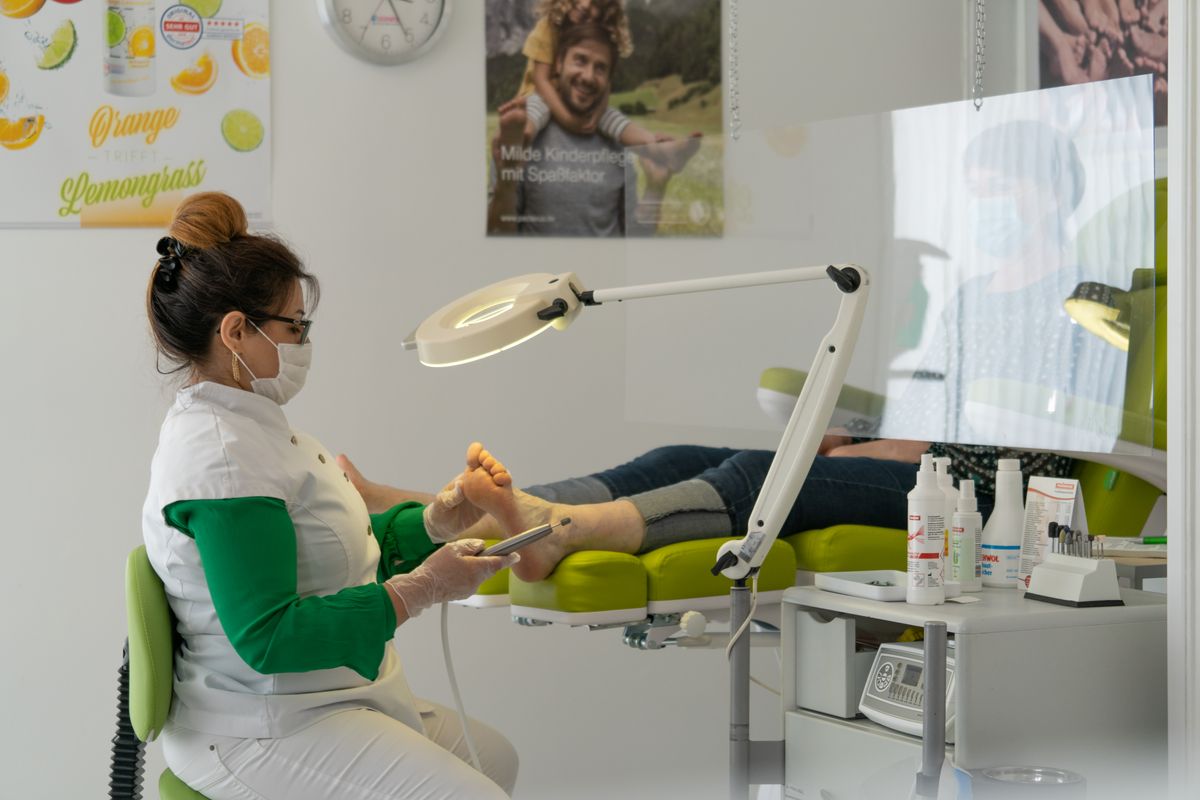
How to Market a Podiatry Practice
In a national survey, 77 percent of Americans said they had experienced foot pain, yet only about a third would ever see a podiatrist about it. That gap is your whole schedule. Most people assume aching feet are just something you live with, so they limp along and never call. Add 38 million Americans with diabetes, whose foot care is medically necessary and recurring, and the demand is enormous. Inside: how to win the map pack for podiatrist near me, why a page for each condition (heel pain, bunions, ingrown toenails, diabetic foot care) beats one generic services list, the reviews a foot pain patient actually reads, why the phone leaks more patients here than almost anywhere because the base skews older, and how to nurture referrals from primary care and endocrinology instead of just waiting for them.
Read the article →
How Much Does Google Ads Management Cost for a Medical Practice?
A physical therapy owner told us he spent 2,000 a month on Google Ads and got almost nothing back. When we looked, only 1,400 of it ever reached Google. The rest was a management fee he never knew was buried in the number. That is the trap: every ad budget hides two separate bills, and most quotes blur them together on purpose. Inside: the two bills you have to split apart (ad spend versus the management fee), the three ways agencies charge in 2026 (a flat retainer, 10 to 20 percent of spend, or 75 to 200 an hour), what healthcare clicks really cost by specialty (dental 4 to 12, dermatology 8 to 18, orthopedics past 25), a realistic monthly budget added up line by line, and the hidden cost that sinks most practices, a slow landing page that eats the click you just paid for. Plus why physicians average a 57 dollar cost per lead when the page and follow up are actually ready.
Read the article →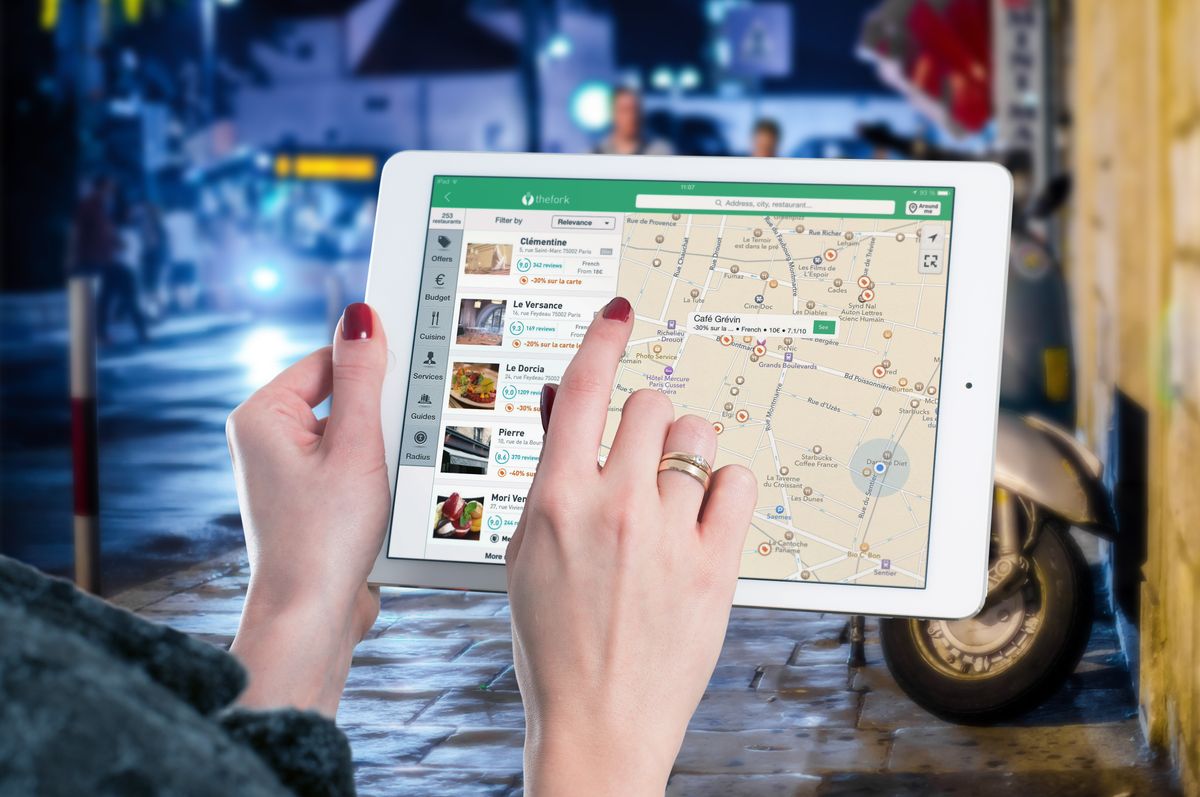
Does Geofencing Advertising Work for Medical Practices?
A med spa owner called us thrilled about a pitch: draw a virtual fence around the big hospital and the fancy gym, and beam her Botox ads to every phone inside. It sounded like a cheat code. In the way it was described, it was a fast route to a legal problem. Geofencing is real and it does work, but it is oversold, easy to waste money on, and in healthcare it carries a rule most owners have never heard of. Inside: what geofencing actually is and how it differs from geotargeting and geoconquesting, the places it genuinely helps a practice (local events, big employers, your own neighborhoods, new movers), and the one line you cannot cross, because in 2017 a firm that geofenced health clinics to target the people inside them got shut down by a state attorney general. Plus why search still deserves your first dollar, the accuracy problems nobody mentions, and the three questions to ask before you buy any geofencing at all.
Read the article →
Is Your Medical Practice Website Mobile Friendly?
Here is a 60 second test: open your own website on your phone, turn off the wifi, and try to book like a brand new patient. If you catch yourself pinching, zooming, and hunting for the phone number, that is exactly what your patients feel right before they give up and call the office down the street. Around 63 percent of Google searches happen on a phone, and since July 2024 Google ranks you based on the mobile version of your site, not the pretty desktop one you built it on. So the real question is not "does it look good on my front desk monitor." It is "can a patient in a parking lot, on cell data, read it and book in ten seconds." Inside: what mobile friendly actually means, the fast test any owner can run, why the old Google Mobile Friendly Test is gone but the rules are not, the five things that usually break on a phone, why you do not need a separate mobile site, and why a fast tappable site plus a phone that always gets answered are two halves of the same job.
Read the article →
How to Market a Pain Management Clinic
About 1 in 4 US adults live with chronic pain, according to the CDC, and here is the part that changes everything: most of them have already been waved off by two or three doctors before they ever find you. So marketing a pain clinic is not like marketing a dental office. The patient searching tonight is tired, a little scared, and usually cynical, and your job is not to sound impressive but to look like the place that will finally believe them. Inside: why the market is enormous yet most clinics still fight over referral scraps, how to win the "pain management near me" map pack, why your reviews need to say "she actually listened" and not just five stars, the condition and treatment pages your website is probably missing, why a full voicemail box after 5pm quietly sends ready to book patients to the clinic down the road, and how an AI receptionist catches the flare up calls that come at 8pm on a Saturday. Plus the free five minute audit that shows you exactly where you are leaking.
Read the article →
Do Patients Prefer to Book Online or Call?
Ask patients straight up and the phone still wins: in a Phreesia survey of nearly 14,000 people, 65 percent said they preferred to schedule by phone and only 18 percent online. Case closed? Not even close. An Accenture poll found 64 percent would book online if the option existed, and 43 percent of self scheduled appointments happen after business hours, at night and on weekends when your phone is off. So patients are not really choosing online or phone. They are choosing whichever door is open the second they decide to book, and too many practices leave one of them locked. Inside: why stated preference and real behavior split so hard, why a dermatology office sure their older patients would "never book online" started filling 9pm slots within two weeks, why online booking takes under a minute versus 8 on the phone, and why the fix is not picking a side but keeping both doors open and answered, with an AI receptionist covering the phone your front desk cannot.
Read the article →
Should My Medical Practice Reply to Comments and DMs on Social Media?
A med spa owner told us she did not really "do" the messages on her Instagram. Too busy, half of them spam anyway. So we opened her inbox together and found four real people underneath the junk: one asking if she treated melasma, one asking about pricing, one wanting an opening that week, one who had messaged twice and never heard back. Four potential patients sitting unanswered for weeks, while she paid for ads to find new ones. That inbox was a leak she never knew existed. A comment or a DM is not noise, it is a warm patient raising their hand, and silence is the one answer that sends them to the next practice. Inside: how fast you really need to reply (in Emplifi's 2025 report, two thirds of people expect an answer within a day and only 2 percent will wait more than two), the simple HIPAA line that keeps public replies safe, a plug and play reply formula, and why your inbox is really a second front desk that should route straight to your booking calendar.
Read the article →
Do Hashtags Work for Medical Practices?
A dermatology office pasted the same 30 hashtags on every post for three years. The result: 1,100 followers, mostly other skincare accounts, and zero patients who found them that way. So do hashtags even work anymore? Not the way you were told. In 2024 Adam Mosseri, the head of Instagram, said flat out that adding hashtags does not increase reach, and Instagram then retired the ability to follow a hashtag at all. The tag went from a discovery engine to a filing label. Inside: what actually replaced hashtags (the platforms now read your captions, audio and on screen text to decide who sees a post), why three to five local tags beat a wall of 30, why tagging your location matters more than any hashtag, and where a practice should really spend its social time to turn views into booked appointments.
Read the article →
Patients Are Getting Their Answers Without Clicking Your Website
A dermatology office called us in a panic because their website traffic was down for the quarter. So we pulled the real numbers: new patient calls were up, booked visits were up, and the only thing that dropped was people landing on the homepage. Patients were finding them, deciding, and calling, all without ever opening the site. That is zero click search, and if you measure your marketing by website visits alone, you are watching the wrong scoreboard. Nearly 60 percent of US Google searches now end with no click at all, per Semrush. But here is the nuance that matters for a doctor: as of late 2025, Google was mostly not putting AI Overviews on doctor near me searches, so those still go to the map pack, where a strong Google Business Profile wins the patient on the spot. Inside: the split between health questions (answered by AI) and provider searches (still the map pack), why your Google profile is doing your homepage's old job, why the website still matters just differently, and the exact moves to get picked whether or not anyone clicks.
Read the article →
What Is a Good Call Answer Rate for a Medical Practice?
A dermatologist with fresh ads and a new website still had gaps in her schedule, and could not figure out why. We put a tracker on her phone line for two weeks: the office was missing about a third of its calls, and almost nobody left a voicemail. She was paying to make the phone ring and then letting it ring out. She is not the exception, she is the average. Studies of real practice lines find offices answer only 58 to 66 percent of calls during business hours, so one in three patients never reaches a human. And those callers do not wait: about 62 percent hang up without leaving a message and roughly 67 percent call a competitor instead. Inside: the honest benchmark (a good answer rate is 90 percent or higher, abandonment under 5 percent), what each missed call really costs, the exact hours you lose the most calls (lunch and after hours), why the phone is still the front door when 67 percent of patients still prefer to call, and how online booking, texting, and an AI receptionist get you from 65 percent answered to 95 percent.
Read the article →
How Far Will Patients Travel to See a Doctor?
A dermatologist with 20 years and a wall of five star reviews wanted to run ads across three counties. We mapped her actual patients first: almost 9 in 10 lived within 15 minutes of the office. She was about to spend real money reaching families 40 minutes away who would never make that drive for a skin check. That is the trap with patient travel distance. Owners imagine their reach is bigger than it is, while patients draw a small circle around home and pick from whoever is inside it. Inside: the real data (median primary care trip near 13 minutes, 62 percent of patients name a convenient location as a top reason they chose their doctor), the three things that stretch or shrink that circle, why your ads should target a radius and not a whole city, how winning the Google map pack beats a flashy campaign, the telehealth angle for patients who live too far, and our honest take that a small circle you fully own beats a huge one you barely touch.
Read the article →
What a New Study Found When AI Started Answering the Phones
Picture a specialty front desk on a Monday. Two lines ringing, a patient at the window, a fax coming through. Something has to give, and it is almost always the phone. The caller hits voicemail, hangs up, and dials the next practice on the list. Nobody did anything wrong. There were just more calls than hands. A 2026 study in the peer reviewed journal Cureus set out to fix exactly that: it put AI in charge of a high volume neurology practice's call center and measured the impact on access, efficiency, revenue growth and cost containment. The result across all four was the same direction, up on access and revenue, down on cost, because on a phone line, saving the call and saving the money are the same act. Inside: what the study actually looked at, the quiet phone leak that costs most practices more than their whole ad budget, why the headline about robots replacing your front desk is the wrong story (recent Medical Economics reporting agrees), where AI belongs on your line and where it does not, why the smaller your practice the more this matters, and how we put a receptionist that answers and books every call, day or night, onto your line without replacing the people your patients love.
Read the article →
How Much Does It Cost to Acquire a New Patient?
A physical therapy owner asked us a question like a confession: "Is it normal to spend 300 dollars to get one new patient?" Seeing the number on an invoice made his stomach drop. So we asked him one thing back. What is a patient worth to you over the year they stick around? He did the math out loud, got quiet, and landed on about 2,100 dollars. His 300 dollar patient was one of the best deals in his whole business. He just never had the second number to see it. That is the trap with patient acquisition cost: owners see the price and flinch, with no context to tell them if it is cheap or expensive. Inside: what a new patient actually costs by channel (referrals close to free, local search cheap once it ranks, paid ads often 150 to 600 depending on specialty and market), the two minute formula to find your own number, why paid patients cost far more than paid leads, the one comparison that decides whether you are overpaying, and our honest take that most practices are not overpaying for patients, they are underconverting the ones they already pay for.
Read the article →
What Is a Good Lead to Patient Conversion Rate for a Medical Practice?
A med spa owner was sure her ads were broken. Plenty of form fills, plenty of calls, and the schedule still had gaps. So we asked one simple question: out of every ten people who reach out, how many actually book? She had no idea. We pieced it together from her call log and inbox, and the answer was under two in ten. Her ads were fine. The leads were showing up and falling into a gap between the inquiry and the appointment, with nobody catching them. This is the most expensive number almost no practice tracks. You will debate cost per click all day, but the moment a real human raises their hand, the measuring stops. That is backwards, because it is the cheapest place to grow: you already paid to get them interested. Inside: a real benchmark (most practices should book 30 to 40 percent of genuine inquiries, the best clear 50, and many sit under 20 without knowing), the two minute formula to find your own, why speed of response is the whole ballgame, the same handful of leaks we find every time, and our honest take on why doubling your ad budget to fix a bad conversion rate is the most expensive mistake in healthcare marketing.
Read the article →
What Is a Good Patient Retention Rate for a Medical Practice?
A family practice owner in Ohio was adding forty new patients a month and his schedule barely moved. He blamed the ads. Then we pulled a different report: how many of last year's patients never came back. He was losing them out the back almost as fast as he poured them in the front, and he had never once measured it. That is the trouble with retention. New patients are exciting and easy to count. Retention is invisible until you feel it in the schedule, and by then you have lost a year. So here is a real benchmark: most practices that see patients regularly should keep 80 percent or more year over year, and the best push past 85. Slip under 70 and something fixable is usually wrong. Inside: the simple formula to find your own number this afternoon, why keeping a patient is 5 to 25 times cheaper than winning one, the real reasons patients leave (almost none of them clinical), and the boring front desk fixes that move the number. Plus our honest take: no ad budget on earth outruns a bad retention rate, and the cheapest growth you will ever get is the patient who was already yours.
Read the article →
How to Let Patients Book Appointments Directly From Google
A med spa owner swore her Google listing was great. Good reviews, nice photos, showing up for the right searches. So why were new patients still slow? We asked her to book an appointment on her own phone, like a stranger would. She got as far as a phone number and a Call button, at nine at night, with the office closed. Every ready to book patient had one dead end option, and a lot of them were booking the office next door instead. This is one of the most overlooked leaks in healthcare. Health is one of the most common things people search for, roughly one in twenty of all searches, and a huge share of it happens after hours on a phone. In that exact moment your Google Business Profile is the storefront, and for most practices the door is locked with a call during business hours sign. Inside: how patients can book straight from Google with a Book button on your profile, the two ways to turn it on, why roughly two thirds of patients prefer providers that let them book online, the booking flow mistake that kills the whole thing, and how missed calls finish off the patients the button does not catch. Plus our honest take: the most expensive patient to earn is the one who was already sold and could not get in.
Read the article →
How to Get Patients to Book Their Next Visit Before They Leave
A dermatology office looked booked solid for three weeks, so the owner felt fine. Then we looked further out. Month two was thin, month three was almost empty. Every patient was leaving happy and being told we will send a reminder when you are due, walking out with nothing on the calendar. The schedule was draining from the back while the front stayed busy. This is one of the most expensive habits in healthcare and almost nobody names it. The four scariest words in your schedule are I will call you, because the motivation a patient feels in your chair fades the second they get back to work and kids and life, the reminder gets buried, and calling a medical office always feels like a chore they can do tomorrow. Practices that book the next visit at checkout report retention rates roughly 20 to 30 points higher than practices that promise to call later. Inside: why I will call you almost never happens, why booking first and reminding second is the order that actually works, the five front desk moves that get the yes, and what to do for the patients who genuinely cannot commit. Plus our honest take: your front desk is a growth engine, not a cost center, and nudging your reappointment rate from 60 to 85 percent can beat any ad campaign for next quarter without a dollar of media spend.
Read the article →Can a Medical Practice Grow Without Social Media?
A family practice owner told us he felt guilty. Every webinar and every younger colleague kept telling him he had to be on Instagram and TikTok or fall behind. He hated all of it. So he asked us straight: will my practice die if I never post? No. It will not. And we told him that even though we run social media for practices for a living, because the truth is more useful than the pitch. A practice can grow, and grow well, without a single reel. What it cannot do is grow while it is invisible on Google, has three sad reviews, and a website that takes eight seconds to load. Patients do not scroll a feed hoping to bump into a doctor. They search, they read reviews, they check your website. Google has said health is one of the most common things people search for, around one in twenty of all searches. Inside: the four things that grow a practice without a single post, a complete Google Business Profile, a steady flow of honest reviews, a website that loads fast and books people, and quick response when someone reaches out. Plus what social media is actually good for, why posting does not boost your Google rankings, and our honest take: fix the foundation first, then let social amplify it. Social is the multiplier, not the engine.
Read the article →New Patient Onboarding: What to Do Before the First Visit
A new patient books online at 9pm, feels good about it, then hears nothing from you for three weeks. By the day of the visit, the spark is gone and a big chunk of those patients just never show. A med spa owner called us frustrated: her ads worked, her calendar filled, and her front desk kept saying first timers just did not walk in. The leak was the silence after the booking. New patients no show far more than regulars, about 30 percent versus 21 percent in one specialty study, because they booked a stranger and nothing since made it feel real. Inside: the three simple messages that carry almost all the weight, a warm welcome within minutes of booking, a practical pre visit note a day or two out, and one clear reminder the morning of that they can reply to. Plus why texting beats voicemail and email, why five reminders backfire, and how onboarding is where retention and referrals actually start, not just no shows. Research from Imperial College London found reminders can cut no shows by close to 40 percent. Our honest take: stop treating the booking as the finish line. You already paid to get the patient. A few good messages decide whether that turns into one visit or a decade of them.
Read the article →
What Is a Good Social Media Engagement Rate for a Medical Practice?
Your post got 12 likes and you felt like a failure. But what is the number actually supposed to be? A dermatologist messaged us worried her account was broken, a good before and after pulled 14 likes on 2,200 followers. She was sitting at about 0.7 percent, which is completely normal. The number in most owners' heads is a fantasy. Real medians, per RivalIQ benchmark data, run near 0.5 percent per post on Instagram, a fraction of that on Facebook, and higher on TikTok. Inside: the real healthcare benchmarks by platform, the two ways to calculate engagement rate and why you must pick one, why yours feels low even when it is healthy, and the part nobody says out loud, that engagement rate measures applause, not patients. A practice can have a beautiful 2 percent rate and an empty schedule if the audience lives three states away. Plus the numbers that actually matter, local reach, saves, profile visits, messages, and booked appointments, and how to lift real engagement in a way that fills chairs. Our honest take: watch the number if you like, just never let it decide whether your marketing is working. The schedule tells you that.
Read the article →
What Makes Patients Trust Your Medical Practice Website
A stranger lands on your website at 9pm, ready to book, a little nervous, and decides in a few seconds whether you feel safe. Most of that decision happens before they read a word. A dermatologist called us because her site had traffic but nobody was booking. So we opened it on a phone at night, the way a real patient would: nine seconds to load, a stock model in a lab coat who clearly was not her, no reviews anywhere, and a browser warning that the site was not secure. She has excellent outcomes. A nervous stranger never saw that, they saw a page that did not feel safe and picked someone else. Stanford web credibility research found about three in four people judge a company's trustworthiness on how its website looks and feels, and healthcare carries more fear than almost any other search. Inside: the seven signals that actually earn trust, fast load on a phone, a current and clean design, real photos of your actual team instead of stock, reviews and proof up top, a warm doctor bio with real credentials, a secure HTTPS connection, and an obvious way to reach a human. Plus the trust killers that undo everything, and a ten minute checklist you can run on your own site today. Our honest take: pretty is not the point, safe is, and a patient at 9pm just wants to know it is okay to hand you their health.
Read the article →
How to Market a Direct Primary Care Practice
Direct primary care is one of the fastest growing models in American healthcare, and doctors are walking away from the insurance treadmill to build practices they actually love. DPC Frontier's national mapper now tracks more than 2,000 of these practices, and the number climbs every year. The demand for honest, unhurried primary care is real and growing. So why do so many DPC doctors sit with a half empty panel eighteen months in? One doctor told us her problem was not the care, patients adored it and told every friend. Her problem was that almost nobody in her town had ever heard the words direct primary care, and you cannot join a thing you do not know exists. That awareness gap is the whole challenge of marketing a membership practice, and it changes everything. Inside: why your marketing has two jobs, teach the model fast and then make joining feel safe. How to own local search for the growing crowd already hunting for an exit from insurance based care. Why hiding your price is the worst thing a DPC site can do, since the affordable flat fee is often the exact moment someone falls in love. How to educate on social like a classroom, land local employers desperate for a cheaper benefit, and turn unusually loyal members into a referral engine. Our honest take: transparency is your unfair advantage, so market like it, show the price proudly, and make a great, simple idea impossible to misunderstand.
Read the article →
How Do Patients Choose a Doctor?
By the time a patient calls your office, the decision is usually already made. The real choosing happened days earlier, on a phone, at night, comparing you against two other practices they had never heard of a week ago. A pediatric dentist called us frustrated: she is genuinely excellent, twelve years in the same town, and watches newer offices fill up while she has open slots. Her question is the one almost every owner asks eventually, how are people choosing the other office over me when I am clearly the better dentist? The hard truth: patients are not choosing the better dentist. They cannot see who that is. They are choosing the practice that looked safer, easier and more trustworthy in the ninety seconds they spent deciding on their phone. Inside: the real path patients take, from trigger to search to reviews to website to the call, and why most of it happens before you even know they exist. The five signals patients actually judge you on, in order: can they find you and are you in network, your reviews and star rating, your Google Business Profile, your website, and how fast and how human you answer. Why a perfect 5.0 can convert worse than an honest 4.7. How referrals changed, since even a referred patient now googles you before they book, so word of mouth quietly dies on a stale profile. Plus the step that undoes everything else: getting chosen, then losing the patient to voicemail in the final ten seconds. Our honest take: you are not fighting on medicine, you are closing the gap between the quality of your care and the quality of your first impression.
Read the article →
Should You Put Patient Reviews on Your Website?
Your future patient already read your reviews on Google before they ever visited your site. So when they land on a homepage that talks only about you, with zero proof anyone was ever happy there, the trust they walked in with quietly drains out. A dermatology office asked us to fix their site last spring: clean design, nice team photos, a booking button that worked, and not one word from a real patient anywhere on the page. That is the gap that leaves the phone quiet. Inside: why reviews are the single most believable thing on your entire website, since a stranger wrote them and not your marketing team, and why nearly all patients read them before choosing a provider. The Google to website trust gap, where the momentum you earned on the map leaks away in the ten seconds it takes a visitor to scroll and feel nothing, and how a couple of real reviews next to your booking button close it. The honest catch most agencies skip: reviews on your own site will not give you those gold star ratings in Google search, because Google stopped showing stars for self serving reviews back in 2019, so treat them as a conversion tool, not an SEO trick. The HIPAA trap that has fined real practices, where the patient can say anything about their own care but you cannot confirm a word of it in a public reply. Why faking or polishing testimonials backfires, and why a perfect five point zero can convert worse than an honest 4.7. Plus the smart way to pull real, fresh reviews onto your site and place them where patients actually decide. Our honest take: stop asking strangers to trust you on your word, and let the people you already helped do the convincing.
Read the article →
How to Market an Audiology Practice in 2026
Close to 48 million Americans live with some hearing loss, and the number climbs every year as the country ages. So an audiology practice should have patients lined up out the door. Instead, most people wait about seven years before they ever pick up the phone, and now they can grab a hearing aid off a store shelf. An audiologist told us the hardest part of her job is not the fitting, it is the front door, patients who admit they turn the TV up, miss half of what the grandkids say, and still say I do not think it is that bad. Inside: why your real competitor is not the clinic down the road but denial, stigma and a cheap gadget at the pharmacy, and how to beat all three. Why the first marketing job is emotional, lower the fear with a free, painless hearing screening before you ever mention a device or a price. The single most underused message in the field, hearing care is brain health, backed by the Lancet Commission naming hearing loss as one of the largest modifiable risk factors for dementia and Johns Hopkins finding treatment slowed cognitive decline by nearly half in at risk older adults. How to out class the over the counter shelf instead of fighting it on price, by being the diagnostic, the medical rule out, the accurate fitting and the years of follow up a gadget can never match. Why so many callers are adult children helping a parent, and why answering fast decides everything. Plus the recall system that turns one fitting into a decade long patient. Our honest take: stop shouting into the noise and become the practice your town trusts with its hearing.
Read the article →
Does Your Google Business Profile Category Actually Matter?
It is one dropdown on a page most owners set up once and never look at again, yet that single choice quietly decides which searches you appear for and which ones you vanish from. A med spa owner called us frustrated: great location, glowing reviews, a beautiful space, and still barely showing up for the treatments she was known for, while a newer competitor with fewer reviews sat at the top. We found the culprit in thirty seconds. Her primary category was too broad. Inside: why your primary category is one of the strongest local ranking factors there is, consistently landing among the top three in the annual surveys of SEO pros alongside proximity and reviews, because it is the label Google reads first to decide if you even belong in a search. The difference between the primary category, which carries the most weight and should be as specific as possible, Dermatologist not Medical Clinic, and the up to nine secondary categories, which help you show up for real extra services but hurt you when stuffed with irrelevant ones. Why the wrong category is so easy to miss, nothing looks broken, the phone just rings less. A five minute self check you can run right now against a competitor who outranks you. And the honest part: the category is the highest return, lowest cost move in local search, but it only makes the phone ring when it sits inside a real system with a fast website, fresh reviews, and every call actually answered.
Read the article →
Should I Keep Marketing If My Practice Is Already Full?
A packed schedule feels like the finish line, so you cut the marketing spend and enjoy the win. It is one of the most natural instincts an owner has, and one of the most expensive mistakes we see healthy practices make. A dermatologist called us booked eight weeks out, wanting to pause everything. We asked one question back: what does your schedule look like after Labor Day, once summer ends and two of your busiest patients move away? Long pause. That gap is the whole problem. A full book tells you about today and nothing about the month that quietly decides your year. Inside: why a full calendar is a snapshot, not a guarantee, since most practices lose 15 to 20 percent of their patients every year to moves, insurance changes, retirements and simple drift, so a practice that stops adding is not steady, it is slowly shrinking. Why the damage is invisible and delayed, the schedule holds on momentum for months, then your Google ranking slips, your reviews go stale, competitors bank the ground you gave up, and one day there are gaps you cannot explain. And the good news most owners miss: being full is leverage. Use it to build a waitlist instead of turning callers away, trade low value visits for higher value ones, feed the provider you are about to hire, and reactivate past patients while your intake can handle it. Our honest take: quiet is the most expensive setting. The practices that grow treat marketing like the lights and the rent, a baseline that stays on and changes speed, never a faucet you crank only in a panic.
Read the article →
How to Market an Urgent Care Center in 2026
Nobody plans an urgent care visit. A kid spikes a fever at 8pm, an ankle rolls on a Saturday hike, and the patient grabs a phone, types urgent care near me, and picks in about two minutes. Your marketing has one job: be the obvious choice in that tiny window. The demand is enormous and growing, more than 170 million visits a year across roughly 11,900 US clinics, with volume up about 12 percent in a single recent year, so this is not a demand problem, it is a moment problem. Inside: why patients decide on a short checklist (close, open now, wait time, insurance, reviews) and how to win each one. Why local search and a fully built Google Business Profile do the heavy lifting, since most people never scroll past the map. How to show your wait time and correct hours everywhere, because most patients are seen within 15 minutes and that speed is your best selling point when it is visible. How to build symptom pages people actually search, stack recent reviews as the tiebreaker, make mobile check in effortless, and go get the planned visits, physicals, flu shots, employer screens, that fill slow mornings. And the leak that sinks great centers: a phone that rolls to voicemail during the exact evening and weekend rush that drives your volume. Our honest take: fix the moment, answer every patient instantly, and you stop losing visits to the clinic four minutes away.
Read the article →
AI Is Reshaping Med Spa Patient Acquisition. Here Is Where It Actually Helps
A story making the rounds this week says AI tools are changing how med spas get new clients. It is true, but not the way the headlines suggest, and reading it wrong is how owners waste money. The aesthetics market is booming and brutal at once: worth about 24 billion dollars in 2025, growing near 16 percent a year, with 8,000 to 12,000 med spas in the US and roughly a thousand new ones opening every year. The buyer changed too, now about 40 years old on average versus 47 in 2018, and that client finds you at 9pm on their phone and expects to book right then. Here is the part that stings: most med spas do not have a traffic problem, they have a response problem. Up to 30 percent of inbound leads to smaller med spas go unanswered because staff are with clients, and even three missed calls a day can cost more than 130,000 dollars a year. Inside: exactly where AI earns its keep (answering leads in seconds, following up without burning out your front desk, cutting no shows), where it is pure noise (it will not fix a slow site or fake trust in a business where people let you put a needle in their face), and the order that actually works, foundation first, then get found, then automate. Our honest take: AI is a fantastic employee and a terrible strategy. Bolt it onto a real system and it turns bookings you were already losing into revenue.
Read the article →
Should Each Doctor Have Their Own Google Business Profile?
A four provider clinic called us frustrated: their newest doctor complained patients could not find her by name, the office manager tried to set up a Google listing for every provider over a weekend, and then a scary policy warning landed in the inbox. It is one of the most misunderstood questions in local search, and the honest answer is not a simple yes or no. Google really does allow a separate profile for each public facing provider, on top of the clinic profile, because doctors qualify as what Google calls practitioners. Done right, it means a patient searching "Dr. Alvarez" lands on Dr. Alvarez, with her photo, her reviews and a way to book, instead of bouncing off a generic clinic name. Done wrong, it is one of the fastest routes to a suspended account. Inside: exactly what Google's guidelines allow, the rules that keep you safe (real providers only, real names with no keyword stuffing, zero duplicates), why solo practices should never do this, when provider profiles genuinely bring in more patients, and a calm step by step setup. Our honest take: the goal is never the most listings, it is the right listings, each one real and maintained, because a thin half finished profile makes patients trust you less and cracks your whole account open to Google.
Read the article →
Does Pinterest Work for Medical Practices?
A med spa owner emailed us, half apologizing: "My daughter says I should be on Pinterest. Is that a real thing for a business like mine, or is it just crafts and recipes?" For her business, it was probably her single most overlooked opportunity. For a busy urgent care, it would have been a wasted afternoon. Pinterest is one of the few channels where the honest answer really depends on what you do, because it is not a social feed at all. It is a search engine. People go there to plan a glow up, a new smile, a weight loss journey, a baby, and they save ideas for the moment they are ready to book. That means two things: the audience is already in planning mode, and pins do not vanish like an Instagram post. One good pin can keep sending clicks to your website for months or years. Beauty, skincare, health and wellness sit among Pinterest's most searched topics, on a platform most practices think is for recipes. Inside: exactly who it fits (med spa, dermatology, cosmetic surgery, cosmetic dentistry, wellness, fertility) and who should skip it, the HIPAA line you never cross, and a five step plan that points every pin at a page that actually books. Our honest take: for the right practice it is one of the most underused traffic sources in healthcare, but only after your Google, reviews and website are solid. Pinterest is the tenth thing you do well, never the first.
Read the article →
How Often Should I Update My Medical Practice Website?
A clinic called us because a patient drove 40 minutes to an office they had closed a year earlier. The old address was still sitting on their website. Most practice sites are not broken, they are just frozen in time: the hours change and nobody edits them, a provider leaves and the bio stays up for two years, a new service launches and the site never mentions it. So how often should you update it? Think in three clocks. The facts (hours, phone, providers, insurance) get fixed the day they change and reviewed monthly. The content (posts, photos, service pages) refreshes on a monthly or quarterly beat so Google keeps finding you. The foundation (design, speed, mobile) gets a full look every two to three years, because roughly 75 percent of people judge a business by how its website looks. Inside: a simple weekly to yearly schedule you can actually keep, why a stale site quietly leaks patients you never see, and how we keep practice websites current instead of frozen.
Read the article →
What Is a Good Bounce Rate for a Medical Practice Website?
A physical therapy owner saw a 68 percent bounce rate, read online that anything over 50 was bad, and nearly scrapped her whole site. It was fine. Most of those visitors were landing on her contact page, reading her hours, tapping to call, and booking, which still counts as a bounce. Bounce rate is one of the most misread numbers in healthcare marketing. The average site sits between 40 and 60 percent, the definition flipped when Google moved everyone to GA4, and a high number can mean people left happy or fled in three seconds. Here is the real benchmark, how to read it next to time on page and bookings, and when a bounce rate actually means something is broken.
Read the article →
Should You Reply to Positive Patient Reviews? Yes, and Here Is the HIPAA Trap
A happy patient just left you a glowing five star review. Do you say thank you, or leave it alone and get back to work? Most owners skip the reply, figuring the good ones speak for themselves. The data says that is a mistake, and the fix costs nothing. In BrightLocal's Local Consumer Review Survey, 89 percent of consumers said they expect businesses to respond to reviews, positive and negative alike, and about half said they would be reluctant to use a business that only answers the bad ones. Cherry picking which reviews you reply to reads as inauthentic. Replying across the board looks human, feeds your Google ranking with fresh text, turns one happy patient into a louder one, and coaches the next person to leave a review too. But here is the catch nobody warns you about: in healthcare, even a warm thank you can break HIPAA. A friendly \"so glad your veneers turned out perfect, Maria!\" just confirmed Maria is a patient and named her treatment in public, the exact kind of disclosure that has cost practices real federal settlements. HIPAA protects the fact that someone is your patient at all, and their choice to go public does not transfer to you. Inside: why patients expect a reply even to praise, what a reply does for your local ranking and referrals, the one line rule that keeps you safe, three warm generic thank you templates you can use today, a med spa owner's close call, and how we set up the whole review loop, ask, reply, protect, so your reputation turns into booked appointments.
Read the article →
How Many Pages Should a Medical Practice Website Have?
Most owners ask for a website and picture four or five clean pages. Then they wonder why Google never shows them. The page count is not a design detail, it is one of the biggest reasons a site does or does not bring in patients. A plastic surgeon sent us his gorgeous new site, one long beautiful page with all eleven of his procedures listed in a tidy row, then asked why nobody could find it. His site ranked on page one for none of those eleven, because Google does not rank websites, it ranks pages, and patients do not search for clinics, they search for services. All eleven procedures were crammed onto one page, fighting each other and losing to competitors who gave each one a home of its own. This is the honest answer to the page count question, and the one rule that decides it: if patients search for it, treat it, or ask about it often, it deserves its own page. Inside: the core pages every practice needs (home, about, contact and booking, new patient and insurance), the pages that actually bring in patients (one dedicated page for every single service, one for every location, a growing blog, plus reviews, FAQ and conditions pages), why a page per service is the single biggest lever most owners miss, and why HubSpot found sites with 30 plus landing pages generate about seven times more leads than sites with fewer than ten. Also the catch that matters in healthcare: more pages only help when each one is real, thin near duplicate pages hurt you. Plus a simple starting site map you can grow from, and how we build page rich sites that actually get found.
Read the article →
Should Your Medical Practice Advertise on YouTube?
Most owners still picture YouTube as music videos and cat clips, not a place to find patients. That picture is a decade out of date. It now reaches more US adults than any other platform, 83 percent per Pew Research, and Nielsen's monthly data shows it beating Netflix and every other app on the living room TV. So your local patients are already there, on the couch after dinner. The real question is whether paying to reach them makes sense for a practice like yours. A plastic surgeon swore his busy professional patients never watched videos, until we pulled his own analytics and showed him a chunk of his site traffic coming straight from YouTube, people watching a procedure explainer, clicking through, then leaving without booking. He was getting free attention there and had no way to follow up. That follow up is exactly what a YouTube ad does. Inside: why YouTube ads run through Google Ads so you mostly pay only when someone actually watches, how to target just your zip codes and retarget the people who almost booked, the two jobs the platform is genuinely great at (awareness for high consideration services like implants, cosmetic work, weight loss and fertility, plus retargeting your near misses), when to skip it entirely (you need patients this week, or your website does not convert yet), why one clear phone video of the doctor beats an expensive production, and the step everyone forgets, making sure the calls and forms your ad creates actually get answered fast. Our honest take: underused and easy to waste money on, both true. A smart second layer, not your first move.
Read the article →
Should Your Medical Practice Offer Same Day Appointments?
A patient wants to be seen this week. Your next opening is three weeks out. So they call the next office, book an urgent care visit, or open a telehealth app, and you never even know they tried. That single gap, between how long you make people wait and how long they are actually willing to wait, is where a lot of practices lose the exact patients their marketing paid to reach. The average wait to book a new patient visit in major US cities has climbed to roughly a month, while surveys keep finding patients expect to be seen in days, not weeks. A dermatology office came to us frustrated: ads working, phone ringing, new patients flat. We listened to a week of their calls and the problem showed up in the first five minutes. Caller after caller asked how soon can you see me, heard about a month, and politely hung up. Those were not bad leads. They were good patients handed straight to a faster competitor. Inside: the real numbers on how long patients wait now, why same day slots also cut your no shows (longer lead time means more cancellations), the honest downsides nobody mentions, and a practical playbook to offer same day access without your schedule falling apart, reserve a few protected slots, make today bookable online, answer fast, run a short waitlist, and say it loud in your marketing. Access is the most underrated growth lever in healthcare. You can win the ad and lose the patient over a calendar problem. Here is how to stop.
Read the article →Augmented Intelligence, Not Artificial: What the AMA Wants Your Practice to Understand
Read enough about AI and you feel two things at once. Excitement, because it clearly does real work now. And a low hum of dread, because the word artificial makes it sound like the plan is to replace you. If you own a practice, that dread has a shape: patients come to you for a human, and you do not want a robot answering the phone and scaring them off. Here is what should calm you down. The largest physician group in the country made a deliberate choice and has stuck to it for years. The American Medical Association does not say artificial intelligence. It says augmented intelligence. Same letters, completely different promise. Artificial suggests a machine that thinks instead of you. Augmented suggests one that helps you think faster and reach further, with the human still in charge and the technology carrying the load underneath. That is not soft PR. It is a policy stance about how these tools should be built and used in medicine, and it is the single best guide there is for bringing AI into your practice without losing the thing patients actually come for. And this is not a someday problem. Fierce Healthcare's 2026 fundraising tracker is full of AI companies raising rounds most practices could not dream of, including agent startups pulling in over 107 million dollars at a clip. The part that touches you most, AI that answers calls and books appointments, is affordable and working for independent practices right now. Inside: why the fear is aimed at the wrong thing, what augment actually looks like at the front desk, the machine takes the overflow and your staff keeps the humanity, the simple test for good healthcare AI, and two honest rules, keep a human in the loop and be straight with patients, so you never cross the line medicine should not cross. Not artificial. Augmented. The point was never to swap out your people. It was to give them back the hours they lose to a ringing phone.
Read the article →
Does Your Practice Info Have to Match Everywhere Online?
A dermatology office moved one floor up, from suite 200 to suite 210. Small change, nobody thought twice. Six months later new patients kept calling from the parking lot, annoyed, because the lobby directory still pointed them one floor down. When we pulled their listings it was worse than the lobby sign: Google said 210, Yelp said 200, their insurance directory said 200, and an old health site still showed a phone number they had dropped two years earlier. Every one of those was a patient sent in a slightly wrong direction, and the ones who gave up never called to complain. They just booked the next practice on the map. This is one of the least glamorous problems in practice marketing and one of the most common questions we get once owners realize it exists: does my information really have to match everywhere, or is close enough good enough? It matters for two very different reasons. One is human: a patient who is not loyal to you yet, deciding in ten minutes between three offices, will not email to sort out a wrong address, they tap the next name. BrightLocal has found around 80% of consumers lose trust in a local business when they spot incorrect or inconsistent contact details. The other reason is Google: search engines cross check your name, address and phone number across dozens of sites to decide how much to trust you, and when those details conflict your local map ranking quietly slips. Inside: why one small move scatters wrong data across the web for years, why you are on far more sites than you think, insurance directories especially, and the exact order to fix it, your own website first, then Google, Yelp and Facebook, then the health and insurance directories, then keep watch because listings drift back. Our honest take: nobody brags about cleaning up citations, it will not go viral, it is a spreadsheet and an afternoon. Which is exactly why so few of your competitors ever finish it, and why doing it well removes a drag holding back everything else you spend on.
Read the article →
How to Get Your Practice Recommended by ChatGPT
A urologist opened ChatGPT, typed "who is a good urologist near me," and got back three practice names. His was not one of them. Two newer offices with a fraction of his experience were. His question was fair: how did a computer decide those two mattered and I did not? That question is coming for every practice. OpenAI says ChatGPT passed 800 million weekly users, and a growing share of them ask it to make a decision, find me a pediatric dentist, a men's health clinic, the best derm in town, and get a short answer with two or three names instead of ten links. On Google you could be the seventh link and still get found. In an AI answer there is no seventh link. Here is the detail almost nobody knows: when ChatGPT searches for a local business, it runs on Microsoft's Bing index. So the practice that carefully polished its Google profile and never once claimed Bing Places, the free equivalent, is feeding the AI missing or wrong information. The AI does not invent a favorite. It summarizes what the web says, leaning on consistent listings, recent reviews, a fast clear website, and plain factual answers. Our honest take: AI search is not a new discipline, it is the same local trust fundamentals, plus a ten minute Bing step almost nobody in your town has taken. Do the boring work well and you stop hoping the AI finds you and start being the answer it gives.
Read the article →
Do Instagram Reels Work for Medical Practices?
A dermatologist showed us a Reel with 90,000 views and asked why her Thursday afternoons still had empty slots. Fair question, and the honest answer surprises most owners: Reels really do work, just not for the job they think. Here is the confusion behind it. Reels are Instagram's short vertical videos, and they get huge reach because Instagram pushes short video hard right now and shows Reels to people who do not follow you yet, strangers in your own town. Data from tools like Socialinsider and reports from Hootsuite keep finding Reels pull more reach and interactions than photos or carousels, and for a local practice fighting to be seen that free reach edge is real. But here is what tangles people up: Reels are a top of the funnel tool. They are brilliant at building reach, building trust, and making you findable and human, and weak at the last step, actually getting someone to book. A view is not a decision. Ninety thousand people can watch and almost none drive to your office, because nothing asked them to and nothing made it easy. The gap is what happens after someone taps your profile, a dead bio link, a slow website, a message nobody answers for two days, and every interested patient leaks out at the exact moment they raised a hand. The Reel is the hook. Your profile, website, and response are the line and the net. Our honest take: post the Reels, the reach is worth it, but chasing viral views books nobody on its own. Judge them by profile visits, clicks, and messages, then build the clear path from a view to a booked appointment behind them.
Read the article →Do Google Business Profile Posts Actually Help Your Medical Practice?
A dermatology office called us frustrated. They had posted on their Google listing three times a week for two months, skin tips and pretty stock photos, and still were not ranking above the practice across town. The honest answer surprised them: those posts were never going to move their ranking much in the first place. But they were missing the one thing posts are genuinely good at. Here is the confusion behind a question we hear constantly, do Google Business Profile posts actually help or are they busywork. The short version: they help, just not the way most people assume. The myth first, because it is where the wasted effort goes. Google ranks local results on relevance, distance and prominence, and posts are not on that list, so grinding out three a week to leapfrog a competitor on the map is polishing the wrong thing. What moves ranking is reviews, categories, a complete profile and a fast website. Now the truth: posts are a conversion tool, not a ranking tool. They fill the last inches of the patient journey with useful, current information at the exact second someone is deciding between you and two similar offices. A fresh post that says accepting new patients, we take most insurance, book in sixty seconds answers the question in their head and hands them a button, while the office next door shows nothing. One catch shapes everything: a standard post fades from view after about seven days, which is exactly why once a week is the sweet spot. Our honest take: posts are worth doing but oversold, so get the order right, a complete profile, fresh reviews and a fast website first, then use posts as a weekly answer to the deciding patient. In that order they genuinely help. In the wrong order they are busywork with a nice font.
Read the article →
What Is the Best Time to Post on Social Media for a Medical Practice?
An office manager showed us a color coded spreadsheet of best time to post charts. She had spent an afternoon on it, and it was aimed at almost the least important knob on the whole dashboard. Here is the honest guide. The real data first, because the big studies from Sprout Social and Hootsuite do agree on a safe default, weekday mornings into early afternoon, roughly 9am to noon, Tuesday through Thursday. Then the two asterisks that change everything. First, feeds are not chronological anymore. Instagram, Facebook, and TikTok moved to a recommendation feed that shows a post based on how interesting it is, not how recently it went up, so a great post at 8pm Saturday can outrun a dull one at the perfect 10am Tuesday, and timing became a small early nudge instead of a magic switch. Second, those charts are a national blur across every industry, not your patients, while your own Instagram Insights and Meta Business Suite show for free exactly when your local followers are online. Our honest take: the obsession with the perfect hour is one of the most common ways good practices waste their social energy, polishing the doorknob while the house needs paint. Post on a weekday, lean on your own insights, then pour the freed up energy into content and consistency, because that is what actually earns trust and books patients.
Read the article →
What Is a Good Email Open Rate for a Medical Practice?
A med spa owner sent us a proud message: her newsletter had hit a 41 percent open rate, and she wanted to know if that was as good as it looked. So we asked one question back: how many appointments did it book? Two. From a list of a thousand people. A beautiful open rate sitting on top of an email that barely moved the schedule, and the open rate itself was mostly a lie Apple had told her. Here is the honest guide. What a good open rate used to be, around 21 to 23 percent for healthcare per Mailchimp benchmark data, back when opens still measured real people; why your number suddenly looks so high, because in 2021 Apple Mail Privacy Protection started auto loading the tracking pixel and counting opens that never happened, pushing reported rates into the 30 to 45 percent range and making them close to meaningless; the numbers that still tell the truth, click rate at roughly 2 to 3 percent, conversion, and above all booked and reactivated patients; and how to actually lift the honest metrics, real subject lines, a sender name patients recognize, a clean list, and one clear thing to click landing on a page built to book. Our honest take: open rate used to be a decent gauge and Apple turned it into a mood ring, so stop worshiping it and start counting appointments, because your patient list is the cheapest source of new bookings you own.
Read the article →
What Is a Normal No Show Rate for a Medical Practice?
An optometrist called us in a rough mood. On a busy Tuesday, five of his booked patients had not walked in, and he wanted one honest answer: is this just what running a practice feels like, or is my rate actually bad? Most owners have never measured their own number, so they have nothing to compare it to. They just feel the sting of the empty chairs and assume everyone deals with the same thing. So here is the real answer. Most practices run a no show rate between 5 and 30 percent, and across studies the average lands somewhere near 15 to 18 percent. Under 10 percent is healthy. Over 20 percent is money leaking out that you can fix this quarter. Inside: what a normal rate looks like and the target to aim for; how it shifts by specialty, why dermatology and med spas run in the single digits while primary care and behavioral health run high; what a single empty chair actually costs, roughly 200 dollars a slot and more than 30,000 dollars a year for one provider losing three a week; the real reasons patients miss, which are mostly forgetting and long waits, not flakiness; and the proven levers that move the number, shorter waits to be seen, a clean reminder sequence, easy rescheduling, a waitlist, telehealth, and a warm follow up instead of a cold fee. Our honest take: your no show rate is a systems number, not a willpower number. Fix the plumbing and the empty chairs fill back up.
Read the article →
How Many Times Does a Patient See You Before They Book?
A dermatologist swore her Google Ads were broken. People clicked, it cost her money, and nobody booked. We asked one question: how many of those people had ever seen her practice before that click? Almost none. The ad was the very first time most of them had ever heard her name, and she expected them to hand a stranger their skin and their credit card on the first meeting. When we stacked a few more touchpoints around that same ad, reviews they could find, a retargeting reminder, a website that answered their fears, the bookings showed up. The ad was never broken. It was alone. This is one of the most misunderstood things in practice marketing: owners judge a channel by whether it produces a booking on the first exposure, when almost no patient decides that way. A health decision is personal, sometimes scary, often expensive, so people circle it. They research, compare two or three practices, check insurance, wait for payday, and come back days later. Inside: where the old rule of seven comes from and why the principle still holds even though nobody counts to seven; what actually runs through a patient's head before they book and why every pause is a chance to lose them; the dozen small places a single patient crosses your name, most of them free; why roughly 19 in 20 first website visits are not ready to act; how to stack touchpoints without a giant budget using your Google profile, reviews, steady social, cheap retargeting and fast follow up; and the trap that kills good practices, judging every channel by the first touch and quitting right before the patient was ready. Our honest take: consistency beats brilliance here. The practice that wins is rarely the one with the cleverest single ad. It is the one a patient kept running into, in a good way, until booking felt like the obvious, safe choice.
Read the article →
How to Market a Fertility Clinic in 2026
A fertility clinic came to us with a puzzle that did not add up. Their lab was excellent, their reproductive endocrinologists were experienced, and their success rates held up against the bigger network clinic that had opened forty minutes away. On paper they should have been booked solid. Instead the newer clinic pulled more first consults with less experienced doctors. So we searched the way a scared, hopeful patient searches at 11pm, and the picture flipped. The competitor showed up first on the map, explained IVF cost in plain language, listed success rates with honest context, showed real stories, and let you book a consult in under a minute. Our client's site was beautiful and slow, buried its pricing, and answered forms a day and a half later. Same medicine, very different marketing, and the better clinic was losing to the better experience. That is the whole story of fertility marketing right now. One in six people worldwide face infertility per the WHO, roughly one in five US married women with no prior births cannot conceive after a year of trying per the CDC, and the category keeps growing with later parenthood, egg freezing going mainstream, and more employer coverage. So why the open cycles? Because deciding to seek care and choosing a clinic are two different steps, and almost everything goes wrong in the gap. Inside: why local search decides who even gets found; why your site has to answer the two loudest questions, how much will it cost and how likely is it to work, instead of hiding them; the cost conversation you cannot avoid in a largely cash pay field; why trust is the actual product and honest success rates beat glossy ones; advertising the hope, not the diagnosis, so Google and Meta do not reject you; letting real patient stories carry the fear; and why egg freezing brings younger patients years before IVF. Our honest take: the big networks are not winning on science. They win on visibility, honesty about money, and a first experience that feels human. All fixable, and none of it requires better medicine.
Read the article →
How to Market a Plastic Surgery Practice in 2026
A board certified surgeon called us frustrated. Her results were genuinely excellent, her patients adored her, and a newer, glossier practice two miles away was still booking more consultations with a less experienced surgeon. So we looked at both practices the way a nervous first timer would. On the competitor's site: dozens of real before and after photos, a wall of recent reviews, a friendly video of the surgeon, and a button that booked a consult in thirty seconds. On our client's site: a beautiful but slow homepage, a contact form nobody answered until the next afternoon, and almost no proof. Same city, same procedure, wildly different marketing. The better surgeon was losing to the better experience. That is the whole puzzle of cosmetic marketing: this is not a copay and a common cold, it is an expensive, permanent, deeply personal decision that almost nobody pays insurance for, so the practice that earns trust first and makes booking easy wins the patient. Inside: why cash pay changes everything and lets you spend more to earn a high value case; why your website is the consultation before the consultation, and how speed, real proof and easy booking decide it; how to run before and after photos the right way with consent and consistency so patients believe them; why Meta and Google keep rejecting cosmetic ads and how to change the angle so campaigns actually run; how to use Instagram and TikTok for proof and education instead of just pretty; why reviews carry more weight here than almost anywhere; and the consultation leak that sends a ready patient to whoever answered first. Our honest take: sell reassurance, not discounts, because the patient who books on a coupon is the one most likely to be unhappy, and the patient who books because you felt safe and proven is the one who stays for years.
Read the article →
What Is a Good Click Through Rate for Medical Practice Ads?
A dermatologist emailed us a screenshot with one line: is this good? It showed a 7.8 percent click through rate on her Google Ads, more than double the benchmark she had read about. On paper she was crushing it. But her schedule had not moved in two months. Plenty of clicks, almost no new patients. So we looked at what those clicks did after they landed, and the picture flipped. Her top ad was built around a deep discount. It pulled clicks like crazy from people hunting a deal, and almost none of them booked. A gorgeous click through rate sitting right on top of a losing campaign. That is the trap with CTR: it is the first number most owners learn to read, the one the dashboard shows biggest, and it is the easiest to feel good about while your ads quietly fail. Inside, the plain english version: what click through rate actually is and why it only measures the ad, not the patient; the real healthcare benchmarks, roughly 3 to 6 percent on Google Search and closer to 1 percent on Facebook and Instagram, per WordStream and LocalIQ; and why a high CTR can be a losing deal, because the fastest way to spike it is to promise something free and flood your account with people who never pay. We walk down the chain that actually decides if ads work, CTR to conversion rate to cost per booked patient to lifetime value, and show why click through rate sits two full steps from the money. Then the fixes that lift a genuinely low CTR without fake discounts: match the exact search and city, tighten keywords, turn on extensions, and on social let a real photo and first line do the work. Our honest take: CTR is a fine gauge and a terrible scoreboard. If your number is near the benchmark, stop optimizing the ad and go fix the page and the phone, because that is where the patients are leaking.
Read the article →
How to Market a Pediatric Practice in 2026
A pediatrician called us a little frustrated. Her reviews were lovely, her patients adored her, and her schedule still had gaps she could not explain. New babies were being born in her town every week and somehow not landing on her books. So we asked one question: when a couple is expecting, how would they find you before the baby comes? She paused. Honestly, she said, I guess they would have to already know about us. And there it was, a wonderful doctor who was invisible at the exact moment families were choosing. That is what makes pediatrics different from almost every other practice. Parents pick their child's doctor before the baby is even born, usually in the third trimester, and then that relationship tends to last for years. The American Academy of Pediatrics recommends eight well child visits in the first 15 months alone, and more through age three, so one newborn is not one patient, it is dozens of appointments over a childhood. Inside: why the decision happens before birth and how to be found and booked while a mom is eight months pregnant searching at 11pm; why trust is the actual product, which makes your reviews, your team photos and your bios matter more than any ad; the phone leak that sends scared parents straight to urgent care when a 2am call rolls to voicemail; how to compete with urgent care and telehealth on access and relationship instead of hours; and the well visit recall that keeps a family for the whole childhood instead of losing them to the walk in clinic. Our honest take: most pediatric practices do not have a demand problem, they have a timing, trust and phone problem, and fixing the order gets the practice families adore in the room to finally be the one they can find, trust and reach.
Read the article →
What Is a Good ROAS for a Medical Practice?
A med spa owner called us ready to shut off her ads. Her agency's dashboard showed a 2.2 to 1 return on ad spend, she had read online that you want 4 to 1, and she was done. We asked one question: is that counting only the first appointment, or the memberships and repeat visits those patients bought after? Silence. It counted the first visit. Once we added the six months of treatments those same patients came back for, the real return was closer to 9 to 1. She had almost killed a campaign that was printing money. That is the trap with return on ad spend, or ROAS: it is the number everyone quotes and almost nobody measures right, especially in healthcare, where a patient's value shows up slowly over months and years. Inside, the plain english version: what ROAS actually means and how it differs from ROI, why the famous 4 to 1 benchmark is a starting line and not your target, and the one number that really decides it, your break even ROAS, which is just 1 divided by your profit margin. A 50 percent margin breaks even at 2 to 1, a 25 percent margin needs 4 to 1 just to cover costs, so the same ratio is a win for one practice and a loss for the one down the street. We also cover why healthcare ROAS is measured wrong more than almost anywhere, since most of a patient's revenue never makes it back into the ad platform, and why a sky high ROAS can actually be a warning that you are underspending and leaving new patients for a competitor. Then the real levers: a page built to book, fast follow up, counting lifetime value, and matching the channel to intent. Our honest take: ROAS is a great question and a terrible obsession. Know your margin, count the whole patient, and let total profit, not the prettiest ratio, be the score.
Read the article →
How to Market a Therapy or Mental Health Practice in 2026
A therapist emailed us frustrated: she was great at her job, she had left a group practice to go solo, and she had built her whole caseload on one Psychology Today listing. Then a wave of new therapists moved into her area, her profile slid down the page, and the calls dried up. Three open slots, no idea how to fill them. Her words: I spent ten years learning to help people and zero minutes learning how to get them to find me. That is the hidden crisis in private practice mental health right now. Demand has never been higher, roughly one in five US adults lives with a mental illness each year and only about half get any care, yet plenty of good therapists still scramble for clients. The gap is almost entirely marketing. Wanting therapy and choosing a therapist are two different steps, and everything goes wrong in between: the person is ready at 10pm, opens their phone, and either cannot find you, cannot tell if you are a fit, or loses their nerve before they book. Meanwhile the national teletherapy apps answer in seconds and take the client. Inside, the honest playbook: own local search so you show up when someone types therapist near me, build a warm website that answers the scared first timer questions, offer a low pressure free intro call, advertise the help and not the diagnosis so your ads do not get flagged, collect reviews within the limits of confidentiality, and use social to feel human instead of clinical. Our honest take: the national brands win on marketing and convenience, not better care, and that is a fixable problem.
Read the article →
How to Market a Men's Health Clinic in 2026
A men's health clinic owner told us his hardest problem was not the medicine, it was the parking lot. Men would drive in, sit in their truck for ten minutes working up the nerve to walk inside, and a good number just drove off. His treatment was excellent. His marketing problem was human nature. That one scene explains almost everything about marketing a testosterone or men's health clinic. Demand has never been higher: the testosterone replacement therapy market was worth roughly 2.1 billion dollars in 2025 and keeps climbing, and millions of American men have low T that goes untreated. The catch is that the tide is lifting national telehealth brands, not local clinics. Hims and Hers topped 2.4 million subscribers with revenue growing close to 50 percent a year, and their whole pitch is speed and discretion: answer a few questions, get a script, never leave the couch. Your care is better, real labs, a real doctor, in person monitoring, and you still lose, purely because you are invisible and inconvenient the moment a man is ready to act. Inside, the honest playbook for winning men in your own zip code: understand a patient who researches alone at midnight and acts on a narrow window of motivation, own local search because that is where he looks, build trust with reviews and a site that answers the shy questions, advertise the outcome not the drug so your ads do not get flagged, and make booking faster and more private than a telehealth app so a hesitant guy never gets the chance to talk himself out of it. Our honest take: the national brands are winning on marketing, not medicine, and that is a fixable problem.
Read the article →
How to Get Patients to Switch to Your Practice
A dermatologist we work with was sure her town was tapped out. Everyone already had a skin doctor, so where were new patients supposed to come from? We asked her one question back: when was the last time you stuck with a business only because leaving felt like a hassle? Her bank. Her cable company. The old dentist she had been meaning to fire for two years. That is the whole game. Most patients are not loyal to their doctor, they are stuck, and a surprising number are one long wait or one surprise bill away from typing your specialty and their city into Google. The pond you think is empty is actually the biggest one in town. Inside, the real data on how ready people are to move: roughly 1 in 4 patients said they were already considering switching providers in 2025, about 69 percent said they would switch for better service, more than a third would leave over a clunky digital experience, and around 30 percent have literally walked out of an appointment because the wait was too long. Then the honest playbook for winning them, because switching needs a trigger plus friction, a move or a bad visit lights the match, and everything that makes staying easier than leaving is what keeps them stuck. So you show up first in local search, calm a nervous stranger with fresh reviews, beat established offices on access and speed with easy booking and evening openings, and never let a motivated caller hit a voicemail and dial the practice across town instead. Our honest take: quality does not speak for itself, the patient down the street who is fed up does not know you exist, and the practices that grow are simply the ones present at the moment of decision. Not louder, not older, just easier to find, trust and choose.
Read the article →
Why Standalone AI Tools Keep Failing Medical Practices
This week MedCity News ran a blunt headline: radiologists need AI that works where they work, not standalone software. A radiologist already reads across four or more systems at once, so a lone AI tool in a separate browser tab does not help them, it hands them one more window to juggle. Read that and you might think it only matters to imaging departments. It is actually the most useful thing an independent practice owner can hear about AI all year, because your front office lives the exact same problem with different screens. Picture a Tuesday morning: to book one new patient your receptionist opens the scheduler, then the practice management system for insurance, then a texting tool, then a review app, then the intake form in yet another link. Five tools, five logins, none talking to each other, every handoff a chance to drop a digit or miss a callback. Now the AI wave hits and the temptation is to buy a point tool for each leak, a chatbot, a standalone phone bot, a separate reminder service. Bolt them all onto a front desk that is already juggling and you did exactly what those radiologists warned about. Inside: why point tools look cheaper but cost you in staff time and lost patients; the one question to ask before you buy any AI tool; how the market itself is consolidating, with OpenLoop folding the AI voice startup Hey Revia into its platform this month rather than leaving it a lone bolt on; and what working where you work really means for a practice, a phone that can actually book, booking that writes straight into your schedule, and follow up that runs off the same record. Our honest take: the answer to a leaky front office is almost never another app. It is fewer tools that are actually wired together, so your team stops being human glue between apps that should have talked from the start.
Read the article →
Text vs Email Appointment Reminders: Which Cuts No Shows More?
A physical therapy office asked us a fair question this spring: they already send appointment reminders, so why were Fridays still dotted with empty slots? We looked at how they sent them. Every reminder went out by email, from a template that landed in the promotions tab next to a coupon for tires. The patients were not ignoring the practice. They just never saw the message, like a light switch flipping a burned out bulb. That is the whole case for text over email in one story. Inside: the number that settles most of the debate, text messages get opened about 98 percent of the time with most read within three minutes, while the average email is opened closer to 20 percent; the research showing text reminders cut no shows by roughly 30 to 50 percent, more than almost any other single fix; where email still earns its place, namely intake forms, pre visit instructions and newsletters, the messages you want a patient to sit with rather than glance at; how many reminders to send and when, because five is noise and patients mute the whole thread; the mistake most reminders make, ending with Do Not Reply so a patient who needs to move to Friday has nowhere to send it and just no shows instead; and the plain HIPAA rules for texting patients without exposing anything on a lock screen. Our honest take: text is your reminder channel, email is your document channel, and the biggest wins come from letting patients reply. Emailing your reminders and calling it done is usually losing money you cannot see, one empty slot at a time.
Read the article →
Is a Medical Answering Service Worth It?
A pediatric clinic owner swore her front desk answered every call. Then she pulled one week of phone data: 38 calls never got picked up, most during the Monday rush and lunch hour, and a good chunk of those parents just booked the next office on Google. That is the moment most owners start googling medical answering service. Sometimes it is the right fix. Often it is a half fix that trades one problem for a less visible one. Inside: how bad the missed call problem really is (studies find practices miss anywhere from 23 to a startling 42 percent of calls during business hours, and about 80 percent of people who hit voicemail hang up without leaving a message); what an answering service actually does and where it earns its keep, namely after hours triage and emergencies; the real cost heading into 2026, from 1.29 to 2.25 dollars a minute to flat plans near 250 dollars, plus the fine print where wrong numbers, hang ups and voicemails all count as billable calls; the HIPAA rule you cannot skip, no signed Business Associate Agreement, no deal; and where a message taking service falls short, the Tuesday at 11am call that decides whether your schedule fills. Our honest take: the point was never to answer the phone, it was to book the patient, and a full message queue loses patients the same way a full voicemail box does. Then the option most owners never consider, an AI receptionist that answers on the first ring day or night and books the appointment on the call instead of taking a message you have to chase.
Read the article →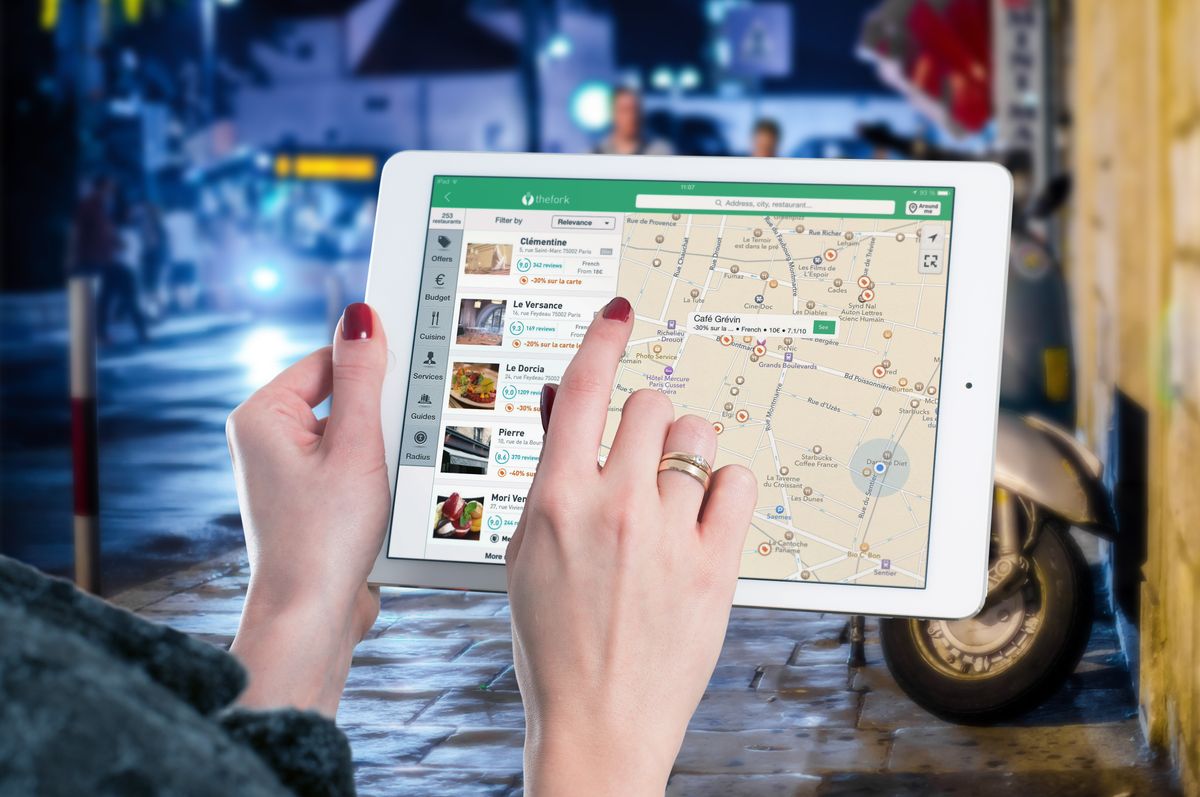
How to Rank Higher on Google Maps for Your Medical Practice
A pediatrician called us convinced her marketing was broken. Great website, real ad spend, and barely a trickle of new patients. So we ran the search her patients actually run, pediatrician plus her city, on a phone, and she was nowhere on the map at the top. Three other offices sat there collecting the calls. She was not losing patients because her care was worse. She was losing them because she was invisible in the one spot that decides most local searches: the Google Maps 3 pack. Businesses in that little map get about 126 percent more traffic and 93 percent more calls, taps and clicks than everyone ranked below it, and most people never scroll past those three listings, which means your beautiful website does not even enter the picture if you are not on the map first. Inside: what the 3 pack really is and why it beats your homepage; the three factors Google states publicly, relevance, distance and prominence, and why you should stop worrying about the one you cannot control; the moves that actually climb it, from filling your Business Profile all the way out to a steady review habit to matching your name and address everywhere; what does not work and what can get your listing banned; and the trap of winning the ranking then losing the patient because nobody answers the phone. Our honest take: for a local practice, the map is the highest ROI marketing most owners ignore, and it compounds, because every fresh review lifts your rank, which puts you in front of more people who leave more reviews.
Read the article →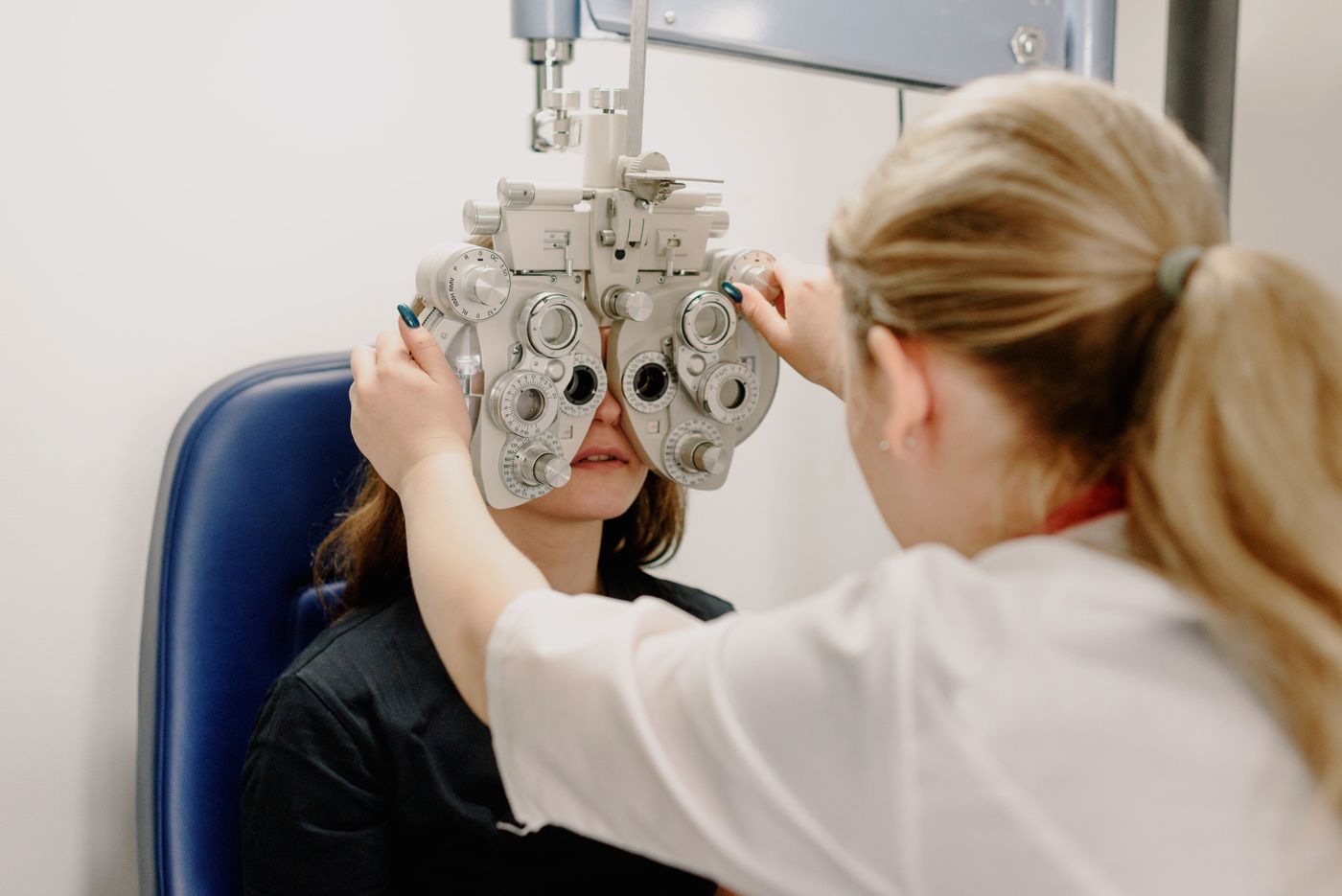
How to Market an Optometry Practice in 2026: Win Both Sides of the Office
An optometrist called us this spring with a problem that did not add up. His exam chairs were busy, his reviews were good, and yet the optical counter, the frames and lenses that carry a big chunk of a practice's profit, was flat, while more and more patients walked out with a prescription and bought their glasses online. He figured he needed a frame sale. So we asked a different question: after a patient leaves with that prescription, when do you talk to them again? Honestly, he said, not until they call us, which is a year or two late, if ever. That is optometry in a sentence. Nearly everyone needs glasses or contacts eventually, and the practice still leaks patients and dollars, because it is running two very different businesses out of one office and marketing as if it were one. Inside: why the clinical side is a positioning and access problem, not a demand problem (sell the comprehensive exam as the health checkup it is, a painless window that catches diabetes and high blood pressure before symptoms, not just the errand before new glasses); why the optical side loses to Warby Parker and Zenni not on price but because nobody reminded the patient to come back; the myopia wave worth owning now that nearsightedness hits about 42 percent of American adults and is climbing fastest in kids; and the single system that decides whether your optical counter grows or bleeds, the annual recall most practices leave to memory. Our honest take: you do not have a demand problem, you have an order of operations problem, and fixing it gets both engines pulling at once.
Read the article →
How to Market a Dermatology Practice in 2026: Win Both Sides of the House
A dermatologist called us frustrated in a way that did not add up. Her medical schedule was booked six weeks out and her waiting room was full, yet the cosmetic side that actually carries the margin, the Botox, the fillers, the laser packages, was barely moving, while a med spa two doors down was slammed. She figured she needed more cosmetic ads. So we asked a different question: when a new patient calls scared about a mole, what happens? Voicemail, she admitted, and the next opening is over a month out. So they call someone else. That is dermatology in a nutshell. Skin cancer is the most common cancer in America, one in five of us will get it by 70, and cosmetic demand has never been higher, yet the practice still leaks patients, because it is running two very different businesses out of one front desk and marketing as if it were one. Inside: why the medical side is an access and speed problem not a demand problem (long waits plus a phone that goes to voicemail equals patients booking with a telehealth app); why the cosmetic side is a trust problem you win with your board certification, real before and after proof and reviews, not a 99 dollar coupon that pulls deal hunters; the annual skin check recall most practices never run; and the single most underused lever in dermatology, the medical patient already in your chair who has wanted Botox for two years and never knew you offered it. Our honest take: you do not have a demand problem, you have an order of operations problem, and fixing it gets both engines pulling at once.
Read the article →
Back to School Marketing for Medical Practices: Fill Your Schedule Before Parents Pick Someone Else
A pediatrician we work with used to dread August. Not because it was slow, the opposite. The phones exploded the week before school started, the front desk drowned, and half the parents who called got a voicemail and booked at the urgent care down the road. All that demand, lost at the last step, and she never marketed for a bit of it. That is the thing most owners miss about back to school: it is not a promotion you invent, it is a wave of parents who are practically required to get their kids checked before the year starts, all searching at the same time, all on a deadline. Sports physicals with a hard cutoff. Immunizations schools demand for enrollment. The well child visit that got put off all summer. Eye exams a classroom screening waves right past. Dental cleanings before homework eats the weeknights. It is a pediatric, family, urgent care, optometry and dental story at once, plus a September bump for med spas once parents get their own calendar back. The demand is handed to you. Inside: why you have to start in July not August, the five step playbook that actually fills chairs (your own families first, one clear seasonal booking page, local Google presence, tightly targeted ads, hours that match real parent life), and the step where most practices lose the whole season, the phone rush the front desk cannot answer, where every voicemail is a parent booking somewhere else. Our honest take: skip the discount gimmick, win on easy and trustworthy, and remember a back to school physical is a doorway to a family that stays long after the first bell.
Read the article →
Should Your Medical Practice Use WhatsApp to Message Patients?
A pediatric clinic in a heavily Hispanic part of Houston kept losing families to the practice across town. Not over the medicine. Over a green chat icon. Parents asked, in Spanish, can I just message you on WhatsApp, and the office kept saying please call the number. For a huge slice of the country, WhatsApp is not a niche app, it is the phone. Around 100 million Americans use it, and Pew Research Center finds Hispanic adults use it far more than the general public. So should your practice be there? Yes for some things, and a hard no for others, and mixing those up can land you in real trouble. The trap most good practices miss: WhatsApp is encrypted, but HIPAA also needs a signed Business Associate Agreement, and Meta does not sign one, so the moment you put a result or a diagnosis into a thread you have a compliance gap. Inside: why so many of your patients keep asking for it; the simple line to remember (use it to help people find you and book, never to discuss their care); the messages that are perfectly safe to send; and the smarter play that gives patients the easy chat feeling without the risk, secure texting from your own number, online booking, and an AI receptionist that answers instantly in English or Spanish and routes anything sensitive the right way. The real lesson is bigger than one app: patients pick the practice that is easy to reach in the way they already communicate. Meet them there, safely, before someone else does.
Read the article →10 Tips to Grow Your Medical Practice on Social Media
A dermatologist called us frustrated. She had 14,000 Instagram followers, a reel with 300,000 views, and a schedule that was still half empty. A family doctor two towns over had 900 followers and a waitlist. The difference was not luck. One of them was playing for applause and the other was playing for trust, and that gap is the whole game. Before the tips, we settle the arguments practice owners actually ask us every week: likes or views (neither books a patient), shares or saves (saves win), TikTok or Instagram (Instagram is home base for most local practices), and the big one, chase a viral hit or build slow boring trust (trust, and it is not close). Then 10 practical things you can do this month: put real faces on camera starting with yours; answer the questions patients google at 11pm; pick one platform and post consistently for a year instead of everything for three weeks; lead with short vertical video; make local your unfair advantage; build trust with proof not claims; treat comments and DMs like your front desk before the patient books someone who answered faster; always point traffic to a page that can convert; mix education and personality instead of just promotion; and measure booked patients, not applause. Social media works for healthcare. It just rewards the boring virtues over the flashy ones. The transformation owners actually want is a new patient saying I feel like I already know you.
Read the article →
How to Get Male Patients to Book Your Practice
A men's health clinic owner called us defeated. Good doctor, strong reviews, real reputation, and yet his new male patients kept trailing off. So we searched the exact thing a 45 year old man in his city types at 11pm, always tired, no energy, and his practice was nowhere. What showed up instead was a slick national app that ships testosterone after a five minute quiz. His patients were not choosing the app because it was better. They were choosing it because it was easier, and he was invisible at the moment they finally decided to act. That is the quiet crisis in male patient care: about 65% of men avoid the doctor as long as possible per Cleveland Clinic, and when they finally move, friction sends them to a box on the porch instead of a real local doctor. Inside: why men are so hard to book and why it literally shortens their lives; how the telehealth apps beat you on friction, not medicine, and how to match their ease then win on trust; the mindset shift that changes everything (stop selling checkups, sell the one fix he actually wants); answering the problem he googles instead of the procedure; letting him book without ever talking to a human; catching the rare call he does make; hours that respect his job; and the twist most men's health marketing misses, that a woman usually books on his behalf. Lower the wall, and a surprising number of men walk right through.
Read the article →
How to Market a Physical Therapy Practice in 2026
A clinic owner called us worn down. Two therapists, a great reputation, patients who left glowing reviews, and yet the schedule swung wildly month to month because roughly three quarters of his new patients came from one orthopedic group down the road. When that group hired their own in house PT, his new patient count fell off a cliff in a single quarter. His care was excellent. His marketing was a single pipe someone else controlled the valve on. That is the hidden fragility inside a lot of physical therapy practices, and here is the fact that should reshape the whole plan: in all 50 states, a patient can start physical therapy without a doctor's referral. Almost none of them know it, so they wait weeks in pain for a note they never needed. Inside: how to use the direct access advantage nobody is using and say no referral needed out loud; how to win local search by answering the symptom, not the job title, since nobody googles manual therapy, they google my knee hurts going down stairs; why reviews are your best salesperson; the goldmine of past patients whose injuries recur; why finishing the plan of care is marketing; how to keep referral relationships warm without depending on them; where Google ads and Instagram each fit; and the missed call leak that swallows the direct access patients you worked so hard to reach. Take the wheel instead of waiting on the referral pad.
Read the article →
How to Market a Dental Practice in 2026
A dentist emailed us frustrated. His work was excellent, his Google rating was a 4.8, he ran Facebook ads every month, and still new patient numbers were flat with holes in the hygiene columns. He figured he needed a bigger ad budget. So we asked one question: how many new patient calls went to voicemail last week? He had no idea. The call log said 22. Twenty two people, most of whom never called back, because the front desk was busy with the patients standing right there. That is dental marketing in one email. Americans spend more than 170 billion dollars a year on dental care, and dental is the most competitive local search in all of healthcare, so demand is not the problem. Being found first is, and then not leaking what you create. Inside: why dental is its own animal (the most crowded near me search there is, a recall business that lives on patients coming back every six months, and two very different engines, everyday hygiene versus high value implants and aligners); how to win the Google map by answering the problem, not the procedure, since nobody googles posterior composite, they google this tooth is killing me; why reviews are your best salesperson and how to reply to bad ones without breaking HIPAA; how to protect the recall schedule, the most valuable asset you own, and reactivate lapsed patients for pennies; where Google ads and Instagram each fit and why the big cases live on your website; the missed call leak that quietly kills dental marketing, especially after hours; and why knowing what a patient is truly worth changes every decision. Win the map, guard recall, answer the phone.
Read the article →
Do I Need a Website If I'm on Google and Facebook?
A dermatologist asked us this last month, half hoping the answer was no. Busy Google profile, a Facebook page with a few thousand followers, no website at all. Her logic made sense: patients already find me, so why pay for a site? Here is the honest answer. A Google Business Profile and a Facebook page are genuinely useful, and every practice should have both. But they are not a substitute for a site you own. They are the front door and the sidewalk. The website is the house. Inside: what each of the three tools actually does and where each one hits its ceiling; the pattern almost every patient follows, they find you on Google, then look for your website to confirm you are legit, and around 41% visit a practice site while researching a provider, so a missing site means booking someone else; why Google and Facebook are rented land they can suspend or throttle overnight while your site is the one thing you own; the concrete jobs a website does that a profile and a page simply cannot, ranking for the symptoms patients type, feeding AI search tools, booking on your terms, catching paid ad clicks; the few cases where you can get away without one, and the five signs the math has flipped. Same patients shopping for you. You just give them somewhere real to land.
Read the article →Women Make Most Healthcare Decisions. Is Your Marketing Talking to Them?
A men's health clinic ran ads at men in their forties. Then the owner listened to his booking calls, and half of them were women. Wives, girlfriends, a daughter setting up a visit for her dad. They saw the ad, decided he needed to go, and booked it for him. That clinic is not unusual, it is the norm. The patient in your chair often is not the person who chose you. In most families one person books everyone's care, reads the reviews, and makes the call, and about 80% of the time that person is a woman, a figure long cited across healthcare and consumer research. Inside: why the person who books matters more than the patient your marketing pictures; the five practical things that change when you design around the busy household coordinator instead of an imaginary patient reading calmly alone; why she checks reviews and your team's real faces before she trusts you with someone she loves; the awkward booking form that quietly loses you whole families; why so much family scheduling happens at 10pm when your front desk is closed; and how to find out who actually books in your own practice instead of guessing. Same clinical care. You just start serving the person actually making the decision.
Read the article →
Patients Are Using AI to Self Diagnose Before They Book. Here Is What Your Practice Should Do
A dermatologist told us a patient walked in with a screenshot and said, so I already asked ChatGPT and it thinks this is probably benign, but I wanted to be sure. That scene is now happening in every specialty. Nearly 3 in 10 US adults use an AI chatbot for health advice every month, and among adults under 30 it is closer to 1 in 4, per KFF's 2026 tracking poll. A West Health and Gallup survey found most people who use AI for health research the visit before or after seeing a doctor, and many use it to decide whether to go at all. This is the new front door, and it happens on a phone at 11pm, inside a tool you do not control. Inside: what patients are really doing with AI; the two risks that matter, the patient who talks themselves out of a needed visit, and being invisible when the AI names a provider; how to become the practice ChatGPT actually recommends by being easy to cite, not just easy to find; why the moment of highest intent moved to odd hours and how online booking plus an AI receptionist captures the person who was ready at midnight; and why fighting the informed patient loses the room while meeting them like a partner earns the booking and the loyalty. Stop trying to hold the wave back and turn it into your advantage.
Read the article →
How to Market a Chiropractic Practice in 2026
A chiropractor called us frustrated. His technique was great, his patients loved him, and still the schedule sagged by the middle of every month. He had spent two years buying 29 dollar first visit specials, and it sort of worked: new faces walked in, came twice, and vanished. He was pouring money into the top of a bucket with a giant hole in the bottom. That is the trap almost every chiropractic office falls into, because they market a repeat visit, trust first business like a one time sale. More than 35 million Americans see a chiropractor every year, so demand is not the problem. The leak is. Inside: why chiropractic marketing is its own animal (it runs on repeat visits, it is mostly paid out of pocket so patients feel every dollar, and it still carries some skepticism you can turn into an opening); how to win local search by answering the symptom, not the job title, since nobody googles spinal manipulation, they google why my neck is killing me; why reviews are your best salesperson in a word of mouth field; the goldmine sitting in your software, the hundreds of past patients a simple check in text brings back for pennies; why retention is marketing and how to plug the hole in the bucket; where Google ads and Facebook each actually fit; and the after hours speed trap that hands your most motivated patients, in pain and ready to book, straight to the office across town while your hands are busy. Fix the order and the schedule stops sagging.
Read the article →
How to Market a Weight Loss Clinic in 2026
A physician called us in a mood we now hear all the time: her waiting list was long, her results were real, and Facebook had just restricted her ad account for the third time in a year. That is the strange spot medical weight loss lives in right now. GLP1 drugs turned it into maybe the biggest demand wave in healthcare, one in eight US adults has already tried one, and yet it is one of the hardest niches on earth to advertise. The same platforms everyone else uses will fight you at every turn, because weight loss is a sensitive category and the rules are stricter than any owner expects. The natural line you want to write, "are you struggling with your weight," is the exact line that gets you banned. Before and after shots, a drug name, a pound count, a promise of fast results, all rejected. Inside: why Meta and Google keep saying no and the one reframe that keeps your ads live, why local search beats paid ads here because it cannot be rejected, how to build trust with a burned, skeptical patient in a market full of hype and pop up telehealth brands, why telehealth follow ups are where the real retention and profit live, and the after hours speed trap that hands your most motivated patients straight to the national brands. The demand is overflowing. Most clinics just market it like a diet pill and get punished for it. Here is the honest way.
Read the article →
Should My Medical Practice Have a Patient Referral Program?
It sounds like the easiest growth idea in the world. Your happiest patients already talk about you, so why not pay them a little for every friend they send? Your dentist buddy swears by his 25 dollar refer a friend card. Here is the part nobody warns you about: in healthcare, that same friendly idea can walk you into a federal law with real teeth. The Anti Kickback Statute makes it a crime to give anyone anything of value to induce a referral for care a federal program might pay for, and the beneficiary inducement rule aims straight at nudging a patient's choice. Cash only lowers the federal risk but state fee splitting and patient brokering laws still apply. A med spa owner called us last year all set to hand out cash referral cards, sure she was in the clear because she was cash pay, until we found the HSA and insurance edges that made her clean line not so clean. Inside: what is actually legal, the narrow nominal value lane and why it is a trap, and the three moves that grow referrals with none of the risk, ask at the right moment, make sharing one tap easy, and win the friend once they search your name. Same goal your refer a friend card was chasing. None of the downside.
Read the article →Do You Have to Tell Patients When AI Answers Your Phone?
A med spa owner called us rattled over a one star review: "Felt like I was talking to a robot the whole time and nobody ever told me." The worst part was she was not sure it was wrong. Her after hours line did use AI, it worked well, and nobody had thought about whether to say so. One friendly sentence would have turned that complaint into a shrug. This is the question landing on every owner's desk right now, because AI answering the phone is no longer a someday thing. Voice AI companies are raising serious money to sell exactly this to healthcare, nurses' unions spent this week pushing hard for guardrails, and the law has already arrived: California's AB 3030 already requires telling patients when AI writes their clinical messages, Texas started its own rule in January 2026, and Utah since 2024. Three states, same direction. But here is the part owners miss: disclosure is not a tax you pay to stay legal, it is a trust builder. Patients do not hate AI on the phone. Pew found most are uneasy about it, yet the real anger in complaints is almost never "there was AI," it is the dead end with no human, the bot that pretended to be a person named Jessica, the cold handoff where they had to repeat everything. None of that is fixed by ripping out the AI. It is fixed by saying it in one plain line, always offering a human, and passing the notes along. Inside: the exact one sentence disclosure that does three jobs at once, the HIPAA trap in the cheap tools flooding the market, why a human in the loop is what patients and lawmakers both want, and a five minute checklist for your practice.
Read the article →
Is Zocdoc Worth It for Medical Practices?
A dermatologist asked us this over coffee last spring. Zocdoc was working, her schedule looked healthy, and then she added up a year of booking fees and put her cup down. "I think I paid for a car," she said. That is the honest tension. Zocdoc genuinely sends you patients who are ready to book today, but it charges up to 110 dollars for each new one, every month, and the word booking hides a trap: a booking is not the same as a patient who shows up, stays, and comes back. When Zocdoc rolled out its per booking pricing, some New York doctors pushed back publicly about being charged for bookings that never became real patients. And there is a cost bigger than money: the patient found Zocdoc first, so next time they open the same app and see your competitors sitting right next to you. You rented the patient, you never owned them. Inside: what it actually costs per kept patient after no shows, the exact situations where it is worth testing and where it is not, and why the channels you own (your Google profile, your website, your reviews, your past patient list) beat a faucet someone else controls and can reprice any time. It is a fine faucet. It is a poor foundation.
Read the article →
How to Reach New Movers Before They Pick a Doctor
A family unloads a moving truck three streets from your office this week. They have no doctor here, no dentist, no pharmacy. In the next month or two they will choose all three, probably from a phone, probably from whoever shows up first and looks trustworthy. A pediatric dentist told us how he lost a family of five in a single tap: the mom searched "kids dentist near me," his practice came up second, and the one above him had newer reviews and a Book Now button. Gone, to a practice half a mile away, and he never knew. That is the quiet math of new movers. About 28 million Americans move each year, most of them locally, and every one is a fresh patient with no loyalty to anybody, actively shopping for exactly what you do. Yet most practices pour money into pulling settled locals away from a doctor they already have, the hardest sale there is, while the folks who are literally searching for one this week get ignored. Inside: why a newcomer is a household not a headcount, where new residents actually look (a phone, the map, your reviews), the five step plan to be the name they find, the welcome mailer channel almost nobody in healthcare uses, and the speed trap that quietly loses them.
Read the article →
Should I Build My Medical Practice Website Myself?
Wix and Squarespace make it look easy, and cheap. Drag, drop, publish, done. So why pay anyone? A family doctor emailed us last fall with a fair question: he had built his own site over a couple of weekends, it looked "totally fine," so why was almost nobody booking? We opened it on a phone, the way patients actually see it, and watched it take nearly seven seconds to load. By then half his visitors were already gone. The site was not ugly. It was slow and invisible, which for a practice is worse. Here is the honest part: sometimes DIY is exactly right. A brand new practice with no budget should get a clean, fast, honest page live this week and not feel bad about it. The trouble starts when that site becomes the front door patients actually use to find and book you. Inside: why speed is the whole ballgame on a phone, how builders quietly hurt your local SEO, the trust signals a template does not hand you, the booking flow where self built sites simply stop, the HIPAA form risk nobody thinks about, and the real math of what a patient is worth. Plus the one clear moment when building it yourself is the smart move.
Read the article →
Can You Pay Patients to Leave Reviews for Your Practice?
A chiropractor asked us this in April, half joking. He wanted to drop a ten dollar coffee card at the front desk for anyone who left a 5 star review. Great patients, great outcomes, and a Google listing with eleven reviews that had not budged in a year while the clinic two blocks over sat at ninety. He was not trying to cheat. A coffee card felt like a thank you. So can you? No, and the reason matters. Paying or gifting for reviews breaks two separate rules at once: the FTC finalized a rule in 2024 that bans incentives tied to a review, with civil penalties that can run past fifty thousand dollars per violation, and Google's own policy bans any incentive at all and can strip your reviews or flag your listing overnight. Inside: the sneaky trap that catches good people, review gating, where you screen patients and send only the happy ones to Google, and why it is banned and does not even work. Then the part that does work, legally and better: ask at the peak happy moment, make it a ten second task with a QR code or a text link, ask everyone and follow up once, and reply to reviews without tripping HIPAA. The winning practices do not have the best bribe. They have the best habit.
Read the article →
Why Are My Google Ads So Expensive for My Medical Practice?
A dentist called us in May, fed up. Fourteen dollars a click, a thousand dollars gone in two weeks, and a handful of calls, two of them asking about a plan he doesn't accept. He wanted to know if Google was ripping him off or if he was just bad at this. The answer was neither. He had walked into one of the most expensive auctions on the internet with the settings turned all the way to wasteful, and nobody had told him. Here is the honest breakdown owners never get: why healthcare clicks genuinely cost more (a patient worth thousands, hospital systems and PE chains outbidding you, sky high intent), and the part nobody mentions, that two practices can pay wildly different prices for the exact same spot. Google charges you for relevance through Quality Score, so broad keywords, no negative keyword list, ads that don't match the search, every click dumped on a tired homepage, and a slow site quietly multiply your price. Plus the leak that wastes more than any setting: the phone nobody answers. What counts as a normal cost per click, why the click price alone is a trap, and how the same dentist now books three times the patients on the same budget. The auction did not get cheaper. His account got smarter.
Read the article →
Should You Put Prices on Your Medical Practice Website?
It feels safer to leave prices off. Make them call, get them on the phone, sell the value first. The trouble is the patient already left. A dermatologist told us last winter she would never post prices, too much variation, did not want to look expensive. We pulled her search data: hundreds of people a month typing "cost of mole removal" and "how much is a skin consultation near me," landing on her page, finding no number, and gone in seconds. She was paying for that traffic and waving it goodbye at the door. Here is the thing owners miss: the patient learns the price no matter what. The only question is whether they learn it on your site, on your terms, or on a competitor's. Inside: the data on how patients price shop, what the No Surprises Act already requires of you, why a clear price reads as confidence while a blank reads as something to negotiate, how to show prices with ranges and "starting at" language so you never box yourself in, exactly where pricing should live on your site for both patients and AI search, and the call that does come in and dies on voicemail. Show the number. Hiding it never stopped anyone from learning it.
Read the article →
How to Get More Med Spa Clients in 2026
The aesthetics boom is real. The industry has blown past 17 billion dollars and grows by more than a billion a year, with the average med spa now pulling close to 1.4 million in revenue. But every owner reading those headlines is opening or expanding too, and a new spa seems to land on every corner. A med spa owner called us in March, frustrated: great injector, beautiful space, results that spoke for themselves, and flat bookings while two competitors opened within a mile. She was not doing anything wrong. The game just got louder. Here is the part most owners miss. Most med spas do not have a marketing problem, they have a leak problem. The attention is there. What kills growth is the gap between someone wanting to book and actually getting booked: a slow site, a missed call at 9pm, a review section nobody has touched in months, an ad pointed at the wrong page. Inside: the content and short video that actually earns attention where your clients scroll, why reviews are your real sales team, the website fixes that close instead of leak, how to run Meta and Google ads without wasting the click, and the front desk speed step where most spas lose the booking without realizing it. Plug the leaks before you pour in more water.
Read the article →
Should My Medical Practice Use AI to Write Its Content?
You can open ChatGPT, type "write a blog about teeth whitening," and have 800 words in twenty seconds. So why pay anyone to write anything? A chiropractor emailed us a post last spring asking "is this good?" It read fine, until a line claimed an adjustment "cures" a long list of conditions. He never wrote that. ChatGPT did, and he had pasted it straight onto his site. In healthcare that one invented sentence is not a typo, it is a claim he cannot back up, under his name and his license. Here is the honest answer: yes, your practice can and probably should use AI to help. No, you cannot publish what it gives you without a human who knows the subject checking every word. Inside: whether Google actually punishes AI content (it does not, and it says so), the three ways raw AI quietly breaks exactly where healthcare cannot afford it, the hard HIPAA rule about patient data, where AI genuinely earns its keep, and the five step workflow that gets you speed without sounding like a robot or saying something untrue. The tool is not the danger. Publishing without judgment is.
Read the article →
Why Facebook Keeps Rejecting Your Medical Practice Ads
You wrote a simple ad, a nice photo and a fair offer, and a few hours later it is sitting there in red: not approved. No real reason, just a link to a wall of policy. So you change the picture, resubmit, and get rejected again. Here is the part nobody tells healthcare owners: it is almost never your image, your budget, or your luck. A med spa owner called us furious after a month of rejections. We read her ad for ten seconds. The headline said "Tired of your stubborn belly fat?" That one sentence was the whole problem. Facebook will not let your copy imply it knows the reader's body or health, and most healthcare ads break that single rule without anyone realizing. Inside: the Personal Attributes policy in plain words, good copy versus rejected copy you can copy straight, the promise words that get flagged, the truth about before and after photos, what changed in 2025 for every healthcare advertiser, the Special Ad Category explained without the panic, and the pre publish checklist that makes the rejections stop. Getting approved is step one. Booking the patient is the whole point.
Read the article →
Should My Medical Practice Charge a No Show Fee?
It is the question every owner asks the second they see a month of empty slots: just charge people when they do not show, right? It feels obvious and it feels fair. It is also one of the trickiest moves in a practice, because the rules are stricter than most owners realize, and the fee is almost never the thing that actually fills your chairs. First, the part nobody tells you: you can charge Medicare patients, but only if the same fee applies to everyone, Medicare and non Medicare alike. You usually cannot charge Medicaid patients at all, and private insurance never reimburses these fees, so the money comes straight out of the patient's pocket. Then the bigger truth: most no shows are not people being rude, they forgot, mixed up the date, or could not reach anyone to cancel, and a fee does nothing to fix any of that. Inside: the real Medicare and Medicaid rules, the right amount, how to give notice without burning goodwill, why a small deposit often beats a penalty, and the three moves that fill chairs without ever charging a patient a cent. The fee is a footnote. The system is the whole story.
Read the article →
Does My Medical Practice Need a CRM?
A dermatology office called us frustrated. They were spending real money on ads, the phone was ringing, the website form was filling up, and growth was flat. We asked one question: when someone calls and does not book, what happens next? Long pause. Honestly, nothing. The note got scribbled somewhere, the day got busy, and the person was never called back. They were paying to fill a bucket with a hole in the bottom. That is the exact problem a CRM solves, and it is why more owners keep asking us whether their practice really needs one. The short version: your EHR runs the patients already in your chairs, but it was never built to chase the lead who called Tuesday and did not book, or to win back the patient who has not been in for fourteen months. That missing half is where the money quietly leaks. Inside: the real difference between a CRM and your EHR, the five plain jobs a healthcare CRM does so nobody gets forgotten, the five second test for whether you need one, the speed to lead problem it fixes, whether a CRM can be HIPAA compliant, and why most practices need the system around it, not just the software in a drawer. You are already paying to make the phone ring. This is how you make the ringing turn into patients.
Read the article →Why Did My Google Reviews Disappear?
A med spa owner messaged us on a Sunday night, upset. The week before, her front desk had asked every patient for a Google review. It worked, or so it seemed: 41 reviews jumped to 68 in three days. By the weekend the count had slid back to 44. Twenty plus reviews, gone, no email, no warning. She thought a competitor reported her. The real answer was simpler and far more common: Google's spam filter. And it is busy. In 2025 Google blocked or removed more than 292 million policy violating reviews, up about 21 percent year over year, and by its own count roughly one in five review attempts on Maps was flagged. The catch is the filter sweeps up real reviews along with the fake, and it never tells you why. Inside: the most common triggers we see, a sudden burst of reviews, reviews from the front desk tablet or office Wi Fi, thin reviewer accounts, gift cards and incentives, and scripted content, plus whether you can ever get removed reviews back, and the boring, durable way to earn reviews that actually stay put. Think brushing your teeth, not a crash diet. A little every day beats a heroic weekend Google flushes.
Read the article →
Does My Medical Practice Need a Landing Page?
A practice owner swore their Google Ads were a flop. Plenty of clicks, almost no patients. So we looked at where those clicks were going: straight to the homepage, into a wall of menus, a slider, the portal login, the careers link, three services nobody searched for. The ads were fine. The landing was broken. That is the exact gap a landing page closes, and it is one of the most common questions we get once a practice starts advertising: do I actually need one, or is my website enough. The short answer, if you pay for traffic, is almost always yes. Your homepage is a lobby built to serve everyone at once, so it pushes nobody toward a single action. A landing page is a hallway with one door at the end: one service, one promise, the proof, and one button to book, with every distraction stripped out. The homepage informs, the landing page converts. Across health and medical, Unbounce pegs landing page conversion near seven percent, well above what a busy homepage manages with paid clicks, and the whole gap is focus. Inside: what a landing page really is, when your practice needs one and when a strong service page is enough, why message match and speed move the numbers, and the seven things every healthcare landing page should include. Stop pointing paid clicks at your lobby.
Read the article →Why Your Social Media Isn't Getting Patients
A med spa owner showed us her Instagram last spring, half proud and half frustrated. Beautiful feed, calm palette, a post every two or three days for over a year, nearly nine thousand followers. New patients booked from all of it? She went quiet, then admitted she was not sure it had ever booked one. That gap, a feed that looks like a success next to a schedule that says otherwise, is one of the most common things owners bring us. And it is almost never the effort. It is that nobody told them how social media actually turns into a patient in 2026. The hard truth first: when you hit publish, the platform shows your post to a sliver of your followers and watches. On Facebook that sliver is now around two to three percent. So a practice can post all year and have most posts seen by a few dozen people who already know them. Inside: the five real reasons the patients are not showing up, posting into the void, content that is about you instead of the patient, no next step to book, measuring likes instead of appointments, and being spread too thin, plus the follower to patient gap that reframes the whole thing, and the honest fix for each. A pretty feed is not a strategy.
Read the article →
Will AI Replace Your Medical Practice Front Desk?
It is the question more owners are typing into Google late at night, part curiosity, part worry. You have seen the demos and watched competitors start letting AI answer their phones. So is your front desk about to be automated away? Here is the honest answer: no, but the job is changing, and doing nothing is the real risk. Because your front desk is already missing a lot of calls. Not from laziness, but because no human can answer three lines at once while checking a patient in and verifying insurance. Across practices, roughly a quarter of inbound calls go unanswered, and busy offices miss closer to 40 percent during business hours. Most callers who hit voicemail never leave one and never call back, they just dial the next name on the list. When a new patient is worth several hundred dollars, that is one of the most expensive leaks in the whole practice. Inside: the part of the job AI is genuinely good at (overflow, after hours, the same five questions all day, booking before the lead bounces), the part it will probably never do well (the scared patient, the judgment call, the greeting at the door), what the Bureau of Labor Statistics actually projects for receptionist jobs through 2034, the HIPAA catch before you buy any tool, and the honest EtherealMinds take: do not replace your people, stop wasting them on work a machine does better.
Read the article →
Why Patients Can't Find You in Their Insurance Directory
A family practice called us with a thinning schedule and no idea why. Great reviews, sharp website, nothing obvious wrong. So we did the thing almost nobody does: we opened their insurance plan's "find a doctor" tool, searched their own zip code, and scrolled. They were not there. Their listed address was a suite they had left two years earlier, and the system had them marked as not accepting new patients. They were open the whole time. To anyone searching the way most insured people search, they did not exist. Here is the uncomfortable part: nearly half of patients pick a doctor straight from their insurance directory, and most of those listings are wrong. Federal and Senate reviews keep finding the same thing, more than half of provider entries have at least one error, and a 2023 Senate secret shopper study found over 80 percent of mental health listings were inaccurate or unavailable. The industry even has a name for it, ghost networks. Inside: where insured patients actually start, why a stale listing makes an open practice invisible, the one hour cleanup that fixes it, and why an accurate listing is a real edge when most of your neighbors never bother to check.
Read the article →
The Healthcare Voice AI Boom and What It Means for Your Front Desk
Two healthcare headlines crossed our desk the same week and looked like opposites. First, a startup called Assort Health raised 120 million dollars to build voice AI agents for healthcare, per Fierce Healthcare. Second, nurses unions were fighting for guardrails on AI in care, per Marketplace. Put them together and you get the exact instruction manual for a small practice. The money is chasing the front of the house, the phones, the scheduling, the intake, because the missed call is the biggest unfixed hole in healthcare's bucket. The pushback is about the back of the house, the actual care, where a human keeps the judgment. Inside: why investors think answering the phone is worth nine figures, the one rule that makes AI safe in a practice (let it carry the repetitive work, hand the human work to humans), why this is now affordable for a solo office and not just a hospital toy, and how to tell a good voice AI from a gimmick by calling it yourself and throwing it a curveball. The technology is not the hard part anymore. Setting it up to fit your practice is.
Read the article →
Should My Medical Practice Use Online Intake Forms?
The clipboard at your front desk looks harmless. It is costing you in retyped data, longer waits, denied claims from one mistyped number, and patients who walk in already annoyed. Here is the part most owners miss: nearly nine in ten patients now say paperless registration matters to them. In Experian Health's State of Patient Access 2024 survey, 89 percent want digital registration and 85 percent are tired of repeating the same paperwork, yet the front desk is still the main check in method at most US practices. The typical patient wants their phone and gets a pen. Inside: the real cost of paper (a patient burns about twenty minutes on forms, then your team types it all in again by hand), why online intake trims no shows by doubling as a reminder a day or two out, the honest case against (older patients, HIPAA and the BAA you must sign, forms that get abandoned), and how to switch without losing a single patient. The clipboard had a good run. Your patients already moved on.
Read the article →
What Retail Clinic Closures Mean for Your Medical Practice
For a stretch it felt inevitable. Walmart, Walgreens, CVS and Amazon were going to eat primary care. They had the money, the foot traffic and the convenience. Then they walked away. In April 2024 Walmart closed all 51 of its Walmart Health centers and said primary care was not sustainable, even at the scale of the world's largest retailer. Walgreens wrote down its billion dollar bet on VillageMD and moved to shut around 160 clinics. The lesson is the most useful thing a practice owner can grasp right now: the giants proved you cannot run care like a store, because it depends on slow reimbursement, staffing and relationships that take years to build. But every closed clinic had patients, and they did not stop needing care. They are back in the market, phone in hand, searching your zip code today. Inside: where those orphaned patients actually go, the four moments your practice has to win in about thirty seconds, why convenience is still the whole game, and how a local practice that is easy to find and quick to answer beats both the urgent care and the megabrand. The deepest pockets in America could not fake the relationship. You already have it.
Read the article →
How to Attract Older Patients to Your Practice
There is a stubborn myth in healthcare marketing that older patients are offline, that they only respond to mailers and a tip from a friend at church. That was true once. It is not true now, and believing it is costing practices a fortune. The largest wave of 65 year olds in American history is here right now: a record 4.18 million people turn 65 in 2026, about 11,400 every single day, per the Alliance for Lifetime Income. And they are online. Pew Research finds 90 percent of adults over 65 use the internet and 78 percent own a smartphone. Inside: why seniors read reviews more carefully than anyone (43 percent of adults 50 to 80 have used them to pick a doctor, nearly half among women), why your Google profile is the real first handshake, how wrong insurance and Medicare directories make you invisible to people who already pay to see you, and the everyday friction that drives older patients away. They are choosing a doctor for the next chapter of their lives. The practices that are easy to find and easy to call win them for years.
Read the article →
Should My Medical Practice Start a Podcast?
A plastic surgeon called us last spring, fired up. He had bought a nice microphone, a mixer, the whole setup, and a plan for a weekly show about aging well and recovery. He wanted to know how fast it would fill his consult calendar. We loved the energy and we had to be honest: a podcast is a wonderful thing to make and a slow, leaky way to get local patients. Inside, the honest math. A podcast has no zip code, so a show that does well by podcast standards can still send you almost zero bookable patients, because the audience is scattered across the whole country. The listener numbers are humbling too: by Buzzsprout's public data, a new episode with about 130 downloads in its first week already ranks in the top half of all shows, and most podcasts simply stop publishing. Plus the three cases where a healthcare podcast really does pay off, national cash based practices, doctors who genuinely love the mic, and treating it as a clip machine, why short video beats long audio for most practices, and how to do it right if you go for it without becoming another podfaded statistic.
Read the article →
How Should a Medical Practice Split Its Marketing Budget?
A physical therapy owner called us with a real number and a real problem. He had three thousand dollars a month for marketing, a solid budget, and at the end of the quarter he could not tell us which dollar brought him a single patient. Not one. A bit on a billboard, a bit boosting posts, some Google Ads he flipped on and off by mood. He did not have a budget problem. He had a split problem, and it is the most common one we see. Inside: how much of revenue practices actually spend (3 to 8 percent, more if you are new), why the foundation comes out first before any ads since every channel sends people to your website, and a sensible starting split across website and SEO, paid ads, social and reviews. Plus why brand new practices should lean on ads first then shift to cheaper SEO, why your own past patients are the cheapest channel you have, and the one rule that beats any percentage: measure cost per booked patient, not clicks. We did not raise that owner's budget by a dollar. By summer he could finally tell us where every patient came from.
Read the article →
Should My Medical Practice Have an FAQ Page?
We sat with a dermatology front desk for one hour and counted. In sixty minutes she answered the same questions over and over: Do you take my insurance? How much without coverage? Do I need a referral? How soon can I get in? She is a great hire, and she was spending half her day being a human FAQ page while real calls rolled to voicemail. That is the cost of not having a good FAQ page. The questions never stop, they just pile onto your busiest person or go unanswered, and the patient books wherever someone bothered to reply. Inside: why patients now search in full questions instead of keywords, why Google says one in twenty of all searches is health related, and why an FAQ page is suddenly close to essential thanks to AI. ChatGPT, Gemini and Google AI Overviews read clear question and answer text and repeat it, so a plain FAQ is the single easiest page to get cited when someone asks an AI for a recommendation. Plus how to build one from your real front desk questions, the seven answers that book visits, why to add FAQ schema and spread questions across service pages, and one honest warning about letting AI write it unchecked.
Read the article →Who Is Answering the Questions on Your Google Business Profile?
There is a section on your Google listing almost no practice owner ever opens. The public can post questions there, and here is the part that catches people off guard: the public can answer them too. A stranger. A confused past patient. Even the office across town. A dermatology practice called us rattled after finding a wrong answer about insurance that a stranger had posted eight months earlier, quietly sending patients elsewhere the whole time. Inside: how the Questions and Answers section really works, why Google barely notifies you when someone posts, and why a wrong answer hurts a medical practice far more than a pizza shop. The good news, this section is a gift if you use it. Google lets you post and answer your own questions, so your ten most common front desk questions become a 24 hour FAQ that books patients while the office is closed, and that AI search loves to quote. Plus how to flag a bad answer, a HIPAA safe way to reply, and a five minute routine to take the whole thing back.
Read the article →
Questions to Ask Before Hiring a Healthcare Marketing Agency
A dermatologist told us she had burned through three agencies in two years. Each one sounded great in the pitch and went silent after the first invoice. The problem was not bad luck, it was that she was asking the wrong questions in the room. Marketing an agency is one of the higher stakes calls a practice owner makes, and almost nobody is trained for it. The good news: an agency reveals almost everything about itself in how it answers a few specific questions, and you do not need to be a marketer to ask them. Inside, the seven that cut through any pitch. How do you measure success, and is the first word out of their mouth booked patients or just clicks and impressions? Have you actually worked in healthcare, and do you understand HIPAA, since the Office for Civil Rights has real guidance on ad tracking and patient data? Who does the work day to day? Who owns my website, accounts and data if I leave, a question that has saved practices from losing everything? How long am I locked in? What exactly do I get and what does it cost? And can I call a real client like me? Plus our honest take: hire the agency that talks about patients, not pixels, and how EtherealMinds is built to pass this exact test.
Read the article →Private Equity Is Buying Up Practices. Here Is What Keeps You Independent
A solo orthopedist called us this spring, rattled. A private equity backed group had just bought two practices near his office, rebranded them overnight, and started running ads he could not match. The recruiter who used to send him referrals now worked for them. His question was honest: do I sell while someone still wants to buy, or is there a way to stay my own boss? The data caught up with him the same week. The AMA's new Physician Practice Benchmark Survey shows the share of US doctors in private practice fell from about 60 percent in 2012 to roughly 42 percent in 2024, and 2020 was the first year employed physicians outnumbered owners. PwC's 2026 mid year outlook says the buying is about to speed up, with a big pile of capital hunting for practices to roll up. Inside: why funds target small practices, the top reason owners actually sell, why selling is not a moral failure but selling from weakness is a trap, and the one asset a buyer can never wire money for. Plus the honest playbook, a fast booking website, a Google profile that wins the neighborhood, content that answers real questions, and a phone that never drops a call, so the next offer becomes a choice instead of a verdict.
Read the article →
What Photos Should a Medical Practice Put on Google?
A dermatologist called us, confused. Strong reviews, fine website, and she was still losing patients to a newer practice down the street with fewer reviews and a worse location. We pulled up both Google listings side by side. Hers had three photos: a faded logo, one dark waiting room, and a stock image of a stethoscope. The competitor had two dozen bright photos of their building, their team, the front desk, the rooms. You did not even need to read anything. One looked open and alive. The other looked like it might be closed. This is the question owners keep asking us, and it quietly decides who gets the call: what photos should I actually put on my Google Business Profile? Inside: why your photos land before the brain even reads your star rating; Google's own data that listings with photos get about 42 percent more requests for directions and 35 percent more clicks; the exact set every practice should upload (your door, parking, waiting room, a treatment room, the team) with no photographer needed; how many to add and how often; the common ones that quietly hurt you; and the single kind of photo that can land you in real HIPAA trouble. Your listing is your front door now. Here is how to make it look like it.
Read the article →Why Is Your Google Business Profile Suspended (and How to Get It Back)
A dermatology clinic called us on a Tuesday, close to panic. The front desk had noticed the phone going quiet, and when they searched their own name on Google, nothing came up. No map pin, no listing, no reviews. Six years of work and more than three hundred reviews, suspended overnight. No email, no warning, no reason given. If that has happened to you, the first thing to know is that you are not alone and it is usually fixable. Google suspends business profiles far more than most owners realize, almost always silently, and for a local practice that little box on Google Maps is often where most new patients find you. Google's own data says 76 percent of people who search for something nearby visit a business within a day, so every day your profile is down is patients lost. Inside: the real triggers behind a suspension (keywords stuffed in your business name is number one), why panic editing or starting a fresh profile is the worst move, whether your reviews are gone (they usually are not), and the exact order to fix the violation and file a reinstatement that actually gets approved, video verification and all. Plus our honest take on why gaming your profile is never worth the risk.
Read the article →
Should Every Service Have Its Own Page on Your Website?
A med spa owner sent us her site last fall, annoyed. Nine treatments, ads running for all of them, and she never showed up when people searched any one of them by name. The problem was right on the menu: a single page titled Services, nine little blurbs stacked down it, two sentences each. To her it looked complete. To Google it looked like a page about nothing in particular. This is the overlooked reason a lot of great practices stay invisible, and it comes down to one fact almost nobody tells owners: Google ranks individual pages, not whole websites. A page about one service can rank for it. A page about nine usually ranks for none. Patients search the same way, the one problem they have, not your clinic in general. Inside: why a page per service wins on Google and now on ChatGPT and AI Overviews too; the HubSpot data showing sites with 40+ landing pages pull about 12 times more leads than those with 5 or fewer; the catch that makes more pages backfire (thin, empty pages, not the count); a quick test for which services actually deserve their own page; and the six things a service page needs to both rank and book. The honest answer on how to stop being the great practice nobody can find.
Read the article →
How to Get Your Medical Practice in the Local News
A family doctor asked us last winter how the other clinics keep ending up on the news. Every flu season the same doctor is on Channel 5 talking about shots, and people walk into his office quoting him. She assumed he had a publicist, or paid for it. He did not. He just answered the phone fast every time a reporter called, and once made sure they had his number. That is most of the secret, and it is very learnable. Local press is the marketing channel hiding in plain sight: it is free, it carries more trust than any ad, and it hands you the kind of link local search rewards. Yet most practice owners never try, because it feels mysterious and they think you need a press release and a PR budget. You do not. Inside: why local news still beats advertising on trust and SEO, the story angles reporters actually want (and the business news they ignore), how to find the right reporters in your town in one week, how to pitch in two sentences without sounding like a pitch, why fast replies win the segment, and the step almost everyone skips, capturing the coverage and pointing the traffic spike at a page that is ready to book. No PR firm required.
Read the article →
Signs Your Medical Practice Website Needs a Redesign
A dermatology practice called us last spring, frustrated. The ads were running, the phone barely rang, and they could not figure out why. We pulled up their site on a phone, the way a real patient would, and the problem was right there: nine seconds to load, tiny text, and a book now button that dumped you into a contact form nobody watched. The care inside that office was excellent. The website made it look like the place had closed in 2014. This is the leak almost nobody measures, because a site that turns patients away does it without a sound. They land, they leave, and you never get the call. Inside: the seven signs that actually matter, ranked by what they cost you, from a slow load on a phone (Google found bounce risk jumps 32 percent as a page goes from one to three seconds) to no real way to book, a design that looks like a worse practice than you are, and traffic that never becomes patients. Plus the 50 millisecond first impression research, the honest line between a full redesign and a quick refresh, and a two minute gut check you can run on your own site right now. The straight answer on when your website is the thing draining the rest of your marketing.
Read the article →
How to Promote a New Service at Your Medical Practice
A dermatology practice invested real money into body contouring: the device, two certifications, a remodeled room. Six weeks later they had done four treatments, three of them on staff. The owner's first instinct was the one everyone has, "we need to run ads." But when we asked who already knew the service existed, the whole problem showed up. A small sign at the front desk and one line on the website. That was it. This is how most new service launches stall: the treatment is fine, the demand is real, and the practice just never told anyone in an organized way. Inside: the launch order that actually fills a new chair, starting with the people who already trust you, because acquiring a stranger costs five to 25 times more than selling to a current patient; why your existing list and your past leads book faster than any ad; the dedicated service page Google and AI search can actually find; the booking path that takes ten seconds instead of a voicemail and a callback; when to finally turn on Google and Meta ads and where to point them; the healthcare ad rules that get creative rejected; and the one free habit, mentioning the new service during an existing visit, that often beats the entire ad budget. The honest playbook for filling the thing you just paid for.
Read the article →
Should Your Medical Practice Run a Social Media Giveaway?
A med spa owner messaged us on a Sunday night, thrilled. Her first Instagram giveaway, free filler, tag three friends to enter, had pulled 900 new followers by morning. A month later we ran the numbers: two had booked, and about 600 had already unfollowed. That is the giveaway in one story. The likes explode, the comments pour in, and the schedule stays empty, because most of the people who entered wanted free stuff, not a doctor. Inside: why a flood of freebie hunters can actually shrink your reach by tanking your engagement rate; the FTC rules every sweepstakes has to follow; the healthcare specific trap nobody warns you about, where free or discounted care as a prize runs straight into the OIG nominal gift limits and the Anti Kickback Statute; the three tests a giveaway has to pass before it is worth running; how to pick a prize that filters for real local patients instead of strangers with an iPad wish; the follow up that turns runners up into paying clients; and why reviews, targeted ads and retention beat a giveaway every time. The honest answer on when a giveaway is a fun spark and when it is a treadmill of free stuff that never books a patient.
Read the article →
Are Local Event Sponsorships Worth It for a Medical Practice?
A family dentist we work with wrote a $1,200 check to the youth soccer league every spring for four years. Logo on the team banner, name on the back of the jerseys, parents waving at games. It felt good. Then his office manager asked one question: how many patients have we ever gotten from this? Nobody knew. They had no way to even tell. That is the whole problem with local sponsorships in one story. They are easy to say yes to, they feel like the right thing for a community minded practice, and they are almost impossible to judge, so owners either keep writing checks out of guilt or swear them off entirely. Both are mistakes. Inside: the difference between brand building and demand capture and why judging a banner by next week's bookings is like judging a billboard by how many people pull over; the five signs a sponsorship will actually pay off and the four times you should keep the check in your pocket; the follow up mistake almost every practice makes; the simple ways to finally track an event with a landing page, QR code or a how did you hear about us question; why your website, reviews and answered phone decide whether any of the goodwill converts; and how sponsorships and ads do opposite jobs that work best together.
Read the article →
Should a Medical Practice Offer New Patient Discounts?
A chiropractor called us in January, a little embarrassed. He had run a $29 first visit offer for two months, the phone rang more than ever, his front desk was slammed, and he was somehow making less money than before. When we pulled the numbers apart, the story was obvious in ten minutes: the offer brought a flood of people, most came once, used the cheap visit, and were never seen again. He had not bought new patients. He had bought one time appointments at a loss. That is the trap with new patient discounts. They feel like growth because the schedule fills up, but a full schedule and a healthy practice are not the same thing, and a discount is one of the few moves that can push both numbers in opposite directions. Inside: what a discount actually does to a patient's brain, why deal seekers have lower loyalty and lifetime value, the four situations where an intro offer is genuinely smart and the four where it backfires, the legal line most owners miss when Medicare or insurance is involved, the simple two number math to run before you launch, and how to run a special that wins loyal patients instead of training your whole town to wait for the sale.
Read the article →
Why Do Patients Abandon Your Online Booking Form?
A med spa owner forwarded us a screenshot last month with one line: why is nobody booking online? Her ads ran fine, her traffic looked healthy, and yet her scheduler sat almost empty. So we did the only test that matters and tried to book a first appointment on her site like a new patient would. It took eleven fields, a forced account with a password, an insurance upload, and a date picker that fought our thumb. We quit before we ever saw an open time. Her patients were not ignoring online booking. They were starting it and quitting, the same way we just did, and she had no way to see the bodies pile up. This is one of the most overlooked and expensive leaks in healthcare marketing: you can nail the ad, the website and the search ranking, then lose the patient on the very last step, on a form that asks for too much. Over half of the people who start any online form never finish it, and booking forms abandon worse than most. Inside: the four reasons patients quit, the single worst field on a medical form, the famous case where dropping a forced account added 300 million dollars a year, what a one minute booking step should look like, and why a clean form plus an answered phone finally gets the patient onto your schedule.
Read the article →
Why Are People Clicking My Ads But Not Booking?
A dermatology practice called us last spring, frustrated. Three months of Google Ads, hundreds of clicks, almost nothing on the schedule. Their instinct was everyone's instinct: the ads must be bad. So they kept tweaking the ads. We asked them to do one thing first, click their own ad on a phone and try to book. The page took 40 seconds to load, dropped them on the homepage, and ended at a phone number that went to voicemail on a Tuesday afternoon. The ads were fine. Everything after the click was bleeding patients. Here is the uncomfortable truth: if you are getting clicks, the ad already won the hard part. The patients are leaking out somewhere between the click and the booked appointment, and there are only a handful of places that happens. This is the diagnostic, in the order the leaks cost the most: sending paid traffic to a homepage instead of a matching landing page; a page too slow to survive a phone on cellular; no real online booking, so the 9pm visitor goes to the practice down the street; a phone that rolls to voicemail; and follow up too slow to beat the five minute window that research says decides who books. Run the 40 second test on your own phone today, and you will feel every leak the moment you hit it.
Read the article →
How to Get Patients From Local Employers
A physical therapy clinic outside Columbus stumbled into the best marketing channel they ever had, and it cost them nothing. The owner fixed the shoulder of a nearby warehouse's operations manager. She went back to work, told her boss, and within months the warehouse was sending a steady trickle of injured workers, plus their spouses and kids. One conversation, no ad spend, paying off for years. That is the pipeline most practices walk right past every day: the businesses on their own street. About 154 million Americans, close to half the country, get their health insurance through a job, per KFF, which means every employer near you is a dense pocket of insured, working age patients who live nearby and need exactly what you provide. Win one company and you win whole households, at almost no cost per patient, in a relationship that does not switch off when you stop paying for ads. Inside: which practices benefit most, from urgent care and occupational medicine handling the 2.6 million workplace injuries reported each year, to PT, dental, vision and mental health; what to actually offer an employer so they say yes, the lunch and learn, the on site screening, the same week promise, the dedicated booking page; how to approach the HR manager like a neighbor instead of a vendor; and why this beats nothing, but pairs perfectly with ads to give you speed now and a durable pipeline later.
Read the article →
Should Your Medical Practice Use QR Codes?
They are back on menus, packaging and the front desk of your competitor down the street. A pediatric office emailed us last month after scanning one at a coffee shop: should we have one too? Good instinct, wrong question. The question is never whether to have a QR code. It is what you want the patient to do the second they scan it. Because a QR code does nothing on its own. It is a doorway from the real world to a web page, and a great one and a useless one look identical. The only difference is where the door leads. Most practices fail at exactly that step: they point the code at their homepage, the patient lands on a wall of menus, and they close the tab. Get it right and that little square turns offline moments into booked patients and real reviews. Inside: why QR codes matter again in 2026 with nearly 100 million Americans scanning them, the six places they genuinely win for a practice, from a review card at checkout to a code on the door after hours, the mistakes that waste them, and the one rule that decides everything: a QR code is only as good as where it points.
Read the article →
Should Your Medical Practice Use Call Tracking?
A dermatology practice owner showed us his numbers last winter. Around 3,000 dollars a month on Google Ads, plus Instagram and a new website. Business felt fine. Then we asked one question and the room went silent: of the patients who booked last month, how many came from the ads? He had no idea. The patients called the front desk, the front desk booked them, and the trail ended right there. That gap is one of the most common blind spots in healthcare marketing, because the most important step in the funnel, the phone call, is the one nobody measures. Here is the thing most owners forget: for a huge share of patients, especially first timers and anyone over 50, the booking still happens on the phone, not online. And phone leads are gold. Research from BIA/Kelsey has long found inbound calls convert many times higher than web form leads, often by 10 to 15 times, because a caller is closer to booking than a form filler. Call tracking closes that gap by giving each channel its own number, all routed to your real line, so you finally see which ad, search, or post made the phone ring. The surprise bonus: it also exposes how many calls go unanswered during your busy hours, and for many practices that missed call number is the real prize. Inside: what call tracking actually is in plain terms, the four things it reveals, the HIPAA catch most vendors skip, whether it touches your Google ranking, and the honest answer to whether a small practice needs it at all.
Read the article →
How Many Google Reviews Does a Medical Practice Need?
A chiropractor asked us this last spring. He had 28 reviews, a 4.9 rating, and a nagging feeling it was not enough, while the practice two doors down had over 200. He wanted a number: tell me the target and I will go get it. We hear some version of this every week, and the figure people expect is never the one that helps. So here is the honest answer. Reviews do two jobs, and each needs a different amount. The trust job is small and the same everywhere: patients read about 7 reviews before they believe a business, per BrightLocal, so you need just enough recent, specific ones to clear that bar. The ranking job is competitive, not absolute: Google's local map pack, the three results up top, rewards review count and quality, so your real target is simply more and fresher than the practices currently beating you. In a quiet suburb that might be 40 to 80. In a crowded city, a few hundred and climbing. But the part most owners miss is freshness. Most people ignore reviews older than three months, and Google factors recency too, so five fresh reviews a month steadily buries a competitor who got 200 in one push three years ago and went silent. Inside: the realistic target by market, why a perfect 5.0 can actually hurt you, the HIPAA safe way to ask, and why reviews are a faucet you leave running, not a finish line you cross once.
Read the article →
Should Your Medical Practice Claim Its Apple Maps Listing?
A mom at a soccer field lifts her iPhone and says "Hey Siri, urgent care near me." Three results pop up, she taps the first, and drives over. That whole moment ran on Apple Maps, not Google, and most practice owners have no idea. More than half the phones in the US are iPhones, and every one of them defaults to Apple Maps for search and Siri. Yet around 58 percent of US businesses have never claimed their Apple Business Connect listing, and only 16 percent actively manage it. So you have a massive, default audience and almost no competition fighting for the top spot. Claiming your listing is free, takes about fifteen minutes, and lets you control your name, address, hours, photos, and a button that books patients in two taps. Leave it unclaimed and Apple fills in what it can scrape, often an old phone number or wrong suite, with you having no say. The bonus: iPhone users skew toward higher income and discretionary spend, exactly the patient a med spa, cosmetic dentist, or cash based clinic wants. Inside: why Apple Maps is separate from Google, what your place card controls, the step by step to claim it this week, and the one consistency mistake that slowly drops your local ranking.
Read the article →
Voice AI Just Raised 120 Million Dollars. Where It Belongs in Your Practice
If you only read healthcare headlines this June, you would think AI was about to take over the exam room. Two stories ran side by side. Fierce Healthcare reported that Assort Health raised a 120 million dollar Series C to scale voice AI agents for healthcare. The same week, Marketplace covered why nurses' unions are fighting for AI guardrails, worried software is being trusted with calls it has no business making. They sound like opposites, hype on one side, fear on the other. They are not. Read together they draw one clean line every practice owner should know. There are two completely different jobs inside your practice. The clinical job, deciding what is wrong with a patient and what to do about it, belongs to licensed, accountable humans, and the nurses pushing for guardrails are right to plant a flag there. The administrative job, answering the phone, booking the cleaning, reminding a patient about Tuesday, calling back the lead who filled out your form at midnight, requires no medical license, and it is exactly the work that falls through the cracks at a busy front desk every single day. That second job is where the 120 million dollars is flooding, and that is the honest version of the news. The good part for small practices: you do not need millions to use it, an AI receptionist runs at a small monthly cost and answers the calls no human is there to catch. Inside: the one line that tells you where AI belongs, why the phones are the real leak, what a voice agent actually does, and the guardrails that make it safe instead of scary.
Read the article →
What Is a Good Cost Per Lead for a Medical Practice?
A dermatologist forwarded us a report, a little embarrassed to even ask. Her leads cost about 22 dollars each, and a friend with a med spa told her she was getting robbed because his were under 10. She wanted to know who was right. Neither, because they were counting two different things. He was counting anyone who clicked a quiz on Instagram. She was counting people typing dermatologist near me into Google and asking to book. Her 22 dollar lead was worth ten of his. That is the trap with cost per lead: a low number feels like winning, a high one feels like getting played, and both feelings are usually wrong. So here are the real 2025 benchmarks. Healthcare search leads averaged about 66 dollars, but the spread is enormous: dermatology near 18, physical therapy near 33, while mental health ran about 141 and cosmetic surgery over 100, because the pricier a patient is, the harder everyone bids. Your zip code matters too, major metros run 200 to 400 percent above the national average. But the number that actually pays your bills is not cost per lead at all, it is cost per booked patient, and in healthcare only about 1 in 9 inquiries ever books. Inside: the full benchmark table by specialty, why a cheap lead can cost more than a pricey one, and the two after the click levers that lower your real cost of growth without spending another dollar on ads.
Read the article →
How Many Times Should You Follow Up With a Patient Lead?
A chiropractor called us frustrated about his Google Ads. He was paying for clicks, people were filling out the form, and almost none turned into patients. Bad leads, he figured. Then we looked at what happened after someone inquired: the front desk called each new lead once, the next afternoon, between patients. No answer meant no voicemail, no text, nothing. On to the next. He was not buying bad leads. He was buying good ones and abandoning them after a single missed call. This is one of the most expensive questions in a practice to get wrong: how many times should you follow up with a new patient lead before you give up? The answer surprises almost everyone. Decades of sales research point the same way, only about 2 percent of conversions happen on the first contact and roughly 80 percent happen between the fifth and twelfth, yet 44 percent of people quit after one attempt. Translate that to a front desk that is already drowning in phones and check ins, and you get the real reason ads feel like they do not work: the leads are fine, the follow up dies after one try. Inside: how fast the first reply should go out, the simple five to seven touch sequence across text, call and email that books busy patients, how to do it without annoying anyone, and how to automate the whole thing so it actually happens every time instead of dying on the first busy Monday.
Read the article →
Should Your Medical Practice Survey Patients After Their Visit?
A dermatology office called us last year upset about their reviews. The doctor was great, the care was good, and they had still slipped to a 4.1 on Google with a couple of stinging one star reviews. We asked one question: when a patient has a bad visit, how do you find out? Silence. They found out the same way the rest of the internet did, by reading a brand new one star review on a Tuesday morning, days too late to fix anything. That is the real problem a feedback survey solves. Roughly 96 percent of unhappy patients never complain to your face, they just stop booking and tell nine to fifteen friends why. The patient who smiles, says thanks, and never returns is the one that silently drains a practice, and a survey is often your only chance to hear them while you can still pick up the phone and keep them. It does double duty too: the same happy patients who would never write a review on their own will gladly leave one if you ask at the right moment, and 84 percent of patients now read reviews before choosing a provider. Inside: when to send it, what to ask, the review gating rule that keeps you legal, and how to automate the whole loop so it does not die on the first busy Monday.
Read the article →
Should Your Medical Practice Offer a Membership Plan?
A two dentist office called us last winter, worried. Insurance kept shrinking what they got paid, a quarter of their patients had no dental coverage at all, and those cash patients tended to come in once, hear the price of a crown, and disappear. The owner asked a question we hear more every month: should we just start our own membership plan, charge a flat fee, and stop letting insurance decide what we earn? It is a fair question, and the numbers behind it are striking. Membership medicine has gone from fringe to one of the fastest growing models in US healthcare. Direct primary care membership grew 837 percent per capita from 2017 to 2025, with over 3,000 practices now in all 50 states. On the dental side, about 72 million American adults have no dental insurance, the exact group a membership plan is built for. Done right, a plan gives you revenue you can predict, loyalty you can count on, and a real answer for patients with no coverage. Done wrong, it sits on a laminated card at the front desk where nobody can find it. Inside: which practices it actually fits, what to charge, the retention math most owners undercount, and how to market a plan so people can find it and join online instead of it staying a secret.
Read the article →
How to Fill Last Minute Cancellations at Your Medical Practice
A med spa owner told us her Mondays always looked fully booked, and the day still came up short on revenue. We pulled a month of her data: the schedule was full at 8am, but by the time each day actually happened, two or three slots had opened from late cancellations and never got filled. On paper she was booked. In reality she was running a busy office with small holes in it, and every hole was a chair earning zero while the rent kept running. That is the part of cancellations nobody puts on a report. A no show feels like a loss. A late cancellation you never refill feels like nothing happened, because the schedule still looked busy. But an empty slot is an empty slot, and industry estimates put the cost of one around 200 dollars. A few a week is a five figure leak by year end. The good news: filling openings is one of the most fixable problems in a practice, and you do not need more patients to do it. Inside: how to cut the cancellations you can, build a short waitlist of patients who actually want an earlier time, and fill the open chair by text the moment it appears, so an opening at 9 is booked by 9:05 even when the front desk is slammed.
Read the article →
Should Your Medical Practice Offer Evening and Weekend Hours?
A physical therapy owner was losing new patients and could not see why. Good reviews, fine location, normal prices. So we listened to a week of his front desk calls and the pattern was brutal: caller after caller asked "do you have anything after 5, or on a weekend?" and the answer was always no. They said thanks and never called back. They were not price shopping. They were time shopping, and he was out of stock. That is the hidden leak behind one of the most Googled questions practice owners ask: should I offer evening and weekend hours? Most of your patients work the same hours you do, so a standard weekday slot means burning a vacation day or pulling a kid out of school, and convenience now ranks near the top of why patients choose, stay, or leave. Extended hours can be some of the highest margin time on your schedule, because the rent and equipment are already paid for. But an empty Saturday is pure loss, and bolting hours onto a stretched team just trades a scheduling problem for burnout. Inside: the honest case for and against, how to test demand with a small block instead of gambling, and the two leaks, online booking and after hours calls, to plug before you change a single shift.
Read the article →
How to Market a Medical Practice With Multiple Locations
You opened a second office, maybe a third, and only one of them ever seems busy. So you assume the new towns just do not have the demand. A dermatology group told us exactly that, until we ran the searches ourselves and found their new office did not appear on the map at all. A solo competitor owned the whole top spot. The demand was there. Their office was invisible to it. Here is the trap almost every multi location practice falls into: one website, one generic contact page, one Google listing tied to headquarters, one phone number for everything. To Google, that is one business in one place, so the other offices basically do not exist online and cannot show up where it counts, in the towns where their own patients live. Local search is how patients pick a practice now, and Google says around 46 percent of all searches have local intent. If several of your offices are not built to be found locally, you are paying rent and payroll on locations the internet treats as a rumor. Inside: why the fix is one brand made of distinct local businesses, the five pieces that make every office visible, from a separate Google profile to reviews collected per location, where social and radius targeted ads fit, and the order to do it all so a new office can grow as fast as your first.
Read the article →
How to Write a Doctor Bio That Actually Gets Patients to Book
Here is a page most practice owners treat as a formality and most patients treat as the deciding moment: the provider bio. When you finally open your website analytics, the surprise is that the bio and About pages are usually among the most visited on the whole site, often beating the homepage. It makes sense. Choosing a doctor is personal, and before anyone hands you their body or their kid, they go look at you and read your story. The problem is that almost every doctor bio reads like a resume nobody asked for: board certified, fellowship trained, member of three societies, no photo, no human, nothing a scared 40 year old with a strange mole can hold onto. Impressive to a hiring committee, invisible to a patient. We rewrote a dermatologist's bio to open with her face and one honest line about why she catches skin cancer early, credentials moved lower, and bookings from that page climbed in a month. Inside: the five questions a worried patient is silently asking while they read, the one line that books the people fear keeps away, the modesty trap doctors are trained into that quietly costs them patients, and how to put the booking right where trust is built so a great bio does not die on a dropped call.
Read the article →
Should My Medical Practice Offer Telehealth?
Everyone figured telehealth was a pandemic thing that would fade once the world reopened. It faded from the headlines. It did not fade from patient behavior. After the 2020 spike came back down, McKinsey found virtual visit use settled at roughly 38 times higher than before the pandemic. The peak was a panic. The plateau is a habit. Patients now treat a virtual option the way they treat online booking: not a perk, an expectation. So is it worth offering at your practice in 2026? For most outpatient practices, yes, with one big condition. Telehealth widens who can reach you, cuts no shows, and is a real tiebreaker when a patient compares two local practices. But it only grows a practice if patients can actually find it and book it, and this is where most owners fumble it: they buy a video tool, mention it nowhere, bury it on page four of the site, then conclude nobody wanted telehealth. Nobody could find telehealth. Inside: the visits that work over video and the ones that never will, the coverage question you must check first, the three things to do or do not bother, and a behavioral health practice that thought telehealth was overrated until we found they had hidden the door.
Read the article →
Are Google Local Services Ads Worth It for a Medical Practice?
There is one ad slot that sits above every other ad on Google, shows your star rating, and stamps a little green check next to your name that says Screened by Google. Patients see it first. And the part owners love: you do not pay per click. You pay only when a real person calls or messages. Sounds like the best deal in marketing. So is it worth your money? Mostly yes, if your specialty qualifies, and the pay per lead model genuinely lowers the risk of paid search while the badge does heavy lifting on trust in a field where trust is the whole game. But there is a catch that eats the entire return, and almost nobody warns you about it: you pay the second the patient reaches out, so a call that rings out to voicemail is a lead you paid for and handed straight to the clinic down the street. Inside: what Local Services Ads actually are and how the Google Screened badge works, why not every specialty can use them yet and how to check, what they really cost and how to dispute junk leads, and the two things that decide whether the spend pays off, answering fast and a website that closes. A real story of a med spa that fixed its leads without touching the ads, just the dropped calls.
Read the article →
Do Billboards and Radio Ads Work for Medical Practices?
A pediatric dentist called us, half excited and half nervous. A billboard company had pitched her the busiest road in town, 40,000 cars a day, and she wanted to grab it before someone else did. We asked one question back: how many of those drivers could you ever prove walked through your door? The honest answer was none. Not few. None she could count. So do billboards and radio ads work for a practice? They build a little awareness, they are very hard to measure, and for most single location practices the same money spent online brings patients you can actually track. Here is the twist that makes a billboard even riskier: the few people who notice it almost never act on the board. They pull out their phone and search your name. Around 77 percent of patients start on Google, and about 60 percent of healthcare searches happen on a phone. So your expensive board is really just a prompt to go Google you, and if what they find is a thin listing and a slow website, you paid to send a curious patient straight to a wall. Inside: why awareness is the easy part and proof is the hard part, the exact order to spend a small budget so every dollar is trackable, how to run a measurable billboard test if you really want to, and when traditional media finally does make sense.
Read the article →
Should a Medical Practice Use Stock Photos?
A dermatologist sent us her shiny new website and asked why nobody was booking from it. The team page looked great: smiling people in white coats, gorgeous, none of them her. They were stock models, the same faces you see on dental sites, chiropractor sites, and the occasional payday loan ad. A patient lands hoping to meet the doctor and instead meets a catalog, and the trust just leaks out. So should a practice use stock photos? Mostly no, in the places that matter, and it is fine in a few places that do not. The reason is not taste, it is how people actually look at a page. Eye tracking research from the Nielsen Norman Group shows visitors skip right past decorative stock images and stop on photos of real people. On a healthcare site, where the whole question is can I trust these people with my body, a stock smile answers nothing. The flip side has numbers too: one famous test doubled sign ups, a 102 percent lift, just by swapping a stock photo for a photo of a real customer. Inside: exactly where stock is still fine to use (blog headers, backgrounds, anatomy diagrams), the single fastest photo to delete today, what real photos to take and how to get them cheap, and why the faces on your site are not decoration, they are the pitch.
Read the article →
How to Market a Medical Practice on a Small Budget
The call usually opens the same way: "I do not have the budget the big groups have, so how do I compete?" Fair question, wrong question. After years of doing this, here is what we know. The practices that struggle are almost never the ones with small budgets. They are the ones spending a small budget badly, usually on paid traffic that lands on a broken path. So we flip it: not how do I find more money, but how do I make a small budget go further than a big one. That is a winnable game, and it starts with the free stuff almost everyone ignores. Inside: the order that actually works when every dollar counts, your Google listing and reviews first (75 percent of patients start their search by reading reviews, and that is free), reactivating the past patients you already have, asking for referrals on purpose, one social channel done weekly, then and only then a small ad budget aimed at real intent. Plus the one mistake that burns a tight budget, paying for clicks while your slow website, dead contact form and unanswered phone leak the patients right back out. Fix the path first, then send the traffic. A small budget is not the disadvantage. A small budget spent in the wrong order is.
Read the article →
Does Influencer Marketing Work for Medical Practices?
A med spa owner asked us this after a creator with two hundred thousand followers offered to post about her clinic for a fee that made her wince. We told her to pass, and found two local women with smaller accounts instead. One of them booked her solid for a month. So does influencer marketing work for a practice? Sometimes beautifully, and sometimes it is money set on fire, and the difference is almost never what owners first imagine. We break down the honest version: which practices it actually fits (visible, elective, cash based services like med spas, aesthetics and cosmetic dentistry) and which it just drains money on, why chasing big follower counts is the fastest way to burn a budget when smaller local creators average more than double the engagement and far more trust, and the cheaper play almost nobody runs, turning your own happy patients into the most convincing content you will ever have. Plus the two rules you cannot skip, HIPAA consent in writing and the FTC disclosure that the practice, not just the creator, is on the hook for. And how to run a small, tracked test that you judge by booked patients instead of likes.
Read the article →
Should You Bid on Your Own Practice Name in Google Ads?
A lot of owners discover this by accident. They Google their own practice name and find an ad for the clinic across town sitting right above their listing. A patient who typed your name, who already chose you, gets handed to a competitor before they ever reach you. It is legal, it is common, and the industry even has a name for it. So should you pay Google to defend your own name? The honest answer is, it depends, and it comes down to one simple question: is anyone actually bidding against you right now? We walk through both cases with real numbers. When a rival is on your name, a small branded ad is one of the cheapest, highest return moves in your whole budget, since brands can lose up to 30 percent of their search traffic to an ad sitting above them, and your own name is one of the cheapest keywords you can buy. When nobody is bidding and you already rank first, paying for that click is often money you do not need to spend, the brand tax. Inside: the two minute incognito check every owner should run monthly (the phone version catches the most damage), a story from a med spa that lost calls overnight to a new competitor, why offensive bidding on other clinics usually loses money, and the part everyone forgets, that defending the click only pays off if your website is built to book and your phone actually gets answered.
Read the article →
Should Your Medical Practice Be on YouTube?
Most owners picture dancing teenagers and write YouTube off as not serious enough for medicine. But it is the second largest search engine in the world, owned by Google, and patients go there to ask about their own bodies. The share of US adults watching health videos on YouTube jumped from about 40 percent in 2020 to nearly 59 percent in 2022, and here is the part almost nobody is talking about: Google's AI answers now quote YouTube videos more than twice as often as established medical references. So when a patient researches their symptom, the answer they read is being built partly from videos, and one of them could be yours. The catch is that most health content out there is made by people with no clinical training, which is exactly the opening for a real doctor who just tells the truth plainly. We lay out the honest case: why a video you record on your phone today can keep booking patients for years, the two questions that tell you if it is worth your time, the privacy rules you cannot skip, and the one mistake that wastes the whole effort, making good videos with no clear path from the screen to a booked appointment. YouTube is a long game, not a quick win, but for the right practice it is one of the most durable assets you can own.
Read the article →
What Hospital AI Actually Means for Your Independent Practice
The Atlantic just ran a feature called AI Is Taking Over Hospitals, and if you own a small practice that headline lands somewhere between fascinating and scary. Here is the calm, honest read. Almost everything the giants are buying, AI for imaging, ambient notes, billing, triage, is internal, expensive and invisible to patients. Nobody picks a clinic because its billing department uses AI, and none of it is where a new patient decides between you and the system down the road. That decision happens at the front door, before they ever meet you: they search at night, find your site, and try to call or book. If the phone goes to voicemail or the form sits until morning, they are gone to the next office. Studies show practices miss a large share of calls during the day and almost all of them after hours, and most of those callers never try again. That is the real edge a hospital has, a call center that always picks up, and it has nothing to do with a fancy MRI algorithm. It is also the one place AI finally helps the little guy. We break down what the giants are actually buying, why the front door is where you win or lose, and how an AI receptionist, real online booking and automated follow up let a five person clinic stand toe to toe with a five thousand person system, with your team kept in the loop and HIPAA respected.
Read the article →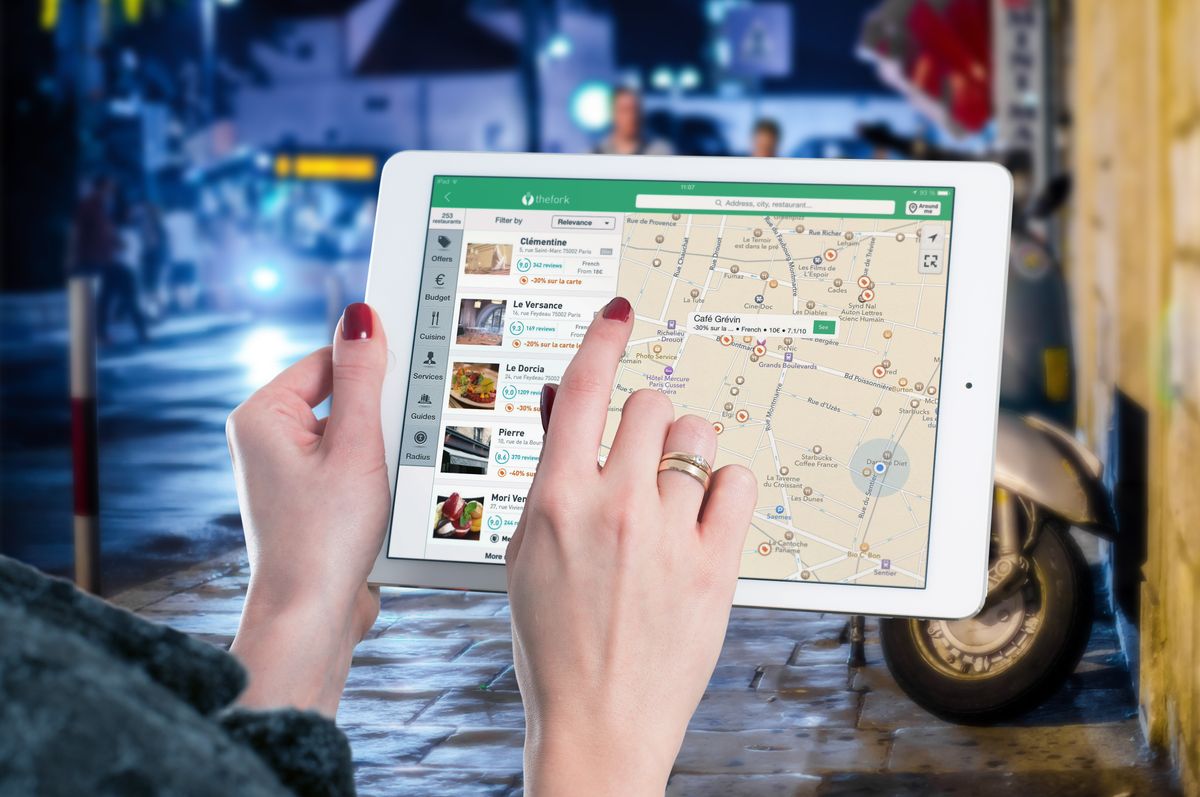
How to Optimize Your Google Business Profile for a Medical Practice
By the time a patient clicks through to your website, they have usually already decided on Google. They search, see a little box of three practices on a map with stars, photos and hours, and they tap one right there, often without ever loading a single site. That free listing, your Google Business Profile, is the most valuable marketing most local practices own and the one they touch the least. We walk through the whole thing in plain steps: claim and verify it, get your name, address and phone matching everywhere, choose the right categories so you surface for the exact treatments patients search (most practices use one category and stay invisible for the rest), fill it with real photos that calm nervous patients, and feed it fresh reviews every month, since recency and steady volume beat a perfect star average that has not moved in a year. Nearly half of all Google searches are local, and a huge share of those people contact a business the same day. That is your next patient deciding in real time. Here is how to be the one they pick, not the pretty website on page two nobody sees.
Read the article →
Why It Costs More to Get a New Patient Now
You are not imagining it. The same ads that filled your schedule two years ago cost more today and bring in fewer patients. The data backs it up: patient acquisition cost rose about 56 percent between 2022 and 2025, from roughly 200 dollars to 312 dollars per patient, and healthcare cost per click climbed 40 to 60 percent. A single click on dentist near me went from 6 to 15 dollars up to as much as 45 in some markets, while mental health leads now average 141 dollars apiece. We pulled the real benchmarks from LocaliQ and a 2025 acquisition cost analysis to show what actually moved and why. The short version: ad platforms are auctions, more practices are bidding every year, and the natural reaction, raising your bids, is the worst thing you can do. You cannot out spend an auction you do not control. The way out is owning the channels ads cannot touch, your Google Business Profile and reviews, your existing patient list, and a website that actually books the people who click. Do that and your cost per patient drops while everyone else pays more to stand still.
Read the article →
Should Your Medical Practice Be on LinkedIn?
No patient has ever picked their doctor on LinkedIn, so plenty of owners write it off. But that is the wrong test. Patients start on Google and reviews (about 77 percent begin on a search engine, and the top three map listings grab roughly 70 percent of local clicks), and LinkedIn never shows up in those rankings. What does live there: the other doctors who could refer to you, and the providers and staff you want to hire. Physician to physician referrals convert at over 70 percent, far above any ad, and more than 8 million healthcare providers are now on the platform. So the honest answer is yes and no. No, it will not fill your waiting room. Yes, it is worth a clean, simple presence for referrals, recruiting, and credibility when someone looks you up. We break down what LinkedIn is actually good at, why the people beat the logo, and a realistic plan that takes almost no time, so you can keep your real energy on the channels that book patients.
Read the article →
Should Your Medical Practice Offer a Free Consultation?
Dropping the first visit to zero sounds like an easy yes. Sometimes it is. Other times you pack your week with curious window shoppers who eat your provider's time and never book. A plastic surgeon told us his free consults filled the calendar, then two thirds were no shows or there just to grab a brochure. He had not gotten more patients. He had gotten more meetings. We break down the real tension: free removes the cost barrier, but cost is also a filter, and a small consult fee applied to treatment (often 50 to 250 dollars) cuts no shows and weeds out tire kickers. So the question is not free versus paid in the abstract. It is which problem you have right now: too few leads, or a calendar full of people who never commit. Plus the part owners ignore, that 84 percent of patients vet your reviews before they ever book, and most consults are won or lost in the follow up days after the visit, not in the room.
Read the article →
How to Tell If Your Marketing Agency Is Actually Working
You send the same payment every month and get a colorful report full of impressions and reach, and you still cannot tell if any of it put a patient in your chair. You are not paranoid, and you are not bad at this. A lot of agencies are very good at looking busy and very bad at proving results. We hand you the honest checklist: the red flags (vanity metric reports, nothing tied to booked patients, you do not even own your own ad accounts, long lock in contracts, nobody who actually understands HIPAA), the green flags of a real partner, and a five minute test you can run on your current agency today. One stat says it all: ANA and 4As research found clients who never review the relationship stay 8.1 years, while those who check regularly often leave in under four. The agencies that avoid being checked keep clients longer, not because they perform better, but because nobody is looking. The fix is one question: how many new patients did you book me, and what did each one cost?
Read the article →
Should Your Medical Practice Be on Reddit?
A patient Googles your treatment and the first thing they read is a Reddit thread full of strangers. Then they ask ChatGPT, and it quotes the same thread right back. You are not in the room for any of it. After Google's 2024 data deal with Reddit, the platform exploded across search: it now passes a billion monthly visits and is one of the single most cited sources inside Google's AI Overviews, holding roughly a fifth of all citations. So the real question is not "should I post on Reddit?" (for most practices, no, it punishes anything that smells like marketing). It is "do I know what it already says, and is my own answer showing up next to it?" We break down how patients actually use Reddit to pick a doctor, why AI tools lean on it so hard, and the simple play that wins: find the questions patients ask there, then out answer them on a site you own so Google and ChatGPT quote you too.
Read the article →
What Is Retargeting, and Should Your Medical Practice Use It?
Almost everyone who lands on your website leaves without calling. They were interested, then life pulled them away. Retargeting is how you bring those people back, and it is one of the cheapest patient sources a practice has. It is also one of the easiest to get wrong in healthcare. We explain it in plain English: what retargeting is, why warm visitors who already know you convert far better than cold strangers, and why it squeezes more out of traffic you already paid for. Then the part most marketing articles skip entirely: the privacy rules. The FTC fined GoodRx and BetterHelp in 2023 for sharing health data with ad platforms, and HHS has warned that tracking pixels on condition pages can expose protected health information. Building an audience off your "anxiety treatment" page is the move that gets practices fined. We lay out the safe way to do it, keep audiences general, never feed patient data to the platform, and point every ad at a page that actually books.
Read the article →
Is Summer Really the Slow Season for Medical Practices?
Every June, owners say the same thing: summer is dead, everyone is on vacation, nothing we do matters until fall. It is one of the most expensive beliefs in healthcare. Zocdoc's 2024 booking data shows summer is actually the busiest time of year for primary care, dermatology bookings jump 14 percent in July, mental health visits rise 19 percent in August, and the back to school rush has now overtaken New Year as the single biggest appointment wave of the year. So why does the schedule look thin in June? We break down the real reasons (travel, no shows, short staff, and a wave that simply has not landed yet), exactly what to promote now (sports and school physicals, skin checks, mental health, the treatments patients put off), and why cutting ads in a slow month is how a soft summer becomes a dead one. The patients are coming either way. The only question is whose schedule they land on.
Read the article →
How Much Does Social Media Management Cost for a Medical Practice?
A med spa owner got two quotes to run her Instagram. One said 400 dollars a month, the other said 3,500, and both used the exact same words. When the labels match and the prices do not, something underneath is very different. We pull apart the real 2026 numbers: freelancers at 35 to 150 dollars an hour, agencies at 1,500 to 5,000 a month, and the in house hire that quietly costs more than a full agency once you add benefits, taxes and software to a 65,000 dollar salary. We also explain the healthcare premium nobody warns you about (HIPAA review and medical claim rules add roughly 20 to 30 percent), the five levers that move your price, and the one question cheap quotes always dodge: how will you show me it led to actual patients, not just likes?
Read the article →
Should Your Medical Practice Be on Nextdoor?
Right now, a few streets over, someone is typing "can anyone recommend a good dentist near here?" into Nextdoor. Five neighbors answer within the hour. You never see the thread, and you are not in it. Nextdoor reaches roughly one in three US households, and it is built around the one thing that has always driven the best practices: a neighbor asking another neighbor who they trust. We break down why it is different from Facebook or Instagram (every member is tied to a verified address, and a huge share of activity is people actively asking for a doctor), the honest limits (it does not help your Google ranking and the reach is hyperlocal), and the exact five step playbook: claim the free page, be a helpful neighbor instead of a billboard, reply with HIPAA front of mind, and make booking dead simple so a warm recommendation never cools into a missed call.
Read the article →
How to Get Patient Testimonials Without Breaking HIPAA
A real patient saying "they changed my life" sells better than any line you could write about yourself. It is also one of the easiest ways to land a five figure HIPAA fine if you do it wrong. One North Carolina dental practice paid 50,000 dollars after a single online review reply went too far. We untangle where the line actually sits: the difference between a review the patient writes (their free speech) and a testimonial you publish (your marketing, which needs signed authorization), exactly what a clean consent form has to include, the safe vs unsafe way to reply to reviews, and why a 60 second patient video filmed on a phone out books any polished ad. With 93 percent of people reading reviews before they choose, patient stories are too valuable to skip and too risky to wing. Here is the simple system to do it right.
Read the article →
Does My Medical Practice Need an App?
A vendor pitched you a slick branded app, and a part of you wondered if a real practice should have one in 2026. Before you spend tens of thousands on it, here is the honest answer: almost no independent practice needs one. The majority of smartphone users download zero new apps in a typical month, and your patients only see you a few times a year, so most will never install it. Meanwhile a custom app runs 25,000 to 120,000 dollars to build plus thousands a year to maintain. We break down what the download numbers really say, what an app actually costs, the rare practice that does benefit, and the much cheaper stack that books more patients: a fast mobile site with online booking, text reminders and local SEO.
Read the article →
How Many Social Media Followers Does a Medical Practice Need?
It is one of the first questions owners ask about social media, and it is the wrong one. A dermatologist once told us a competitor had 40,000 followers to her 900, and she was ready to spend big to catch up, until we asked how many of those 40,000 lived close enough to ever sit in her chair. For a local practice, the follower count is mostly noise. Only about 6 percent of patients say they chose a doctor based on a practice's social media, while 45 percent point to reviews. We break down why a few hundred real local followers out book a giant random audience, the numbers that actually matter (local reach, saves, clicks to book and DMs that turn into appointments), and how to grow the right way instead of chasing a vanity number.
Read the article →
How to Fill a New Provider's Schedule
You finally hired the associate, and now you are staring at a calendar with too much white space in it. An empty schedule on a new hire is one of the most expensive problems a growing practice can have. A new provider draws a full salary from day one, but left to word of mouth they can take six to eighteen months to reach full productivity, which is exactly why provider contracts come with a first year salary guarantee. The fix is a real plan, not patience. We walk through the four step playbook we run around every new hire: sweep your existing patient list for warm appointments first, give the provider a page that ranks and converts, point targeted ads at the exact open slots, and catch every inquiry the second it lands so the schedule fills in weeks instead of quarters.
Read the article →
How Many New Patients Does Your Practice Need?
Almost every owner picks a new patient goal out of thin air, a round number that just sounds healthy. But there is a real number, and it starts with a question hardly anyone asks: how many patients are you quietly losing every year? The average practice loses about 17 percent of its patients annually, which means a 2,000 patient practice needs roughly 28 new ones a month just to break even, before any growth at all. We walk through the simple napkin math that turns your goal from a guess into a target tied to your actual practice, why attrition stays invisible until it has stalled you for years, and the cheaper lever most owners ignore: keeping more of the patients you already have so the number you have to chase gets smaller.
Read the article →
Before and After Photos: The Most Persuasive Marketing Your Practice Owns
A new patient does not care about your slogan. Before they hand you their face, their smile or their body, they want to see proof your work actually works, and for a med spa or any visible result practice, that proof is a before and after photo. The problem is most practices either bury their best results under stock photos and quote graphics, or post patient images in a way that breaks HIPAA. We break down why before and afters out sell every other piece of content you can publish, the written consent rules you cannot skip, how to shoot photos people actually believe instead of ones that read as fake, and where to put them so the patients already deciding on you actually see them.
Read the article →
How to Tell If the Healthcare AI Being Pitched to Your Practice Is Any Good
This month the biggest hospital systems in the country are doing something telling. Mass General Brigham unveiled a benchmark to grade healthcare AI, and Yale New Haven is swapping AI radiology tools after Microsoft sunset an old one. The lesson for a small practice: if giants with research teams refuse to trust AI on faith, you should not either, especially the chatbot a vendor wants to put on your phones. The AI in hospital headlines is not the AI being pitched to your front desk, and a slick demo proves nothing. We break down the five minute test any owner can run on any vendor, the one question that ends the sales pitch, and why bad AI does not just fail to help, it loses you the new patients your marketing worked to bring in. Then try our own AI receptionist live and see if it survives your worst day.
Read the article →
Should Your Medical Practice Be on Yelp?
Some owners check Yelp every morning like a stock ticker. Others have never logged in once. Both are making a mistake. Here is the fact that changes the whole debate: Apple Maps and Siri pull their business listings and reviews straight from Yelp, so a huge slice of iPhone patients see your Yelp page without ever opening the app. With Yelp reporting more than 178 million monthly visitors and Health as one of its biggest categories, an empty or wrong page is a real leak. But Yelp also hides honest reviews, bans you from asking for them, and punishes anything that looks solicited, so it should never be your main focus. We break down the data, the HIPAA rules for replying, and the one hour checklist to set it up right, then get back to the work that actually grows your practice.
Read the article →
How Does My Practice Compete With Hims, Ro and Online Telehealth Brands?
A patient who used to come see you now gets their care from an app. No waiting room, no phone call, just a few taps at midnight and the medication shows up at the door. Hims and Hers passed 2.5 million subscribers, Ro is valued near 7 billion dollars, and a lot of owners feel the pull. Here is the honest read: these brands did not win on better medicine, they won on convenience and privacy, and 64 percent of patients still say they prefer in person care. People did not leave their doctor. They left the phone call. We break down where the apps are strong, where they fall flat, and the five move playbook to make starting with your practice just as easy, plus real.
Read the article →
Can You Remove a Bad Google Review?
A chiropractor texted us on a Sunday, fuming. A one star review had landed overnight from a name nobody recognized, about a treatment his office does not even offer. His first question is the one almost every owner asks: how do I delete this? The honest answer stings, but it leads somewhere far more useful. No, you cannot just erase a Google review. You can only flag the ones that break Google's rules, fake posts, competitors, spam, off topic rants, and even then removal is slow and rare. The real protection was never a delete button. It is a profile so deep with real, recent, happy voices that one bad day simply cannot define you. Here is what Google actually removes in 2026, how to flag the fakes the right way, and the smarter play that makes one bad review stop mattering.
Read the article →
Does Direct Mail Still Work for Medical Practices?
A dentist called us half annoyed: a printing company wanted five grand for 10,000 glossy postcards, and he wanted to know if he was about to set the money on fire. Fair question. Mail is not dead, but it is not the quiet secret the reps make it sound like either. Here is the part they always skip: a postcard does not end with the postcard anymore, it ends on Google. People get your card, then search your name and read your reviews before they ever dial. So the mailer does not win the patient, your online presence does. We dug into the real 2025 numbers, the three situations where mail genuinely pays off, the ones where that money should go elsewhere, and the one test to run before you print a single card.
Read the article →
Should Your Medical Practice Add Live Chat to Its Website?
That little chat bubble in the corner of your site looks harmless. A dermatology practice swore theirs did nothing, so we opened the inbox and found forty seven real messages. Do you take my insurance. Can I get in this week. Every one sent at night, every one never answered, because the chat only pinged a dark office computer. Those were not spam, they were patients raising their hand, and the practice had been ghosting all of them for months. That is the real story of website chat: the widget is the easy part, who answers it and how fast is the whole game. Your site is busiest at 9pm when your front desk went home at 5. Here is the honest case for and against chat, the HIPAA trap a free widget hides, and the version that turns a question typed at midnight into an appointment by morning.
Read the article →
How Long Should Patients Wait for an Appointment at Your Practice?
The average wait to see a doctor just hit 31 days, an all time high, and most patients will not wait that long. They book whoever can see them Thursday. Here is the blind spot: that wait is not a scheduling detail, it is the last and most fragile step of your entire marketing funnel. One med spa owner swore her ads were broken until we listened to a week of her calls together. Caller after caller asked how soon can I get in, heard three weeks, and never called back. The ads were fine. The wait was killing the booking. The good news is you probably have more availability than you think, you are just leaking it through missed appointments, voicemail and slots you never protect for new patients. Here is the data, the one number to track, and why fixing the wait beats spending more on ads.
Read the article →
A Competitor Just Opened Near Your Practice. Now What?
You drive to work and there it is: a new sign, a grand opening banner, another practice in your specialty three blocks away. The gut reaction is to panic and cut prices. Don't. The patients comparing you two are not standing on the sidewalk flipping a coin, they go home and search, and whoever shows up first and looks the most trusted gets the call. That fight happens on Google, and a brand new competitor can only beat you on one of the three things that decide who ranks. One family dental practice watched a flashy group open two minutes away with billboards and a promo, did not touch their prices, fixed their profile and turned on review requests, and was ranking above the new place with calls up inside eight weeks. Here is the full playbook, the one move to avoid, and why a new sign is a wake up call, not a verdict.
Read the article →
Should You Boost a Post or Run a Real Ad for Your Practice?
There is a blue Boost button under every post on your practice page, and it is the easiest money you will ever spend. It is also why a lot of owners think Facebook and Instagram ads do not work for healthcare. The truth is they never ran an ad, they boosted a post, which is a different thing wearing the same clothes. A boost pays for likes. A real ad goes after booked patients. One dermatology practice burned 1,800 dollars on boosts for a pile of likes and one phone call, then booked 23 consults the next month on the same budget once it was built right. Here is exactly what the Boost button does, the healthcare targeting rule nobody mentions, when boosting is actually fine, and why the patient you paid for still slips away if nobody answers fast.
Read the article →
Is Your Practice Website Secretly Leaking Patient Data?
A pediatric clinic called us rattled, sure they had nothing to do with a breach notice going out in their state. They were right about their records system and wrong about everything else. The leak was a free contact form on their website that emailed every kid's name and visit reason in plain text, through a vendor nobody had vetted. No hacker required, the door was just left open. US health records breached have now passed 935 million, and the fastest growing cause is not hospitals getting hacked, it is the everyday tools a practice trusts: forms, booking widgets, tracking pixels. Here is where the leaks hide on a practice website, a five minute check you can run today, and why getting this right is becoming a reason patients pick you instead of a hidden liability waiting for a bad week.
Read the article →
Does Branding Matter for a Medical Practice?
A doctor told us he did not believe in branding. He was a physician, not a soda company. Then he mentioned a newer practice opened nearby and his new patient numbers had slipped, so we put both websites side by side. His looked like 2009. Theirs looked like someone you would trust with your health. About 75 percent of people judge a business by how its website looks, and patients form that gut call in under a second. Branding is not a fancy logo. It is the whole impression that decides who books before a word is spoken. Here is what branding really includes, why consistency across every place patients find you is the part most practices get wrong, and the cheapest fixes that turn the attention you already earn into booked patients.
Read the article →
Should Your Medical Practice Be on TikTok?
A dermatologist asked us, half embarrassed, if she should be on TikTok. A third of Gen Z now looks up health questions there before they ever call a doctor, and about one in five check the app before checking with a physician. The catch: studies show nearly half the medical advice on TikTok is misleading, and most of it comes from people with no training. For the right practice that gap is a real opening, not a reason to hide. Here is the honest answer on when TikTok is worth it for your practice, when your time is better spent on Google and reviews, how to post without ever crossing a privacy line, and the one mistake that turns millions of views into zero new patients.
Read the article →
How to Market a Cash Based Practice
A med spa owner told us "I thought if I was good, people would just come," and then watched her Tuesdays sit empty. When you go cash pay, you walk away from the insurance trickle and the referral machine, so marketing stops being optional and becomes the whole engine. The US med spa market is already worth over 15 billion dollars and direct primary care has passed 2,000 clinics, which means more patients and more competition for each one. Here is how med spas, TRT, weight loss and direct primary care actually fill the schedule: get found in local search, run ads for the fast wins, show your prices, sell the result on your site, let proof persuade, answer every lead fast, and keep the patients you already paid to win.
Read the article →
How to Get More Referrals From Other Doctors
For many specialists, referrals from other physicians are the whole business, and also the channel they tend the worst. A surgeon told us his referrals were sliding for two years. The cause was not respect. Referred patients were hitting a voicemail at lunch and waiting three weeks for a slot, and half never came in. About 1 in 3 patients gets referred to a specialist each year, yet research found up to half of those referrals are never completed. Here is why referrals leak away, the communication gap that slowly kills relationships, and the honest steps that bring more of them in and keep them from going to someone else.
Read the article →
Should Your Medical Practice Offer Payment Plans?
A patient loves the plan, hears the total, and goes quiet. You never see them again. Almost 4 in 10 Americans say they put off care over cost, and about 41 percent carry medical debt, so for most practices the lost booking was never about the patient or the price. It was that nobody gave them a way to say yes. Here is the real data on cost and care, the difference between in house plans, third party financing and memberships, and the one mistake that makes any of them useless: hiding the option at the front desk instead of in your marketing.
Read the article →
What Is a Good Conversion Rate for a Medical Practice Website?
Almost every owner watches how many people visit their website. Almost none watch how many actually book, and that second number is the one that pays the rent. The healthcare average sits around 3 percent, yet plenty of practice sites convert under 1, which means more than 99 of every 100 visitors leave without doing a thing. Here are the real benchmarks, what your number should be, and the handful of fixes, speed, easy booking and real trust, that turn the traffic you already have into patients on your schedule.
Read the article →
How to Improve Patient Retention: Why Patients Leave and How to Keep Them
Most practices spend all year chasing new patients while older ones slip out the back door. The US average is about 17 percent attrition, close to one in six patients lost every year, and they almost never leave because the care was bad. They leave because rebooking was a hassle, nobody reminded them a visit was due, or a more convenient option showed up. Keeping a patient costs five to eight times less than winning a new one, and lifting retention just 5 percent can raise profit 25 to 95 percent. Here is why patients stop coming back and the simple system that brings more of them back.
Read the article →
What Should a Medical Practice Post on Social Media?
You posted the office holiday photo, got four likes, then stared at a blank screen for three weeks. The hardest part of social media is not posting, it is knowing what to post once the obvious stuff runs out. About 44 percent of patients follow a provider to learn something, not to be sold to, so teaching beats selling every time. Here are the five content types that actually build trust and book patients, how to share patient stories without breaking privacy rules, and a simple three post a week plan any busy practice can keep going.
Read the article →
What Should a Medical Practice Website Include?
Most practice websites are not ugly. They are just empty in the spots that matter. A patient lands on the page, cannot quickly find the one service they need, cannot tell if you are any good, cannot see how to book, and leaves to call the practice that made all three obvious. Around 75 percent of people judge a business by its website, and most leave within seconds. Here are the 10 things a medical website actually needs to turn a stranger into a booked patient, backed by real 2026 data.
Read the article →
How to Attract Younger Patients to Your Practice
Your waiting room is getting older, and the steady patients of fifteen years are not being replaced fast enough. Millennials and Gen Z are not hard to reach, they just pick a doctor in a completely different way. About 73 percent prefer to book online over calling, ratings and reviews are the number one factor they weigh, and 77 percent of Gen Z have considered switching providers in the past two years. Here is what the data says about how younger patients choose care, and the specific changes that put your name in front of them.
Read the article →
Is Your Front Desk Losing You Patients on the Phone?
You spend money to make the phone ring, then a call hits voicemail during the morning rush and you never hear about it. No note on the schedule, no complaint, nothing. The patient just dialed the next office and booked there. The average practice misses a quarter to a third of its calls, about 62 percent of those callers never leave a voicemail, and a missed new patient call can be worth 300 to 500 dollars. Here is what is really happening on your phone, and how to plug the most expensive leak in your practice.
Read the article →
Should Your Medical Practice Buy Patient Leads?
A company calls and makes it sound easy. Pay us per lead, and we send you patients ready to book. For a practice with empty chairs, that pitch is hard to ignore. But here is the part they leave out: most of those leads were sold to your competitors too, half will not pick up the phone, and the day you stop paying, they all disappear. The average healthcare lead runs around 53 dollars before the leaks that push your true cost per patient much higher. Here is the honest math, the catch nobody mentions, and what to do instead.
Read the article →
SEO vs Google Ads for Medical Practices: Which Comes First?
Should you pay Google to put you at the top today, or build rankings that bring patients for free later? Pick wrong and you either burn cash on clicks that never book, or wait six months for traffic while your chairs sit empty. But this was never really an either or choice. A paid search lead averages around 44 dollars, an organic one closer to 14, and ads can go live today while SEO takes months. Here is how the two actually compare in 2026, what each truly costs, and a simple way to decide which to start first.
Read the article →
Is Your Medical Practice Website ADA Compliant?
Most owners first hear about this from a scary law firm letter claiming their site breaks the ADA. It feels like a shakedown, and sometimes it is. But under the legal noise sits a real problem: 1 in 4 US adults has a disability, and a lot of them cannot use your website at all. They do not complain, they just book somewhere easier. Healthcare was the fastest growing category of accessibility lawsuits last year, up 52 percent, and 94.8 percent of websites fail basic checks. Here is what ADA compliance really means, in plain English, plus a free two minute test you can run right now.
Read the article →
Should Your Medical Practice Have a Blog?
It sounds like a question from 2012, until you see what changed. Patients no longer call to ask questions. They type them into Google and ChatGPT, read five sites, and decide who to trust before they ever pick up the phone. 82 percent research a provider online before booking. A blog is simply how your practice gets to be in that conversation, and now the AI assistants are reading it too, deciding who to name. Here is the honest data on whether it is worth your time, and the four reasons most practice blogs fail.
Read the article →
How to Track Where Your New Patients Actually Come From
A doctor swore Facebook was a waste of money because nobody at the front desk ever said Facebook. We looked closer: the ad got them in the door, then they googled his name and booked, and Google got all the credit. This is the hidden problem behind a question every owner asks, which marketing is actually working. The number most people trust, how did you hear about us, is the least reliable one they have. Here is why, and the few signals, most of them free, that finally tell you the truth.
Read the article →
What Google's New AI Search Guide Means for Your Medical Practice
Patients now read an AI answer at the top of Google before they click anything. Pew found people click a real result on only 8 percent of searches where an AI summary shows up, versus 15 percent without one. So we read Google's actual guidance on AI search, not the hot takes, and pulled out what matters for a clinic. The short version: there is no magic trick, but health content is held to a higher bar, and that is good news for a real practice. Here is what to do now.
Read the article →
Reaching Spanish Speaking Patients: The Audience Most Practices Ignore
A woman walked into a clinic, asked if anyone spoke Spanish, was told no, and never came back. That scene plays out every day, and most owners never see it because it happens before the phone rings. Almost 45 million people in the US speak Spanish at home, and most clinic websites have zero Spanish on them. The demand is huge, the competition is tiny. Here is how an independent practice can win a whole community nobody else is talking to.
Read the article →
Is Your Medical Practice Website Too Slow? How Page Speed Loses Patients
A family doctor was paying for ads, getting clicks, and barely booking anyone. We asked her to open her own site on her phone, off wifi. It took almost seven seconds to load. She had been paying to send people to a door that took too long to open. Google found 53 percent of people leave a site that takes more than 3 seconds to load, and slow sites also rank lower so fewer patients find you at all. Here is how to test yours in two minutes and what to fix.
Read the article →
How to Build a Patient Referral Program for Your Medical Practice
A pediatric dentist told us her best month all year came with zero ad spend. A few moms recommended her in a group chat and the calls kept coming. Then she asked the real question: how do I make that happen on purpose? Recommendations from friends are the most trusted form of advertising there is, and referred patients tend to stay longer and spend more. Here is how to turn goodwill into a real system, plus the federal rules that trip up practices who try to pay for referrals.
Read the article →
Are Healthcare Directories Worth It?
A dermatologist told us her directory listing felt like paying rent on her own patients. She was right. Zocdoc runs on a pay per booking model that can cost 35 to 110 dollars or more per new patient, sometimes even if they cancel. Meanwhile 46 percent of patients find doctors on Google, the same share who use directories. Here is the real math, what directories do well, and where they cap the growth of a practice that leans on them too hard.
Read the article →
How Much Is a New Patient Worth?
A doctor told us a new patient cost too much to get. Then we asked what one was worth over the years they stay, and he went quiet. He had never figured it out. That one missing number is why so many practices underspend and lose patients to weaker competitors. A primary care patient is worth around 3,000 dollars in lifetime value, while acquiring one runs 155 to 610 dollars. Here is the real math, the benchmarks, and how knowing your number changes everything.
Read the article →
Video Marketing for Medical Practices: Does It Actually Work?
A dermatologist spent months on a slick brand video and got zero patients. Then she filmed 45 seconds on her phone answering one common question, and it outbooked the expensive one in a week. Around 89 percent of people say a video convinced them to buy. For a practice it is not about polish, it is trust. Here is the real data, exactly what to film, and how to stay clear of HIPAA.
Read the article →
Should Your Medical Practice Text Patients?
Your front desk leaves three voicemails nobody returns, while a single text would have been read in under a minute. Texts get opened about 98 percent of the time, and reminders cut no shows by close to 40 percent. Patients now prefer a text over a call or a portal login. Here is the real data on texting patients in 2026, and exactly how to do it without ever bumping into HIPAA.
Read the article →
How Do Patients Choose a Doctor?
Same town, same insurance, and a new patient picks one practice and skips four others. What decided it? Most of the choice now happens on a phone in about ten minutes, before they ever call. About 7 in 10 patients start with online reviews. Here is the real research on how patients choose a doctor in 2026, the order they decide in, and how to be the name they land on.
Read the article →
Email Marketing for Medical Practices: Does It Still Work?
Everyone assumes patients ignore email. Then they see the numbers: about 36 dollars back for every dollar spent, and healthcare open rates near 40 percent, higher than almost any other industry. The reason is simple, these are not strangers, they are your patients. Here is the honest case for email, what to actually send, how often, and how to keep every send on the safe side of HIPAA.
Read the article →
How Often Should a Medical Practice Post on Social Media?
Do you really have to post every day? No. On Facebook, practices posting twice a week saw engagement similar to those posting eight or more times, because what you post beats how often. Here is the honest 2026 answer: why consistency wins, the realistic cadence a busy practice can actually keep, and what content actually turns followers into booked patients. With real data and a simple weekly plan.
Read the article →
How Much Does a Medical Practice Website Cost?
You ask three companies for a quote and get three wildly different numbers: 1,500 dollars, 12,000, or 899 a month. None of them really explains why. Here is the honest 2026 breakdown of what a medical practice website costs, what actually drives the price, and the cheap option that quietly costs you the most. With real conversion data and a simple way to know what you should pay.
Read the article →
How Can an Independent Practice Compete With Big Hospital Systems?
By the end of 2025, hospitals and corporate groups owned 64 percent of US practices, and the consolidation headlines have a lot of owners scared into selling. Here is what those headlines leave out: patients still prefer the small, personal office, by a wide margin. The gap is not care, it is who they find first online. Here is the real data, and how an independent practice wins its own town without outspending the giants.
Read the article →
How Fast Should You Respond to a New Patient Inquiry?
A patient just found you online and reached out. The clock starts now. Wait 30 minutes instead of 5 and your odds of qualifying that lead drop 21 times, per a landmark MIT study. Meanwhile 85 percent of patients never call back after one missed call. Here is the real data on speed to lead, and how to make sure you are the practice that answers first, without chaining your front desk to the phone.
Read the article →
Why Your Website Gets Traffic But No New Patients
Hundreds of people visited your site this month, so why is the phone still quiet? The problem is rarely traffic. The average healthcare website converts about 3 percent of visitors, and the rest leave in the first few seconds. Here is where they slip away, backed by real conversion and page speed data, and the four leaks to plug before you spend another dollar on ads.
Read the article →
Do Google Ads Work for Medical Practices?
Right now someone in your town is typing your specialty plus near me into Google, and in a few seconds they will pick a name at the top and call. Will it be yours? Google Ads can put you there, or burn a few thousand dollars for nothing. Here is the honest answer with real 2026 cost per click and cost per lead data, Local Services Ads, and the four leaks that waste most healthcare ad budgets.
Read the article →
How to Respond to Negative Patient Reviews Without Breaking HIPAA
A one star review lands at 11pm, it gets a detail wrong, and you want to set the record straight. That instinct cost one dental practice a 10,000 dollar federal fine and two years of monitoring, all from a single Yelp reply. In healthcare you cannot fight back like a restaurant. Here is how to respond to bad reviews calmly and legally, with the real OCR cases, the 2026 data, and a script you can copy today.
Read the article →
More Practice Tools, Still Not Enough New Patients?
Weave just joined the athenahealth Marketplace, where nearly 75 percent of practices already stack outside tools onto their records. More apps is good news, but it is not a growth plan. Missed call text back only helps when someone calls. None of these tools create new patients on their own. Here is the honest difference between owning tools and having a system that actually fills your chairs.
Read the article →
How to Get Patients for a New Medical Practice
You opened the doors, hired the staff, hung the diploma, and the schedule is still too quiet. Opening a practice and filling it are two different skills. With 77 percent of patients starting on Google and 84 percent reading your reviews first, a brand new practice has a real first impression problem. Here is the honest, step by step playbook for getting your first patients in 2026, from Google to reviews to ads, with real numbers and how long it actually takes.
Read the article →
Should Patients Be Able to Book Appointments Online?
A patient finds you at 9pm, ready to book, sees only a phone number, and thinks "I will call tomorrow." They never do. Around 70 percent of appointments get scheduled outside business hours, 95 percent of people have booked care online or would, and most would switch doctors to get it. Here is the honest answer on why your practice needs online booking, with real 2026 data, plus the one leak it still does not catch.
Read the article →
Which Social Media Platform Is Best for Your Medical Practice?
Should you be on TikTok? Is Facebook dead? You cannot be everywhere at once, and trying is the fastest way to post nowhere. The best platform is just the one where your patients already are. Instagram reaches 80 percent of adults under 30, Facebook still owns the 30 to 49 crowd, and one in three Gen Z users check TikTok for health info. Here is the honest answer by specialty, backed by fresh Pew and healthcare data, plus why social media alone almost never books the patient.
Read the article →
In House Marketing vs an Agency for Your Medical Practice
Every growing practice hits the same fork: hire a marketer in house or bring in an agency. It feels like a money question, but it is really a coverage one. One hire runs about 100k a year all in and gives you one person with one skill set. Marketing a practice in 2026 takes five or six. Here are the real numbers, where each option genuinely wins, and the one test that tells you if either is actually working.
Read the article →
How Long Does Medical Practice Marketing Take to Work?
You started marketing, the bill came, and the waiting room looks the same. So when does it kick in? The honest answer is there is no single clock. Ads can book patients in days, your Google Maps spot moves in 4 to 8 weeks, and real SEO takes 4 to 6 months to land, with 82 percent of experts saying it needs about six months. Here is the real month by month timeline for each channel, why most owners quit right before it pays off, and how to tell when slow actually means something is broken.
Read the article →
Why Is My Medical Practice Not Showing Up on Google?
You search your specialty and your city, and there is everyone but you. The local 3 pack shows up on 93 percent of local searches and grabs up to half the clicks, yet most owners never get into it. Searches for a doctor near me are up 185 percent since 2020, and patients now pick you on online presence over referrals. Here is exactly why your practice is invisible, with real 2026 data: the Google Business Profile that drives 32 percent of rankings, the category mistake that quietly costs you, and the simple fix order that gets you into the box at the top.
Read the article →
How to Reduce Patient No Shows at Your Medical Practice
Every empty chair has a name. No shows cost US healthcare around 150 billion dollars a year and the average practice 20,000 to 30,000 dollars a month, yet most are very fixable. Patients rarely skip on purpose, they forget or cannot reach anyone to cancel. Here is the full playbook with real 2026 data: why text reminders cut no shows by 38 percent, when a fee actually backfires, and the one leak nobody counts, the call you never answered.
Read the article →
Do Facebook Ads Work for Medical Practices?
Most owners who say "we tried Facebook ads and they didn't work" never really tested them. Done right, paid social can fill a schedule on demand. Done wrong, it drains a few thousand dollars for nothing. Here is the honest answer, with real 2026 cost per lead numbers (about 42 dollars for healthcare, 33 for booking campaigns), the health rules Meta enforces, when to use Google instead, and the four things that decide whether your ads pay off.
Read the article →
How to Get More Google Reviews for Your Medical Practice
It is one of the most googled questions practice owners ask at night, and the numbers explain why: 84% of patients read reviews before booking, 61% now trust them over a referral from a friend, and most will not pick anyone under 4 stars. Yet most practices have very few reviews, and it is almost never because patients are unhappy. It is because nobody asks. Here is the simple, ethical system to fix that, with real 2026 data.
Read the article →
How Much Should a Medical Practice Spend on Marketing?
It is the question every owner googles late at night after a slow week. The honest answer is a range, not a magic number: about 5 to 10 percent of revenue for an established practice, more for a new one. But most practices spend only 1 to 5 percent and stay stuck. We pulled the real 2026 benchmarks, what a new patient costs by specialty (dental near 300 dollars, behavioral health over 1,000), where the money should go, and the one leak that makes a good budget vanish.
Read the article →
SEO and AI Search for Healthcare in 2026: Does GEO Really Exist?
A patient with a sore tooth no longer scrolls Google. They ask ChatGPT, or read the AI answer Google writes, and a short list of names appears. AI answers now show on about 88% of healthcare searches, and 230 million people ask ChatGPT health questions every week. So is GEO real or just SEO evolved? Honestly, both. Here is what it means for your practice, with real 2026 data.
Read the article →
Why Patients Now Shop for Healthcare on Price
Care costs are set to jump about 9 percent in 2027, the steepest rise in 17 years per PwC. That number does not stop at the insurer, it lands on your patient as a bigger deductible. And a patient paying out of pocket stops acting like a patient and starts acting like a shopper, calling three practices and booking the one that answers clearly and fast. Here is how to be that practice without being the cheapest in town.
Read the article →
The Real ROI of an Online Presence in 2026
Two practices on the same street offer the same care. One shows up online and runs smart ads. The other waits for word of mouth. A year later their bank accounts look nothing alike. We pulled the real numbers: 77% of patients search before they book, digital marketing returns around 4.8x, and an optimized Google profile can triple inquiries. Marketing is not a cost. It is an investment.
Read the article →
The World Cup Is Coming to Your City. Is Your Practice Ready?
The biggest FIFA World Cup ever just kicked off across 16 cities, 11 of them in the US. For six weeks, millions of visitors pour into host metros, and many of them will twist an ankle, run out of meds or need a doctor far from home. They search, they call once, often in Spanish. The practice that answers fast wins. Here is how to be ready.
Read the article →Why Mental Health Practices Lose Patients at the Front Door
NJBIZ reports workplace mental health strain growing with the AI boom, and about one in five US adults faces a mental illness each year. More people are reaching out than ever. The problem: asking for help is the hardest call a person makes, they dial once and often after hours, and voicemail loses them for good. Here is how to catch every one.
Read the article →The Money Hiding in Your Old Patient List
A dental office was paying for ads while 1,400 past patients sat untouched in its files. Selling to a patient who already knows you works 60 to 70 percent of the time, a stranger only 5 to 20 percent, and a 5 percent lift in retention can raise profits 25 to 95 percent. Your old list and dead leads are money on the table. Here is how to bring them back.
Read the article →Why Relying on Referrals Slowly Puts Your Practice at Risk
One doctor had not run an ad in eleven years. Referrals kept him full, until the group sending them got bought and his new patients dried up overnight. In 2023 online search passed referrals as the top way Americans find a doctor, and leakage drains 10 to 30 percent of revenue before patients reach you. Here is how to build a patient flow you actually own.
Read the article →
Why Medspas Lose Money on Every Missed Call
A medspa owner pulled one week of phone records and went quiet: over thirty calls unanswered, many of them new clients who hit voicemail and never tried again. For a wellness center, one missed call is a treatment, a membership and years of visits booked somewhere else. Here is what it costs and how a trained front desk plus an AI receptionist catches it.
Read the article →How to Stay an Independent Practice Without Selling
Hospital groups are buying up physician practices and calling it a survival strategy, but a fresh UHS deal just showed the math does not always work. The truth most owners miss: what really pushes you to sell is an unpredictable flow of patients. Own that, and selling becomes a choice instead of a corner you got backed into.
Read the article →What Rising Healthcare Costs in 2027 Mean for Your Practice
Health plans say costs will jump about 9 percent next year, blaming drug prices and new technology. That number does not stop at the insurer, it rolls downhill to your front desk as patients who hesitate and a schedule that wobbles. Here is the one defense you actually control: owning your own patient pipeline.
Read the article →Why Doctors Need Social Media in 2026
A family doctor named Mike started answering health questions on camera and ended up trusted by millions. The lesson is not about going viral. It is that the trust patients feel watching a real doctor is the exact trust your local patients are looking for, and right now they decide whether you have it before they ever call.
Read the article →
AI for Small Medical Practices: A Practical Guide
The big health systems and EHR vendors are racing into agentic AI. For a solo doctor or a small clinic the real question is simpler: what can I turn on this month that pays for itself? Here are the few AI wins that actually move the needle, starting with the phone.
Read the article →Patient Trust in the AI Era: When Your Patients Know the Doctor Uses AI
The New York Times just told millions of readers their doctor may be using AI on tough cases. Your patients read it too. The question is no longer whether to use AI, it is whether patients still trust you when they know you do. Here is how to make sure they do.
Read the article →HIPAA Compliant AI for Healthcare Marketing: What Every Practice Should Know
AI agents that answer patients and book appointments are here, and they are genuinely useful. They are also a compliance trap if you grab the wrong tool. Here is how to get the speed of AI without betting your practice on a HIPAA violation.
Read the article →How AI Is Changing Patient Acquisition in 2026
Patients no longer just Google their symptoms, they ask AI. If your practice is invisible to these new tools and slow to answer the leads you do get, you are quietly losing new patients every week. Here is what changed and how to win the patient before your competitor does.
Read the article →