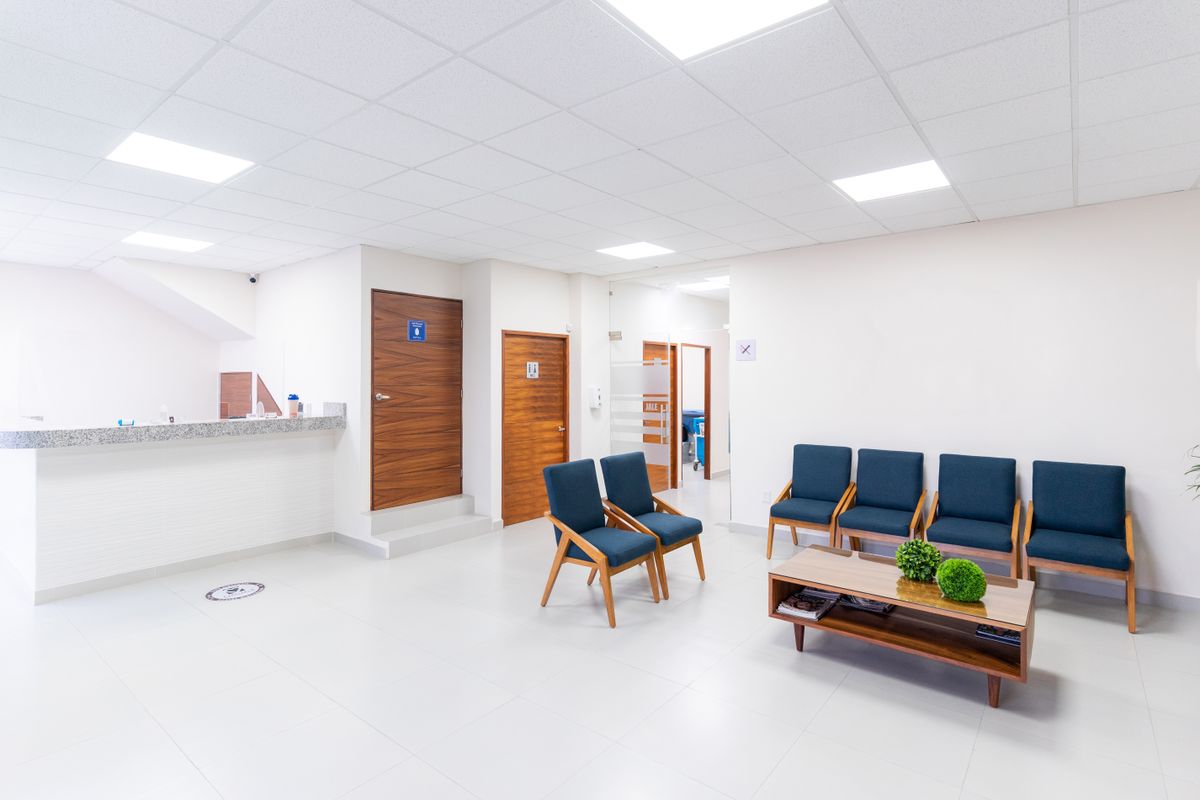
A patient shows up early, checks in, and sits down. Their appointment was at 2:00. It is now 2:25 and no one has said a word to them. They are not reading the magazines. They are on their phone, and there is a decent chance they are looking at your competitors, or writing the review in their head. That quiet stretch in the waiting room is one of the most underrated moments in your whole practice, and most owners never think about it as a business problem.
We tend to file wait times under operations, something the front desk deals with. But the numbers say it belongs under marketing, right next to your reviews and your new patient count. A slow waiting room does not just annoy people. It changes your ratings, sends patients to the practice down the street, and quietly wastes the ad dollars you spent to get them in the door in the first place. Let us look at what the data actually says.
How long patients actually wait, and how long they will tolerate
The commonly cited average wait, from check in to seeing a provider, is around 18 to 20 minutes. Phreesia's data on patient flow puts the typical in office wait at roughly 20 minutes. That sounds survivable on paper. The problem is what happens on either side of that average.
The Vitals Wait Time Report found that 84 percent of patients say a reasonable wait time is important to a quality experience, and satisfaction starts sliding the longer people sit. Patients will forgive a short, communicated wait. What they will not forgive is feeling forgotten. Once someone is 20 or 25 minutes past their appointment time with zero updates, the goodwill you built up over years of good care starts draining out of the room.
The stat that should stop you cold: waits and star ratings
Here is the finding that turns wait time from an operations footnote into a marketing headline. When Vitals broke down average wait by the office's patient rating, the pattern was impossible to ignore:
- Five star offices: patients waited about 13 minutes.
- Four star offices: about 21 minutes.
- Three star offices: about 22 minutes.
- Two star offices: about 29 minutes.
- One star offices: just over 34 minutes.
Read that again. The practices patients rate best make them wait less than half as long as the ones they rate worst. Wait time and reputation move together. And your reputation is not a private matter anymore, because the next patient reads it before they ever call you. Your online rating is your storefront, so the minutes people spend in your waiting room end up shaping who decides to walk in next.
Why this is a marketing problem
Wait time is one of the most common themes in negative doctor reviews. Long waits produce one and two star reviews. Those reviews drag down your average star rating, and a lower rating means fewer new patients click, call, and book. So a schedule problem inside your walls turns into a demand problem outside them. You cannot out advertise a two star reputation.
What a long wait costs you in patients
The walkout is only the visible loss. The Vitals report found 30 percent of patients have left an appointment because the wait got too burdensome, and nearly 1 in 5 have switched providers over long waits. A separate Software Advice survey put it even higher on the reputation side: about 25 percent of patients switched providers to avoid long waits, and another 25 percent discouraged friends or family from seeing a doctor because of them. That last one is the quiet killer, because it poisons the word of mouth you never see.
And here is the gap that explains why so little gets fixed: in that same Software Advice survey, nearly two thirds of doctors believed wait times had no impact or only minimal impact on keeping patients. Patients are voting with their feet and their reviews, while a lot of practices assume it does not matter. That disconnect is exactly where patients leak out.
Remember who is sitting in that chair
The patient stewing in your waiting room is not a random person. They are the most expensive person in your building. You paid to reach them. Your website convinced them, your Google ranking got them there, maybe an ad did. They picked up the phone, took time off work, and drove in. Every dollar of that acquisition cost is already spent by the time they sit down. If they walk out frustrated and leave a bad review, you did not just lose one visit. You paid full price to manufacture a critic.
That is why we keep saying the waiting room is a marketing line item. It sits at the exact point where your hardest, most expensive work either pays off or gets thrown away.
The good news: perception is half the battle
Here is the part that makes this fixable without magically adding hours to the day. Research consistently shows that perceived wait matters as much as actual wait. A study on primary care wait times found that patient satisfaction was tied far more to whether people felt informed and respected than to the raw number of minutes. An uncommunicated 10 minute wait can feel worse than a 20 minute wait where someone pops in to say, honestly, that the doctor is running behind and you are next.
Anyone who has flown knows this. Airlines learned that a walk to a farther gate with a short wait at baggage claim beats a shorter walk and a long stare at an empty carousel. Same total time, completely different feeling. Your waiting room runs on the same psychology. Silence is the enemy, not the clock.
How to actually shrink your wait, and your bad reviews
You do not fix this by telling everyone to move faster. You fix the system that creates the backup and the silence around it. Here is where to start, roughly in order of impact.
Measure the real wait. Most offices have no idea what their true check in to provider time is, or when it spikes. Track it for two weeks. You will usually find the delay clusters at specific times, like the overbooked morning block or the hour after lunch. You cannot fix a number you have never looked at.
Fix the schedule, not the people. Long waits are almost always a scheduling design problem. Stop stacking complex visits back to back, build in buffer time for the appointments that reliably run long, and quit double booking the 9am slot. A schedule that reflects how long visits actually take is the single biggest lever you have.
Move intake off the waiting room. When patients fill out forms at the desk, the clock is already running before they sit down. Let them complete intake online before they arrive so they walk in ready to be seen. It shaves real minutes and makes the visit feel smoother.
Communicate delays honestly. This is the cheapest win of all. If you are running 20 minutes behind, tell people the moment they check in and again while they wait. A quick text that says the provider is running about 15 minutes late, thanks for your patience, does more for satisfaction than shaving five actual minutes. Practices that text their patients can even let people wait in their car and get a text when the room is ready.
Turn on time visits into reviews. When a patient is seen promptly and the visit goes well, that is the exact moment to ask for a review. Most practices ask everyone at random, or never. Catching happy, on time patients is how the fast offices build the five star average that the data shows they tend to have. If you need a system for this, our take on getting more Google reviews lays it out.
How EtherealMinds looks at your waiting room
When we build a growth patient acquisition system for a practice, we do not stop at getting the phone to ring. We look at the whole path a patient walks, because a leak anywhere in that path wastes everything spent upstream. The waiting room is one of those leaks. A slow, silent wait produces the bad reviews that then sabotage the next month of marketing, and the cycle feeds itself.
So we tie the pieces together. A website with online booking and digital intake so patients arrive ready instead of filling out clipboards in the lobby. Text messaging so you can warn people about delays and keep them calm instead of quietly furious. A steady review and reputation engine that captures the good experiences and turns your best visits into the five star average that draws the next patient in. And better local visibility through local SEO, so the reputation you protect actually gets seen by people searching for you.
So, are long wait times costing your practice patients? For most offices, yes, and more than the owners realize. About a third of patients have walked over it, the best rated practices are the fastest ones, and every bad review a slow wait creates quietly raises the price of your next new patient. The fix is not working faster. It is a smarter schedule, honest communication, and treating those minutes in the waiting room like the marketing moment they actually are.
Find the leaks between your marketing and your booked patients
Book a free strategy call. We will look at the full path your patients take, from the first Google search to the waiting room to the review afterward, and show you where you are losing people and money. Clear numbers, no jargon, no pressure.
Book a free strategy call →