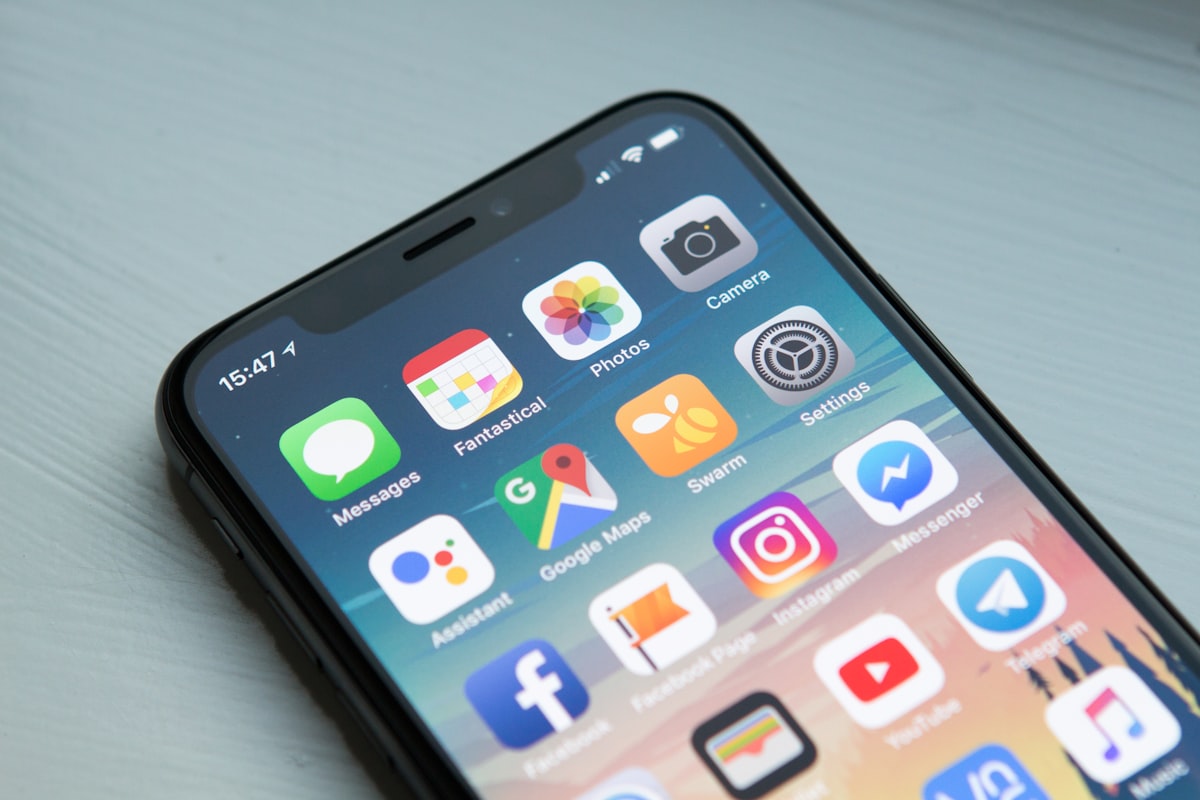
A patient calls your office on Tuesday and leaves a message. Your front desk calls back Wednesday and gets voicemail. They try again Thursday, nothing. By Friday that patient has booked somewhere else. Nobody did anything wrong. The phone is just a bad way to reach people who live on their phones but never answer them.
So the question lands on a lot of desks: should we text patients? The short answer is yes, for almost every practice, and the data is not even close. The longer answer is that texting has to be done the right way, with consent and a secure platform, or it can create real problems. Let us walk through both.
Why texting wins, in plain numbers
Start with the gap that makes everything else matter. Text messages get opened roughly 98 percent of the time, and about 80 percent are read within five minutes of arriving. Email open rates hover around 20 percent, and a voicemail from an unknown number is often deleted on sight. When you need a patient to actually see something, no other channel comes close.
That reach turns into real outcomes:
- Fewer no shows. Multiple studies put the drop in missed appointments from text reminders at roughly 30 to 50 percent, with one well known analysis landing near 38 percent. A controlled study published in the National Library of Medicine even found that the exact wording of the text changed how many people showed up.
- More confirmations. Practices that switch to text reminders with a simple "reply C to confirm" routinely see confirmation rates jump, because saying yes takes one tap instead of a phone call.
- Patients actually want it. Around 76 percent of people say they want text reminders for medical appointments, and roughly 84 percent say a text reminder makes them more likely to attend.
We have written before that no shows are rarely people being rude. They forgot, or life got in the way. A text the morning of the visit, with an easy way to confirm or move it, is the single cheapest fix for an empty chair that most practices still are not using well.
Patients already prefer the text
This is not a younger generation thing. Texting has passed both email and the patient portal as the channel many patients prefer, across age groups. A survey from DrFirst found patients would rather get a secure text from their physician than log into a portal to read the same message. It makes sense. A portal needs a username, a password nobody remembers, and an app. A text just shows up.
Think about how you book everything else now. A haircut, a dentist appointment, a dinner reservation, all confirmed by text. Patients carry that expectation into healthcare. When your practice is the one place that only does phone tag, it feels dated, and dated costs you the people who were deciding between you and the office down the street.
Where texting earns its keep in a practice
Appointment reminders and confirmations. Waitlist messages that fill a last minute cancellation in minutes. Intake forms sent as a link before the visit. Review requests to a happy patient on their way out. Recall texts for patients who are due. And fast replies to new patient inquiries, where speed decides who books. Most of this can run automatically once it is set up.
Speed is the part people miss
Reminders get all the attention, but the bigger win is often on brand new patients. When someone fills out a form on your website at 9pm, a call the next morning frequently goes to voicemail and dies there. A text within minutes gets read and answered, because people read texts they ignore calls. Our breakdown of how fast you should respond to a new patient inquiry shows just how fast that window slams shut, and texting is how you actually hit it.
The same goes for the patients already sitting in your system. The fastest growth most practices ignore is hiding in their own database. A short, friendly text to people who have not been in for a year often books appointments with zero ad spend. We made the full case in the money hiding in your old patient list.
Now the part people get wrong: HIPAA
Here is where good intentions cause trouble. Texting patients from a staff member's personal cell phone, with clinical details in the message, is a HIPAA problem waiting to happen. The fix is not to avoid texting. It is to text the right way. Three rules cover most of it.
1. Get consent
Ask patients for permission to text them, ideally in writing, when they hand over their number. Tell them what kinds of messages to expect. Promotional or marketing texts have a higher bar under the federal Telephone Consumer Protection Act, the same rules the FCC enforces for any business. Always give an easy way to opt out.
2. Use a secure platform, not a personal phone
Use a messaging system built for healthcare that can sign a business associate agreement and keep records. That keeps the conversation off personal devices and creates the audit trail you want if anyone ever asks.
3. Keep protected health information out of plain texts
A reminder like "See you Tuesday at 10, reply C to confirm" is low risk. Sending test results, diagnoses or detailed clinical notes over standard SMS is not. When the message needs to carry sensitive information, move it into the secure platform instead of a regular text. This is the same care we cover in our guide to HIPAA compliant healthcare marketing.
Done this way, texting is both safe and compliant. The mistake is not texting, it is texting carelessly.
Texting versus your other channels
Texting does not replace everything. It is the right tool for anything urgent or time sensitive, where you need it seen now: reminders, confirmations, waitlist offers, fast replies. Email is still better for longer, less urgent content like newsletters and education, which is why we still think email marketing earns its place in a healthcare practice. And your phone line still matters for the patient who wants to talk to a human. The point is to match the channel to the moment, not to pick one and force everything through it.
How EtherealMinds sets this up for you
At EtherealMinds we are a healthcare only agency, so this is daily work for us. We build texting into the full patient journey instead of bolting on yet another app your front desk has to babysit. Reminders and confirmations go out automatically. New patient inquiries from your website get an instant text reply, so nobody waits until morning. Recall and reactivation messages go to patients who are due. And it all runs through a secure, consent based setup so you stay compliant without thinking about it.
The piece that ties it together is our AI receptionist, which answers calls and texts the moment they arrive, day or night, and can book the appointment right there in the conversation. It plugs into our complete patient acquisition system alongside your website and ads, so the interest you earn turns into booked visits instead of missed calls and dead voicemails.
So, should your practice text patients? Almost certainly yes. The patients want it, the data backs it, and the only real risk comes from doing it sloppily. Set it up with consent, a secure platform and a little care about what you send, and texting becomes one of the cheapest, most reliable ways to fill your schedule that you have.
Turn missed calls into booked patients
Book a free strategy call. We will show you where your practice is losing patients to phone tag right now, and how a simple, compliant texting setup plus an AI receptionist could fill the gaps. No pressure and no jargon.
Book a free strategy call →