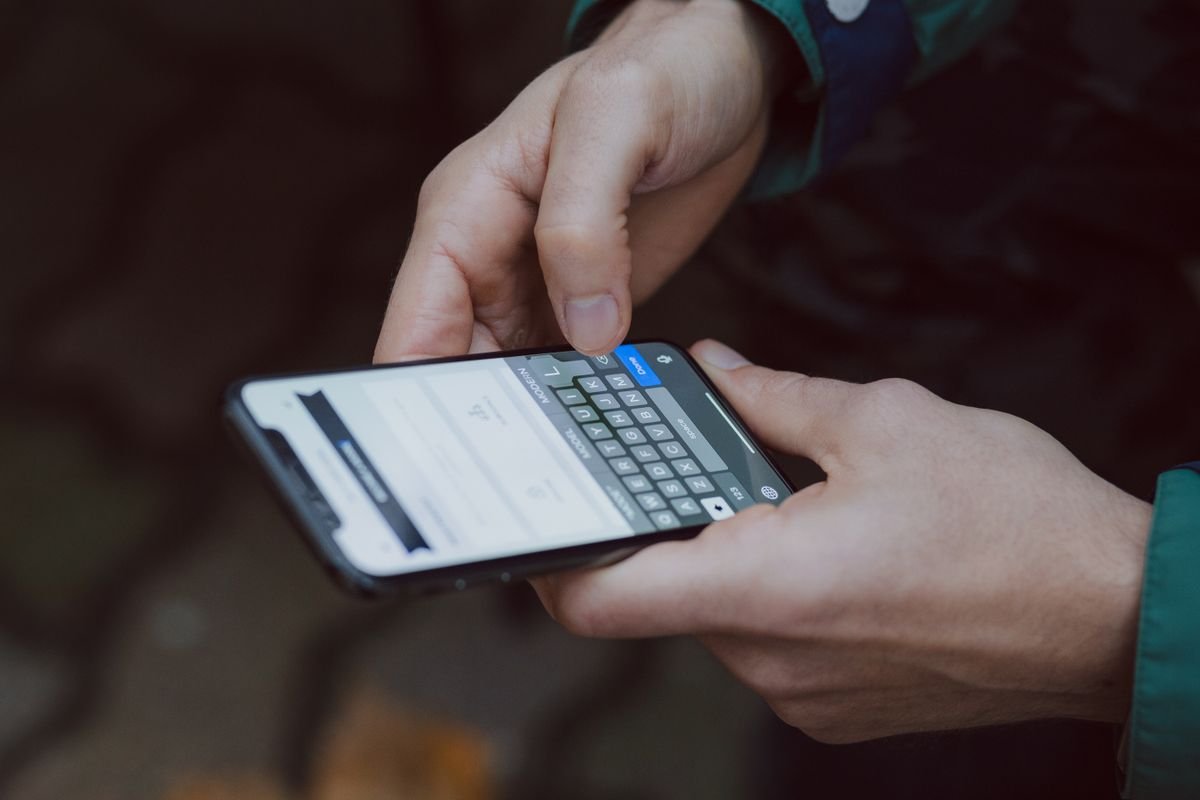
A busy family practice called us this fall with a strange problem. Their no shows had crept from a steady 8 percent up toward 15 over a few months, and nobody could explain it. Same reminders, same schedule, same friendly staff. When we pulled the thread, the answer was not in the office at all. It was at the phone carriers. A big chunk of their appointment reminder texts were being blocked before they ever reached a patient, and their software never told them. As far as the practice could see, every reminder said sent.
This is one of the most expensive problems in healthcare marketing right now precisely because it is invisible. Let us walk through what is actually happening, how to check if your practice is affected, and how to fix it for good.
What changed, in plain English
When your scheduling software, your reminder tool, or your front desk texting app sends a message, that is called application to person texting, or A2P. The US phone carriers decided a few years ago that they were done letting unregistered automated texts flood their networks. So they built a registration system, usually written as A2P 10DLC, for texts sent from standard 10 digit business numbers.
The deadline matters. According to carrier and provider guidance like Twilio's breakdown of A2P 10DLC, enforcement tightened for years and then hardened: since early February 2025, the major US carriers, AT&T, Verizon, and T-Mobile, block unregistered business texts from 10 digit numbers outright. Not slow them. Not charge a surcharge. Block them. And the filtering has only gotten stricter through 2026.
So if your practice is texting patients from a number that was never registered with a verified business profile and a declared use case, a real and growing share of those texts are simply not arriving.
Why this one is so sneaky
Email at least tells you when it fails. A blocked text usually does not. Your system marks the message as sent because it did send it, out to the carrier. The carrier is the one that silently refuses to deliver it. There is often no bounce, no error, no red flag in your dashboard. The reminder just evaporates on the way to the patient.
That is why practices find out the slow, painful way: through the symptom, not the cause. No shows drift up. Confirmation rates drift down. Patients say they never got a text, and the front desk assumes they just forgot. Months go by. It looks exactly like the kind of problem that spam filtering creates for email, which we covered in why your patient emails go to spam, except with texting there is even less warning.
Why reminders are worth protecting
It is easy to shrug this off until you look at what text reminders actually do for a practice. Text is the channel patients respond to. Open rates for SMS run near 98 percent, the vast majority are read within three minutes, and surveys consistently find that roughly two thirds of patients prefer text reminders over a phone call or email.
And they work. Randomized studies have found that text reminders meaningfully cut missed appointments. One often cited randomized controlled trial published in the National Library of Medicine found text reminders significantly improved attendance, and broader reviews put the reduction in no shows around a third. When a reliable reminder system can cut your no show rate by that much, having a silent chunk of those reminders blocked is not a minor glitch. It is a direct hit to your schedule and your revenue. We put real numbers on that in how much a no show costs a medical practice, and for most practices each empty chair is a hundred dollars or more walking out the door.
Is my practice affected? A quick self check
You are at risk if any of these sound like your setup:
- You text patients from a plain 10 digit number and nobody at your practice can tell you whether it is registered for A2P 10DLC.
- You send reminders, recalls, or review requests through an older or bargain texting tool, a general CRM, or a consumer app like a personal Google Voice number.
- Your no shows went up over the past year with no obvious cause, and patients sometimes say they never got a text.
- Nobody ever walked you through registration. If setting up texting took five minutes and no one asked for your legal business name, EIN, or a description of what you send, odds are you were never registered.
The fastest way to know for sure: ask whoever runs your texting, your practice management vendor or your marketing provider, one blunt question. Is our number registered for A2P 10DLC, with an approved brand and campaign? Get the answer in writing. A confident yes with your registration status is reassuring. A confused pause is your answer.
The honest one line answer
If your practice texts patients from an unregistered number, the carriers are probably eating a share of your reminders right now, with no error to warn you. Registering for A2P 10DLC, or moving to a texting system that is already compliant, is what makes those messages actually land.
How to fix it
The fix is registration, done properly. In practice that means a few things working together:
- A verified business profile. Your legal practice name, address, and tax ID registered as the brand behind the texts. This is what tells carriers you are a real healthcare business, not a spammer.
- A declared use case. You tell the carriers what you send, for example appointment reminders and patient notifications, with sample messages. Clinical reminders and promotional marketing should live on separate registered campaigns, ideally separate numbers, so a marketing blast never drags down the deliverability of your reminders.
- Clean opt in and opt out. Patients agree to be texted, and a reply of STOP reliably opts them out. Carriers watch for this, and getting it right protects your sender reputation.
- A provider that will stand behind it. The whole thing should run through a texting system built for this, ideally one that will also sign a business associate agreement so patient information is handled correctly.
For most practices, the realistic move is not to become an expert in carrier regulations. It is to run patient texting through a healthcare ready system that handles registration and compliance as part of the setup, so you never have to think about it again. If you are also weighing how much of your patient messaging to automate, we laid out the trade offs in should your medical practice use two way texting.
Where EtherealMinds fits
We are a healthcare only marketing agency, and this is exactly the kind of leak we hunt for. You can run great ads, rank well on Google, and build a website that converts, and still lose patients at the very last step because a confirmation text got filtered or a missed call went nowhere. The patient communication we build into our patient acquisition system runs on properly registered numbers, with reminders, recalls, and review requests set up to actually reach people, and a business associate agreement in place.
It also closes the gap that reminders alone cannot. When a patient texts back a question or calls and no one can pick up, that lead still needs a real answer. You can hear our AI receptionist handle that live: it answers every call, replies to patients, and books or routes them instead of leaving them on read. Because those automated text backs are also business texting, they run from registered numbers too, which is the whole point.
That family practice with the climbing no shows? Once their reminders were sent from a registered, compliant number, the texts started landing again. Within two months their no show rate slid back toward where it had always been. Nothing about their care had changed. Their patients had simply stopped getting the messages, and now they do.
Free and cheap texting tools feel like a smart saving right up until the carriers decide your number is not worth trusting. If reminders are part of how your practice runs, and they should be, it is worth thirty minutes to make sure they are actually arriving.
Want to know if your reminders are reaching patients?
Book a free strategy call. We will check whether your texting is registered and compliant, look at where patients are slipping through the cracks between call, text, and voicemail, and show you a setup that actually lands. Healthcare only, no pressure.
Book a free strategy call →