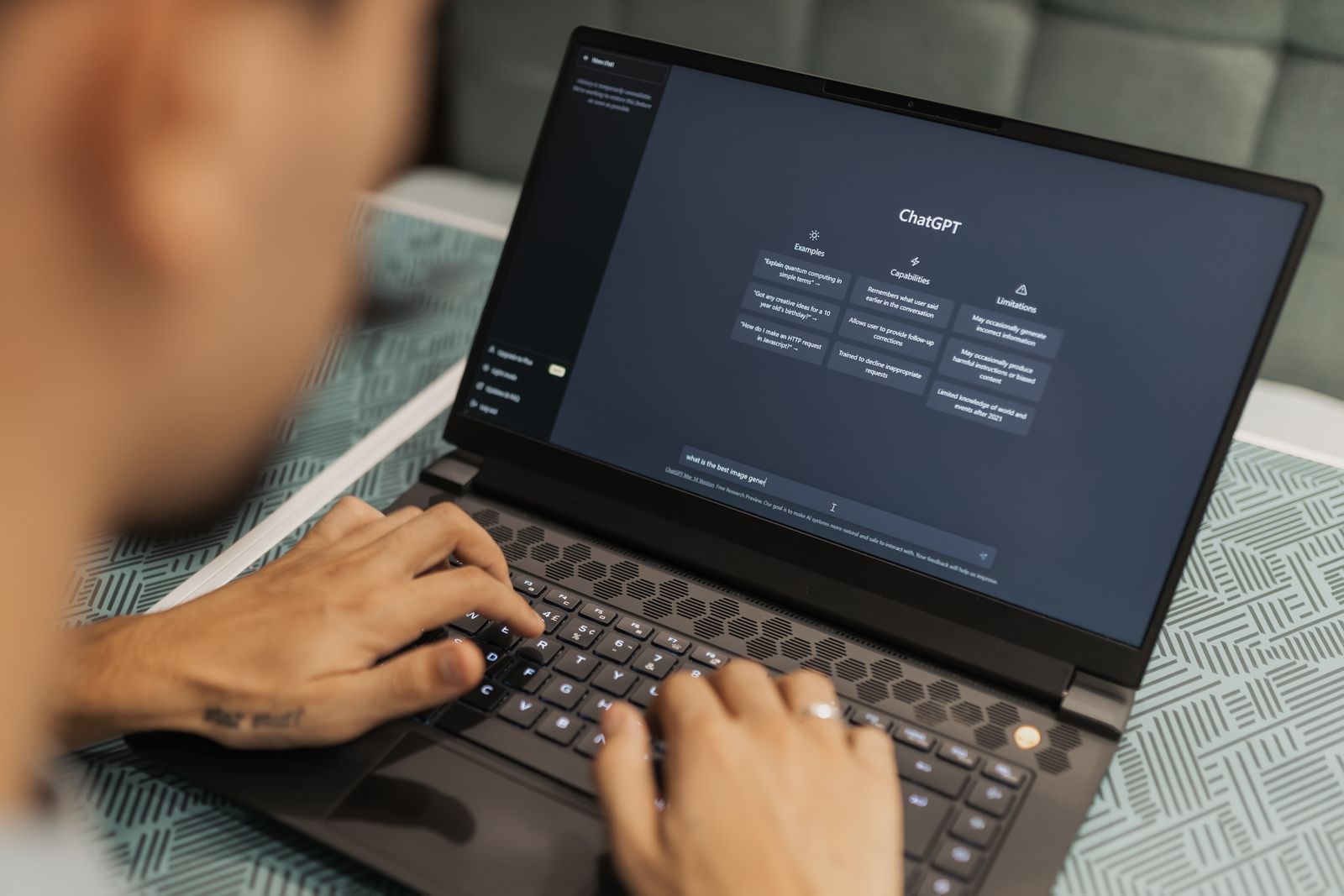
A plastic surgeon asked us a great question on a call last month. He had read that patients now type "best plastic surgeon near me" into ChatGPT instead of Google, and he wanted to know the price to advertise there. "Just tell me the ad budget," he said. "I will pay to be the one it recommends."
It is a fair question, and the answer surprised him. In 2026 you cannot simply buy your way onto that list, and for a clinical practice that is not a loophole, it is the actual rule. Understanding why changes how you should spend your marketing money for the next few years. Let me walk through what is really going on.
Yes, ChatGPT has ads now. No, you probably cannot use them.
OpenAI started rolling out advertising inside ChatGPT in 2026, so the surgeon was not imagining things. But the company's ad policies put healthcare in a tightly restricted bucket. Ads for clinical care providers, hospitals, prescription drugs, and anything that makes a claim about preventing, diagnosing, or treating a health condition are prohibited by default.
In April 2026 OpenAI softened the language a little. It said medical, legal, and financial contexts are no longer categorically off limits, and that it may approve some healthcare and medicine advertisers case by case, with licensing checks and extra safeguards, as reported by Search Engine Journal. That sounds like an opening, but read it closely. Case by case, with licensing and safeguards, gradually introduced. That is built for large national brands with compliance teams, not for a three provider dermatology group trying to fill Tuesday afternoons.
So for the vast majority of local practices, the practical answer today is simple: there is no ad slot to buy. You do not get to skip the line.
Why that is actually good news for you
Owners hear "you cannot advertise there" and feel shut out. Flip it around. If nobody can buy the top spot, then the biggest hospital system in your city cannot outspend you to own it either. The AI is not selling the recommendation. It is trying to give the person a genuinely good answer.
That means the playing field in AI search looks a lot more like organic Google and a lot less like an auction. On Google Ads, the practice with the deepest pockets can sit above you all day. Inside a ChatGPT answer, budget is not the lever. What the model can read and trust about you is the lever. For a small, well run practice, that is the fairest fight you are going to get.
So how does ChatGPT decide which practice to name?
When a patient asks an AI assistant for a good doctor in your town, the model is not pulling from a secret directory. It assembles an answer from what it can read on the open web and from the sources it is connected to. In plain terms, it is reading the same signals that shape your Google presence:
- Your website. Clear pages that say who you help, what you treat, and where you are. If your site is thin, slow, or vague, the model has little to work with and tends to fall back on bigger, clearer competitors.
- Your Google Business Profile. Your category, hours, address, and services. This is one of the most reliable places a model confirms that you exist and what you do.
- Your reviews. Not just the star average, but what patients actually write, across Google and other sites. Reviews are how a model gauges whether real people trust you.
- Mentions on pages it trusts. A local news feature, a legitimate directory, a partner site. Every accurate mention is another vote that you are a real, credible option.
Notice what is missing from that list: money. There is no line item you can pay to jump the answer. We went deeper on the mechanics in how to get your practice recommended by ChatGPT, and on the frustrating flip side in why ChatGPT keeps recommending hospitals and not your practice. The short version is that the model names whoever it can describe with confidence.
The short version
OpenAI put ads in ChatGPT, but clinical care providers are blocked by default in 2026, with only narrow case by case exceptions aimed at big regulated brands. A local practice cannot buy the recommendation. The way to show up when a patient asks AI for a doctor is to be the practice the model can read clearly and trust: strong website, complete Google Business Profile, steady reviews, and accurate mentions across the web.
What to do instead of hunting for an ad slot
The good news is that none of this is exotic. The work that earns an AI mention is the same work that earns local search rankings and, honestly, that earns human trust. It just has a new payoff now. Here is where a practice should actually put its energy.
Make your website legible to a machine and a human. Every service and location should have its own clear page, written in plain language that answers the questions patients really ask. Speed and structure matter, because a model that cannot parse your site will skip it. This is the foundation of what we build when we design a practice website that converts and ranks, and it is also step one for showing up in AI answers. If you want the technical layer, see whether your practice needs an llms.txt file.
Treat AI visibility as part of SEO, not a separate project. The signals overlap almost completely. A complete Google Business Profile, consistent name, address, and phone across the web, real reviews, and content that earns citations all feed both your Google rankings and the way models describe you. That is exactly the ground our healthcare SEO work covers, and it is why we tell owners to stop thinking of AI search as something new to bolt on. Patients increasingly trust these answers, as we covered in do patients trust Google's AI Overviews, so the stakes are real.
Be ready for the patient the AI sends you. Getting named is only half of it. When a patient reads that you are the right practice and clicks through or calls, the moment has to hold up. A slow page, a form nobody answers, or a phone that rings out will undo the whole thing. That last mile is why we pair visibility with a full patient acquisition system and back it with our AI receptionist, so the interest a machine created gets answered by another one that can actually book the visit.
Our take
We get why owners want a ChatGPT ad button. It feels clean and fast, and paying for placement is a habit built over years of Google and Meta. But we think the fact that you cannot buy your way into these answers is one of the better things to happen to independent practices in a while. It means the local dermatologist who does great work and takes care of her online presence can be recommended right next to a hospital chain, without a media budget to match.
Our honest advice to that plastic surgeon was the same we would give you. Stop looking for the ad slot. Put that budget into the things the model reads and the patient feels: a sharp website, a complete profile, a steady stream of real reviews, and content that answers real questions. Close to half of patients are already asking AI who to see. The practices that win the next few years are not the ones who found a way to pay the machine. They are the ones the machine can honestly recommend.
Want to know if AI would recommend your practice?
Book a free strategy call. We will check how ChatGPT and Google's AI currently describe your practice, spot the gaps in your website, profile, and reviews that keep you out of the answer, and give you a clear plan to become the practice the AI names. No jargon, no pressure, just an honest look.
Book a free strategy call →