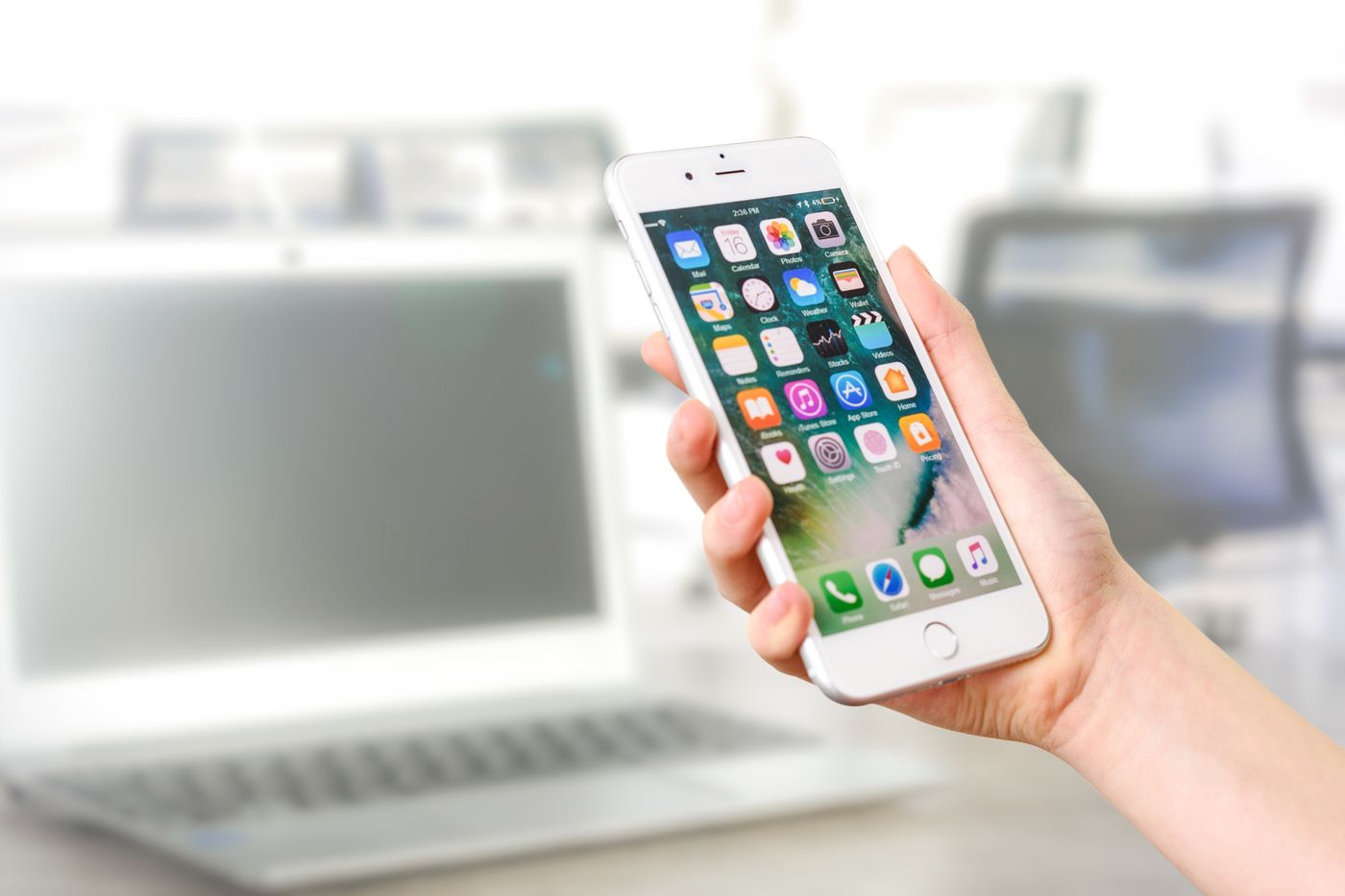
A dermatology office we started working with was convinced their front desk was slammed. Phones ringing all day, voicemail full, the whole thing. So we did a simple test. We texted their main office number, the one printed on the website and the door. Nothing came back. Not an error, not a bounce, just silence. That message, and every message like it, had been falling into a black hole for years. The staff never knew. The patients just figured the practice did not care.
This is one of the most common and most fixable problems in a medical office. Patients want to text you. They are trying to text you right now. And your landline, the number they already have saved, is eating every one of those messages without a trace. Let us clear up whether you can text patients from that number (you can), why it matters more every year, and how to turn it on without creating a compliance mess.
Yes, your landline can text. It just is not turned on
Here is the part most owners do not realize: a landline or a VoIP office number can be text enabled. That means the same number keeps working as a phone for calls, but it also gains the ability to send and receive text messages. Patients text the number they already know. On your end, those texts do not ring a desk phone. They land in a simple web inbox or app that your front desk checks like email, so any staff member can reply from a computer.
You do not change your number. You do not rip out your phone system. You do not hand out anyone's personal cell. You are adding a texting layer on top of the number you have had for years. Most practices can get it running in a day or two through a business texting platform or their patient communication software.
And this is not a rounding error you can ignore. Industry estimates put it at more than 150 million text messages sent to landline numbers every single day in the United States, all of them going nowhere. Some slice of those are your patients, trying to confirm an appointment or ask a quick question, hearing nothing, and moving on.
Why texting beats calling for almost everything now
It is easy to assume a phone call is more personal, so it must work better. The behavior says otherwise. People stopped answering their phones. Roughly 80% of people will not pick up a call from a number they do not recognize, which is a problem when your office calls to confirm a visit and shows up as an unknown number. Meanwhile, texts get read. Text messages see about a 98% open rate, with most opened within minutes, compared to email that hovers around 20% and lands in spam constantly. You can read the underlying numbers in this 2026 SMS open rate roundup.
Preference has flipped too. In EZ Texting's 2026 consumer report, texting edged out calls as the way people most want to reach a business, at 46% versus 43%. And it is not a one way street: about 71% of consumers want the ability to text a business back, and 60% want real two way texting to get their questions answered, according to SimpleTexting's texting statistics. A patient who can fire off "can I move my Thursday appointment to next week" and get a quick yes is a patient who stays booked instead of canceling on you.
Put those two facts together and the picture is clear. Your reminders reach more people by text. Your replies happen faster. Your patients feel less friction. The office still down at "please leave a message after the tone" is losing to the office that just texts back.
What text enabling your number actually opens up
This is not about blasting promotions. For a medical practice, the wins are practical and they map directly to money you are already leaving on the table.
- Appointment reminders and confirmations. A text reminder that a patient can reply to, "reply C to confirm," gets seen and acted on far more than a voicemail. That is the single biggest lever on reducing patient no shows, and every filled slot is real revenue recovered.
- Two way conversations instead of phone tag. New patients ask about insurance, hours, or a service, and your team answers in a thread, on their schedule and the patient's. No hold music, no callback that goes to voicemail. This is the core of two way texting for a practice.
- Missed call text back. When you cannot pick up, an automatic text goes out: "Sorry we missed you, how can we help?" A missed call turns into a booked visit instead of a lost one. We dug into this in texting back missed calls.
- Review requests and intake links. Send the intake form, directions, or a review link by text and watch completion rates jump, because the message actually gets opened.
- Reactivating past patients. A short, friendly text to people who have not been in for a year books more visits than any postcard. Here is how to reactivate past patients and leads without being pushy.
Doing it right: HIPAA, consent, and common sense
Texting patients is allowed, but you have to do it with care. A few ground rules keep you safe:
- Get consent. Ask patients to opt in to text messages, note it in your records, and give them a clear way to opt out. This keeps you inside both HIPAA and the TCPA rules on messaging. We covered the details in whether you need consent to text patients.
- Keep messages logistical. Reminders, scheduling, general questions, and links are fine. Do not put detailed clinical information or test results in a plain text. Keep it to the kind of thing you would say at the front desk.
- Use a platform that will sign a BAA. A real business texting or patient communication tool will sign a Business Associate Agreement and secure the data. That is what makes it compliant. A staff member texting from a personal phone or a random app is where practices get burned.
Handle it this way and texting is not a legal risk, it is a safer channel than the sticky note on the front desk that half the office can read.
Where EtherealMinds fits in
We are a healthcare only growth agency across the United States, and text enabling the office number is usually one of the first things we fix, because it is fast and it pays for itself almost immediately. We set up the texting on your existing number, wire in the reminders and the missed call text back, and make sure the whole thing is compliant and running through one clean inbox instead of someone's personal phone. It plugs straight into the rest of your patient acquisition system, so a new lead from your website or an ad gets a text, a reply, and a booked appointment instead of a game of voicemail.
For the after hours and overflow gap, our AI receptionist can answer and text patients back the second they reach out, at 9pm or 6am, so a question never sits unanswered long enough for someone to book with the practice across town. The goal is simple. When a patient reaches for their phone to contact you, and they will reach for their phone, something helpful happens on the other end.
Your office number can text. Your patients wish it did. Turning it on is one of the cheapest ways to book more of the people who are already trying to reach you.
Let patients text the number they already have
Book a free strategy call. We will text enable your office line, set up reminders and missed call text back the compliant way, and connect it to a patient acquisition system that turns every message into a booked visit.
Book a free strategy call →