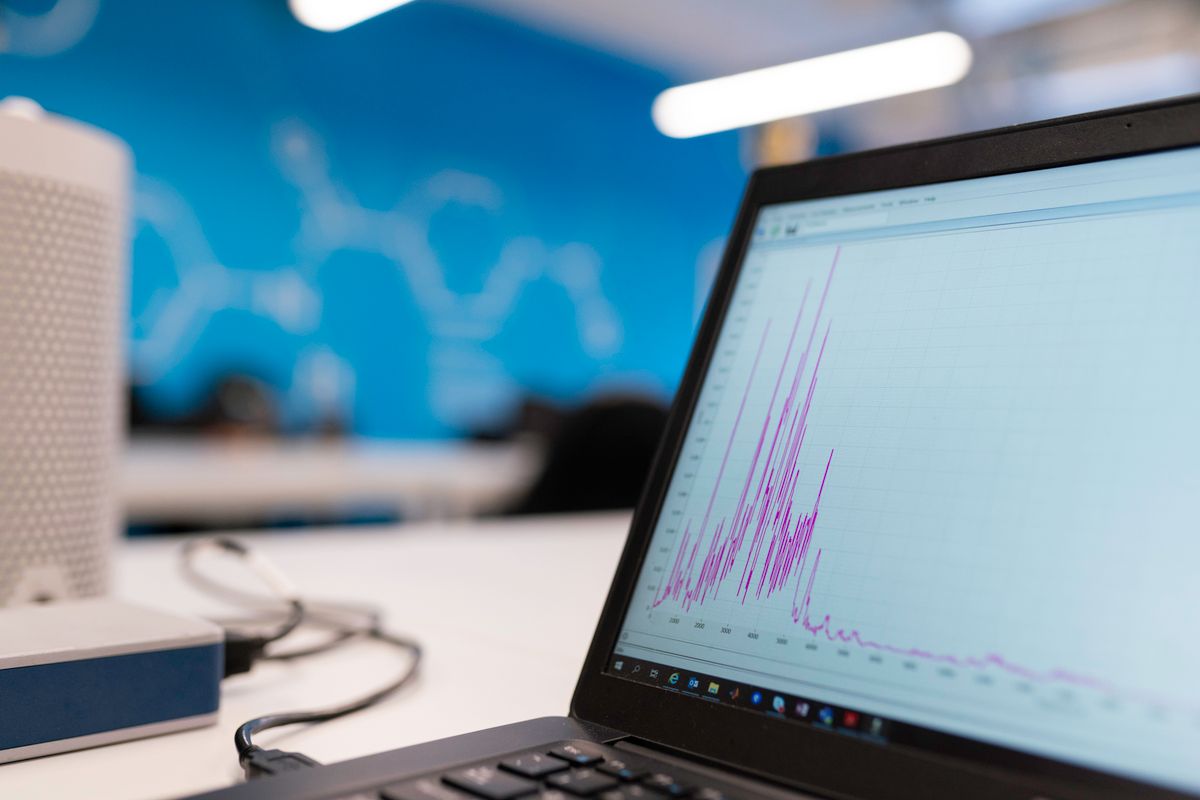
When the med spa owner pulled up her account with us, the pattern jumped off the screen. Every morning, within an hour of her ads turning on, a burst of clicks hit the same few keywords from the same handful of IP addresses. No calls. No form fills. Nobody spent more than a second or two on the page. By late morning her daily budget was spent, her ads stopped showing, and any real patient searching that afternoon never saw her at all. She was paying seven dollars a click for visitors who were never human.
This is click fraud, and if you run paid ads for a practice, you are almost certainly paying for some of it right now. The good news is that it is rarely as catastrophic as it felt to her, and there is a clear set of moves that shrinks it. The bad news is that healthcare is one of the juiciest targets on the internet for it, so ignoring it costs you more than it costs a plumber or a florist.
What click fraud actually is
Click fraud is any click on your paid ad that comes from something other than a real person looking for care. It falls into a few buckets, and it helps to know which one you are dealing with.
Bots and automated traffic. Most invalid clicks are not a person at all. They are automated scripts crawling the web, and some are built specifically to click ads. They cost you money and leave without a trace, because there was never a human to book.
Click farms. These are real people, often paid pennies, clicking ads all day from banks of phones. Harder to detect than a crude bot, because the click looks human, but the intent is the same: none.
Competitor clicks. The one owners fear most, and the rarest. A competitor or a disgruntled someone clicks your ad over and over to drain your daily budget so your ads disappear for the rest of the day. It happens, especially in cutthroat local markets like cosmetic and dental, but it is usually a smaller slice than people assume.
Accidental and low quality clicks. Not fraud exactly, but still waste. A fat thumb on a mobile ad, or a click from someone in a city you do not serve who leaves the second they realize it. Google calls this whole family of non genuine clicks invalid clicks, and it is the term you will see inside your account.
Why healthcare gets hit harder
Every advertiser deals with invalid clicks. Practices feel it more for one simple reason: your clicks are expensive. Healthcare sits near the very top of every cost per click benchmark. In LocaliQ's 2025 healthcare search advertising data, physicians and surgeons averaged around five dollars a click, orthodontics ran close to nine, and hearing care hovered around eight, with specialties like dermatology and plastic surgery climbing much higher. LocaliQ also found that cost per click rose for the majority of healthcare businesses year over year.
Now do the math. A fake click on a five cent display ad is a rounding error. A fake click on a seven dollar cosmetic keyword is real money, and a hundred of them a month is a car payment. The same invalid rate that a low stakes industry shrugs off lands on your account as a genuine leak, precisely because we already covered why healthcare clicks cost so much in the first place.
What the waste looks like in dollars
Say you spend 3,000 dollars a month on Google Ads, which is modest for a growing practice. If even 14 percent of your clicks are invalid, a middle of the road estimate, that is over 400 dollars a month going to bots and bad clicks. More than 5,000 dollars a year. That is not the cost of a bad campaign. That is the cost of a decent one that nobody is watching for leaks. And it sits on top of every other way a paid click can be wasted before it ever becomes a patient.
Signs bots are eating your budget
You do not need special software to get suspicious. These patterns show up right inside Google Ads and your website analytics.
- Clicks with no time on site. A wave of visitors who land and vanish in a second or two never intended to read anything.
- Great click through rate, flat bookings. If your ads get clicked constantly but the phone and the booking form stay quiet, the clicks are not coming from patients.
- Repeat clicks from the same IP address. One address hitting your ad again and again, especially with no conversions, is the classic footprint of a bot or a competitor.
- Traffic from places you do not serve. A local practice getting clicks from other states or countries is paying for people who could never walk in the door.
- Budget spent unusually fast, early in the day. The med spa tell. If your budget evaporates before real patients are even awake and searching, something automated is front running them.
Any one of these can be innocent. Together, they are a signal worth chasing. The cleanest single warning sign is a cost per click that keeps climbing while your cost per booked patient does too, because that combination means you are buying more clicks that turn into nothing. If your clicks are strong but appointments are not, it is worth reading why ad clicks are not booking patients, since fraud is only one of several possible leaks.
What Google already does, and what it misses
Here is the honest part, because a lot of click fraud tools would rather you did not hear it. Google is not asleep. Its systems filter a large volume of obviously invalid clicks automatically and never charge you for them, and it credits back more after the fact when it detects them later. For a lot of practices, that automatic protection handles the crudest bots without you lifting a finger.
What it misses is the clever stuff. Sophisticated bots that mimic human behavior, click farms staffed by real people, and a determined competitor spacing out their clicks can all slip past the automatic filter. Google also does not hand you a full, transparent breakdown of what it caught and what it let through, so you are working with partial information. The right mindset is simple: assume Google catches the easy fraud, and treat the rest as your job to watch for. Trusting the platform to do all of it is how the med spa lost three mornings in a row before she called.
How to actually fight back
You will never drive invalid clicks to zero, and chasing that is a waste of your energy. The goal is to starve the obvious waste and make every real click count. These are the levers that move the number.
1. Tighten your geography
Set your targeting to the actual radius you serve, not a whole state, and exclude the rest. A practice in one suburb has no business paying for clicks three hundred miles away. This one setting quietly kills a surprising amount of junk traffic.
2. Exclude the IP addresses that abuse you
When you spot an address clicking repeatedly without ever booking, Google lets you exclude it so your ads stop showing to it. It is a manual game of whack a mole for a small account, but for a persistent competitor or bot it works, and it is free.
3. Schedule ads for hours you can respond
Running ads at three in the morning, when no real patient is booking and no one is answering the phone, mostly just feeds bots and burns budget before your best hours arrive. Concentrate spend on the times your practice can actually pick up. It reduces exposure to overnight automated clicks and it protects the money for when humans are searching.
4. Build a real negative keyword list
Not strictly fraud, but the same effect on your wallet. Blocking searches like jobs, free, cheap, school, and procedures you do not offer stops you from paying for clicks that were never going to convert. A tight account bleeds far less than a loose one.
5. Track conversions, not just clicks
This is the one that changes everything. If all you watch is clicks, fraud hides easily. When you track real outcomes, booked calls, form fills, and appointments, the fake clicks reveal themselves, because they never convert. Conversion tracking turns a fog of clicks into a clear picture of which sources bring patients and which bring ghosts. We lean on this constantly to protect a healthy return on ad spend.
6. For bigger budgets, add a fraud blocker
If you are spending several thousand dollars a month or more, a dedicated click fraud protection tool that detects and blocks suspicious IPs in real time can easily pay for itself. It is not necessary for every small account, but past a certain spend the automation is worth it.
Our honest opinion
Here is where we plant a flag, because the click fraud industry loves to make owners paranoid so they buy the software. Click fraud is real, it is worth watching, and in high priced healthcare keywords it deserves your attention. But for most practices it is not the biggest leak in the bucket. We have audited plenty of accounts where the owner was convinced bots were the enemy, and the truth was a homepage that did not convert, no conversion tracking at all, and a front desk sending half the real callers to voicemail.
Think about it this way. A bot click and a missed call cost you exactly the same thing: money spent to reach a patient who never books. One comes from a machine you cannot control. The other comes from a phone in your own office. Studies of medical practices consistently find a meaningful share of calls go unanswered during business hours, and speed matters too, since reaching a new lead within five minutes makes you far likelier to actually connect than waiting even half an hour. We wrote about that in how fast you should respond to a new patient inquiry. So by all means, fight the bots. Just do not fight them while the bigger leak is a click that rang out at your own front desk, a problem we cover in losing patients after hours.
Get instrumented, not paranoid. Watch the patterns, cut the obvious waste, and then obsess over what happens to the real clicks that get through. That is where the money actually is.
How EtherealMinds protects your spend
When we run ads inside a full patient acquisition system, we treat every dollar like it is ours. We lock targeting to the exact area you serve, exclude the IP addresses that click without ever booking, schedule spend for the hours you can actually respond, and build out the negative keyword list so you stop paying for the wrong searches. On larger accounts we layer in real time fraud detection that blocks suspicious traffic before it drains the daily budget. And we track real conversions, booked calls and appointments, not vanity clicks, so invalid traffic has nowhere to hide.
Then we close the door the bots and the busy front desks both leave open. Every real click lands on a fast, focused landing page built to book, and every call those ads create gets answered, by your team or by our AI receptionist, day or night. Because the cheapest way to beat wasted ad spend is to make sure the clicks you actually paid a human to make turn into patients. Paired with strong healthcare SEO that brings in free clicks no bot can charge you for, your paid budget stops being a leaky bucket and starts being a schedule filler.
The med spa owner who called us in a panic is still running the same budget. We cut her geography down to the towns she serves, blocked the addresses that were front running her mornings, and pointed every real click at a page built to book. Her budget now lasts all day, and her afternoons, when actual patients search, are finally covered. The bots did not disappear. They just stopped being the ones spending her money.
Stop paying for clicks that never book
Book a free strategy call. We will audit your Google Ads for invalid traffic, show you exactly where the budget is leaking, and rebuild the account so every dollar chases a real patient instead of a bot. No jargon, no fear selling, no pressure.
Book a free strategy call →