A dermatology practice called us last spring, frustrated. They had been running Google Ads for three months, getting hundreds of clicks, and had almost nothing to show for it. Their first instinct was the same as everyone's: the ads must be bad, or the keywords wrong, or Google was just taking their money. So they kept tweaking the ads.
We asked them to do one thing first. Click their own ad on a phone, like a patient would, and try to book an appointment. It took 40 seconds for the page to load. When it finally did, it dropped them on the homepage, where they had to find the menu, tap into services, scroll past five paragraphs, and then call a number that, on a Tuesday afternoon, went straight to voicemail. The ads were fine. Everything after the click was steadily bleeding patients.
If your ads get clicks but your calendar does not fill, this article is the diagnostic. A click means someone saw your message and wanted more. That is the hard part, and you already won it. The patients are leaking out somewhere between the click and the booked appointment, and there are only a handful of places that happens.
First, reframe what a click actually is
A click is not a patient. A click is a hand raised in a crowded room. Someone typed a worried search, saw your ad among several, and chose yours to learn more. That interest is real, but it is fragile. They have four other tabs open with your competitors. They are on their phone in a waiting room or on the couch. They will give your page a few seconds and one easy path, and if they do not find it, they bounce back to the search results and click the next practice.
So when clicks do not convert, do not start by blaming the ad. Start by walking the exact path a patient walks after they click, on a phone, at a normal time of day. That walk almost always reveals the leak. Here are the five most common ones, in the order they cost practices the most money.
Leak 1: You send paid traffic to your homepage
This is the most common and most expensive mistake we see. Someone clicks an ad for "Invisalign near me" and lands on a homepage that greets them with a logo, a slider, and links to every service you offer. They came for one thing. Now they have to hunt for it.
A homepage is built to do everything, which means it does nothing quickly. The fix is a dedicated landing page that matches the ad word for word: the patient searched for knee pain, they land on a page about knee pain, with the offer, a few proof points, and a booking button above the fold. No hunting. Across industries the median landing page converts only a few percent of visitors, per WordStream benchmark data, and matching the page to the ad is one of the biggest levers you have to beat that median. We dig into the target you should aim for in our piece on a good website conversion rate for a medical practice.
Leak 2: Your page is too slow
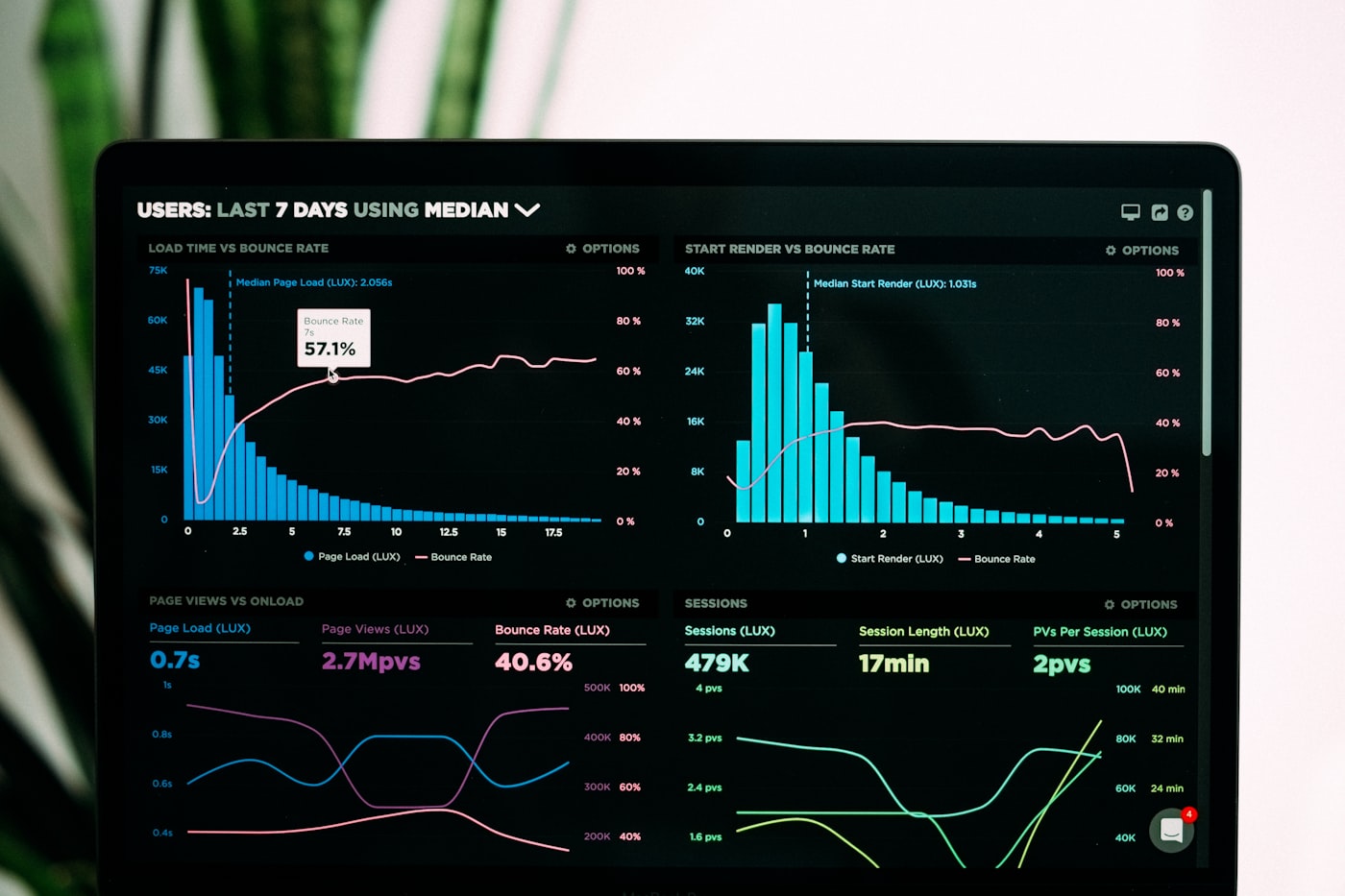
Speed is invisible until you measure it, and then it is brutal. Google's own research found that as a mobile page's load time goes from one second to three, the chance a visitor bounces jumps sharply, and most people will not wait much past that. You paid for that click. If the page makes them wait, you paid to watch them leave.
Most slow medical sites are slow for boring reasons: huge unoptimized images, a bloated template stuffed with plugins, a cheap host. None of it is visible to you because your browser cached the site days ago. It is very visible to the first time visitor on a phone with three bars. If your practice site drags, our breakdown of why a slow website costs you patients walks through what to fix.
Run the 40 second test
Open your phone, turn off wifi so you are on cellular, and click your own ad. Time how long the page takes to fully load. Then try to book an appointment as fast as you can, without using anything you know as the owner. If it takes more than a few taps, or you hit a dead end, a phone number, or a contact form that promises someone will "get back to you," you just found where your ad budget is going.
Leak 3: There is no easy way to book
Here is a pattern we see constantly. The page looks fine, loads fine, and at the bottom says "Call us to schedule" or shows a contact form. To the owner that feels like a clear call to action. To a patient at 9pm, it is a wall. They cannot call now. They do not want to fill out a form and wait. So they go book with the practice down the street that lets them grab a Thursday slot right there on the screen.
Real time online booking changes the math. The patient who is motivated right now can lock in an appointment in under a minute, while the intent is hot, without talking to anyone. Practices without it lose every after hours and lunch break booker, which is a huge share of clicks. We make the full case in why every medical practice needs real online booking, and it is the single fix that most often turns dead ad spend into appointments.
Leak 4: The phone goes to voicemail
Some patients will always call instead of booking online, especially for anything complex or urgent. And a frightening number of those calls never get answered. Front desks are busy, lunch happens, evenings and weekends exist. Every call that rolls to voicemail is a patient you already paid for, walking out the door.
And they rarely leave a message. They hang up and call the next practice on the list. So you can run a flawless ad, a fast page, a great offer, and still lose the patient at the very last step because the phone rang out. We pulled the numbers on this in how your front desk loses patients on the phone, and it is the leak owners are most blind to, because they never see the calls they missed.
Leak 5: You follow up too slowly
Say everything works and a patient does fill out a form or leave a voicemail. The clock is now running, and it is running fast. Classic research summarized by the Harvard Business Review and the Lead Response Management study found that reaching a new web lead within five minutes makes you dramatically more likely to actually connect and qualify them than waiting even half an hour, and the odds collapse from there.
A patient who reaches out is not loyal to you. They messaged three places. The first to call back, warm and ready to book, usually wins the appointment. The form that sits in an inbox until tomorrow morning loses to the practice that texted back in two minutes. Speed to lead is not a nice to have, it is the whole game, and we break it down in how fast you should respond to a new patient inquiry.
So is it ever the ad?
Sometimes, yes. If your ad targets the wrong keywords, or promises something the page does not deliver, or pulls in tire kickers searching for free care, you will get junk clicks. But here is the tell: bad ads usually show up as a bad click through rate or a sky high cost per click, not as clicks that fail to convert. When the clicks are flowing but bookings are not, the math points after the click almost every time.
This is why pouring more money into ads on a broken path is the worst move, and the most common one. You are not buying more patients. You are buying the privilege of losing them faster. The order matters: fix the path first, then scale the spend. A practice that converts even one extra percent of its clicks can often cut its real cost per patient in half without touching the ad budget. For the wider context, see what actually drives a good cost per lead.
Our honest take
The ads industry loves to sell you new campaigns, new audiences, new creative. Most practices we meet do not need any of that. They need the thirty feet of road between the click and the booked appointment to be smooth, fast, and impossible to mess up. That is unglamorous work. It does not feel like marketing. But it is where the money actually leaks, and fixing it is the highest return thing most clinics can do.
If you only do one thing after reading this, run the 40 second test on your own phone today. Click your ad like a stranger and try to book. You will feel every leak the moment you hit it, and you will probably be a little annoyed, which is exactly how your patients feel right before they click away to a competitor.
How EtherealMinds fixes the path, not just the ad
We do run ads, but the part that makes them pay off is everything after the click, and that is what our patient acquisition system is built around. Each campaign points to a fast, focused landing page that matches the ad and is built to convert, not just look nice, with real online booking so a motivated patient can lock in a slot in under a minute, day or night.
Then we close the last two leaks, the ones that kill the most patients. Our AI receptionist answers every call and message instantly, books the appointment, and follows up in seconds, so a missed call at lunch or a form at 9pm does not turn into a patient lost to the practice down the street. The result is simple: the same clicks you are already paying for start turning into people on your schedule.
So why are people clicking your ads but not booking? Because the click was never the hard part. Walk the path your patients walk, find the leak, and fix the page, the speed, the booking, and the follow up. Do that, and the ad budget you have right now will start working a lot harder.
Stop paying for clicks that never book
Book a free strategy call. We will click through your ads the way a patient does, show you exactly where the leaks are, and build the fast page, online booking, and instant follow up that turn your existing ad spend into booked appointments.
Book a free strategy call →