Last year a pediatric rehabilitation specialist in New Orleans got a strange message. A patient had seen him in an online ad, enthusiastically recommending a vitamin supplement. Except he had never made that ad. He had never touched that product. An AI had lifted his face and voice from public clips and made a convincing video of him selling something he would never sell. He found out because someone almost bought it on his word.
That is not a one off. It is a fast growing category of fraud, and it has a name that sounds like science fiction but is now very ordinary: the deepfake doctor. If you own or run a medical practice in the United States, this matters to you even if your own face never gets cloned. Because the real damage is not just to the doctors being faked. It is to the trust every honest practice depends on to get a patient to click, call, and book.
What a deepfake doctor scam actually looks like
The recipe is simple and cheap now. Scammers scrape a doctor's public content, a news interview, a YouTube explainer, a clinic reel, then use AI to map that face and clone that voice onto a script they wrote. The result is a video of a trusted looking physician promising to fix diabetes, melt fat, lower blood pressure, or cure pain with a product that does nothing. They slap on a fake FDA seal, boost it on social media, and let it run.
In July 2024, an investigation published by The BMJ found that some of the most trusted television doctors in the UK, including Hilary Jones, the late Michael Mosley, and Rangan Chatterjee, were being deepfaked to push cures for high blood pressure and diabetes and to sell gummies. Dr Jones was so alarmed he hired an investigator to hunt down the fakes. In April 2024, scammers used a deepfake of the well known Australian science presenter Karl Kruszelnicki to sell pills on Facebook. These are not fringe cases. They pull millions of views.
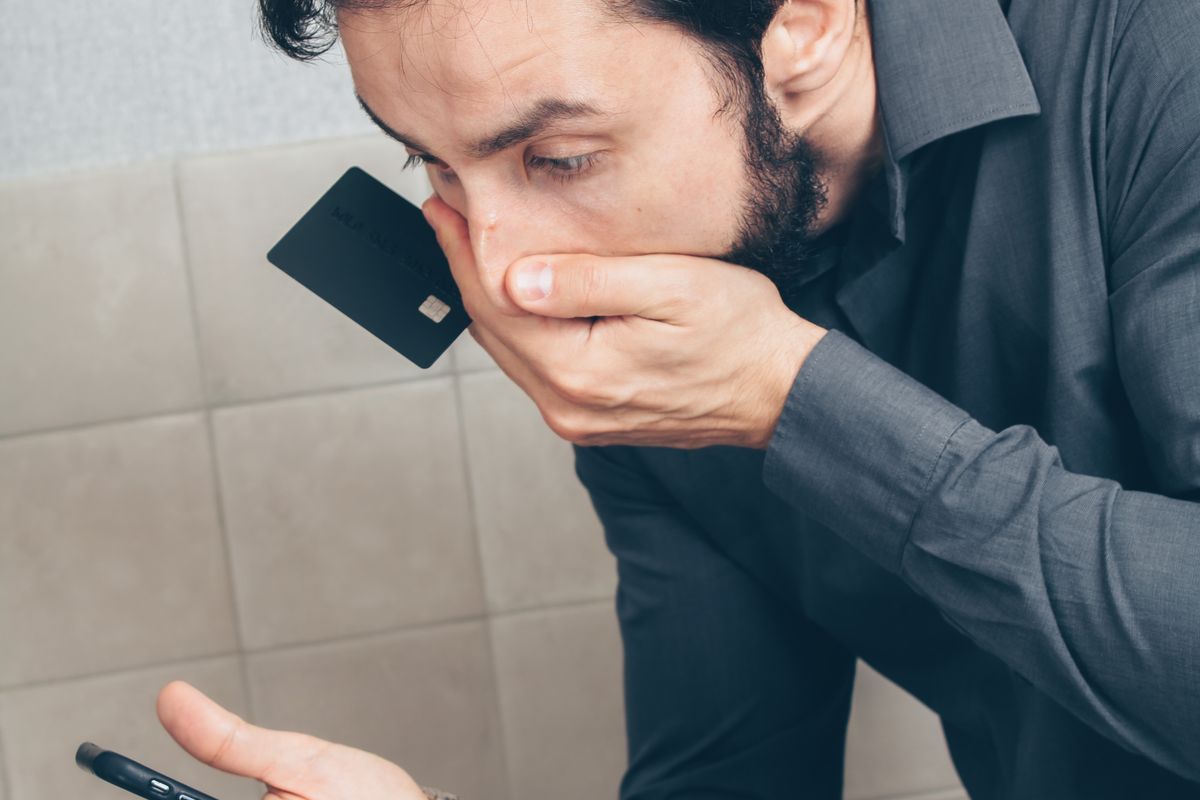
And it lands on real patients. NBC's TODAY reported on a woman, in her words desperate and in pain, who was scammed after seeing an ad featuring a deepfake of a doctor she recognized and trusted. That is the part that should stop every practice owner cold. The scam works precisely because it borrows a real doctor's credibility. When it collapses, that credibility gets dragged down with it.
Why this is a problem even if your face is never stolen
Here is the uncomfortable ripple effect. Every time a patient gets fooled by a fake doctor selling snake oil, they get a little more suspicious of every doctor they see online. The polished video, the confident promise, the friendly face, all the things that used to signal trust now also signal risk. Patients start assuming that anything that looks too good, or too smooth, might be fake.
That doubt does not stay contained to the scams. It bleeds onto your honest Facebook ad, your real Instagram reel, your genuine testimonial video. The American Medical Association put it bluntly. In a 2026 policy framework, AMA leadership called AI deepfakes that impersonate physicians not just scams but a public health and safety crisis. The AMA also spent 2025 pressing the Federal Trade Commission to treat physician impersonation as the fraud it is. When the largest doctors' organization in the country sounds the alarm, the ground under patient trust is genuinely shifting.
We wrote recently about how patients now lean on AI to decide who to see, in why patients trust AI over referrals to choose a doctor. Put the two trends together and you get the real headline: patients are getting more of their health information from screens, and the screens are getting harder to trust. The practices that win the next few years are the ones patients can quickly verify are real.
What you can do if you get impersonated
If you or one of your providers turns up in an ad you never made, do not panic and do not ignore it. Move quickly and methodically.
- Document it first. Screenshot the ad, the page running it, and the URL, with the date. This is your evidence, and scam ads disappear and reappear constantly.
- Report it to the platform. Facebook, Instagram, TikTok, and YouTube all have impersonation and false advertising report tools. Use the one that names impersonation directly, not just a generic complaint. You can report brand and identity misuse through Meta's business help channels.
- File with the FTC. Report the fraud at reportfraud.ftc.gov. Volume is what pushes enforcement, and the agency is actively tracking impersonation scams.
- Tell your patients plainly. Post a short notice on your website and socials: we never sell products in online ads, if you see me endorsing a supplement, it is fake. That one sentence protects the people who trust you most.
- Call a healthcare attorney for repeat or damaging cases. A cease and desist has teeth, and misuse of your name and likeness may break several laws at once.
The real defense: be undeniably, verifiably you
You cannot stop bad actors from misusing AI. What you can do is make the real version of your practice so clear, so consistent, and so easy to find that patients can tell your genuine presence apart from a fake in seconds. In a world full of convincing counterfeits, authenticity that can be checked is a competitive advantage, not a nice to have.
That starts with the home base you actually own. A scammer can hijack a stray clip, but they cannot fake a real, fast, professional website at your real domain, with your real team, your real hours, and your real booking. It is the one place online that is unmistakably you, and it is where a suspicious patient goes to confirm what they saw. If a patient can google your name and land on a credible site that matches, the fake falls apart on its own. We dug into how search engines judge that credibility in does Google trust your medical website.
It continues with a presence that is consistent everywhere patients look. Verified social accounts under your real practice name, a claimed and accurate Google Business Profile, and a steady stream of real posts and real reviews all act like a signature that is hard to forge. A practice with an active, human social presence and a wall of genuine patient reviews is simply harder to impersonate convincingly, and easier for a nervous patient to trust. When you also show up cleanly in Google and in AI answers, the honest you crowds out the noise, which is the whole point of strong healthcare SEO in an AI search world.
A five minute habit that catches fakes early
Once a month, search your own practice name and each provider's name on Google and on Facebook, Instagram, TikTok, and YouTube. Set a free Google Alert for your doctors' names too. Most impersonations are caught by patients, weeks after the damage starts. If you catch it first, you report it, warn your patients, and shut it down before it costs anyone. It is the cheapest reputation insurance you will ever buy, and almost no practice does it.
Do not let a suspicious patient reach a dead end
Say a patient sees a questionable ad, gets uneasy, and decides to check you out for real. They find your site, they believe it, and they call to ask a question or book. If that call rings out to voicemail, you just lost the exact person who did the responsible thing. Worse, silence feels like one more reason to doubt. In a low trust moment, an unanswered phone is not neutral, it reads as a red flag.
This is where being reachable becomes part of being trustworthy. Every call and message needs to reach a real, accountable answer that can reassure the patient and book them on the spot, day or night. That is what our AI receptionist is built for. It answers every call in your practice's real voice, confirms you are exactly who the patient hoped you were, and turns a moment of doubt into a booked visit instead of a hang up. The technology that scammers abuse to erode trust can, used honestly and out in the open, help you rebuild it.
Our honest take
Deepfakes are not a passing gimmick, and pretending they are will not help your patients. The tools that let a scammer put words in a doctor's mouth are getting cheaper and better every month, and regulation is running behind. That is the bad news. The good news is that it hands a real advantage to practices that are genuinely, verifiably present online. When half the internet feels fake, being obviously real is a magnet.
So do the boring, powerful things. Own your website. Claim and polish your profiles. Post like a real human. Answer your phone. Search your own name now and then. None of it is flashy, and all of it adds up to a practice patients can trust at a glance, which is exactly what the fakes can never counterfeit. In the age of the deepfake doctor, the most valuable thing your practice can be is unmistakably, checkably you.
Want patients to instantly trust the real you online?
Book a free strategy call. We will audit how your practice shows up across Google, social, and AI search, flag the gaps a scammer or a skeptic could exploit, and build you a presence patients can verify and trust in seconds. No jargon, no pressure, just an honest look at your growth.
Book a free strategy call →