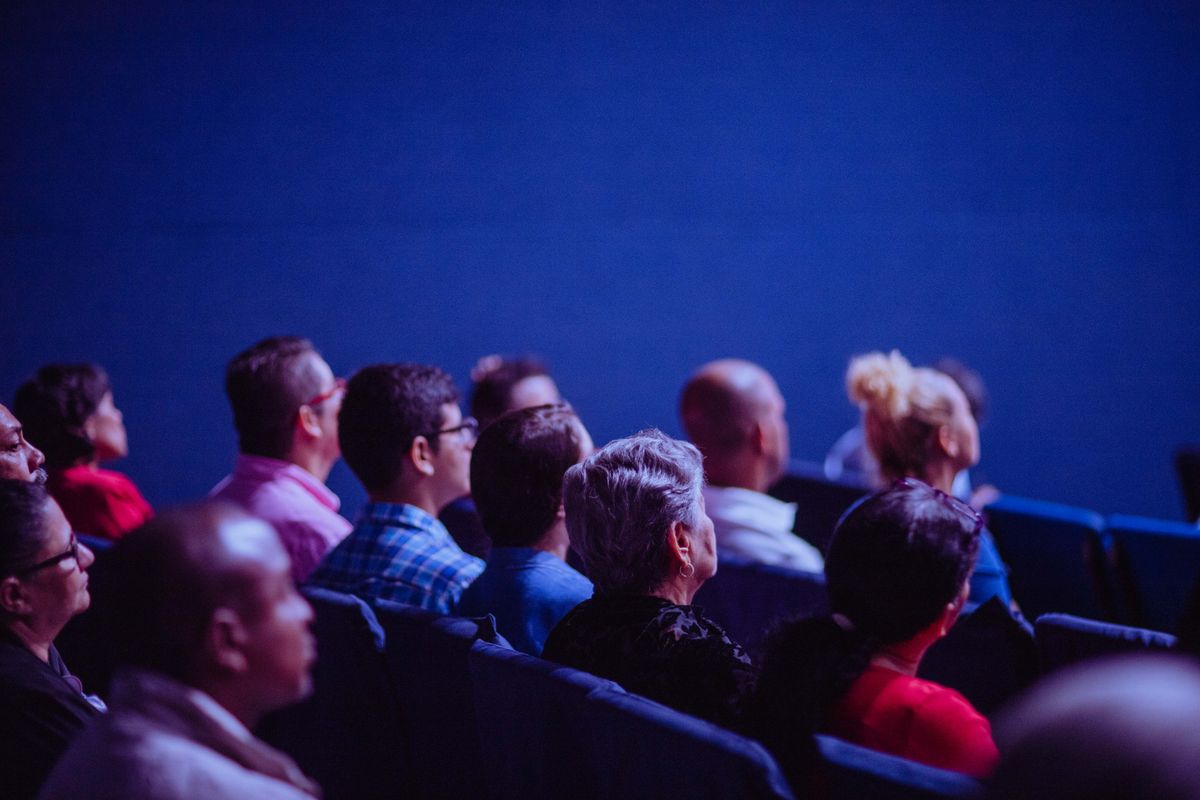
A hearing clinic owner told us he almost quit doing seminars for good. He booked a nice room at a local library, put out coffee and cookies, printed handouts, and 22 people showed up to hear him talk about hearing loss and memory. It went great. Warm questions, nodding heads, a couple of people who stayed late to chat. Then the night ended, everyone went home, and over the next two weeks exactly one person booked. He was ready to call the whole thing a bust.
We looked at what he did after the event. The answer was nothing. No reminder, no call, no offer to book a free hearing check, no way to raise a hand later. Twenty two warm people walked out the door and into silence. The seminar was not the failure. The follow up was, or rather the total lack of it. We will come back to what happened when he fixed that, because the ending is the good part.
Why a seminar is such a strong play in healthcare
Healthcare is a trust purchase. Nobody hands their knee, their face or their hearing to a stranger they saw in a Facebook ad without doing homework first. And they do a lot of homework: research shows around 77 percent of patients use a search engine before booking, and a 2025 rater8 report found the large majority read reviews before choosing a new provider. People want proof you know what you are doing before they commit.
A seminar collapses all of that into one evening. Instead of a patient piecing together your credibility from a website and a handful of reviews, they get to sit in a room, watch how you think, hear how you answer a tough question, and decide for themselves if they trust you. That is a level of proof no ad can buy. By the time a good seminar ends, the people in the room are not cold leads. They are most of the way to booked.
This is also why seminars have survived every marketing trend for decades. Weight loss clinics, hearing centers, orthopedic and joint replacement practices, dental implant offices, med spas, fertility clinics and cosmetic surgeons have all leaned on the live event for one reason: for high trust, high price care, sitting in a room with the doctor beats every other first touch.
The catch nobody warns you about
Here is the part that trips up almost every practice: seminars rarely convert in the room. A few eager people will book on the spot, and that is great, but most attendees are not ready to commit that night. They want to go home, talk to their spouse, check the calendar, sleep on it. That is normal, and it does not mean the event failed.
It means the money is in the follow up. Think about the webinar version of the same idea. Studies of webinars find that a large share of the value comes after the session, with roughly nine in ten attendees taking a next step like visiting the host's website afterward. The signal is clear across live and online formats alike: attention peaks during the event, but the decision happens in the days that follow. If you are not there in those days, someone else gets the patient, or nobody does.
This is the exact same trap practices fall into with online leads, where a slow reply kills the sale. We wrote a whole piece on how fast you should respond to a new patient inquiry, and the seminar version is just as unforgiving. A warm attendee cools off fast. Wait a week to reach out and you are reaching a different, colder person.
In person seminar or online webinar?
Both work. They just fit different treatments and different patients.
In person seminars build the deepest trust. There is something about coffee, a handshake and a real human at the front of the room that a screen cannot match. They shine for higher commitment care where people want to look you in the eye first: hearing aids, joint replacement, dental implants, weight loss programs, cosmetic surgery. The downside is cost and effort. You need a room, food, materials and a real push to fill seats.
Webinars trade some of that warmth for reach and price. They cost almost nothing, pull in people who would never drive to an evening event, and let someone learn anonymously, which matters a lot for sensitive topics like weight, fertility or men's health. The tradeoff is that it is easier to sign up and easier to skip, so no show rates run higher. Email tends to drive the most registrations, but a live turnout still depends on hard reminders.
Our honest take: if you sell high trust, high value care, do both. Run a low cost monthly webinar for reach and awareness, and a quarterly in person event for the people who are closest to booking. Feed the online audience into the live one. One tops the funnel, the other closes it.
Registration is not attendance
The number that fools people is the signup count. Forty people register, fifteen show up, and the owner feels cheated. That gap is normal for a free event, so plan for it. Overbook on purpose, and remind hard. Send a confirmation the moment someone signs up, a reminder the day before, and one the morning of. Because texts get read far more often than email, use text for the reminders that actually decide whether a seat is filled. Email fills the room on paper. Texts fill it in real life.
How to run one that actually books patients
A seminar is not hard. It is just a chain of small steps, and most practices drop the last few. Here is the whole chain.
- Pick a topic around their fear, not your service. "Knee pain and what actually helps before you consider surgery" pulls a crowd. "Meet our orthopedics team" does not. Lead with the problem the patient lies awake worrying about.
- Promote it everywhere you already own. Your website, a Google Business Profile post, your social pages, an email to past patients, and a small, tightly targeted local ad. You do not need a big budget. You need the right few hundred people in your town to see it.
- Make signup dead simple. One short form, name, email and phone. Grab the phone number, because that is your lifeline for reminders and follow up. A clunky registration page leaks half your interest before it starts.
- Remind, remind, remind. Confirmation, day before, morning of. This one habit can double who shows up.
- Teach first, sell last. Spend the session genuinely helping. Save the light pitch and the clear next step for the final few minutes. People can smell a 45 minute infomercial, and it kills the trust you came to build.
- Give one obvious next step. A free consult, a screening, a starter offer, booked right there or by a quick text after. Make the path from "that was helpful" to "let's book" as short as humanly possible.
- Then actually follow up. This is where the patients are. A same night thank you text, a call within a day or two to everyone who came, and a simple way to raise a hand later. Not pushy. Present. Most of your bookings live in this step.
Back to the hearing clinic
Remember the owner who almost quit? We did not change his seminar at all. It was already good. We built the part he was missing: a follow up system. Every attendee now gets a thank you text the same night, a friendly call within two days offering a free hearing check, and a place in a simple nurture flow so the people who were not ready in June get a gentle nudge in August. His AI receptionist answers the calls that come in after the event, day or night, so nobody who finally decides to book at 9pm ends up in voicemail.
Same room, same coffee, same talk. His next seminar turned into nine booked appointments instead of one. The event was never the problem. Nobody was catching the people it warmed up.
So, are seminars worth it?
If you sell care that people need to trust before they buy, yes, patient education seminars and webinars are one of the strongest, most human plays you have. They give a nervous patient the one thing an ad never can: a chance to size you up in person before they commit. That is priceless in healthcare.
But treat the event as the easy half. The room is not where you win. You win in the texts, the calls and the follow up over the two weeks after everyone goes home. Skip that, and even a packed, brilliant seminar books almost nobody. Build it, and every event becomes a small, steady wave of new patients who already like you.
How EtherealMinds makes seminars pay off
A great talk with no system behind it is a warm room and a cold calendar. When we build a practice's patient acquisition system, we handle the whole chain around your event: the promotion that fills seats, a clean signup page, the text and email reminders that get people through the door, and the follow up flow that turns attendees into booked patients. Your AI receptionist catches every call and question that comes in after, and it all feeds one calendar you can actually see. You show up and teach. We make sure the room turns into revenue.
So, do patient education seminars bring in new patients? They do, when someone is there to catch the warm hand the moment it goes up. Do the talk. Just do not walk away when it ends.
Turn a room full of interest into booked patients
Book a free strategy call. We will help you fill the seats, remind the right way, and build the follow up that turns every seminar and webinar into appointments on your calendar. No jargon, no pressure.
Book a free strategy call →