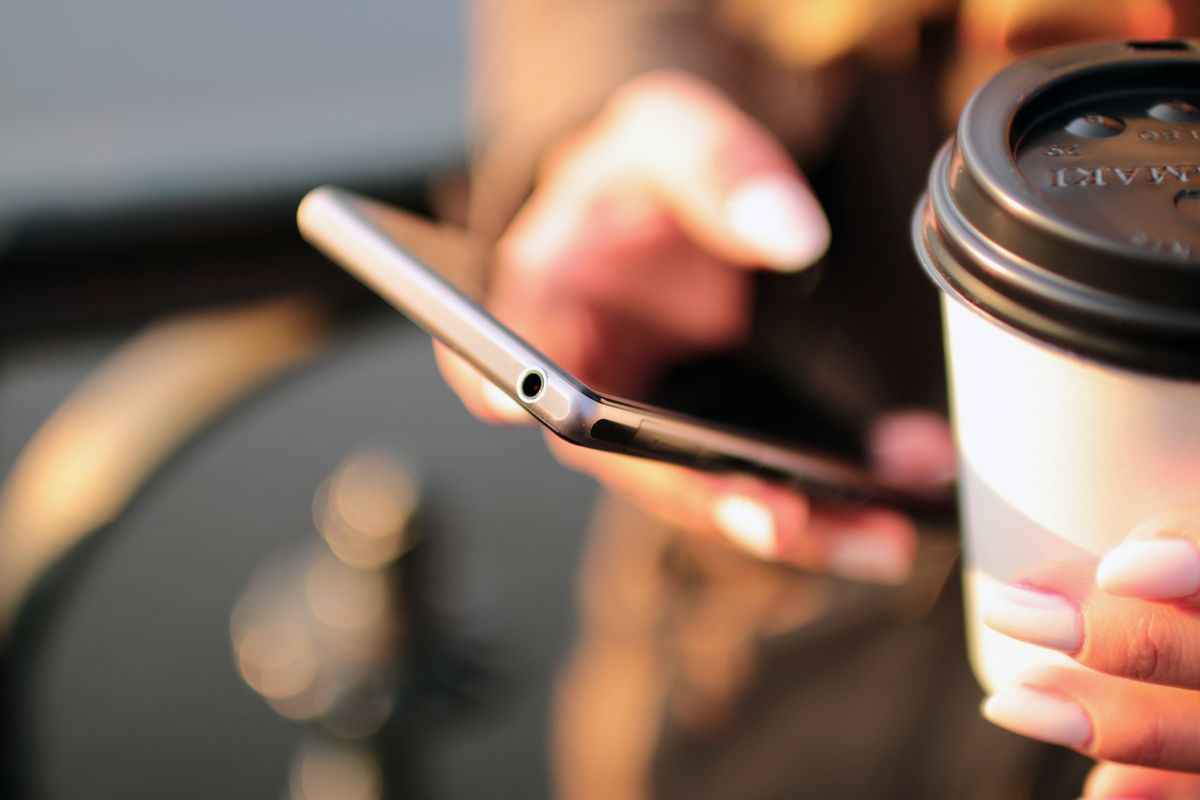
Think about how you handle almost everything in your own day. The dentist, the school, the car shop, the airline. You text. You tap a link. You fire off a quick question and get an answer while you are standing in line somewhere. Then you call your doctor's office, sit through a phone tree, land in voicemail, and wait for a callback that comes while you are in a meeting. The gap is jarring, and patients feel it every time.
A fresh survey just put hard numbers on that gap. Sinch Engage surveyed 1,000 U.S. patients between the ages of 18 and 78 in late 2025 and published the results for 2026. The headline is hard to ignore: texting is now the single most preferred way patients want to communicate with a healthcare provider. Not a rising option. The top one.
What the 2026 data actually says
Here is the part that should make every practice owner sit up. When patients were asked how they want their provider to reach them, the ranking was not close:
- 90 percent prefer text messaging.
- 59 percent are fine with email.
- 55 percent will use the patient portal.
- 34 percent prefer a phone call.
Read that last one again. The phone, the thing most practices treat as their front door, is now the least preferred channel on the list. The portal that so many practices spent years and real money building sits in third. Texting, the channel a lot of offices still treat as optional, is the runaway winner.
And it is not only about reminders. Yes, 97 percent want appointment reminders by text, which most practices already send. The bigger signal is what patients want to do in the other direction. In the survey, 68 percent said they want conversational texting to ask questions or reschedule, and 68 percent specifically want to be able to text the front desk or scheduling team directly. They do not just want to receive your texts. They want to text you back and get an answer.
The gap most practices do not see
Here is where it gets uncomfortable, and where the opportunity hides. Most practices already send texts. Automated reminders, a confirmation here, a recall nudge there. That feels like a box checked. But almost all of that is one way. The number it comes from cannot receive a reply, or it can and nobody is watching the inbox.
So the patient does exactly what the survey says they want to do. They text back. "Can I move my Tuesday to Thursday?" "Do you take my insurance?" "Is the doctor in on Fridays?" And they hit a wall. A "do not reply" number. Dead air. A reply that comes two days later. For a patient who expected the same quick back and forth they get from everyone else, that silence reads as one thing: this place is a hassle. And a hassle is easy to replace.
This is the same pattern we see with phones. A patient calls, gets voicemail, and most of them never leave a message, they just dial the next office. Texting has the same cliff. The practice thinks it offers texting because reminders go out. The patient experiences a one way street. The difference between sending a reminder and holding a real conversation is the difference between looking modern and actually being easy to reach.
The generational wave you cannot wait out
A tempting response is to say the older patient base at a lot of practices still likes the phone, so this can wait. The data does not support that, on either end.
At the younger end, communication has become a loyalty issue. In the survey, 42 percent of Gen Z patients said they would switch to a provider that offers texting, more than double the 20 percent of Baby Boomers who said the same. These are the patients forming habits now, the ones who will anchor your schedule for the next twenty years. If reaching you feels like 2009, they move on without a word, and they are the generation most willing to do it.
At the older end, the surprise is that they are already on board. A full 75 percent of Baby Boomers said they prefer two way texting as well. The grandmother booking a dermatology follow up is texting her grandkids all day. She is not confused by a text thread with your office. She prefers it. The idea that texting is only for the young is one of those myths that falls apart the moment you look at the numbers.
The shift in one sentence
Patients have stopped grading practices only on clinical care and started grading them on whether reaching you feels as easy as reaching everyone else in their life. Texting is where that grade gets decided now.
Yes, but what about HIPAA and spam
Two fair worries come up every time, and both have clean answers.
On privacy, texting can absolutely be done compliantly. The key is consent to text, a platform built for healthcare instead of a staff member's personal cell phone, and common sense about not pushing sensitive clinical detail over plain SMS. Scheduling, reminders, insurance questions, and general back and forth are low risk on a proper system. The real exposure is the opposite of texting too much. It is a front desk person texting patients from their own phone with no record and no safeguards. If you want to go deeper, we wrote a full piece on whether your practice should use two way texting and how to do it safely.
On annoyance, the survey flagged it honestly: 40 percent of patients worry about getting too many messages. The answer is not to text less, it is to text with a point. A confirmation, a reminder, an answer to a question they asked, those are welcome. A fourth promotional blast this month is not. Let patients choose their preferences, keep the tone human, and make opting out easy. Used that way, texting lifts satisfaction. Abused, it burns trust like any other channel.
How EtherealMinds closes the gap
We are a healthcare only growth agency, and this is exactly the kind of gap we are built to close, because it sits right where marketing meets operations. You can run great ads and rank well in search, but if the patient who finally reaches out gets silence, the whole funnel leaks at the last step. Being easy to talk to is part of the growth system, not separate from it.
So when we build a practice's patient acquisition system, two way communication is part of it, not an afterthought. That means our AI receptionist can answer patient texts and calls instantly, around the clock, handling the common questions, checking the schedule, and booking the appointment, so "can I move my Tuesday?" gets a real answer at 9pm instead of a dead number. It means the website we build gives patients a fast way to reach you and book without a weekday phone call. And it means the reminders and follow ups that go out are part of a conversation the patient can actually continue, not a one way broadcast. The goal is simple: when a patient reaches out the way they prefer, someone, or something, is always on the other end.
Our honest take
You do not need to turn your practice into a tech company. You need to be reachable the way your patients already live. The 2026 numbers are not a trend to monitor, they are a description of how people communicate right now, and healthcare is behind. That is actually good news, because the bar is low and the patients are ready. The practice in town that lets people text a real question and get a real answer feels, to the patient, like the easy choice. The one that still routes everything through a 9 to 5 phone line feels like work.
Patients are already typing. The only question left is whether your practice is on the other end of the thread, or whether that message is going to the office down the road that answers.
Make your practice easy to reach
Book a free strategy call. We will look at how a new patient can reach you today, where messages and calls are going unanswered, and how to put texting, booking, and instant answering together so no ready patient slips to a competitor who replies faster.
Book a free strategy call →