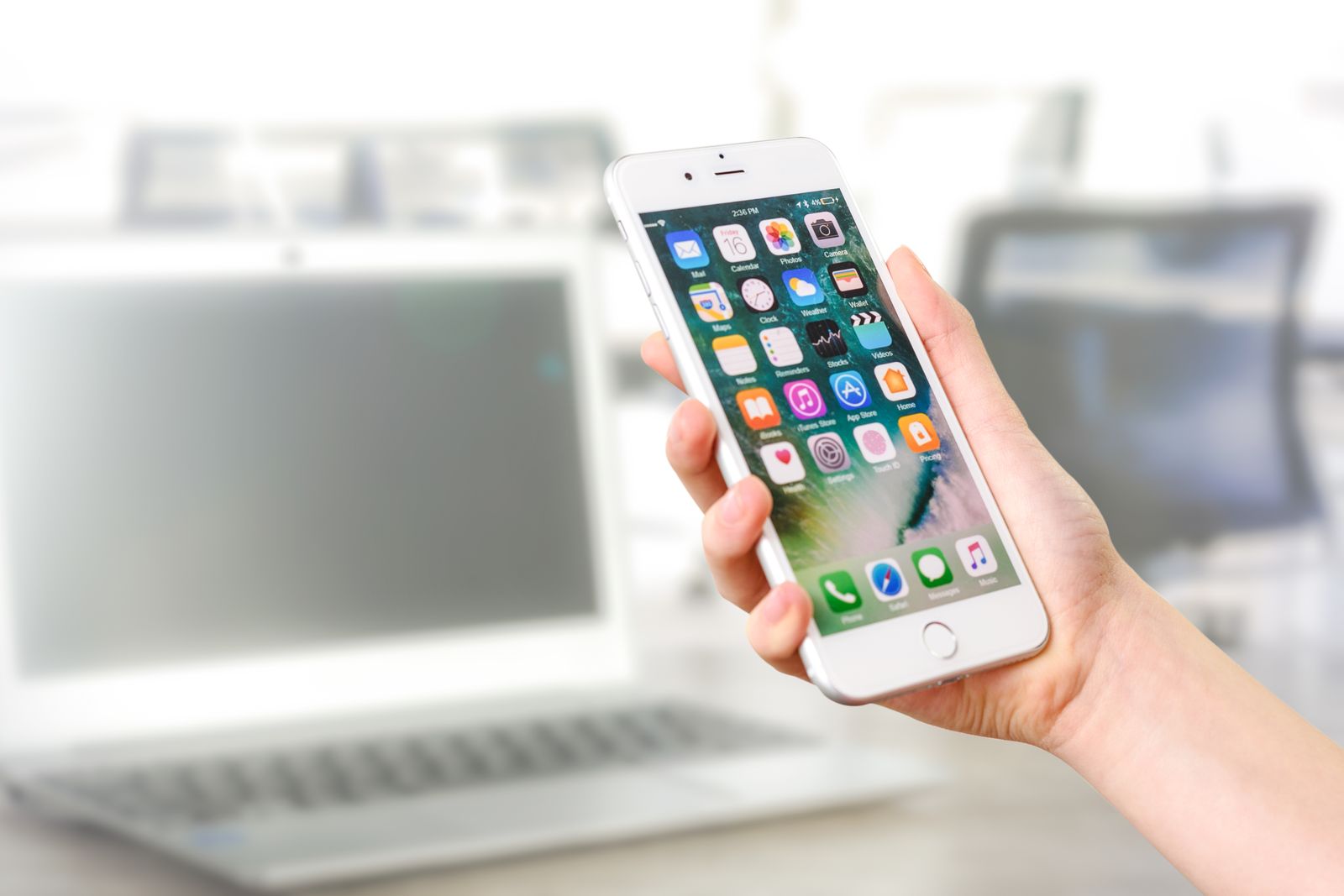
A dermatology practice called us in the spring, a little embarrassed. A software company had quoted them thirty eight thousand dollars to build a patient app, and the owner wanted a gut check before signing. The pitch sounded great: patients could book, message the office, see their skin care plan, and get reminders, all in one branded app with the practice logo on the home screen. It felt modern. It felt like the future. It felt like the thing a serious practice should have.
We asked one question back. When was the last time you downloaded an app for a business you visit twice a year? The line went quiet. That is the whole problem in one sentence, and it is why we talked them out of it.
The download is the wall, not the feature list
Owners think about apps in terms of features: booking, messaging, forms, results. Patients experience apps in terms of friction. To get any of those features, a patient has to find your app in a store with two million others, tap install, wait for it to download, open it, create an account, invent yet another password, and verify an email. That is six or seven steps before they get a single thing they wanted. Most people quit at step one, and who could blame them.
The general numbers are brutal, and the healthcare ones are worse. Across all apps, roughly 25 percent are opened exactly once and then never again, and more than half of downloaded apps are uninstalled within the first month. The average American has dozens of apps installed and actively uses only a fraction of them in a given month. Now stack on the reality of a medical practice: your patient sees you for a cleaning, a checkup, or a follow up a handful of times a year. There is no daily habit to anchor an app to. It sits on their phone as clutter until they delete it to free up space.
So the app you paid five figures for reaches the few patients motivated enough to install it, and then loses most of them within weeks. That is not a modern practice. That is an expensive icon almost nobody opens.
Everything you want the app to do, a website already does better
Here is the part that changes the conversation. Walk through the features that make an app sound appealing, and you find a mobile website plus text messaging does each one with no download at all.
- Booking. A patient taps a link from Google or your site and books in a couple of screens, no login, no install. That beats "download our app to book" every time. We break this down in online booking for medical practices.
- Reminders. A text message lands in the app every patient already uses and opens, their messages. No push notification from an app they deleted.
- Intake forms. A link in a text or email opens the form in a browser. Done in the waiting room parking lot, no account required.
- Messaging the office. Two way texting reaches everyone. A patient replies to the same thread that confirmed their visit.
- Results and portal access. Most electronic health record systems already include a patient portal through a browser link. You do not need to rebuild it as an app.
A fast, mobile friendly website with online booking, wired to text reminders, is the practical version of the app you were picturing. It reaches every patient instead of the sliver who would install something, it costs a fraction of a custom build, and it works the second a patient taps a link. If your site is slow or clunky on a phone, that is the real problem to fix first, and it matters more than any app ever would, which is why we wrote is your medical practice website mobile friendly.
The two visits a year test
Before you build an app, ask how often a typical patient interacts with your practice. A gym or a bank earns a spot on the home screen because people use them constantly. A dermatologist, a dentist, a physical therapist, a specialist? A few touchpoints a year. There is no habit for the app to live inside, so it gets deleted. If a patient would not open your app weekly, they will not keep it at all. Build for the tap, not the install.
When an app might actually make sense
We are not saying apps are always wrong. There are narrow cases where one earns its keep, and honesty means naming them. An app can make sense when the patient relationship is genuinely high frequency and ongoing: a chronic disease program where patients log data daily, a physical therapy plan with home exercises tracked every day, a weight or hormone program with frequent check ins, a behavioral health tool used between sessions. In those cases the patient opens it often enough for it to stick, and the app delivers something a website cannot do as smoothly.
Even then, most practices are better served by a proven third party platform built for that job than by commissioning a custom app from scratch. The test is simple. If a patient would realistically open it several times a week and get real value each time, an app may be worth exploring. If they would open it to book once every six months, it is a website page pretending to be an app, and it will be deleted like one.
What the app budget could buy instead
That dermatology practice had thirty eight thousand dollars ready to spend. Here is what we suggested they do with it instead, and it is what we would tell almost any owner asking the app question.
- A website that loads fast and books patients. Speed, clear calls to action, and one tap booking do more for new patients than an app ever could. This is the foundation everything else sits on.
- Online booking and two way texting. Let patients book at 9pm and reply to reminders, no download, no phone tag.
- Getting found on Google. Most new patients start with a search, not an app store. Ranking locally and looking trustworthy there brings people you never had before.
- A front desk that answers. A missed call costs a real patient. An AI receptionist or better call coverage saves more revenue than a branded app icon.
Every one of those reaches all of your patients, not just the few who would download something. And every one shows up in the metric owners actually care about: booked appointments. The app shows up mostly as a line item on next year's budget.
Our honest take: build the thing patients already use
We could have taken a cut and helped that practice build the app. It would have been an easy invoice. Instead we told them the truth, because a happy client who grows is worth more than a one time build that collects dust. The best technology for a medical practice is not the most impressive one. It is the one your patients will actually use without being asked to change their behavior.
Patients already live in two places on their phones: their web browser and their text messages. Meet them there. A fast website they can book from in two taps, and a text thread that confirms, reminds, and answers. No app store, no password, no download. That is the modern practice, and it is quietly outperforming every branded app icon sitting unopened on a patient's phone.
The dermatology practice took the thirty eight thousand dollars, rebuilt their site with real online booking, added text reminders, and cleaned up their Google presence. Six months later their new patient bookings from the website were up, their no shows were down from the text reminders, and not one patient ever asked where the app was. Because the app was never the thing they wanted. Easy was the thing they wanted.
How EtherealMinds handles this for practices
When an owner asks us about an app, we start with the honest question, not the sales pitch. Most of the time the answer is a healthcare website that converts with one tap booking and text reminders built in, connected to a full patient acquisition system so the people who find you actually become booked visits. And when a patient does reach out after hours, our AI receptionist answers and books them, no download required. We build for the way patients already behave, not the way a flashy demo wishes they did.
Not sure if you need an app or a better website?
Book a free strategy call. Tell us what you were hoping the app would do, and we will show you the cheaper, simpler way to get the same result, and where that money is better spent to actually book more patients. No jargon, no pressure.
Book a free strategy call →