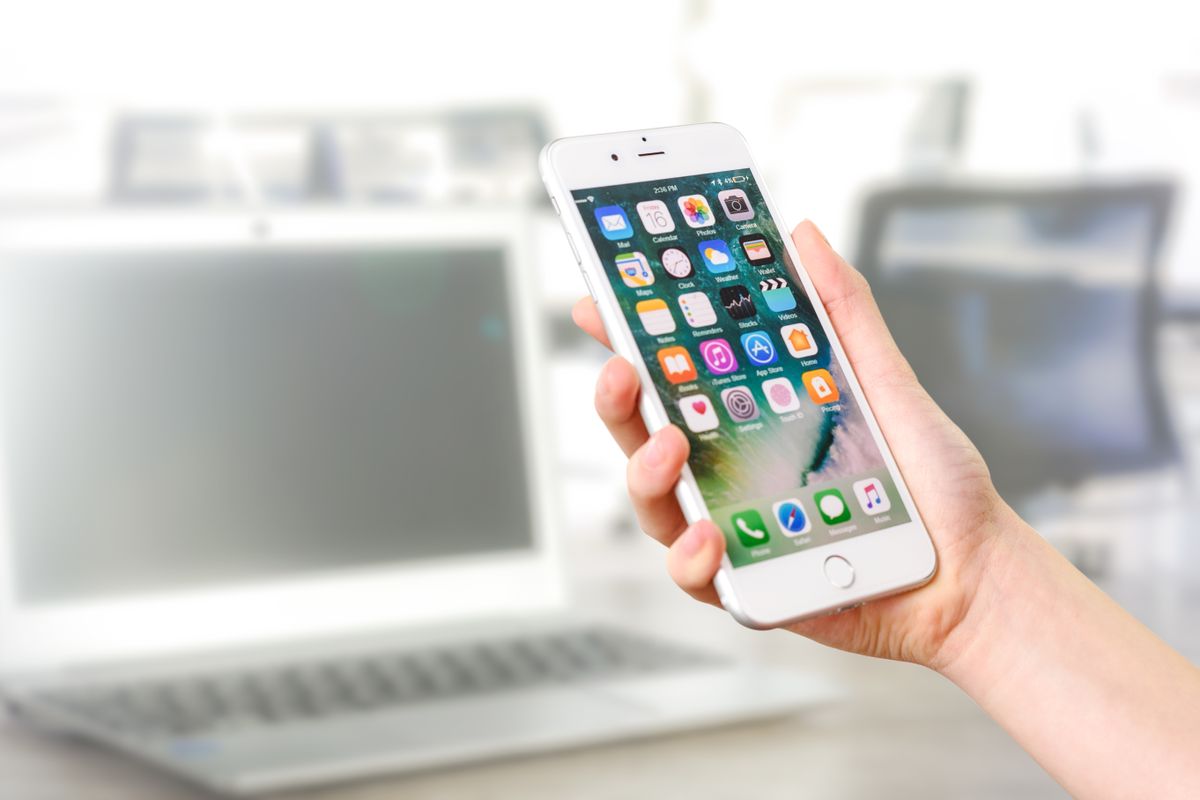
Let us answer the question first, then show the work. Yes, online scheduling reduces no shows, and the effect is not small. The reason is not magic. It is human. A patient who scrolls your calendar and taps the exact 4:15pm that fits between school pickup and dinner is far more committed to that slot than a patient who was handed "we have a Thursday at 10" over the phone and said okay just to end the call.
We work only with healthcare practices in the United States, so no shows come up in almost every first call we have with an owner. They are quietly one of the most expensive problems a practice has, and one of the most fixable. So let us look at what the research actually found, why it happens, and how to set this up so it works instead of creating new headaches at the front desk.
The number that makes the case
The cleanest recent evidence comes from a 2025 study in Frontiers in Digital Health. Researchers tracked appointments over roughly 20 months and compared visits patients booked themselves online against visits booked the old way, by staff. In the private practice they studied, the no show rate was 1.8% for online booked appointments and 5.9% for staff booked ones. Same practice, same patients, same doctors. The only thing that changed was who did the booking.
That is more than a three times gap. And it came with a bonus: online scheduling also cut the share of unused appointment slots from 22.7% down to 10.3%, because patients grabbed openings the phone never would have filled, including evenings and weekends when nobody is at the desk to answer.
One honest caveat, because we do not do hype here. The same study also looked at a large university hospital, and there the pattern flipped: online booked visits had a slightly higher no show rate than staff booked ones. In a giant hospital with complex referrals and patients who book months out for something they may forget or resolve, self scheduling behaves differently. For an independent practice or clinic, the setting that describes almost everyone reading this, the effect ran strongly in favor of letting patients book themselves. Know your setting, but if you run a practice, the news is good.
Why self booked patients show up more
The gap is not luck. Three forces stack up in your favor the moment a patient books themselves.
1. They chose the time, so it fits their life
A slot a patient picked around their own work, kids, and commute is simply easier to keep than one they accepted to get off the phone. When the front desk offers the one opening they have, plenty of patients say yes knowing deep down it does not really work, then quietly bail when the day comes. Self scheduling filters that out at the start.
2. They made a small commitment, in writing, themselves
There is real behavioral science under this. People honor commitments they actively made more than ones that were made for them. Tapping "confirm" on a time you selected is a tiny promise to yourself. It sounds soft. The 1.8% versus 5.9% number says it is not.
3. It comes wired to confirmations and reminders
Online booking almost always fires an instant confirmation and then automated text and email reminders. So the visit is in the patient's inbox, on their phone, and often on their calendar within seconds. A phone booking, by contrast, lives on a sticky note that gets thrown away. This is also why the debate over text versus email reminders matters less than simply having the whole flow automated from the moment they book.
No shows are not a small leak
It is worth sitting with the cost, because owners tend to shrug at a single missed visit and miss the yearly total. Your practice sells time, and time is the one thing you cannot restock. An empty 2pm is not a slow afternoon, it is revenue gone for good.
Zoom out and the scale is startling. Missed appointments are estimated to cost the US healthcare system on the order of $150 billion a year, and a single practice can lose anywhere from tens of thousands to several hundred thousand dollars annually to empty chairs, depending on size and specialty. No wonder that when the Medical Group Management Association surveyed practice leaders heading into 2026, reducing no shows landed as the number one patient access priority. Everyone feels it. Fewer people connect it to who is doing the booking.
The math on a small change
Say you run 30 appointments a day and each visit is worth $200. Cutting your no show rate from 6% to 2% saves you a little over one visit a day. That is roughly $250 a day, about $60,000 a year, from a change that also answers your phones after hours and cuts front desk workload. Online scheduling is one of the rare fixes that lowers cost and raises revenue at the same time.
So why do so few practices use it?
Here is the strange part. If the case is this clear, you would expect online booking to be everywhere. It is not. Industry surveys keep finding that only a small slice of practices have most of their patients self scheduling, while the majority still have under a quarter of patients booking online, and plenty offer no self scheduling at all. Patients are ready. A large share start their search on Google and want to book on the spot, the same way they book a table or a haircut. The practices are the ones holding back.
Two fears explain most of the hesitation, and both are solvable.
Fear one: the wrong patient books the wrong thing. A new patient grabs a 15 minute slot for a complex problem, or someone books a visit type you did not want online. This is a rules problem, not a reason to keep the door shut. Good booking flows let you control exactly which visit types, providers, and time lengths are bookable online, gate new patients into the right slots, and ask a couple of screening questions before confirming.
Fear two: the tech is clunky and disconnected. A booking widget that does not sync with your calendar, double books, or lives on a page nobody visits will absolutely cause chaos. That is not an argument against online scheduling. It is an argument for building it into a fast website and a real system, instead of bolting on a random tool. When patients cannot complete a booking, it is usually the form, not the patient, as we broke down in why patients abandon your online booking form.
How to set it up so it actually lowers no shows
Turning on a booking button is step one, not the whole job. The practices that get the 1.8% kind of numbers do a handful of things well.
- Put booking where patients already are. On your website above the fold, on your Google Business Profile, and in every ad and social bio. If they have to hunt for it, they call instead, and the no show benefit shrinks.
- Let them book today and tomorrow. Many tools block anything sooner than 24 hours out, which sends the patient in pain to whoever can see them now. Open up same day and next day slots.
- Confirm instantly, then remind. An immediate confirmation plus a text and email reminder sequence is where self scheduling and reminders compound. Add a one tap reschedule link so a busy week turns into a new time, not a missed visit.
- Set smart rules. Control visit types, provider availability, and buffers so the calendar fills the way you want, not chaotically.
- Cover after hours. A big share of bookings happen at night and on weekends. Pair online scheduling with our AI receptionist so the patient who calls at 9pm gets booked instead of hitting voicemail, on the exact same calendar.
Where EtherealMinds fits
This is squarely what we build. We help healthcare practices across the United States put online scheduling where it belongs: inside a website that loads fast and is built to convert, connected to your calendar, with instant confirmations, automated reminders, and easy rescheduling wired in. Not a lonely widget, a booking experience patients finish.
And because a booked slot is only worth something if the calendar stays full, we tie it into a complete patient acquisition system, with the AI receptionist catching the calls and after hours bookings your front desk cannot, all feeding one schedule. The result is fewer empty chairs at both ends: more new patients getting in, and more of them actually showing up.
No shows will never hit zero, and they should not be a source of shame. But if a chunk of your missed visits trace back to how people book, that is one of the cheapest problems in your whole practice to fix. Let patients do the booking. The data, and your 2pm slot, will thank you.
Turn your empty slots into booked visits
Book a free strategy call. We will look at how patients book with you today, where no shows are leaking from, and set up online scheduling, reminders, and an after hours AI receptionist on one connected system. Clear, honest, no jargon.
Book a free strategy call →