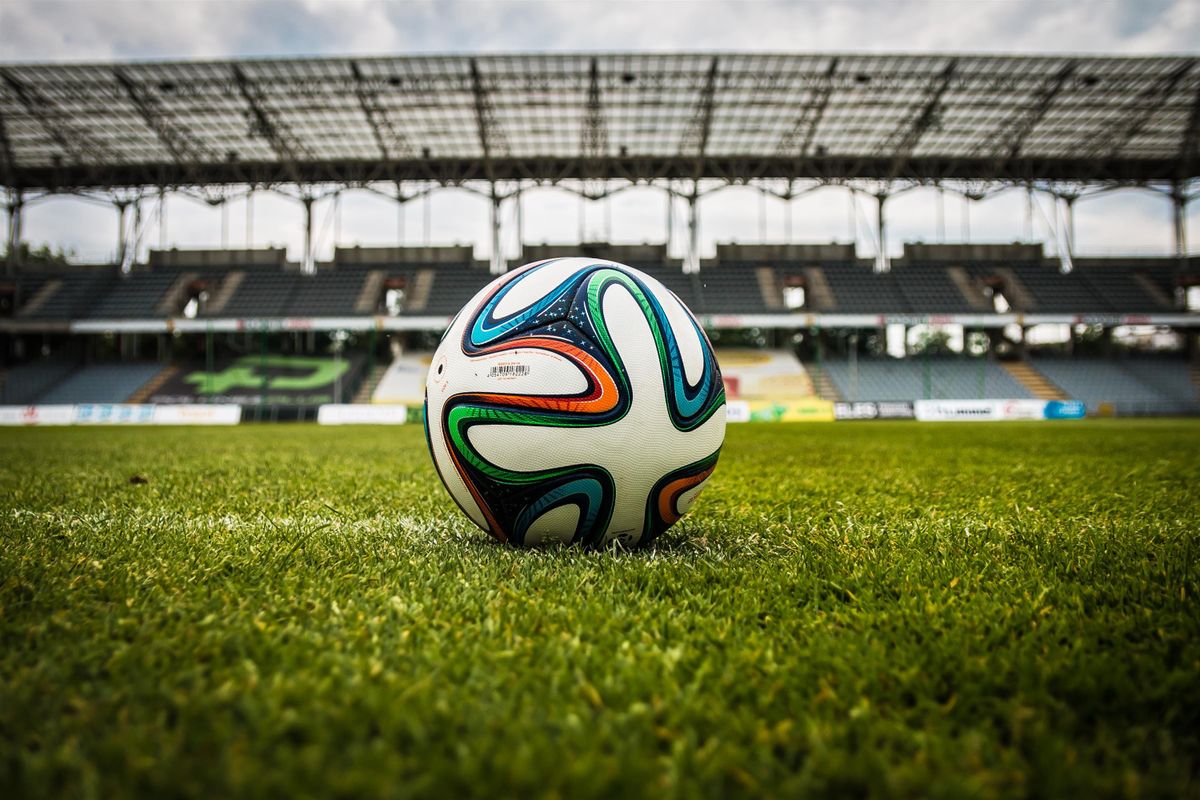
This week the FIFA World Cup 2026 got underway, and it is the biggest version ever played. For the first time the tournament features 48 teams and 104 matches, spread across 16 host cities in the United States, Canada and Mexico, from June 11 all the way to the final on July 19. Eleven of those host cities are right here in the US: Atlanta, Boston, Dallas, Houston, Kansas City, Los Angeles, Miami, New York and New Jersey, Philadelphia, the San Francisco Bay Area and Seattle.
Strip away the soccer for a second and look at what that means on the ground. For six weeks, several US metros are about to host one of the largest movements of people they will see all decade. Fans flying in from Mexico, Brazil, England, Argentina and dozens of other countries. Domestic travelers driving in for a match. Hotels full, restaurants packed, streets busy at all hours. And every one of those people is a human being who, at some point, might twist an ankle, run out of a prescription, chip a tooth, get a sunburn that will not quit, or need a doctor for a kid who spiked a fever.
A month and a half of demand, dropped on your doorstep
Big events do something predictable to local healthcare. Demand for same day and walk in care climbs. Think about the mix of people in a host city this summer: travelers far from their own doctor, in a hot US summer, on their feet all day, eating and drinking more than usual, often jet lagged. That is a recipe for the everyday stuff that fills urgent care, primary care, dental and dermatology schedules.
- Urgent care and primary care: dehydration, heat exhaustion, stomach bugs, minor injuries, fevers, prescription refills for travelers who left their meds at home.
- Sports medicine and physical therapy: sprains, strains and the weekend warrior injuries that come with a city full of people kicking a ball around in the park.
- Dental: chipped teeth, lost crowns and the dental emergencies that never wait for a convenient time.
- Dermatology and med spas: sunburn, rashes, and visitors with time and money looking for a quick aesthetic touch up while they are in town.
- Pharmacies and optometry: refills, replacement glasses, the small but constant needs of people away from home.
Here is the catch. These are mostly cash pay or new patients who do not know your name. They are going to pull out their phone, search for whoever is closest and open, and call. The practice that answers, in their language, and gets them booked in the next hour wins. The one that sends them to voicemail loses them to the place down the street. There is no loyalty here and no second chance. It is pure speed and availability.
The flip side: your regular patients are about to get squirrelly
While new visitors flood in, your existing patients are dealing with the same packed roads and chaos. On match days, traffic around host venues becomes its own event. Patients who would normally show up on time suddenly cannot find parking, get stuck in a road closure, or simply decide the appointment is not worth the headache that afternoon. No show rates tend to climb during big local events, and a no show is a slot you can never sell again.
So practices in host cities face a double squeeze this summer. A wave of new demand they could capture, and a higher risk of losing the patients they already booked. Both problems live in the same place: the front desk and the systems around it. Handle that well and the World Cup is a windfall. Handle it the way most practices do, with a phone that goes to voicemail after five and a paper reminder no one reads, and you watch the whole thing pass by.
Most of the world does not call in English
This is the part a lot of US practices forget. The World Cup is a global event, and Mexico is a co host. A massive share of the visitors filling these cities will be from Latin America, with Spanish as their first language, plus huge contingents from Portuguese, French, Arabic and other speaking countries. Many of them will search and call for care in their own language.
Picture a family from Guadalajara whose kid wakes up with an ear infection in their Dallas hotel. They search in Spanish, they find three nearby clinics, they call the first one. If your phone answers only in English and only between nine and five, you are invisible to that family no matter how good your care is. The practice that can greet them in Spanish, understand the problem and book them in five minutes gets the visit. Language is not a nice to have this summer. It is the difference between catching these patients and never knowing they called.
A quick test before the matches roll in
Call your own practice tonight, after hours, from a number your staff will not recognize. What does a visitor actually hear? Now try it imagining you only speak Spanish. Then open your website on your phone and see how many taps it takes to book an appointment. If any of those three felt clunky, that is exactly where this summer's surge will leak out of your practice.
How to get your practice ready, fast
You do not need a huge budget or a new building. You need your front door to be open, findable and fast during the weeks that matter. Here is the short list.
- Fix your Google Business Profile. Most visitors will find you through a quick map search, so make sure your hours, services and phone are current and that booking is one tap away. Keep your Google Business Profile accurate and active.
- Add hours around match days. Even a few extra evening or weekend hours during your city's match dates can capture demand your competitors are sleeping through.
- Make booking obvious. A visitor in pain will not fill out a long form. Put a clear book now button on your site and let people self schedule in seconds.
- Answer in more than one language. Make sure someone, or something, can greet and book Spanish speaking callers instantly. This is the single biggest edge in a host city this summer.
- Protect your schedule. Send text confirmations and easy reschedule links so a match day traffic jam turns into a moved appointment instead of an empty chair.
- Never miss a call. The surge comes in waves and at odd hours. A missed call during a busy stretch is a patient who already booked somewhere else by the time you call back.
None of this is exotic. It is the same blocking and tackling that makes a practice grow in any normal month, just turned up for a once in a generation event landing in your backyard.
How EtherealMinds helps you catch the surge
This is the only thing we do, and we do it only for US healthcare practices. We build the complete patient acquisition system so the people searching for care near you actually find you and actually book. That starts with a website that converts a stranger in pain into a booked visit in under a minute, and local search and social presence so when a visitor searches near your office, you are the one they call.
The piece that matters most during a crush like this is the front door. Our AI receptionist answers every call and message instantly, day or night, and it speaks more than one language, so the family from Guadalajara gets a warm, immediate reply in Spanish and walks out of your office an hour later. It catches the overflow when your front desk is slammed, takes the basic information, books the appointment and sends the confirmation and reminder that keeps your schedule full even on a chaotic match day. Anything that needs a human goes straight to your team. Nobody who reaches out gets met with silence.
We have written before about how a single missed call drains real money from a practice. During the World Cup, multiply that by a city full of visitors who will call exactly once. The practices that show up online, answer fast in the right language and make booking effortless are going to have one of their best summers in years. The ones that do not will wonder where all the people went.
And here is the best part. Everything you tighten up for this event, the always on front door, the clean booking, the local search, the reminders, keeps working long after the trophy is lifted in July. The World Cup is a deadline. The system you build to meet it pays you back for years.
Get ready before the next kickoff
Book a free strategy call. We will look at how your practice shows up in local search, how your front desk handles after hours and Spanish speaking calls, and map the fastest way to turn this summer's visitor surge into booked patients.
Book a free strategy call →