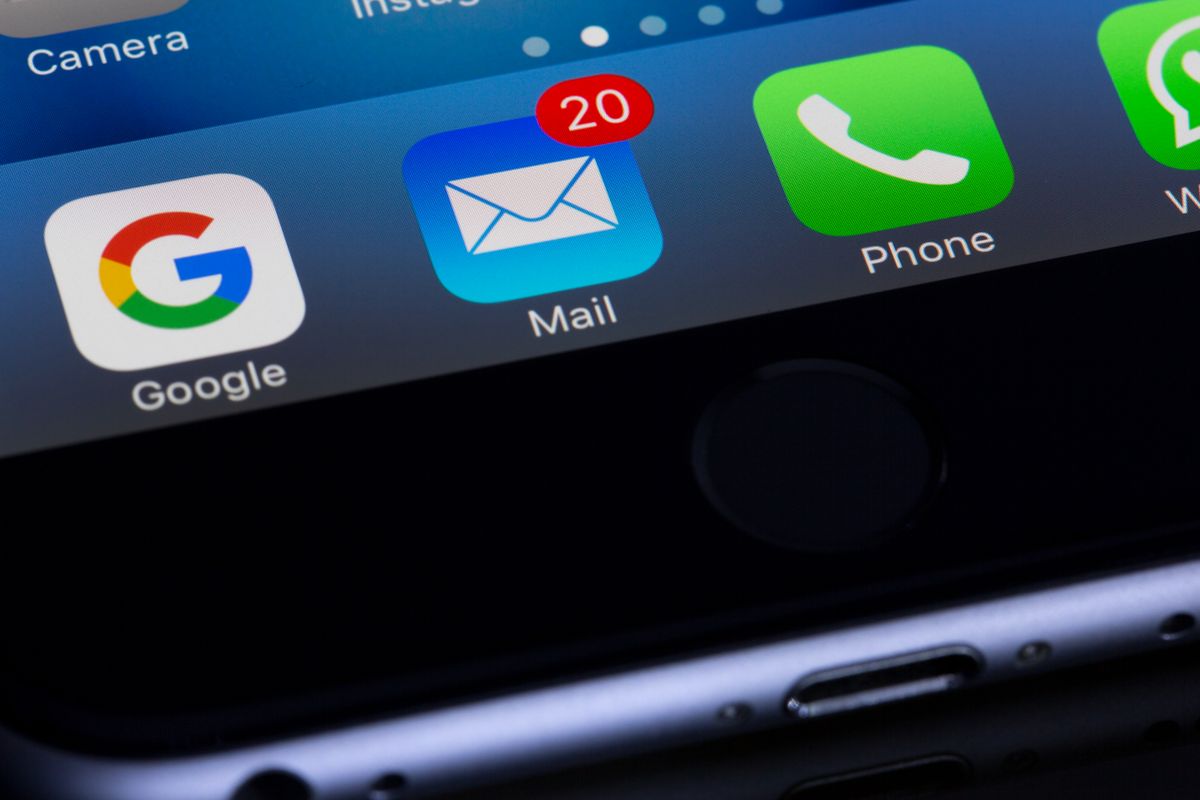
Picture a Tuesday afternoon at a busy dermatology office. The phone rings, the front desk is mid checkout with a patient, and the call rolls to voicemail like a hundred others. Except this caller was not a person. It was Google's AI, dialing on behalf of someone two miles away who had just searched for a skin check and asked Google to find the price and the next opening. The AI called three practices. Two answered and gave clear information. Yours beeped. Thirty minutes later that searcher got a tidy text with two options on it, and the office that went to voicemail was not one of them.
This is not a hypothetical from a conference stage. Google has been rolling out a Search feature, shown to users as Ask for Me or Have AI check pricing, that places real phone calls to local businesses and reports the answers back. It started in categories like home repair, beauty, and pet care, and Google used its May 2026 I/O event to signal a wider push. Healthcare service businesses are right in its path. The question for every practice owner is no longer only can my team answer the phone. It is can my practice answer the machine that is now shopping for my patients.
What Google's AI calling actually does
Here is the plain version. A person searches for a local service, say a pediatric dentist or a knee specialist nearby. Google offers to check pricing and availability for them. They answer a few short questions about what they need and when, and Google's assistant then calls matching businesses, asks about price ranges and openings, and sends the person a consolidated summary by text or email, usually within about half an hour. Search Engine Journal reported the feature went live to U.S. Search users, with higher usage limits for Google's paid AI tiers.
Two details matter enormously for a medical practice. First, the AI decides which businesses to call based on traditional local search rankings. If you do not show up for the search, you never get dialed, which means your local SEO and Google Business Profile are now the gatekeeper to a brand new channel. Second, the whole thing lives or dies on whether the call connects. The feature exists to save the patient the chore of calling around. If your phone makes that chore come back, by not answering, Google simply moves on and fills the summary with the practices that did.
You can manage whether your business takes part through your Google Business Profile, but opting out is not really protection. It just means you are absent from a place patients are starting to look. The real work is making sure that when the call comes, there is a clear, correct answer waiting.
Why this punishes practices that already miss calls
Medical practices were already bleeding patients through the phone, long before any AI started dialing. The numbers are rough. Depending on the study, somewhere between 23% and 42% of calls to medical offices go unanswered. And patients do not shrug it off. Solutionreach reports that most people will not leave a voicemail, and industry data on call abandonment shows a huge share simply call the next name on the list. One commonly cited figure puts it bluntly: roughly two in three callers who cannot reach you will call a competitor instead.
Now add Google's AI on top of that leaky phone. Before, a missed call cost you one patient who might have called back. We did the math on that in our piece on what a missed call really costs a practice, and it is not small. But an AI call is different in a dangerous way. It is not one patient deciding whether to try again. It is a gatekeeper deciding whether your practice appears in the answer at all. Miss it, and you are not just invisible to one caller. You are edited out of the comparison before the patient even starts choosing.
The shift in one sentence
An unanswered phone used to lose you a single patient. Now it can erase your practice from the shortlist Google hands to a patient who was ready to book today.
The after hours problem gets sharper
People search for care at night and on weekends, when they are worried and have time to look. That was already a weak spot for most offices, and we wrote about it in our note on losing patients after hours. AI shopping makes the gap wider, because a patient can now set Google loose at 9pm and wake up to a short list of practices that answered. If your line is dark from 5pm Friday to 8am Monday, you are handing the whole weekend of demand to whoever picks up.
Speed has always mattered in patient acquisition. The faster you respond, the more likely you book. We covered the research on this in how fast you should respond to a new patient lead, and the AI era turns that dial to maximum. When the gatekeeper calls, there is no second chance window. The answer either exists in that moment or it does not.
Be the practice the machine can actually reach
The fix is not complicated, but it is specific. You need three things working together, and most practices are missing at least one.
Show up in local search, so you get the call at all. Google's AI only dials the businesses that rank for the patient's search. A complete, active Google Business Profile with the right primary category, current hours, accurate services, and a steady stream of reviews is what gets you on the call list. We broke down why the Business Profile category choice matters more than most owners think. If your listing is thin or stale, the AI skips you and you never even know a patient was looking.
Answer every call, human or machine, around the clock. This is where most of the loss is, and it is the most fixable. Hiring overnight and weekend staff to catch every call makes no sense for a small practice. An AI receptionist answers instantly, states your pricing and availability, and books the appointment, so when Google's AI calls to gather information, it gets a clean answer and lists you complete. The same system catches the human callers your team misses during a busy morning or a packed lunch hour. One tool, two problems solved.
Know your answers before the phone rings. The AI is asking about price ranges and availability. If your team fumbles pricing or cannot see real openings, the information that reaches the patient is vague, and vague loses to specific every time. Clear pricing talk tracks, honest ranges, and a bookable schedule are suddenly a ranking factor in a conversation you are not even in the room for.
A word of honesty about where this is going
It would be easy to turn this into fear. We would rather be straight with you. AI calling is early, it has rough edges, and not every patient will use it tomorrow. Some owners find the idea of a robot calling their front desk unsettling, and that is fair. But the direction is clear. Patients keep gravitating toward whatever removes friction, and having Google call around for you removes a lot of it. The practices that treat this as a nuisance will be the ones wondering, a year from now, why the phone rings less and the schedule looks thinner.
The practices that treat it as a signal will do the opposite. They will read it as Google confirming what has been true all along: being reachable is a growth strategy, not a back office chore. The office that answers, that shows up in local search, that can state a price and offer a time, wins. It wins the human caller, and now it wins the machine too.
How EtherealMinds thinks about it
When we look at a practice, we do not start with ads or logos. We start with the leaks, and the phone is almost always the biggest one. AI calling just put a spotlight on it. Our job is to make a practice impossible to miss and impossible to lose touch with, which is exactly what this new channel rewards. That means a patient acquisition system where the profile ranks, the phone always answers, and the booking is one step away, whether the caller is a nervous new patient or Google's assistant doing the asking for them.
None of it is futuristic. It is the same fundamentals we have always pushed, be findable and be reachable, pointed at a channel that did not exist eighteen months ago. The owners who get this in place now will steadily collect the patients their competitors are sending to voicemail, human and AI alike, while everyone else waits to see if this is real. It already is.
Make sure the next call gets answered
Book a free strategy call. We will check how your practice shows up in local search and what happens when someone, or something, calls your line right now. Then we will show you exactly where patients are slipping through. Clear numbers, no jargon, no pressure.
Book a free strategy call →