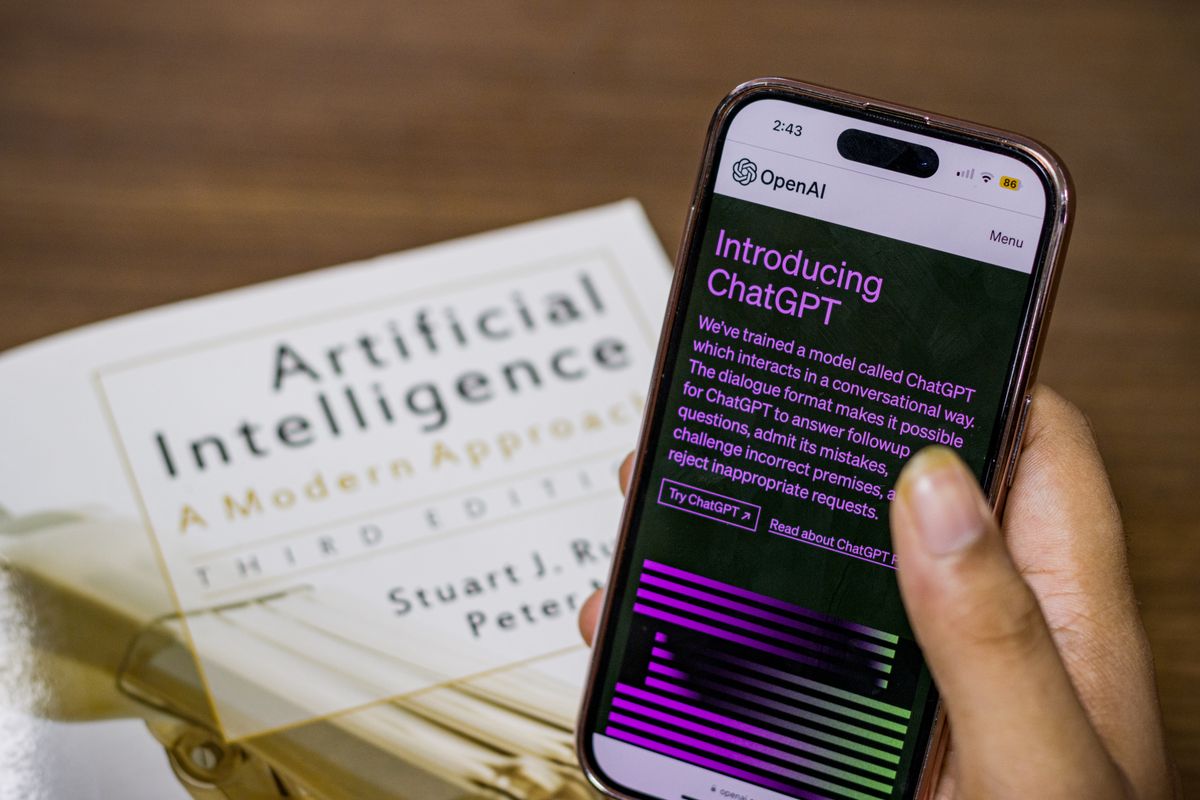
A family medicine owner in Texas told us something last month that stuck with us. A woman had called, asked what a visit would run her, got a vague answer from the front desk, and said she would call back. She never did. A few weeks later she came in anyway, worse than before, and mentioned she had spent those weeks asking ChatGPT about her symptoms instead. Not because she trusted it more than a doctor. Because it did not send her a bill.
That is not a one off story anymore. It is a pattern, and now there is hard data behind it.
What the new report actually found
On October 6, 2026, the healthcare payments company PayZen released its State of Healthcare Affordability report, based on a nationwide survey of 1,000 US adults. The headline finding is blunt: more than two in five patients, 42.5 percent, have used an AI chatbot instead of seeing a doctor because of what a visit would cost them.
The part that should get a practice owner's attention is the repeat behavior. More patients said they had done this more than once than said they had tried it a single time. A patient who skips you for a free answer once is testing the water. A patient who does it over and over has formed a habit, and habits are hard to win back.
It fits a bigger picture the same report paints. One in four patients named cost as their single greatest concern before care, ahead of whether the treatment would even work, ahead of pain, ahead of medical risk. And this is not only a low income story. Patients earning between 75,000 and 90,000 dollars a year were among the most likely to skip care over cost and among the most likely to turn to a chatbot to avoid an office visit. These are working, insured people who would have been your patients a few years ago.
The real problem is not AI. It is silence about money.
It is easy to read a stat like that and blame the technology. A free robot is luring patients away. But that is the wrong villain. ChatGPT did not take your patient. The uncertainty about what you charge did. The chatbot was just the thing sitting there when the patient hit a wall.
Walk it from the patient's side. They have a symptom. They are a little scared and a little broke, which describes a lot of people in 2026. They look you up. Your website lists ten services and not one price. They call, and the front desk cannot or will not give a straight number. Now they are staring at two doors. One says "an unknown amount of money, maybe a lot." The other says "free, right now, no judgment." A huge share of people pick the free door, and they do not feel reckless doing it. They feel like they are being careful with money.
So the chatbot wins, not because it is smarter than your doctor, but because it answered the one question you left blank. We wrote more about this shift in when patients use AI instead of seeing you. The cost angle is the sharpest edge of it.
The free answer is not actually free. Patients just cannot see the bill yet.
Here is the honest part, the thing a good practice can say that a chatbot never will. A free AI answer is cheap today and can be expensive later. A person who talks themselves out of a real visit can miss the thing that needed catching early, the thing that turns a 200 dollar appointment into a 20,000 dollar problem. You know this. Your patients half know it too, which is exactly why the woman in Texas eventually walked in anyway, just later and sicker.
That is your opening. Not to shame anyone for using AI, but to be the clear, affordable, human next step for the patient who already has. The worry is real. The money pressure is real. A practice that meets both wins the visit. A practice that pretends patients are not price shopping loses them to the phone in their pocket.
What a practice can actually do about it
You cannot out free a free tool, and you should not try. What you can do is remove the fear that sends patients to it in the first place. Four moves, in order of impact.
1. End the price mystery on your website
You do not need to publish a full menu, and you do not need to post rates that scare people. You need to kill the uncertainty. A "starting at" number on your top few services, a plain page that explains what a first visit costs and what it includes, a short note on what insurance typically covers. That alone pulls a patient back from the edge. When the number on your site is knowable, the free chatbot stops looking like the only safe option. This is core to how we build websites that convert, because a site that hides every price quietly sends patients away. If you are not sure how to phrase it at the front desk, our guide on what to say when a patient asks how much it costs walks through it.
2. Answer the cost question the second it is asked
Speed matters as much as transparency. A patient with a money worry is not patient. If they ask what something costs at 8pm and hear back the next afternoon, they have already asked the chatbot three times by then. Every question about price should get a fast, confident, human answer, by phone, text, or chat, whenever the patient asks it. That is a big reason practices lean on tools like our AI receptionist, which picks up every call and message, answers the common cost and insurance questions right away, and books the appointment before the patient drifts back to a search bar.
3. Give patients a smaller, affordable first step
A scary lump sum makes people freeze, and a frozen patient reaches for the free option. Break the wall down. A low cost consult, a clear new patient visit price, a payment plan, or financing turns "an unknown amount of money" into a yes someone can actually say. People finance cars and phones without blinking. Healthcare is no different, especially for cash pay and elective services. We cover the playbook in how to attract cash pay patients and in whether your practice should offer a membership plan.
4. Be the practice the AI itself recommends
Here is the twist most owners miss. The same patients using AI to dodge a visit also use it to pick a provider when they finally decide to go. The PayZen report noted that most patients would happily use an AI tool to understand a bill or find payment help. If the AI, the map, and the search results all point to you, you catch that patient at the exact moment they stop stalling. That means strong reviews, a complete Google profile, and content that answers the real money questions in plain language. It is the same work that gets you cited in AI answers and search, which is exactly what our healthcare SEO is built to do.
Where EtherealMinds fits
We only work with healthcare practices in the United States, and this is the kind of problem we live in. The practices losing patients to a free chatbot are almost never losing on quality of care. They are losing on clarity. The price is hidden, the cost question goes unanswered for hours, there is no easy first step, and the website says nothing a worried patient needs to hear. Fix those four things and a lot of the patients drifting to AI come back to a real exam room.
When we run patient acquisition for a practice, we build the whole path a nervous, price conscious patient actually walks. A website that names a number instead of hiding it, instant answers to the cost and insurance questions, a clear and affordable way to take the first step, and a strong presence in search and AI so you are the name that comes up when the patient is finally ready. None of it is about beating a chatbot at being free. It is about being the trusted human answer the moment free is not enough anymore.
Patients are not choosing a robot over you because they prefer it. They are choosing the door they can see the price on. Put a price on your door, answer fast, make the first step easy, and most of them will choose the one with a real person behind it. That person is you.
Losing patients to a free AI over price?
Book a free strategy call. We will look at your practice the way a worried, price checking patient would, find the places cost confusion is quietly costing you bookings, and lay out a plain plan to win those patients back. No pressure, just a clear read.
Book a free strategy call →