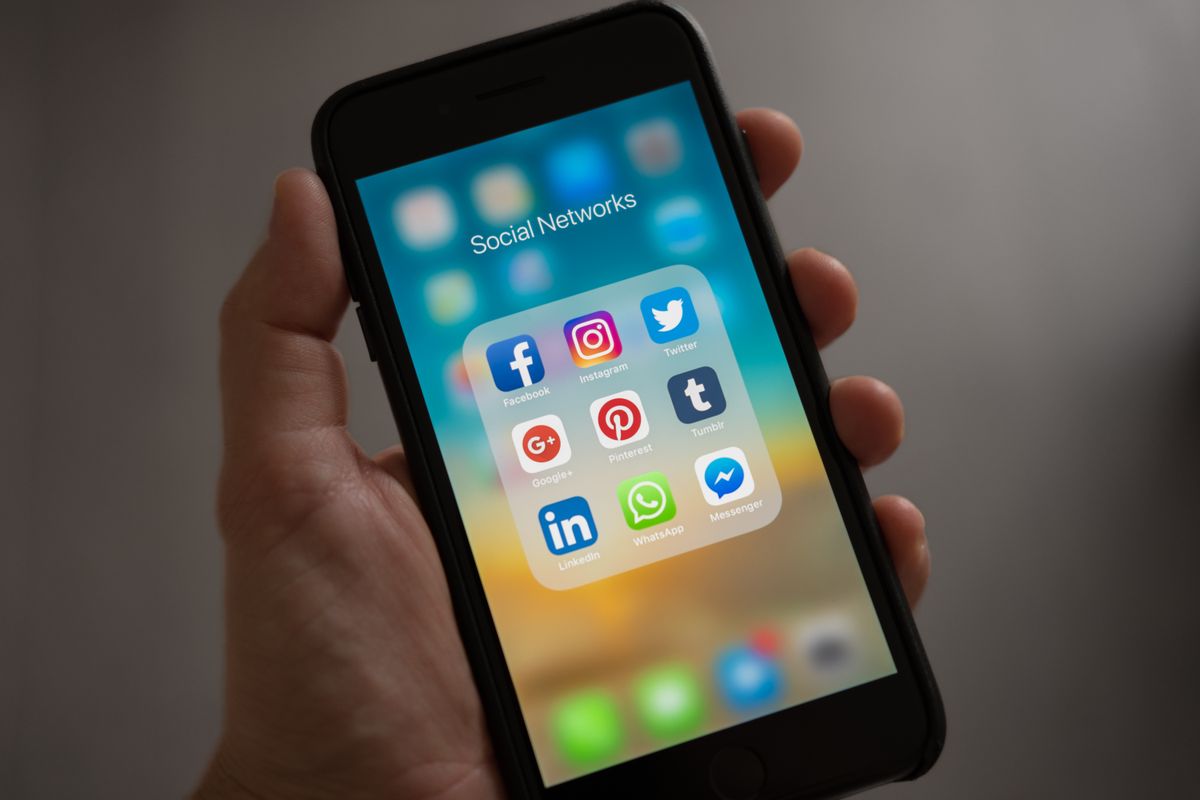
A patient walks out of your office after a great visit, sits in the parking lot, and posts a story: photo of your sign, a happy caption, your practice tagged. Free advertising, made by exactly the kind of person your next patient trusts. And in most practices, nothing happens with it. Nobody sees it, nobody saves it, and a week later it is gone.
That is user generated content, and it is the most underused asset a medical practice has. It is the reviews, the tagged photos, the thank you posts, the before and after shots patients share on their own. Marketers spend fortunes trying to make ads that feel this real. Your patients hand it to you for free. The only two questions that matter are how to get more of it, and how to use it without landing in trouble. Let us take both.
Why patient made content beats your best ad
People do not trust businesses talking about themselves. They trust other people. That is not a hunch, it is one of the most consistent findings in all of marketing. Nielsen's long running research on trust in advertising has repeatedly shown that recommendations from people we know and consumer opinions posted online are the two most credible forms of advertising there is, sitting far above ads a brand runs about itself. When the message comes from a peer, it lands. When it comes from you, people brace for the sales pitch.
In healthcare that gap is even wider, because choosing a doctor is scary. A new patient is trusting you with their body, their kids, or their face. A polished ad cannot calm that fear the way one real patient saying "I was nervous too, and they took great care of me" can. Surveys from BrightLocal's Local Consumer Review Survey keep showing that most people read online reviews for local businesses before deciding, and a large share trust them nearly as much as a personal recommendation. Patient content is that recommendation, at scale, working for you around the clock.
There is also a simple math reason to care. Content is the hardest, most expensive part of running social media well. Every post a patient makes about you is a post you did not have to shoot, write, or pay for, and it performs better than the one you would have made. If you are wondering whether any of this actually turns into booked visits, we dug into that in do social media followers become patients. Short version: the followers who become patients are usually the ones who saw proof from other patients first.
The HIPAA catch nobody warns you about
Here is where a lot of practices get it wrong, so read this part twice. Your patient can post whatever they want about their own care. HIPAA does not apply to them. It applies to you. The second your practice reposts that content, screenshots the review, or even replies "so glad we could help, see you next visit," you have just disclosed that this person is your patient. That is protected health information, and using it to promote your services generally requires a signed HIPAA authorization from the patient first.
Read that again, because it trips up even well meaning practices. A patient leaves a glowing five star review that names their procedure. You reply publicly, "Thank you so much, we loved helping with your knee." You just confirmed a specific person is a patient and named their care, in public, without authorization. That is a disclosure. The friendly reply that felt like good service can be a violation. The Office for Civil Rights has fined practices for exactly this kind of social media slip.
The fix is not to avoid patient content. It is to build one small habit: get written permission before you use anything that ties a real person to your care. A simple media release or marketing authorization form, signed at the front desk or by text, turns a legal risk into a green light. Keep your public review replies generic when you do not have one, something like "thank you for the kind words, we appreciate you," which thanks them without confirming anything. This is the same care you already take with photos, and if you have not sorted that out yet, start with can a medical practice post patient photos on social media.
Your one page fix: a patient media release
Have a short, plain English media release ready to sign. It should name what you may use (photos, video, quotes, reviews, before and after images), where you may use it (website, social, ads), and let the patient withdraw consent later. Get it signed at the visit, while they are happy and present, not chased down weeks after. With that one form on file, patient content goes from a risk you avoid to an engine you can actually run. Without it, you are gambling with a fine that dwarfs anything you saved on marketing.
How to get more of it on purpose
Most patient content happens by accident, which means most practices get almost none. The ones with a steady stream did something simple: they made asking a habit. A few moves that work.
Ask at the peak moment. The best time to ask is right after a great result, when the feeling is fresh. The patient who just saw their new smile, cleared skin, or a pain finally gone is the one who wants to tell someone. Miss that window and the impulse fades. Train your team to make the ask part of the checkout, not an afterthought.
Make tagging effortless. Put your handle where people already have their phone out: a small sign at the front desk, your booking confirmation, the bottom of your paperwork. People will tag you if they know how to and remember to. For results driven practices, a clean, well lit corner for a quick photo does a lot of the work, and it is a big reason before and after photos are the backbone of a good med spa or aesthetic feed.
Send the review link, do not just ask for the review. Patients say yes to leaving a review and then never do it, because you made them search your name, sign in, and hunt for the button. Text them the direct link instead. One tap, straight to the stars. Reviews are the single most useful form of patient content because they also feed your local SEO and help you show up when a new patient searches. We make the case for why they matter so much in do online reviews matter as much as word of mouth.
What to actually do with it once you have consent
Collecting patient content and letting it sit is almost as wasteful as ignoring it. Once you have a signed release, put it to work in the places patients decide.
- Reshare to your stories and highlights. Repost tagged patient posts, then save the best into a permanent highlight so a new visitor sees real people the moment they land on your profile.
- Put reviews where people book. Do not leave your best reviews buried on Google. Pull a few onto your website's booking page, where the decision actually gets made.
- Turn a story into a real story. One patient's journey, told in plain words with their permission, out books a wall of star ratings. People book a story, not a number.
- Feed it into ads. A real patient testimonial, used with consent, almost always beats a stock photo and a slogan. It is the most honest ad you can run.
And when patients message you after seeing all this, answer fast. Content that builds trust only pays off if someone is there to catch the person it moves. A slow reply to a DM at 9 pm loses the exact patient your posts just warmed up, which is why we lean on tools like an AI receptionist to make sure no inquiry sits overnight. If your DMs pile up, read should a medical practice respond to social media messages.
How EtherealMinds handles patient content
We are a healthcare only agency, and this is a spot where a generalist marketer can genuinely get a client fined. They see a great review, screenshot it, and post it without a second thought, because in most industries that is fine. In healthcare it is a disclosure. So when we run social media for a practice, patient content is a system, not a lucky repost. We set up the media release so consent is clean, build the habit of asking at the right moment, and turn what patients give us into stories, reviews on your booking page, and honest ads that convert. For results driven clients, like when we manage social media for a med spa, patient before and afters shared with real consent become the highest performing content on the whole account.
Our honest take
Patient content is the closest thing to free, high trust marketing your practice will ever have, and almost everyone leaves it on the table. Do not. Build the habit of asking when patients are happiest, get the release signed so you are covered, and then actually use what they give you in the places new patients decide. The catch is real, and ignoring HIPAA here can cost you far more than any campaign, but the fix is one simple form. Get that right and your happiest patients become your best marketing team, working for you long after they walk out the door. That is a trade worth making.
Want your happiest patients doing your marketing?
Book a free strategy call. We will look at the reviews, tags, and posts patients are already making about you, show you how to get more of them, and set up the consent and systems to use them safely and turn them into booked visits. No pressure, just a clear, honest plan built for healthcare and the rules you actually have to follow.
Book a free strategy call →