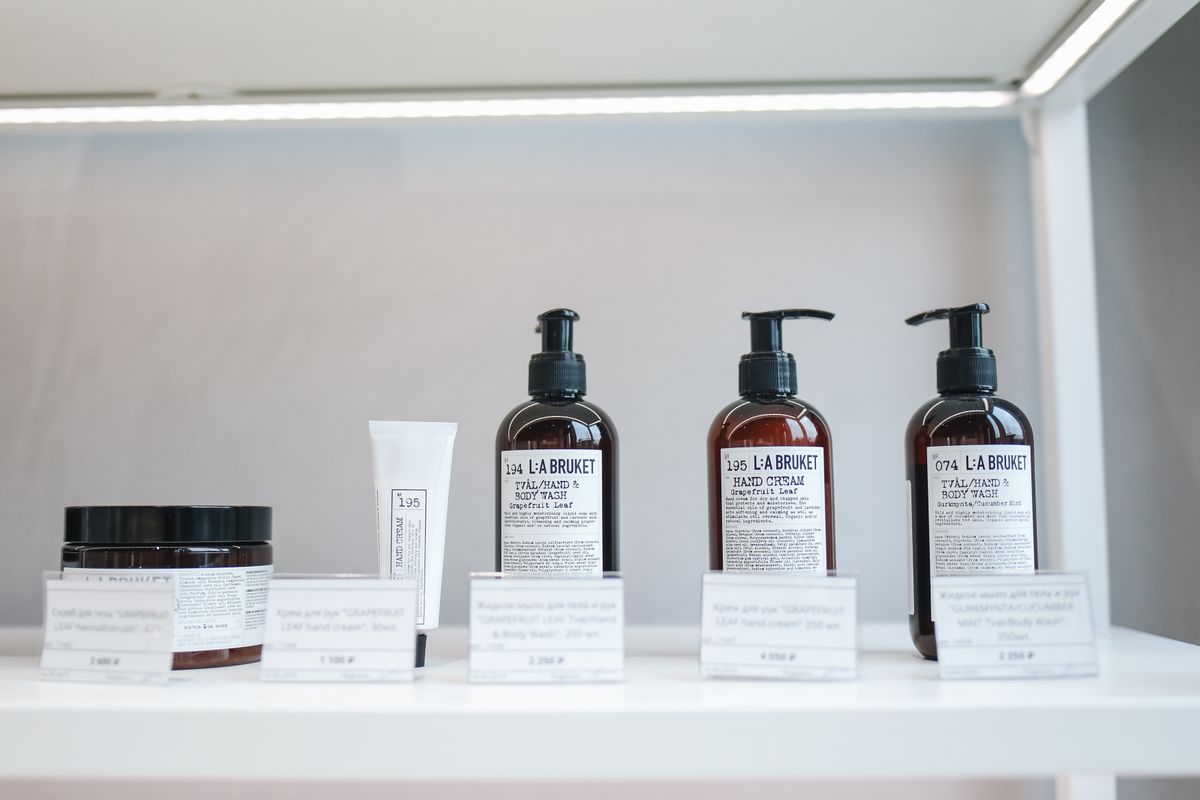
First, the honest filter: this question only matters if your practice actually sells physical products. A med spa moving professional skincare. A dermatology office with sunscreen and retinoids. An optometrist selling contacts and solution. A dentist with whitening kits and electric brushes. A wellness or functional medicine clinic with supplements. If that is you, keep reading, because you are almost certainly leaving money on the table. If you are a primary care office that does not stock anything, you can skip this one with a clear conscience.
For everyone else, the short answer is yes, you should sell your products online, and the reason is not the one most owners expect. It is not really about adding a new revenue stream. It is about not losing the one you already have.
Retail is bigger than most owners admit
Start with the size of the prize. Retail product sales commonly make up around 20 percent of med spa revenue, and up to 30 percent at top performing practices, according to figures from the American Med Spa Association. And it is not just volume, it is quality of volume. Retail can carry a profit margin near 40 percent, while many treatments land closer to 10 percent once you subtract consumables, labor and equipment time.
Read that again. The jar of cream can be four times more profitable per dollar than the laser you spent six figures on. Products are not a courtesy you offer at checkout. For a lot of practices they are one of the best margins in the building, and yet most owners treat the retail shelf like an afterthought and never let it leave the four walls of the office.
The retention math is the real story
Here is the part that should change how you think about products entirely. They do not just make money on their own. They make your patients come back.
Med spa educator Terri Wojak has shared numbers that are hard to ignore: clients who buy no products return only about 10 percent of the time. Clients who buy one product return around 30 percent of the time. Clients who buy two products return as often as 60 percent of the time. Same practice, same treatments. The difference is whether the patient walked out with something to use at home.
It makes sense when you think about the patient. Someone using your recommended regimen every morning is invested in the result and is reminded of you daily. Their skin actually responds better to treatment because it is being cared for between visits, which makes your work look better too. Products turn a one time visit into a relationship. That is the same reason we push practices to build recurring touch points in whether a medical practice should offer a membership plan and to think hard about getting patients to book their next appointment before they leave.
So when a patient stops reordering from you, you do not just lose a product sale. You lose the retention that came with it. And most of the time, they did not stop buying. They just found somewhere else to buy.
Your patients are already buying online. The only question is from whom
This is the uncomfortable middle of the story. Search almost any professional skincare or supplement brand on Amazon right now and you will find it listed, frequently below your in office price, sold by accounts the brand never authorized. This is the gray market: genuine or sometimes counterfeit product diverted through unofficial channels, occasionally expired, often stored who knows how. Brands and dermatologists have warned about it for years, and it is easy to explain to a patient in one line, as this plain guide to the gray market does.
Picture what happens. You do a great consult, you recommend a serum, the patient buys one from you. Two months later it runs out. They are on the couch, not in your office, so they do the natural thing and search the name. Up comes a cheaper listing. They buy it, feeling clever. If that bottle is diverted, near expiration or fake, it may underperform or irritate their skin. And who do they blame? Not the anonymous seller. You. The person who recommended it.
The one line version
If you do not sell your products online, your patients do not stop buying them. They just buy them from a stranger on a marketplace, at your expense and sometimes at the expense of their results.
So the choice is not really whether products should be sold online. They already are. The only decision left is whether that online sale goes to you, on genuine product, or to a gray market seller who never treated a single patient.
Won't an online store cannibalize my front desk sales?
This is the fear that keeps owners from doing it, and the data does not support it. The patient who likes buying from your front desk keeps buying from your front desk. Online selling captures a different moment: the reorder that happens at home, weeks after the visit, when the office is closed and the product ran out. That sale was never going to happen at your counter. Without an online option it simply leaks to a marketplace.
The one discipline that matters is pricing. Keep your online prices consistent with your in office prices and with what the brand allows. Some professional brands set minimum advertised pricing and only let authorized accounts sell online, precisely to stop the race to the bottom. Follow those rules and your store protects your margin instead of eroding it. Undercut yourself and you train patients to wait for the cheaper channel.
How to sell online without wrecking your website
Selling products online does not mean turning your practice site into a cluttered shop where the Book Now button disappears under a wall of cream. Your website's first job is still to turn a visitor into a booked patient. The store is a second job layered on carefully. A few ground rules that work:
- Keep booking first. The homepage and every service page should still drive appointments. The shop is a clear section, not the headline. A cluttered store that buries booking is a step backward, which is the whole point of a med spa website built to convert in the first place.
- Sell only what you would recommend. Stock your online store with the exact professional lines you use and trust, not a random catalog. The value is your endorsement, not selection.
- Make reordering effortless. Simple product pages, easy checkout, and a refill or subscription option for the things people use up on a schedule. The reorder should take thirty seconds, or the patient defaults to the marketplace out of habit.
- Confirm you are allowed. Check each brand's online selling policy. Many run authorized reseller or authorized retailer programs and will support you once you qualify. Selling outside those rules can get your account cut off.
- Tie it to your patient system. A refill reminder text when a product should be running low, or a gentle nudge after a treatment, turns a passive store into steady revenue. That only works when your store and your patient communication live in one place.
Dermatology practices have an even stronger case here, since so much of dermatology outcome depends on daily home care. A simple, trustworthy shop attached to a dermatology website keeps patients on real product and on protocol between visits.
Where this fits with how patients shop now
Patients buy the way they buy everything else, on their phone, at night, in a few taps. The practices winning at retail are not fighting that. They are meeting it. A patient should be able to book, message, and reorder from the same place they found you, whether that is your site, your Instagram, or a link in a follow up text. When you post a genuine before and after or a quick provider tip and someone asks what product that is, the answer should be a link, not a phone number and business hours. That is why we treat product content as part of a med spa's social media management, not a separate thing. Loyalty and repeat buying reinforce each other, which is the same logic behind whether patient loyalty programs actually work.
How EtherealMinds sets this up
When we build or rebuild a practice website, we can add a clean online store that sells your genuine products without burying the thing that pays the bills, which is booked appointments. It plugs into the same patient acquisition and retention system that runs your reminders and follow ups, so a patient who bought a product can get a friendly refill nudge before they run out and drift to Amazon. When someone asks about a product after hours, our AI receptionist can point them to the right item and link instead of letting the question go cold overnight.
The goal is not to turn your practice into an ecommerce brand. It is to stop handing a profitable, retention driving channel to gray market sellers, and to make buying from you as easy as buying from a stranger. That is a low effort change with real upside, because the demand is already there. You created it in the exam room.
The honest bottom line
If your practice sells physical products, you should sell them online, not because you want to become a store, but because your patients are already buying those products somewhere and right now that somewhere is often not you. Retail can be a fifth of your revenue at double or triple the margin of a treatment, and the patients who buy come back far more often. Capture the reorder, protect them from the gray market, keep booking front and center, and you turn a flat retail shelf into a channel that keeps compounding. Ignore it, and you keep paying to educate patients who then buy from someone else.
Turn your retail shelf into an online channel
Book a free strategy call. We will look at what your practice sells, whether patients are reordering your brands elsewhere, and how to add a clean online store to a website that still books appointments first. Healthcare only, brand pricing respected, no cluttered shop that scares off new patients.
Book a free strategy call →