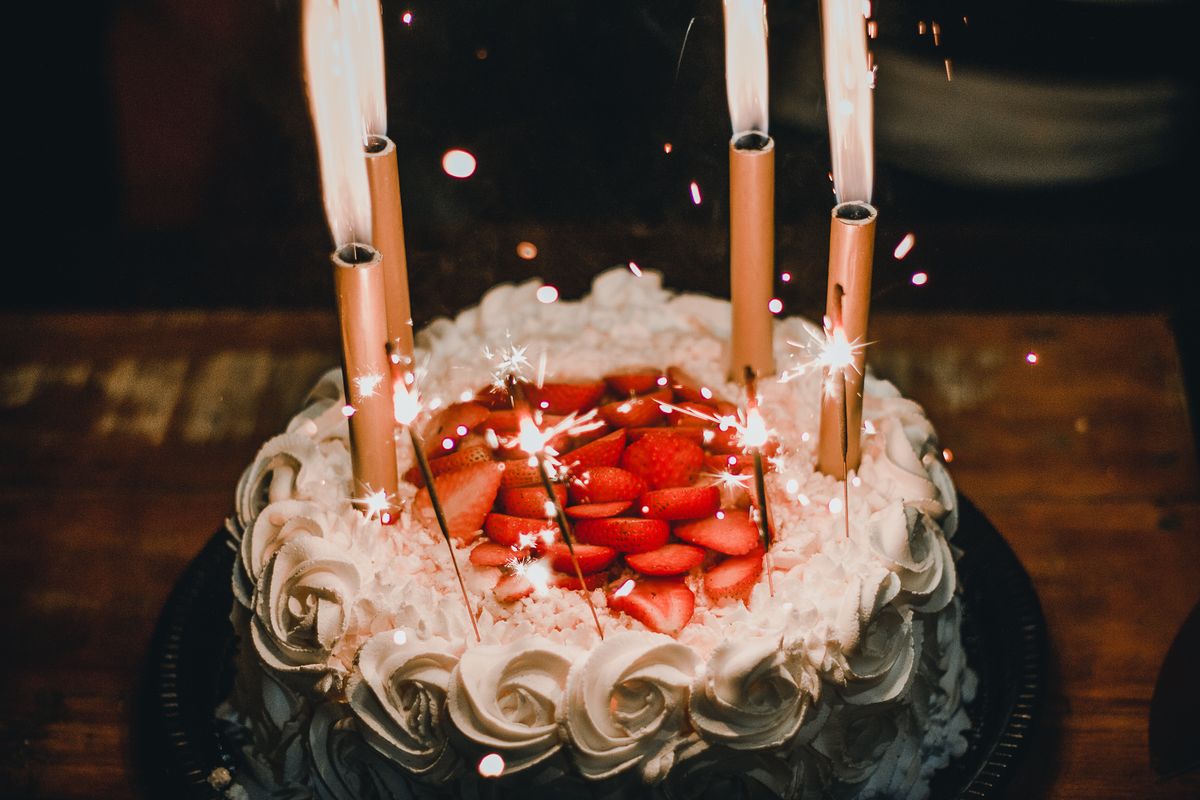
A dermatology office asked us last spring whether birthday texts were worth setting up, or just a cute thing that did nothing. Fair question. It feels fluffy. Nobody books a skin check because they got a happy birthday. So we pulled the marketing data on it, and the answer surprised even us. Birthday messages are not fluff. Across industries they are some of the most opened, most acted on messages a business sends all year. The catch is that most practices either never send them, or send them in a way that feels like a coupon in a greeting card.
Let us walk through what the numbers actually say, why it works, and the line you should not cross.
Why a birthday message works when a newsletter does not
Most of what a practice sends is about the practice. Book now, we added a service, here is our newsletter. A birthday message is the rare one that is about the patient. That flip is the whole reason it works.
Think about the last birthday text you got from a store or an app. You probably rolled your eyes a little, and you also probably opened it. That is the pattern in the data. Birthday emails get opened roughly three times more than regular ones, and marketing analysis has found they can pull hundreds of percent more revenue per email than a standard promotional send, according to MailerLite's roundup of email benchmarks. Personalized, triggered messages like these consistently beat the batch and blast newsletter, because they land on a day the person already cares about.
For a medical practice the goal is not a same day sale. It is memory. Patients drift. Someone loved their visit two years ago, meant to come back, and life got in the way. They are not upset with you, they just forgot you exist. A warm note on their birthday is a gentle tap on the shoulder that says we remember you, with none of the pressure of a marketing blast. We wrote about this exact drift in how to reactivate past patients and leads, and birthdays are one of the easiest, least pushy reasons to reach out.
Text or email? Both, honestly
People ask us which channel wins for birthday messages. The real answer is that they do different jobs.
Text gets seen. Text messages are opened around 98% of the time, and most are read within a few minutes, compared to email open rates that sit closer to 20 to 40% depending on how you count, per Omnisend's SMS benchmark data. If you want the greeting actually seen on the day, text is unbeatable. A short, warm line lands, gets read, and often gets a thank you back. That little two way moment is worth more than any open rate.
Email gives you room. Email lets you write a warmer note, add your team's photo, maybe drop a soft line that they are due for a visit with a booking link right there. It will not all get opened, but the ones that do can carry more.
The move most practices land on: text the greeting because it gets read, and keep it human enough that a reply feels natural. If they text back thanks, your front desk can warmly offer to get them on the books. No script, no push. Just a real conversation that started because you remembered their day. If you are weighing the two channels more broadly, we broke it down in text versus email appointment reminders.
The line you should not cross
Here is where good intentions go sideways. A birthday message works because it feels genuine. The second it feels like a sales pitch in a party hat, you lose the whole effect. A few rules keep it on the right side.
Keep it about them, not about booking
Lead with the wish. Happy birthday from all of us at the office, we hope you get spoiled today. That is the message. If you want to mention that they are due for a cleaning or a check, make it a soft second line, not the headline. Nobody wants their birthday hijacked by a reminder that they owe you a copay.
Do not turn it into a coupon
Some practices slap a 20% off birthday discount on it. For a med spa or a cash service that can work if it is tasteful. For most medical care it cheapens the moment and can raise compliance questions. A genuine greeting with nothing attached actually performs better as a relationship builder, because it asks for nothing. Give first. The visits follow.
Watch HIPAA, but do not overthink it
A birthday greeting is fine under HIPAA as long as it says nothing about the person's health. No mention of their condition, their treatment, or why they last came in. Happy birthday from your dentist is fine. Happy birthday, time for your diabetes follow up is not, because now you have put health information into a text that anyone could glance at. Keep it a warm hello and you are on safe ground. We go deeper on this balance in whether medical practices should text patients at all.
The part nobody tells you: it only works if it is automatic
Here is the honest reason most practices never do this, even though they know it is a nice idea. Nobody has time to check a birthday list every morning and send messages by hand. It works for a week, the front desk gets slammed, and it dies without anyone noticing. A birthday message you send manually is a chore you will drop. A birthday message that fires on its own is a system that runs for years.
That is the whole game. The patient's birthday is already sitting in your records. The message can be written once, sound warm and human, and go out automatically on the right morning to the right person, by text or email, without anyone lifting a finger. Set it up once and it keeps working while you see patients. This is exactly the kind of steady retention engine we build into our patient acquisition and retention system, so the warm touches happen on their own instead of depending on someone remembering. And if a patient texts back, our AI receptionist can carry the conversation and get them booked, even at 9pm on a Saturday.
So, should you do it?
Yes, with a clear head about what it is. A birthday message will not fill your schedule by itself. What it does is cheap, personal, and durable: it keeps you in a patient's mind on a day they are paying attention, it reminds the ones who drifted that you are still there, and it makes your practice feel like a place run by people who notice. Do that a few hundred times a year, automatically, and a handful of those warm moments turn into a booked visit that would never have happened otherwise.
The practices that win on retention are not doing one big flashy thing. They are doing a dozen small, human touches consistently, while the office down the street does none of them. A birthday text is one of the easiest to start with. It costs almost nothing, it is hard to mess up if you keep it warm, and your competitor almost certainly is not doing it.
Want the warm touches to happen on their own?
We set up the birthday messages, the reminders, the reactivation texts and the follow ups so your practice stays top of mind without anyone having to remember. You see patients. The system keeps them coming back.
Book a free strategy call →Frequently asked questions
Is it HIPAA compliant to send patients a birthday message?
Yes, as long as the message says nothing about the patient's health. A simple happy birthday from your practice, with no mention of a condition, treatment, or appointment reason, is fine. The rule of thumb: if the message would embarrass someone reading it over your patient's shoulder, do not send it. Keep it a warm greeting, not a health record.
Should birthday messages go by text or email?
Both work, and using both is fine. Text gets read almost every time and within minutes, so it is best when you want the greeting actually seen. Email gives you more room for a warm note and a booking link. Many practices text the greeting and let the patient reply, since a two way text feels human and lets them book on the spot.
Will patients think a birthday message is a sales pitch?
Only if you make it one. A greeting that just says happy birthday and offers nothing lands as genuine. The moment you bolt on a discount or a hard push to book, it reads as marketing. Lead with the warm wish. If you mention that they are due for a visit, keep it soft and secondary.
Do birthday messages actually bring patients back?
They help. Birthday emails are opened about three times as often as regular emails and drive far higher revenue per message in retail data. For a practice, the win is smaller but real: a warm touch on a personal day keeps you top of mind, reminds lapsed patients you exist, and nudges the ones who have been meaning to book. It is retention, not a slot machine.
EtherealMinds helps independent healthcare practices across the US turn small, human touches into steady patient retention. If your best patients are drifting away without a word, let us build the system that keeps them close.