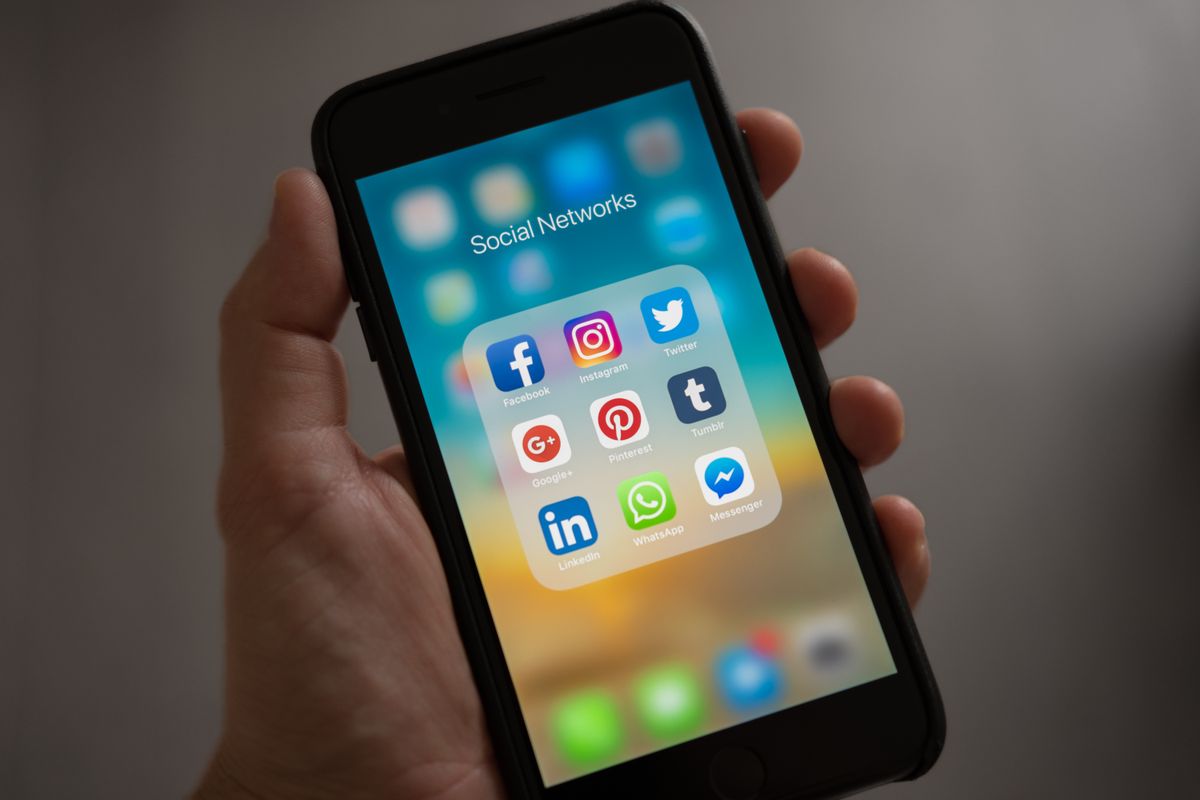
A med spa owner called us a while back, a little frustrated. She had launched a Facebook campaign, seen the big blue button that said Meta would optimize everything for her, and clicked it. Why not. She was doing this at 10pm after a full day of clients, and the promise was simple: let the AI handle it. Three weeks and about 1,400 dollars later she had plenty of likes, a handful of form fills from people three states away, and zero new bookings. The machine did exactly what she asked. She just never told it what a real patient looked like.
This is the tension every practice owner runs into now. Meta pushes its automated ad tools, branded Advantage+, harder every quarter, and the pitch is genuinely tempting when you are busy. So the honest question is not whether the AI works. It is whether it works for a medical practice, and what you have to get right first so it does not just spend fast.
What Advantage+ actually is
Strip away the branding and Advantage+ is Meta's bundle of AI automation for your ads. In a normal campaign, you make a lot of choices by hand: who to target, which placements to use, how to split the budget, which images and headlines to test. Advantage+ takes those decisions and hands them to Meta's system. You give it your creative and a goal, and the AI decides who sees the ad, where it runs, and how the money moves between versions.
This is not a fringe feature. Meta reported that its Advantage+ shopping campaigns grew past a 20 billion dollar annual run rate, roughly double the year before, according to the company's own investor updates. Automation is the direction the whole platform is heading, and Meta says its internal tests show meaningfully better return when advertisers lean on it. Keep in mind that figure comes from Meta itself, and most of that spend is retail and ecommerce, not healthcare. A practice is a very different animal from an online store.
The surprising part: automation actually suits healthcare
Here is something most owners do not realize. Back in 2022, Meta removed sensitive detailed targeting, including nearly all health and medical interest categories. You can no longer target someone because they seem interested in diabetes, or fertility, or hair loss. That door is closed, and it is not coming back.
For years, agencies leaned on those health interests to aim ads. Now that they are gone, hand picking a precise medical audience is mostly off the table anyway. Which flips the usual advice on its head: because you cannot manually build a health audience, letting Meta's AI find likely patients from your creative and your results is often the better path, not the lazy one. The lever that decides everything shifts from a targeting checkbox to the thing you actually control, your message and your offer. If you have ever wondered whether Facebook ads work for medical practices at all, this is a big part of the answer: they work when the creative does the heavy lifting.
So in plain terms, Advantage+ can genuinely help a practice reach bookable patients more efficiently than fiddling with manual targeting. But only after you clear two hurdles that Meta's cheerful interface will never mention.
Hurdle one: the AI cannot save a weak offer
Automation decides who sees your ad. It does not decide whether your ad is any good. This is the single biggest reason practices burn money on autopilot. They hand a bland ad to a brilliant delivery engine and expect magic.
The machine will happily find thousands of people to show a forgettable ad to. If the image looks like a stock photo, the offer is vague, and there is no clear reason to act now, you will get cheap clicks and no patients. That was our med spa owner's real problem. The targeting was never the issue. The ad gave nobody a reason to book. We dug into what separates the two in what makes a good medical practice ad, and it holds double when a machine is doing the distribution. Feed a strong, specific offer into automation and it scales. Feed it noise and it scales the noise.
Hurdle two: the HIPAA trap hiding in the tracking
This is the one that keeps us up at night, and the part almost no owner clicking that blue button is thinking about.
For Advantage+ to learn, it needs data about what happens after the click. That data comes from the Meta Pixel, a small piece of tracking code on your website. Here is the danger: if that pixel sits on the wrong pages, your appointment booking flow, a patient portal login, a page about a specific condition, it can silently send protected health information back to Meta without the patient ever agreeing to it.
This is not hypothetical. An investigation by The Markup found the Meta Pixel installed on the websites of dozens of top US hospitals, in some cases sending sensitive details to Meta. Health systems have since paid multi million dollar settlements over it, and federal regulators at HHS Office for Civil Rights issued formal guidance warning providers about exactly these tracking technologies. A solo practice is not too small to make the same mistake, just too small to make headlines when it does.
The takeaway is not "never run Meta ads." It is that the tracking has to be built carefully: no protected health information in what you send, no pixel on sensitive pages, and a real review of what is being collected before you spend anything. We laid out the fundamentals in HIPAA compliant healthcare marketing and in whether your practice is leaking patient data. If you cannot answer with confidence what your pixel is tracking today, that is the first thing to fix, ahead of any campaign.
The other hidden leak: no follow up
Say you clear both hurdles. Strong offer, clean tracking. There is still a way to waste the whole budget, and it is the most common of all: the leads come in and nobody catches them fast enough.
Advantage+ optimizes toward whatever you tell it to value. If you only feed it clicks and form fills, it gets very good at producing clicks and form fills, whether or not those people ever become patients. Point it instead at real booked appointments and it starts hunting for people who actually book. But that only works if every lead gets a quick response. A form fill that sits in an inbox until tomorrow is a patient who already booked with someone else. Speed is the difference, which is why we keep hammering on how fast you respond to a new patient inquiry. The ad platform can deliver the lead. It cannot pick up the phone.
Our honest take
We are not anti automation. Meta's AI is genuinely good at distribution, and for a busy independent practice it can do work that would otherwise eat your evenings. We use these tools ourselves. What we are against is the fantasy the big blue button sells: that you can hand over money, walk away, and wake up with a full schedule.
Advantage+ is a very fast car with no driver's ed included. In healthcare, the road has extra hazards other advertisers never face, the HIPAA rules, the stripped out targeting, the higher cost of a wrong click. Hand the wheel to the machine with a weak offer, a leaky pixel, and no follow up, and it will get you to the wrong place quickly and confidently. Give it a sharp offer, clean and compliant tracking, and a real system to catch every lead, and that same speed works for you.
So the answer to "should I let Meta's AI run my ads" is: yes, once you have earned the right to. The automation is the last 20 percent. The offer, the compliance, and the follow up are the 80 percent that decides whether the robot spends your money or grows your practice.
How EtherealMinds handles Meta ads for practices
This is the exact work we do. Before a single dollar runs, we build the offer and the creative that give a patient a real reason to book, and we set up tracking the HIPAA safe way, so you get the learning without sending patient data where it should never go. That is the foundation of our healthcare social media and ads work on Facebook and Instagram.
Then we use Meta's automation where it earns its keep, pointed at booked appointments rather than empty clicks, and we make sure the leads it produces never fall through the cracks. Every inquiry gets a fast reply, and our AI receptionist answers the calls that come in after hours and books them on the spot. It all runs inside one patient acquisition system, so the ad, the tracking, and the booking stop being three disconnected things you manage alone at 10pm.
Thinking about running Meta ads for your practice?
Book a free strategy call. We will look at your current setup, check whether your tracking is putting you at HIPAA risk, and tell you honestly whether Meta ads are the right move for your practice right now or whether your money is better spent elsewhere first. Clear, no pressure.
Book a free strategy call →