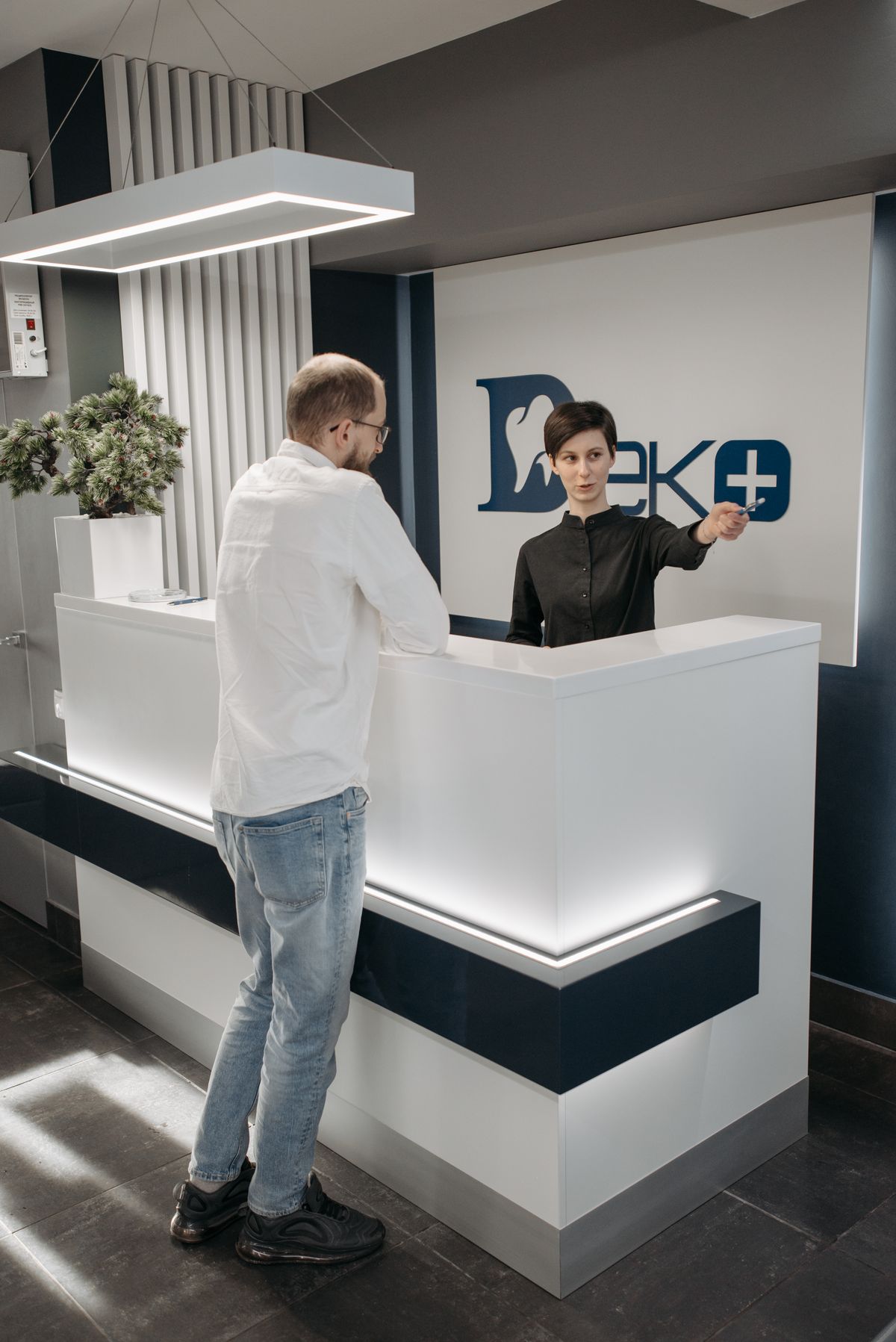
A pediatric dentist told us a story that stuck with us. For years his front desk ran the honest, friendly way most do: finish the visit, hand the parent a card, and say "we'll send you a reminder when the kids are due for their next cleaning." Nice people, good care, and yet every fall he scrambled to fill his hygiene schedule and wondered where half his families went. So he changed one thing. Before any family left, the desk booked the next cleaning right then, six months out, on the spot. Within a year his hygiene chairs stopped emptying out. He did not run a single new ad. He just stopped letting patients walk out the door with nothing on the calendar.
This is one of the least glamorous growth moves in healthcare, and one of the most reliable. Owners spend enormous energy trying to get new patients through the door. Far fewer think about the patient who is literally standing at the desk, done with their visit, and about to leave with no reason written down to ever come back. That ten second window at checkout is worth more than most of your marketing budget, and it costs nothing.
Why the patient in front of you is the easiest one to book
Think about who you are dealing with in that moment. They showed up. They trust you enough to have just let you treat them. They are relieved, they feel cared for, and they have their calendar or their phone right there. Everything about that instant is set up for a yes. Ask "want me to get your next visit on the books before you go?" and most people say sure.
Now picture the alternative. You let them leave, and three or six months later you try to reach that same person. Except now they are a busy adult who does not answer unknown numbers, does not check voicemail, and has fourteen other things on their mind. The exact same patient who would have said yes at the desk is now a phone tag project that often ends in silence. Same person, wildly different odds, and the only variable that changed is when you asked.
The numbers on prebooking
Recurring care is where this shows up most clearly, and dentistry has studied it the hardest. The healthy target for hygiene reappointment is 90 to 95 percent, meaning almost everyone leaves with their next cleaning already booked. Real world averages tell a sadder story. Industry recall rates commonly sit in the 55 to 65 percent range, so a third to nearly half of patients who are due walk out with nothing scheduled. Only about 60 percent of hygiene patients rebook within a year when they are not prebooked, which leaves roughly 40 percent drifting toward the exit.
That drift has a name and a cost. It is patient attrition, and it is expensive because a lapsed patient has to be replaced with a brand new one, and new patients are the most expensive appointments you will ever book. When practices commit to prebooking and actually track it, the dental data shows patient retention climbing 10 to 15 percent. That is not a marketing campaign. That is a front desk habit.
The no show math points the same way. Planet DDS reported in 2025 that across roughly 3,400 practices, the average office lost about 7.4 percent of confirmed appointments to no shows and another 15.5 percent to advance cancellations. A prebooked appointment is not immune to that, but a patient held inside your schedule is far easier to save with a reminder than a patient who left with nothing at all. And the broader picture from MGMA is that no shows have climbed back to pre pandemic levels, with well run practices working hard to hold their rate in the 5 to 7 percent range. Every empty slot you prevent at checkout is one you do not have to scramble to fill later. If you want the benchmarks in plain numbers, we broke them down in our guide to what a normal no show rate looks like.
But my care is not recurring cleanings
Fair. Not every practice runs on six month cycles. But almost every practice has a next step, and that is all prebooking needs. A dermatologist has an annual skin check. A cardiologist has a three month recheck. A physical therapist has a course of visits. A surgeon has a post op follow up. A primary care doctor has an annual physical and every chronic condition that needs monitoring. If a patient needs to see you again, and most do, the question is only whether that next visit lives inside your schedule or inside their good intentions.
The trap owners fall into is treating "we'll call you when you're due" as a plan. It is not a plan. It is a hope that your front desk will have a calm afternoon three months from now to work a callback list, reach people who do not pick up, and rebuild demand you already had in your hand. That is the most expensive, least reliable way to fill a schedule, and it runs your staff ragged doing it.
Prebooking and reminders are a team, not rivals
The one honest objection to prebooking is that a date set months out can slip if nobody confirms it. True, so do not leave it naked. Book the next visit at checkout, then let an automated system send text and email reminders in the days before, with an easy way to confirm or move the time. The prebooking holds the patient in your schedule. The reminders hold the date. Practices that do only one of these leak patients. Practices that do both keep their chairs full and their front desk sane. We dug into the details in why following up after a visit is the cheapest growth there is.
How to make prebooking the default
The reason most practices do not prebook is not that they disagree with it. It is that nobody made it the automatic last step of every visit. Here is how to fix that without a big project.
Write it into the checkout script. The provider or the desk closes every visit with the next step out loud: "I want to see you back in three months, let's get that on the calendar now." When it comes from the person who just treated them, it lands as medical advice, not a sales pitch. Make it the norm that no patient leaves the desk without either a booked date or a clear reason they could not set one.
Give the front desk a fallback line. Some patients genuinely cannot commit to a date at the desk. That is fine. For them the desk says, "no problem, I'll put you on our list and we'll reach out." Now they are on a real callback list, not lost. The callback list is your backup, not your main plan.
Let people book the ones you missed on their own time. For the patient who left without a date, or the one who needs to check a work schedule, real time online booking lets them claim a slot at 10pm from the couch instead of playing phone tag with your desk. Prebooking at checkout catches most people. Online booking catches the rest whenever they finally have a minute.
Make the reminder run itself. Prebooking only works at scale if the confirmations are automatic. Set up text and email reminders that go out on their own, so a date booked in August still gets confirmed in November without anyone remembering to do it. This is exactly the kind of thing a patient acquisition and retention system should handle in the background, so your team is not living in the reminder tab.
Catch the after hours booker too. Plenty of your rebooking happens when your office is closed. A missed call at 7pm from someone ready to schedule their follow up should never die in voicemail. Whether it is a live service or our AI receptionist that answers every call and books on the spot, the goal is that a patient ready to commit can always do so, on their schedule, not just yours.
The patients you already lost
Prebooking fixes the leak going forward, but you almost certainly have a pile of patients who already slipped out without a next visit. Those people are not gone. They still know you, still trust you, and are sitting in your practice software doing nothing for next month's schedule. A simple message brings a surprising number of them back: "It's been a while, you're due for a visit, and we've got openings this week." We laid out the whole playbook in how to reactivate past patients and old leads. Do that once to recover the backlog, then let prebooking make sure the leak does not reopen.
Our honest take
If you only change one thing about how your practice runs this quarter, make it this. No patient leaves the desk without their next step either booked or on a real list. It costs nothing, it takes ten seconds, and it beats most of what practices pay for to get new patients, because it keeps the ones you fought to earn in the first place.
There is a reason so many owners feel like they are running hard just to stay in place. They pour money into the top of the funnel while patients slip out a back door nobody is watching. Booking the next appointment before a patient leaves closes that door. The best growth move is often not finding someone new. It is not losing the person standing right in front of you.
Let's stop the leak in your schedule
Book a free strategy call. We will look at where patients are slipping out without a next visit, from checkout habits to missed calls to old patients gone cold, and build a simple system that prebooks, reminds and reactivates on autopilot. No pressure, no jargon, just a clear plan to keep the patients you already earned.
Book a free strategy call →