Short answer: send paid Instagram and Facebook clicks to a dedicated booking page on your website, not your profile. A profile is a feed with no clear next step, so most people who click your ad land, scroll, and leave. In 2026 benchmarks, pages built for paid traffic convert at roughly 12 to 18 percent, while a homepage converts at just 1 to 3 percent, and a profile usually does worse than a homepage because there is no form or booking button at all. The ad gets the click. The page gets the patient.
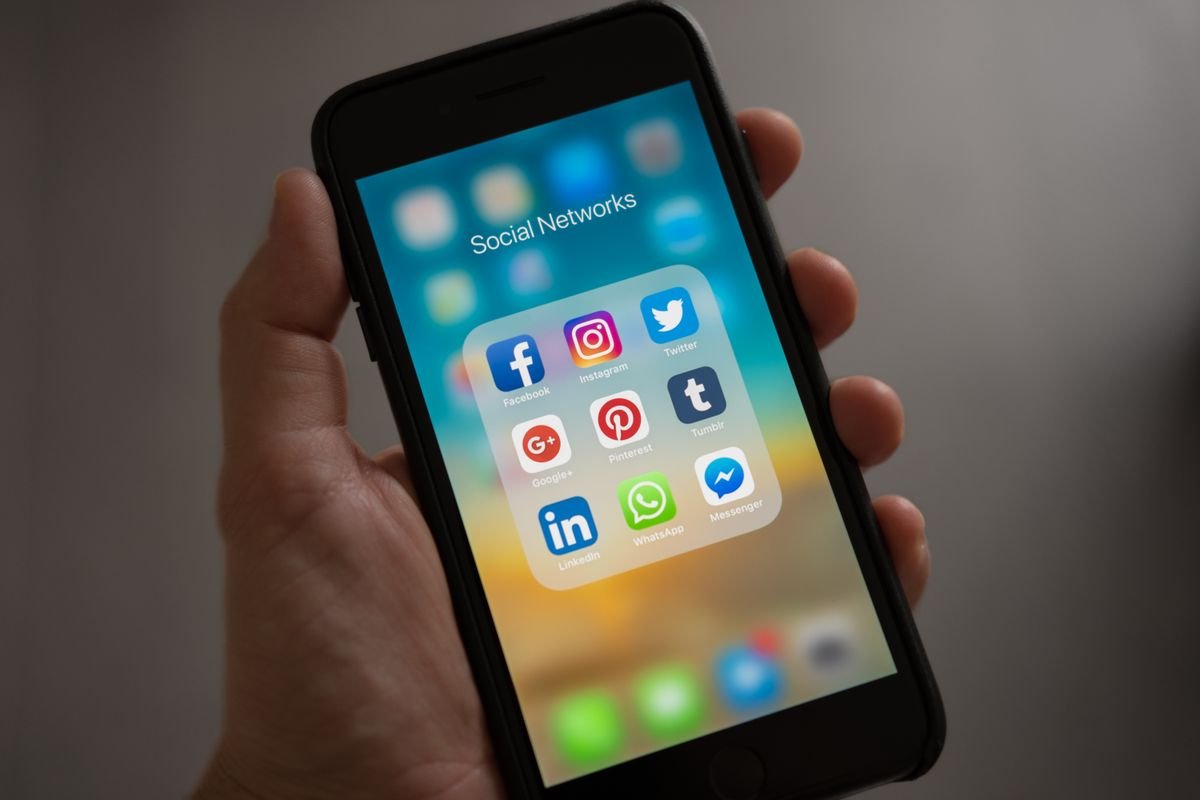
A dermatology practice called us in the spring, frustrated. They had put real money behind a set of Instagram ads for a new laser service. The creative was good, the comments were rolling in, the follower count ticked up. And the schedule barely moved. When we looked at the campaign, the fix took about thirty seconds to spot: every ad sent people to the clinic's Instagram profile. Someone would see the ad, tap, land on a grid of pretty posts, poke around, and drift off. There was no booking button. No form. Nowhere to say yes. They were paying for curiosity and offering no way to act on it.
This is one of the most common and most expensive mistakes we see in healthcare ads, and it is easy to make because it feels natural. You are advertising on Instagram, so Instagram is where you send people, right? But a social profile was built to be browsed, not to convert. If you want the ad to produce booked appointments, the click has to land somewhere with one clear job. Let us break down why the profile loses, what a real booking page does, and the handful of numbers that settle the argument.
Why your profile is the wrong landing spot
Think about what a visitor actually sees when your ad drops them on your Instagram profile. A bio with a few lines. A grid of posts going back months. A link in bio, maybe, that they have to notice, tap, and then navigate. No price. No clear description of the one service your ad was about. No obvious button that says book now. The person came in with a flicker of interest and you handed them a scavenger hunt.
Cold social traffic is already the hardest traffic to convert. These are people scrolling a feed who were not looking for a doctor thirty seconds ago. Industry benchmarks put plain social traffic at some of the lowest buying intent of any paid channel. That is not a reason to skip social ads, it is a reason to make the next step effortless. When you send low intent traffic to a profile with no action, you take the hardest audience to convert and then remove the only tool that converts them. It is the digital version of a booking path that takes too many clicks, except there is no path at all.
What a booking page does that a profile cannot
A page built for the ad does one thing and does it well. It matches the promise in the ad, answers the single question the person had, shows a little proof, and asks for the booking. No menu to get lost in, no history of the practice, no detour. That focus is exactly why the numbers split so far apart.
| Where you send the ad click | What the visitor can do | Typical conversion rate |
|---|---|---|
| Instagram or Facebook profile | Scroll posts, maybe find a link in bio, then leave | Lowest, often a fraction of a percent |
| Your website homepage | Choose among services, hours, about, contact | About 1% to 3% |
| A dedicated booking or landing page | Read one offer and book it, right there | About 12% to 18% |
| Native lead form on the ad | Tap through a pre filled form in seconds | About 8% to 12%, softer leads |
Healthcare, for what it is worth, tends to convert above average when the page is right. One 2026 analysis put the average conversion rate on Meta ads for healthcare around 11 percent on real landing pages. The common thread in every strong number is the same: a page built on purpose for the ad, not a general page and definitely not a feed. If you want the longer version of this argument, we made it in whether a medical practice needs a landing page.
The one exception, and its catch
There is one case where you do not send the click to a page at all: native lead forms, the ones that open right inside Instagram or Facebook and pre fill the person's name and number from their profile. Because there is almost no friction, they convert at a high rate, often 8 to 12 percent. That sounds great, and sometimes it is.
The catch is lead quality and follow up. A form someone taps through in two seconds brings easy leads, but softer ones, people who half remember filling it out an hour later. If nobody calls or texts them fast, those leads die. A Harvard study on web leads found that reaching someone within five minutes makes you many times more likely to actually connect than waiting even thirty. So lead forms are not a set and forget shortcut. They are a tool that only works if you have a system behind it that responds in minutes. Without that, a booking page that pulls fewer but more committed people often wins. This is the same reason we tell owners to decide carefully whether patients should book through Instagram at all.
Does your profile still matter? Yes.
Sending the ad click to a booking page does not mean your profile is useless. Interested people will check it before they trust you, so it should look active and real: recent posts, clear services, a few reviews or results, proof you are legit. Think of the profile as the reference check and the booking page as the front door. Keep both strong, but never confuse the two. One builds trust. The other takes the booking.
The mistake underneath the mistake
Here is the part that stings. When practices send ad traffic to their profile and it flops, they usually blame the ad, or worse, the whole idea of advertising. We hear it a lot: "we tried Facebook ads, they do not work for us." Almost every time, the ads were fine. The destination was broken. We pulled this apart in detail in whether Facebook ads actually work for medical practices, and the pattern is nearly always the same. Good click, nowhere to land, blame the click.
That is why we tell owners the order matters. Before you put a dollar behind a post, make sure there is a fast, focused page ready to catch the people it sends. Pouring ad spend onto a weak or missing landing page is like turning on a faucet over a sink with no drain plug. We wrote a whole piece on this, why you should fix your website before you run ads, because it is the single cheapest way to make every future ad dollar work harder.
How EtherealMinds sets this up
We run ads only for healthcare, and this is one of the first things we fix. We do not point a campaign at your profile and hope. We build the page the ad deserves: a fast, mobile first booking page designed to convert that matches the exact service the ad promotes, with a book now button a thumb always lands on and proof that makes a stranger trust you. Then the social media and ads drive the right people to it, and the whole thing runs as one connected patient acquisition system so nothing leaks between the tap and the booked chair.
And when a lead does come in after hours, which on social is most of them, our AI receptionist answers and books the person right then, instead of letting that hard won click go cold overnight. The ad, the page and the follow up are one chain. Break any link and you pay for clicks that never become patients.
Our honest take
If you take one thing from this: stop sending paid ad traffic to your Instagram or Facebook profile. A profile was built to be browsed, not to book. Send the click to a focused page with one clear action, keep your profile strong as the place people check you out, and make sure someone follows up fast on every lead. Do that and the same ad budget that felt like a waste starts filling your calendar. The ad was probably never the problem. Where it landed was.
Running ads that get clicks but no bookings?
Book a free strategy call. We will look at where your ads send people, whether your booking page is built to convert, and how much of your spend is leaking before the appointment. Healthcare only, no jargon, no pressure.
Book a free strategy call →