A chiropractor we talked to was sure his ads were broken. People clicked, landed on his site, and almost nobody booked. He wanted to shut the whole thing off. So we looked closer. The traffic was fine. The visitors were real and local. They just did what almost everyone does on a first visit: they read a bit, thought "maybe," and closed the tab to get back to their day. He was paying to bring people to the door, then doing nothing when they walked away. That gap, between a curious visitor and a booked patient, is exactly what retargeting is built to fill.
It is also one of the most misunderstood tools in healthcare marketing. Done right, it brings back people who already like you for pennies compared to finding new ones. Done carelessly, it can cross a privacy line that regulators have started taking very seriously. So let us walk through both sides in plain language.
What retargeting actually is, in plain English
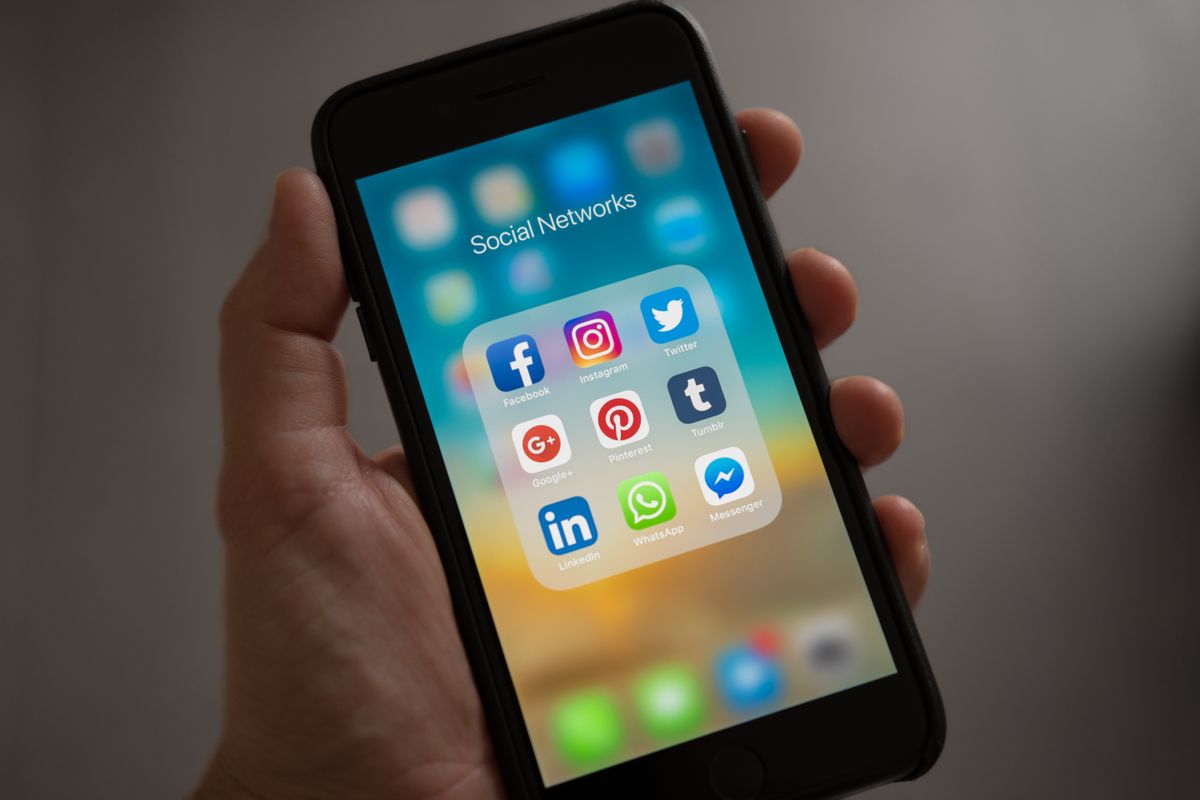
Retargeting, sometimes called remarketing, means showing ads to people who already visited your website or engaged with you online. A small snippet of code on your site notices when someone stops by. Later, when that same person is scrolling Instagram or reading the news, your friendly ad shows up: a photo of your team, a line about new patients welcome, a button to book. It is a nudge aimed only at people who already raised their hand.
Compare that to a normal cold ad. A cold ad is shown to strangers based on where they live or what they seem interested in. Most of them have never heard of you. Retargeting is the opposite. You are talking to a warm crowd: people who searched, clicked, and came to your site on purpose. That difference is the whole point, and it is why the numbers look so different.
Cold advertising is you walking up to strangers at a party. Retargeting is following up with the people who already asked for your card and then got pulled into another conversation. One of those is a much easier sell.
Why it works so well for practices
Choosing a doctor is almost never a snap decision. People compare two or three options, read reviews, check your site at night, mean to call tomorrow, then forget. The interest was real. The follow through just never happened. Retargeting catches them in that window, before they pick the practice down the street or give up entirely.
The data backs this up. Industry studies of retargeting consistently find that visitors who see a retargeting ad are far more likely to come back and convert than visitors who are never reminded, and that retargeted ads get clicked at a much higher rate than standard display ads shown to cold audiences. That makes sense: you are advertising to people who already know your name. Familiarity does a lot of the heavy lifting.
There is a money angle too. A first time visitor is the single most expensive person to reach, because you paid to earn that click. If they leave and you never speak to them again, that money is gone. Retargeting squeezes more out of traffic you already paid for. For a practice on a tight budget, that is some of the highest leverage spending there is. We get into the math of where your traffic goes in why your website gets traffic but no new patients and what a good conversion rate looks like.
The part most articles skip: healthcare has rules
Here is where we have to be honest, because most generic marketing advice ignores it completely. Healthcare is not like selling shoes. When you retarget, you are tracking who visited your site, and in a medical practice the pages people visit can reveal something private about their health. That is exactly where practices get into trouble.
This is not theoretical. In 2023 the Federal Trade Commission took action against GoodRx and against the therapy app BetterHelp for sharing users' health information with advertising platforms like Meta and Google without proper consent. Both paid penalties and were ordered to stop. Around the same time, the HHS Office for Civil Rights warned that tracking pixels placed on pages tied to a specific condition or treatment can expose protected health information, and that hospitals and practices are responsible for what those trackers send out.
The danger is not retargeting itself. It is careless retargeting. Building a custom audience of everyone who visited your "anxiety treatment" page, or your "addiction recovery" page, or any page that signals a health condition, and handing that to an ad platform, is the move that gets practices sued and fined. You have just told a third party advertiser that those specific people likely have that specific condition. That is the line.
The safe way to retarget in healthcare
Keep your audiences general, never condition specific. Retarget people who visited your homepage, your about page, your team page or your general services page, not a single sensitive treatment page. Never send patient names, emails or any record data to the ad platform to build an audience. Keep the message brand level, a warm "we are welcoming new patients" rather than "still thinking about that procedure?" If a campaign would tell an outsider what someone is being treated for, do not run it. When in doubt, stay general and stay safe.
Where retargeting fits with the rest of your ads
Retargeting is not a replacement for everything else. It is the second half of a system. Cold ads and search ads bring new strangers to your door. Retargeting brings back the ones who looked and left. You need both, because retargeting can only work with traffic that already exists. If nobody is visiting your site, there is nobody to bring back.
So the order matters. First, get a steady flow of the right local visitors through search, Google ads and Facebook and Instagram ads. Then layer retargeting on top to catch the leakage. Most practices do the first part, badly or well, and completely skip the second. That is money left on the table every single month. And if you are still tapping the blue boost button on posts, read boost a post or run a real ad first, because boosting cannot do any of this.
The catch nobody warns you about
Retargeting can make your traffic problem look solved when it is not. If your website is slow, confusing, or makes booking hard, retargeting just pays to send the same frustrated person back to the same broken experience. You will spend more and book about the same. The ad is not the weak link, the destination is.
Before you put a dollar into bringing people back, make sure the place you are bringing them back to actually converts: it loads fast, the phone number taps to call, and someone can book in a few clicks without creating an account. A great ad pointed at a bad page is just an expensive way to lose. We build that side too, in websites that convert and rank, because the smartest ad strategy in the world cannot fix a page that scares people off.
Our honest take
Here is where we plant a flag. We think retargeting is one of the most underused tools in healthcare marketing, and also one of the most abused. Underused, because most practices pay good money to earn a visitor and then never speak to that person again, even though bringing them back is cheap and effective. Abused, because plenty of agencies will happily slap a tracking pixel on every page, build condition specific audiences, and never tell you they just put your practice in legal risk to chase a slightly better click.
We do not do that, and you should not let anyone do it for you. The right answer is the boring, careful one: retarget general visitors with a warm brand message, keep sensitive pages out of it, never feed patient data to an ad platform, and point every ad at a page that actually books people. Do it that way and retargeting becomes one of the steadiest, lowest cost sources of new patients you have. Do it carelessly and it becomes a headline you do not want. We wrote more about the privacy side in is your medical practice leaking patient data, because this is the part too many marketers wave away.
How EtherealMinds runs it
When we build a patient acquisition system, retargeting is one small gear inside a bigger machine, set up the safe way from the start. We bring the right local people in with search and social ads, point them at a website built to book, and then use careful, general retargeting to recover the ones who almost called. Audiences stay brand level, sensitive pages stay out of the ad data, and patient records never touch the ad platform. The result is more booked patients from traffic you already paid for, without the privacy gamble. And when those recovered visitors do call, our AI receptionist picks up and books them, so the patient retargeting brought back does not slip away on a missed call.
So should your practice use retargeting? Yes, almost certainly, because right now you are probably paying to meet people once and then letting them vanish. Just use it the way a healthcare business has to: warm, general, and careful with what your tracking knows. Done right, it is one of the cheapest patients you will ever book.
Stop paying to meet patients once
Book a free strategy call. We will show you how many visitors are leaving your site without booking, set up privacy safe retargeting to bring the right ones back, and connect it all to real booked appointments. No condition tracking, no privacy gambles, no vanity metrics.
Book a free strategy call →