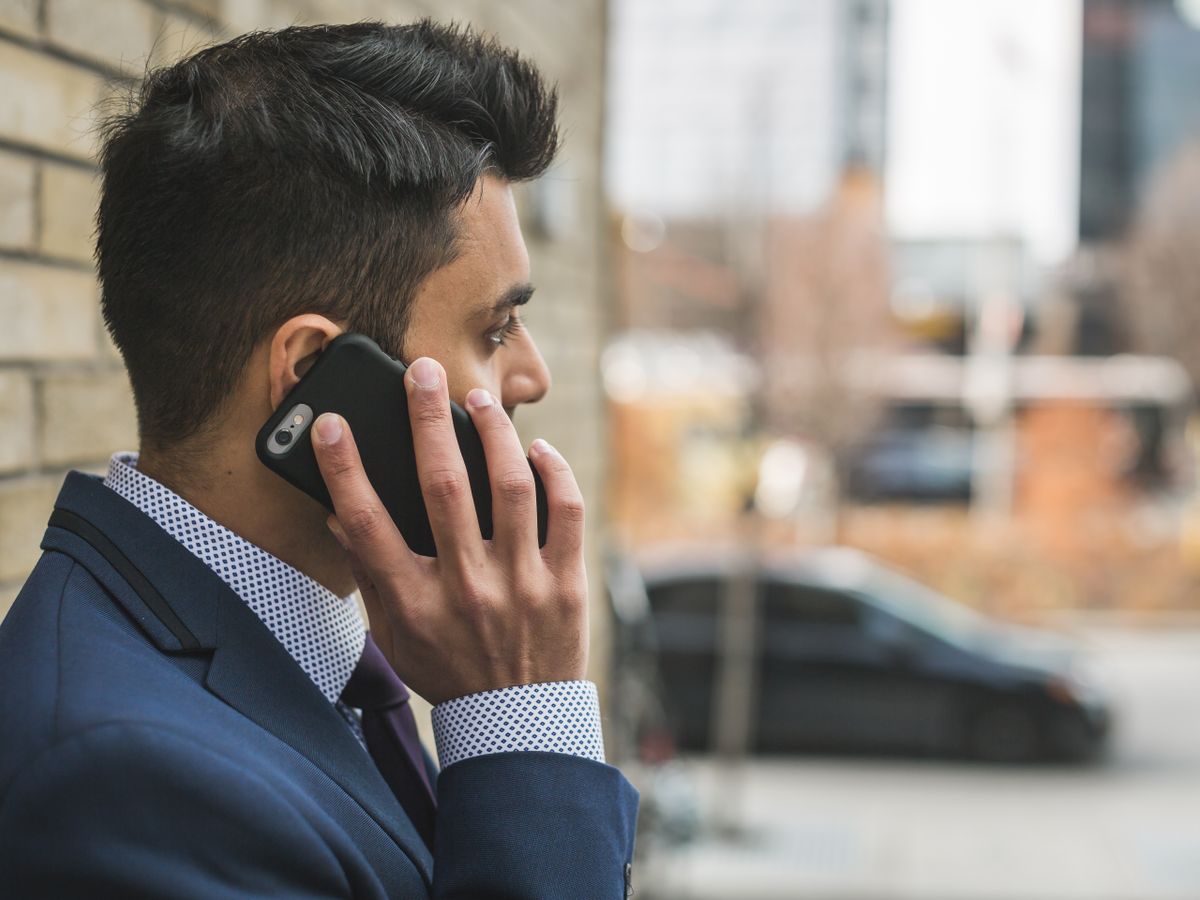
Here is a scene that was science fiction a couple of years ago and is real today. A woman wants a dermatologist for a mole check. She does not open a browser and compare ten websites. She tells Google what she needs, and Google offers to handle the calls for her. Its assistant then phones a few nearby clinics, asks each one whether they take new patients, what a visit runs, whether they accept her insurance, and when they can see her, and it brings back a tidy summary. She picks one and books. She never dialed a single number herself.
That is not a demo. Google launched a feature called Ask for Me that does exactly this, and it is worth understanding before it starts ringing your phone.
Wait, an AI is calling my office?
Google rolled out Ask for Me through its Search Labs program, as covered by Search Engine Journal. You type something like "nail salons near me" or "oil change nearby," and instead of making you call around, Google's AI voice calls the businesses for you, asks about pricing and availability, and hands you the results. It runs on the same technology as Google Duplex, the system that has been making restaurant reservations and confirming business hours for years.
Two details matter for a practice owner. First, every call opens by announcing that it is an automated system calling from Google on behalf of a real person, so your front desk will know what it is talking to. Second, the category list started small, with things like salons and auto repair, and has been growing to cover more local services. Healthcare bookings are an obvious next step, because finding a provider is exactly the kind of boring, repetitive calling that people would happily hand to an assistant.
You can think of it as the phone version of what is already happening in search. We wrote recently about how AI agents are starting to book appointments for patients through websites. Ask for Me is the same idea, but over the phone line you have had sitting at the front desk this whole time.
Why this matters more for you than for a nail salon
When an AI calls a nail salon, the stakes are a manicure. When it calls your practice, the stakes are a patient who could be worth hundreds or thousands of dollars over the years they stay with you, plus every person they refer. And the call it makes is not a friendly chat. It is a shopping call. It is asking the three questions that decide where someone books: can you see me, will my insurance work, and what does it cost.
That changes the game in a subtle way. A human caller might forgive a clumsy hold, call back later, or give you the benefit of the doubt because a friend recommended you. An AI comparing three practices at the same moment does none of that. It writes down what it got from each office and moves on. If your office was busy, or sent it to voicemail, or gave a vague answer, you simply are not in the summary the patient reads. You did not lose a debate. You were never entered.
The brutal math of a call nobody answers
Most practices already lose patients to missed calls, long before any AI got involved. The front desk is helping someone in the lobby, or it is lunchtime, or it is 6:10pm and the phones rolled to voicemail. We have watched this drain schedules for years, and the numbers are unkind.
According to Solutionreach, the large majority of people who hit a voicemail will not leave one, and a big share of those just call a competitor. That is painful when the caller is a nervous human. It is fatal when the caller is an AI running a side by side comparison, because there is no emotion to appeal to and no second chance. A ring that goes unanswered is a column left blank, and the patient only ever sees the columns that got filled in.
The good news: an AI caller is easy to win
Here is the part that should make you optimistic rather than nervous. An AI caller is, in some ways, the easiest customer you will ever have. It is not moody. It does not need small talk. It asks clear questions and it wants clear answers. If you give it a straight price range, a real opening, and a yes on its insurance, it records a clean win for you and reports back a practice that looks organized and ready.
Which means winning the AI call comes down to three unglamorous things:
- Something answers every time. Not a voicemail, not a phone tree that loops, not a "please hold" that stretches to four minutes. A real answer on the first or second ring, at 2pm and at 2am.
- The answers are clear and consistent. New patients, yes or no. Insurance, yes or no. A price range you will actually honor. The next real opening. Said the same way every time, not depending on which staff member grabbed the phone.
- You offer to book right then. Not "we will call you back." The whole point of the AI calling is to finish the task in one shot. If you can book during the call, you win it.
Notice that none of this is exotic. It is the same thing that wins a human caller too. The AI just removes any slack in the system and exposes whether your front desk is actually set up to capture the people trying to reach you.
What your front desk is up against
The trouble is that a human front desk, no matter how good, cannot be everywhere. One person cannot greet the patient at the window, verify an insurance card, calm a worried parent, and pick up on the first ring all at once. Phones go to voicemail at lunch, after hours, on weekends, and during every busy stretch of the day. Those gaps were already costing you patients. Now some of the callers hitting those gaps are tireless AI assistants that call at any hour and never try twice.
This is why the old fix, "we will have the team be better about answering," does not hold up. It is not a discipline problem. It is a coverage problem. You cannot staff a human on the phone for every minute a patient, or a patient's AI, might decide to call.
Where an AI receptionist changes the story
The clean answer to an always on caller is an always on answer. This is exactly the job an AI receptionist was built for. It picks up every call on the first ring, at any hour, and never puts anyone on hold. It gives the same accurate answers on new patient status, insurance, pricing, and openings every single time, because it is reading from the same source instead of from memory. And it can book the appointment during the call rather than taking a message.
When the caller is another AI, that pairing is almost funny in how well it works. Google's assistant asks its three questions, yours answers them instantly and correctly, the slot gets booked, and the summary the patient reads has your practice at the top with a confirmed time. No voicemail, no phone tag, no blank column. The same system also catches the human callers you were already losing after hours, so it pays for itself on ordinary calls long before the AI ones become common.
Answering the phone is only one piece, though. The reason patients, and their assistants, call in the first place is that your listings and your website told them you were worth calling. Making sure the price, hours, services, and insurance an AI reads about you are accurate and consistent everywhere is part of a complete patient acquisition system, not a single widget. The phone is where the patient is won or lost, but the whole path has to line up.
How EtherealMinds thinks about it
We only work with healthcare, so we have a front row seat to how often practices lose patients at the exact moment the patient is trying to give them money. The phone is the leakiest point in most offices, and almost nobody measures it. Owners obsess over ad spend and reviews, then let a third of their calls roll to a voicemail that patients refuse to use. AI callers are going to make that leak impossible to ignore, because they will reward the organized practice and skip the disorganized one with zero sentiment.
A quick story from the trenches. A med spa called us frustrated that a pricey ad campaign "was not working." The ads were fine. We pulled their call logs and found that nearly four in ten calls after 5pm and on weekends were never answered, which is precisely when their target patient, a working professional, was free to call. Those were not bad leads. They were good leads hitting a closed door. We put an AI receptionist on the line to answer around the clock and book on the spot. Same ad budget, same reviews, but the booked consultations climbed sharply within a month, mostly from calls that used to die in voicemail. The campaign was never the problem. The unanswered phone was.
You do not need to fear the AI that calls your office. You need to be the practice that answers it well. Pick up every time, say the same true things every time, and book the visit on the call. Do that and it does not matter whether the voice on the line is a worried patient or their tireless assistant. Either way, you are the one that gets booked.
Make sure every call gets answered and booked
Book a free strategy call and we will show you how many calls your practice misses after hours and at the busy times, then set up an AI receptionist and a full patient acquisition system that answers instantly, gives consistent answers, and books the visit on the spot. Healthcare only, across the United States.
Book a free strategy call →