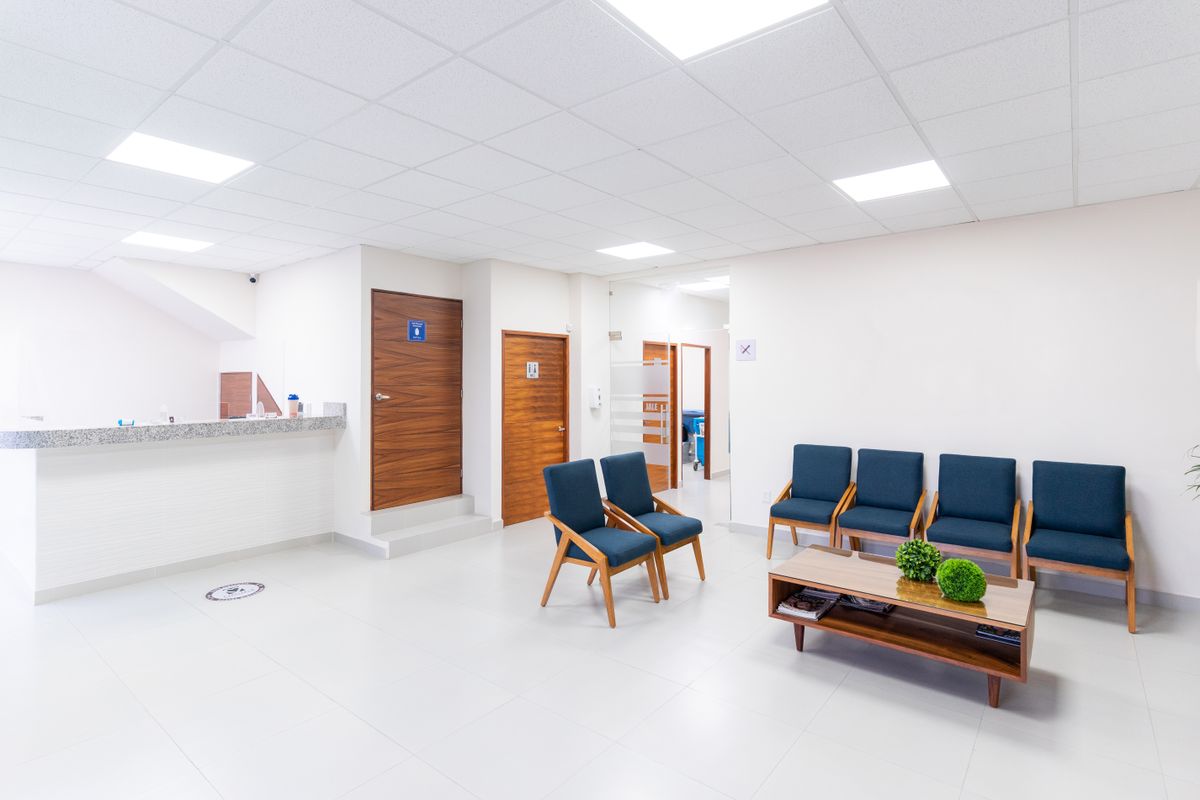
A dermatology practice told us they had a marketing problem. Their ads were pulling plenty of new patient bookings, the cost per lead looked great, and yet the schedule felt soft and revenue was flat. They wanted us to find them even more patients. When we actually pulled their numbers, the story flipped. They were booking new patients fine. They just were not showing up. Nearly a third of first time appointments evaporated before anyone walked through the door.
They did not have a marketing problem. They had a show up problem, and it was hiding behind healthy looking lead numbers. This is one of the most expensive blind spots in a practice, because the no show is not a random patient. It is the one you paid the most to get.
The gap nobody puts on a report
New patients no show more than established ones. That is not a hunch, it is in the research. A study in The American Journal of Medicine found new patients had a higher no show rate than established patients, roughly 17.7 percent versus 15.9 percent overall, and in some groups the spread stretched to 20.2 percent against 15.6 percent. An ambulatory clinic study published in The Health Care Manager put the gap even wider, near 30 percent for new patients compared with about 21 percent for follow ups when visits were booked within 30 days.
Flip that around and it stings. Your regulars, the people who already trust you, mostly show up. The strangers you spent real ad dollars to attract are the ones vanishing. So the money leaks out at the exact point it is most expensive, right after acquisition and right before the first dollar of care.
Why the first visit is the easiest one to skip
Two forces work against you, and they stack.
There is no relationship yet
A regular patient who no shows feels a little guilty. They know your front desk by name, they have a history with the doctor, skipping feels like letting someone down. A brand new patient has none of that. To them you are still a name on a confirmation screen. Skipping feels like canceling on a stranger, which is to say it barely feels like anything at all. The social glue that keeps established patients on the calendar has not set yet.
The wait is too long
This is the big one, and it is measurable. The longer a patient waits between booking and the actual appointment, the more likely they are to no show. A urology practice study found each additional day of lead time raised the odds of a no show by about 2 percent per day. An ophthalmology clinic estimated no shows could fall by nearly 60 percent if every appointment were booked within two weeks. New patients are the ones who get pushed out three, four, six weeks for a first opening. By the time the date arrives, the ache that made them book has faded, or they found someone who could see them sooner. Booking new patients too far out all but guarantees some of them never come, which is exactly why how far out you book new patients matters more than most owners think.
Do this math on your own practice
Pull your last 90 days and split no shows into new versus established. Most owners have never looked at it this way and are surprised by the gap. Now take your new patient no show count and multiply it by the lifetime value of a new patient, not just one visit. That is the number walking out before it ever sat down. For a lot of practices it dwarfs the ad spend that created those bookings in the first place.
What practices with low new patient no shows do differently
None of this requires a bigger budget. It requires closing the gap between the click that booked the visit and the visit itself.
1. See them sooner
If a new patient can get in this week instead of next month, they show up far more often, and they are less likely to shop around while they wait. Hold a few slots each day for new patients. Protecting fast access for first visits is one of the highest return scheduling changes you can make, and it pairs directly with telling people about it in your marketing. A patient who books today and is seen Thursday rarely ghosts. A patient who books today and waits until November often does.
2. Confirm more than once, by text
One reminder the night before is not enough for someone with no history with you. A short confirmation when they book, a friendly nudge a few days out, and a reminder the day before all help, because each one re anchors the appointment. Text is the channel that actually gets read, and reminders in the research cut no shows by 30 to 60 percent. If you are deciding how to reach out, we broke down whether to confirm appointments by text or call, and for new patients, text usually wins.
3. Warm up the relationship before they arrive
You can start the relationship before the first visit instead of waiting for it. A simple welcome message with a photo of the team, where to park, what to bring, and a note that you are looking forward to seeing them turns a faceless booking into a real appointment with real people. It is the difference between skipping a stranger and skipping someone who already said hello. We put together a list of what to send new patients before the first visit that does exactly this.
4. Make moving the appointment a tap, not a phone call
Sometimes a real conflict comes up. When it does, a new patient with no loyalty will not sit on hold to reschedule. They will just not come. If instead they can tap a link and move the visit in ten seconds, you keep them. Online booking and rescheduling turns a would be no show into a simple date change. This is one of the clearest reasons to invest in a website built to convert and book patients rather than a brochure that only lists a phone number.
5. Answer the ones who waver after hours
A new patient who is nervous or second guessing will often reach out the night before with a question, is it covered, where do I go, can I move it. If that message hits a voicemail, the doubt wins and they drift off. An AI receptionist like our Emma answers the call or text the moment it comes in, any hour, reassures the patient, and confirms or reschedules on the spot instead of letting them talk themselves out of showing up. The wobble gets caught before it becomes an empty chair.
Why this matters more in 2026
This is not the year to let paid patients walk. In an August 2026 MGMA poll, 32 percent of medical groups reported higher no show rates so far this year than in 2025, with rising patient costs named as a driver. When patients are more price sensitive and more hesitant, the first visit is exactly where that hesitation shows up. New patients already no show the most, and the current pressure pushes that number higher.
The practices that grow in a market like this are not the ones with the biggest ad budget. They are the ones that keep the patients the budget already bought. Every new patient who shows up is cheaper than the next one you have to go find, and it is almost always cheaper to protect a booking you already have than to replace it.
Where EtherealMinds fits
Practices hire us to bring in new patients, and we do. But we have learned to look at the whole path, not just the click, because a practice that loses a third of its new patients before the first visit is paying twice for every one who finally shows. Pouring more ad spend into that is like topping off a tank with a hole in it.
So when we build a complete patient acquisition system, the first visit is part of the design, not an afterthought. That means online booking that gets new patients in sooner, automatic text confirmations and a warm welcome before they arrive, easy one tap rescheduling, and an AI receptionist that catches the after hours questions and wobbles your front desk never sees. The ads get them to book. The system gets them to show.
Our honest take
If your new patient no show rate is sitting up near 30 percent, more marketing is the wrong first move. You would just be buying more patients to lose at the same leaky spot. Fix the first visit instead. Shorten the wait, confirm like you mean it, say hello before they arrive, and make moving an appointment effortless. Do that and your existing ad spend suddenly works a third harder, because a bigger share of what you already paid for actually walks through the door.
That dermatology practice did not spend another dollar on ads. They opened up fast access slots for new patients, added a three touch text confirmation sequence, and sent a short welcome the day before the first visit. Their new patient no show rate dropped by more than half within two months, from the same bookings they were already getting. The patients were never really gone. They were just waiting weeks in silence, and silence is where new patients drift. Close that gap and the chair stops being empty.
Want to see how many paid patients your schedule is losing?
Book a free strategy call. We will look at your new patient no show rate, your booking lead times, and how your practice confirms and reschedules first visits, show you roughly how much revenue is slipping out after you already paid to win those patients, and map a simple plan to keep them, from faster access to text confirmations to an AI receptionist that catches the after hours wobbles. No pressure and no package pushed on you.
Book a free strategy call →