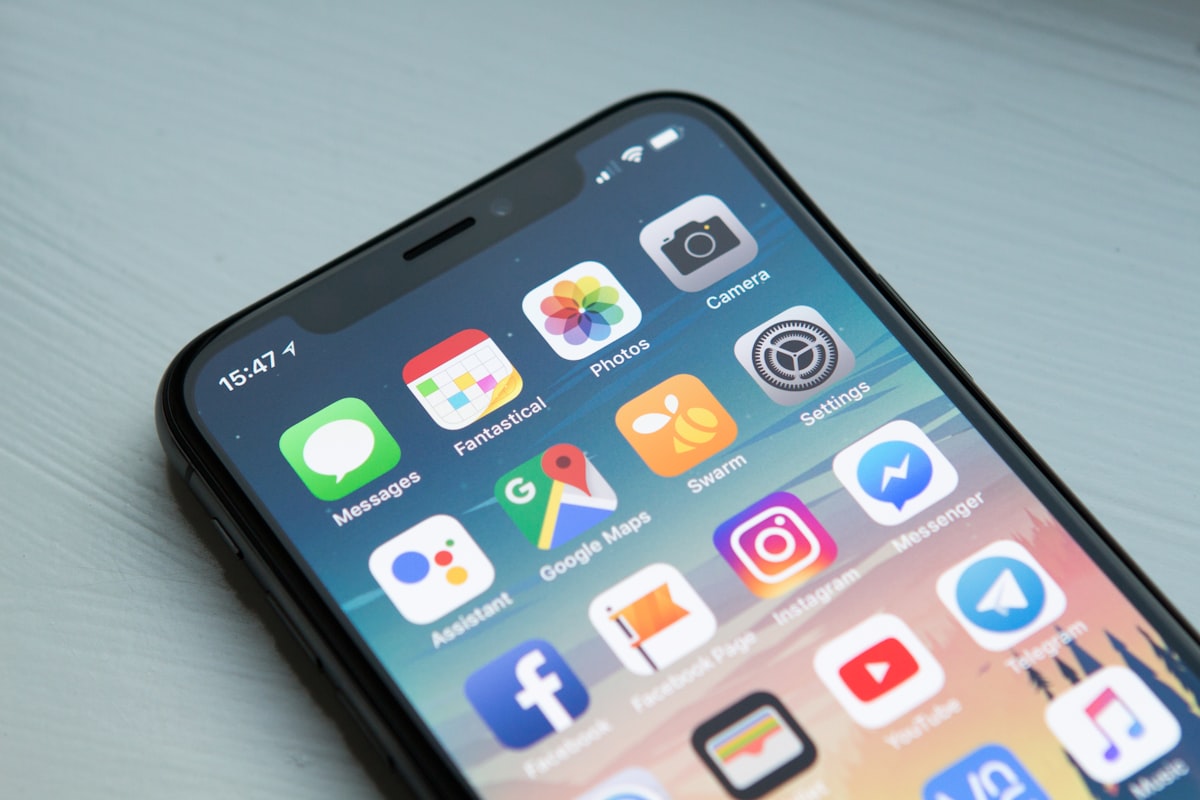
A family doctor we work with told us a story last spring that stuck with us. A woman called on a Tuesday afternoon, got the voicemail because the front desk was slammed, and left a message asking if the practice treated her thyroid issue. Someone called her back the next morning. She had already started a plan through a national telehealth app the night before, from her couch, in about nine minutes. She was polite about it. She just did not need the practice anymore.
Nobody did anything wrong at that clinic. The staff were kind and the doctor was excellent. They just lost to a phone. And this week the gap got wider, because the brands doing this keep getting faster.
What actually happened this week
In its August 2026 weekly rundown, Fierce Healthcare reported that Hims and Hers, the direct to consumer health brand, rolled out a new AI first app. Instead of a menu you tap through, the app is built around an AI that talks to the patient: it answers questions, points them to the right treatment, books the visit, and handles the boring follow up. The AI is the front door, not a buried feature.
Hims and Hers is not a niche startup you can wave off. By its own public earnings reports the company serves more than two million subscribers. That is millions of Americans who now get their first taste of "health care" as an instant, always on, chat first experience on a phone. Whether they are treating hair loss, anxiety or weight, they are being trained, every day, to expect that speed from everyone. Including you.
The real shift is not the app. It is the expectation.
Here is the part practice owners miss. You are not really competing with Hims and Hers for the same patient on the same day. Most of your patients still want a real local doctor they can see in person. The danger is subtler than that.
Every time a patient gets an instant answer and a booked appointment from an app, the bar for what "normal" feels like goes up a notch. Then they turn to your practice, and the experience drops back in time. A phone number that rings during business hours only. A voicemail. A "we will call you back." A website that takes five seconds to load and has no way to book. It is not that your care is worse. It is that the first ten minutes feel like a different decade, and the first ten minutes are where the patient decides.
We have written before about how local practices can compete with online telehealth brands. This is the same fight, one step further along. The brands are not just cheaper or more convenient now. They are teaching your patients that a health question should be answered in seconds, by something that never sleeps.
Why this hits healthcare harder than retail
When patients reach out about their health, they are often anxious, and anxious people do not wait well. A worried parent at 10pm, a man finally ready to deal with his weight, a patient with a lump they are scared to name: these are not people who will happily leave a voicemail and sit with the fear until morning. If the fast option answers and the slow option makes them wait, the fast option wins, even when it is not the better care.
This is why response speed has become one of the most important growth levers a practice has. We dug into the cost of the gap in what happens to the patients who reach you after hours and in how long patients really wait on hold before they hang up. Short version: not long. And when they hang up, the next tap on their phone is a brand that answers.
Good news: you do not need to build an app
When practice owners hear all this, the first instinct is panic, followed by "so do I need my own app?" No. Almost no independent practice should build one. Patients do not actually want another icon on their home screen. They want three simple things: a fast answer, an easy way to book, and to not feel like they are shouting into a machine. You can deliver every one of those without becoming a software company.
1. A fast website with real online booking. Not a phone number and a contact form. A site that loads in a second or two and lets a patient pick a time and book it from their phone at midnight. That single change closes most of the convenience gap with the big brands. This is exactly what we build with healthcare websites that convert and load fast, because a slow site is a booking you already lost.
2. Instant response on calls and messages. This is where the AI first brands win most, and it is where you can catch up fastest. An AI receptionist can answer every call and text the moment it comes in, day or night, tell the patient you take their insurance, answer the common questions, and book the appointment while they are still interested. It gives your practice the same always on feel as the app, except it sends the patient to your real doctor. You can talk to ours live at that link and hear how it handles a patient call.
3. Clean, consistent information so the machines describe you right. More and more patients ask an AI, not a search box, "who treats X near me and are they any good?" If your hours, services and reviews are a mess, the AI guesses, and often guesses wrong. Getting your practice described accurately across Google and chat tools is a core part of the healthcare SEO work we do, and it is what puts you in the answer instead of the national brand.
Put those three together and a solo practice can feel every bit as instant as a two million subscriber app, while offering the one thing the app cannot: a real person, local, who remembers your name. That is a fight you can actually win. The full setup behind it is what we call a patient acquisition system, and it is built for exactly this problem.
What patients are really telling you
When a patient books with a chat app instead of your practice, it is easy to read it as "people just want the cheap, easy thing now." Sometimes. But mostly they are telling you something simpler and more useful: they are ready to act the moment they reach out, and they will go with whoever meets them there. Speed is not the enemy of good care. It is the doorway to it. The AI first brands understood that first. Nothing stops a local practice from understanding it too.
You do not have to match their marketing budget or their app. You have to make sure that when a nervous patient finally decides to deal with their health, at 9am or 9pm, your practice answers. Because right now, for a lot of practices, the honest answer is a beep and a "leave a message." And your patients have stopped leaving messages.
Our honest take
The Hims and Hers app is not the story. It is a symptom. The real story is that the phone in every patient's pocket keeps raising the bar for what fast and easy feel like, and traditional practices are being judged against it without ever agreeing to the contest. You will not out spend the national brands. You do not need to. You need to be reachable, bookable and clear, so that the moment a patient is ready, your practice is the easy yes and the local one too. That is not a tech problem. It is a "does anyone pick up" problem, and it is very fixable.
Want to see where your practice feels slow to a new patient?
Book a free strategy call. We will go through your practice the way a first time patient would, on a phone, after hours, and show you exactly where they hit a wall and bounce to a faster brand. Then we lay out a simple plan to fix it: booking, instant response, the works. Straight advice, built for US healthcare practices, no pressure.
Book a free strategy call →