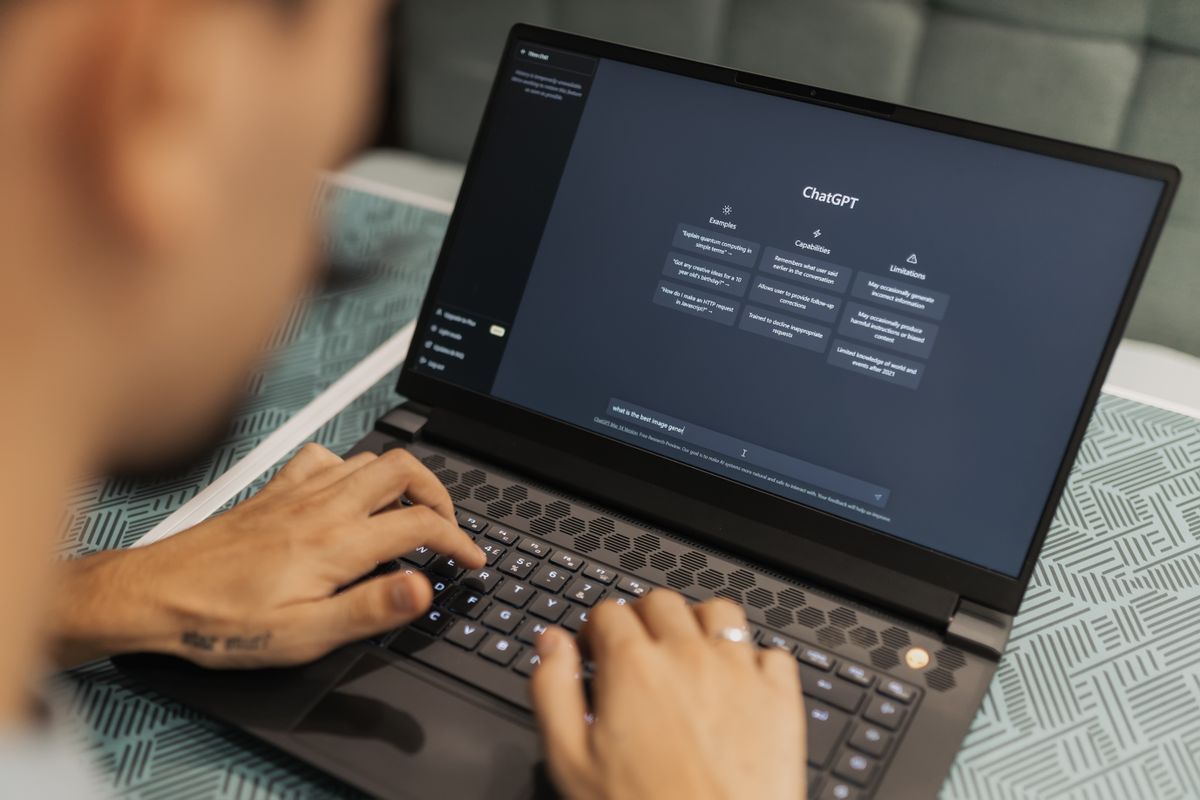
For a while, advertising on ChatGPT was a hypothetical. We even wrote about it earlier this year when the honest answer was still "you cannot buy your way onto that list, not yet." That caveat is now out of date, and it moved fast.
Over 2026, OpenAI rolled ads into ChatGPT in stages. Testing started early in the year, a self serve Ads Manager opened to advertisers mid year with no minimum spend, and by late summer a very different kind of campaign showed up. Search Engine Roundtable and other trade outlets reported a new Agent campaign type where clicking the ad does not send you to a website at all. It opens a conversation with a business specific AI agent.
That one detail is the whole story. So let us unpack what it actually means for a practice owner, minus the hype.
What makes these ads different from Google Ads
Every ad you have ever bought works the same way. Someone clicks, they land on a page, and you hope they do the next thing: call, fill out a form, book. There is always a gap between the click and the booking, and patients fall into that gap constantly. They land on a slow page, get distracted, decide to "call later," and never do.
The new ChatGPT agent ads try to delete that gap. According to the reporting, the advertiser's agent is built from a few inputs: a crawl of your website, your list of services, live data tools, and lead forms. When a patient clicks, they do not get a landing page. They get a conversation with an assistant that already knows your practice and can answer objections, explain a service, and book the appointment inside the same thread.
Read that again, because it flips a rule practice owners have lived with for years. The landing page is no longer the finish line. The conversation is. And a conversation only converts if someone, or something, is there to carry it through to a booked appointment the moment the patient is ready.
Why this matters even if you never buy a single ChatGPT ad
Here is the trap. It is tempting to read "ads on ChatGPT" and think the takeaway is "I should go buy ads on ChatGPT." For most medical practices, that is the wrong first move, and probably the wrong second move too.
Start with the obvious wall: healthcare is one of the most restricted categories on every ad platform. Google spent 2026 tightening its health and medicine policies, adding certifications and limiting what consumer health advertisers can target. ChatGPT's ad system will face the same pressures, which means a clean, self serve, do it yourself healthcare campaign is not the simple reality the headlines suggest. If you run a pharmacy or telehealth brand, expect certification hoops. If you run a local clinic, expect the easy button to arrive slowly.
Now the bigger point. Patients are already finding practices through AI for free, in huge numbers, and most offices are not capturing them. In rater8's 2026 Patient Choice Report, 47 percent of patients said they had used tools like ChatGPT or Google AI Overviews to research a provider. The question that pays your bills is not "how do I buy an ad here." It is "when the AI already names a few practices for free, is mine one of them, and can I actually book the patient who shows up?" We went deep on the first half of that in where ChatGPT gets its information about your practice, and it is the cheaper, higher return place to start.
The real lesson of agent ads: speed to booking wins
Even if you ignore the ad platform entirely, the design of these agent ads is telling you where patient behavior is going. People now expect to go from question to booked in one sitting, often late at night, from the couch, without talking to a human until they have to.
That is brutal for a practice whose only way to capture a new patient is a phone line that closes at five. A patient asks an AI at 10pm, gets pointed to three clinics, and books with the one that lets them finish right now. The other two find out they lost a patient they never knew existed. This is the same shift we keep seeing in the data on whether patients can book your practice through ChatGPT: the booking is moving earlier and later, into the exact hours your front desk is dark.
So the muscle to build is not "buy AI ads." It is "respond and book instantly, around the clock." That is exactly what an AI receptionist is for. It picks up the chat or the call the moment a high intent patient reaches out, answers the real questions, and puts the appointment on the calendar while the patient is still interested, whether that is noon on a Tuesday or midnight on a Sunday.
What to actually do right now
You do not need to become a ChatGPT advertiser this week. You need to be ready for a world where patients discover and book you through AI, paid or not. That readiness is unglamorous and very doable.
- Get recommended for free first. Make the open web tell one clean, accurate story about your practice: a complete Google Business Profile, matching name, address and phone everywhere, clear service pages, and steady recent reviews. That is what makes AI name you without you paying a cent, and it is the foundation any future ad spend sits on.
- Close the response gap. If a new patient inquiry can sit until morning, you are already losing the ones who found you through AI. Set up instant response by text and chat, and an after hours path that can actually book, not just take a message.
- Make your website easy for an agent to read. The new ad agents, and the free AI answers, are built partly from a crawl of your site. Plain, factual service pages and an honest FAQ give them clean material to work with. Thin or confusing pages get skipped.
- Treat AI visibility as part of SEO, not a side quest. The same local search and content work that ranks you on Google is what feeds the AI answers. Our view on healthcare search and AI visibility is that they are one job now, not two.
- Wait on paid ChatGPT ads until the basics convert. When healthcare access opens up cleanly, you will want a patient acquisition system that already turns attention into booked visits. Pouring ad money into a leaky funnel just loses it faster.
How EtherealMinds sees it
We work only with healthcare practices, so here is our plain read. ChatGPT ads are real, they are clever, and the agent format is a genuine glimpse of the future. But for the owner of a dental office, a med spa or a therapy practice, the news underneath the news is simpler than "go buy ads." It is that patients now decide and book in the same breath, inside tools your office does not run, at hours your office is closed.
The practices that win the next few years are not the ones who were first to buy a ChatGPT ad. They are the ones the AI already recommends for free, and who can book a patient the instant that patient is ready. Get those two things right and you are not chasing the platform of the month. You are the obvious, available answer, whether a patient types your category into Google, asks a chatbot at midnight, or clicks an ad that opens a conversation. When paid AI ads fully open to healthcare, you will plug in and convert from day one, while everyone else is still fixing their foundation.
Not sure if AI is already sending patients past your practice?
Book a free strategy call. We will check what ChatGPT and Google AI Overviews say about you today, see whether a new patient can actually book you after hours, and map the fastest fixes, so you are ready to win AI driven patients with or without paid ads.
Book a free strategy call →