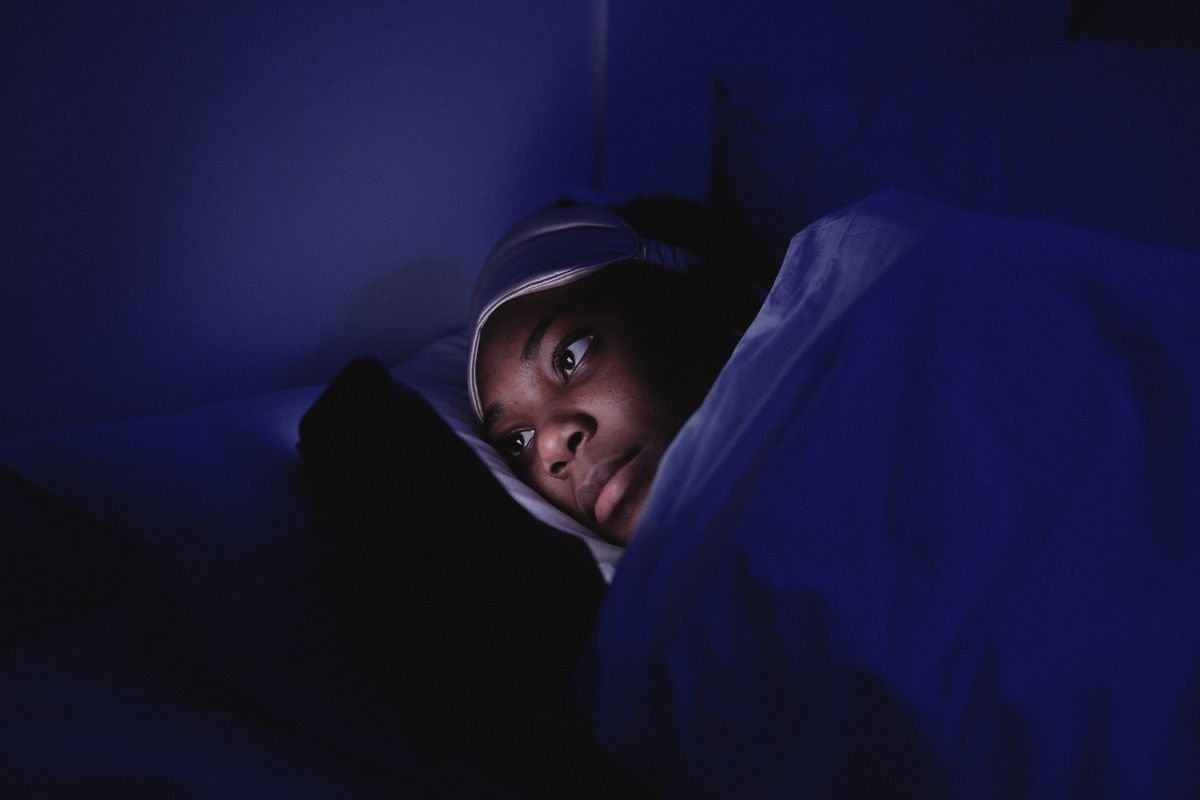
Most practice owners picture a new patient calling during the day: a calm moment at their desk, the office open, a friendly voice on the line. That patient exists. But a bigger group never calls at all, and they are not shopping at noon. They are deciding at night, after the kids are down, after dinner, when they finally have five minutes to deal with the health thing they have been putting off. If the only way into your practice is a phone call between 9 and 5, you are closed at the exact moment half your future patients are ready to act.
That is not a hunch. The numbers on after hours booking are blunt, and they have only gotten stronger. Let us look at when patients actually book, why it is so often the new ones, and what it costs a practice to be unreachable at the moment someone finally decides to pick you.
Close to half of bookings happen when your phones are off
Across 2026 online booking data, roughly 44 percent of healthcare bookings happen after business hours, and once you fold in weekends the share of appointments booked outside normal clinic hours climbs toward 49 percent (2026 healthcare scheduling statistics). Read that again. Nearly one in two bookings happens when a traditional front desk is dark.
This is not just self reported survey noise either. Peer reviewed work out of real health systems shows the same thing. When a Mayo Clinic system let patients self schedule well child visits online, almost 30 percent of those bookings landed outside weekday staff hours, with about one in ten on weekends (Mayo Clinic study, JMIR). At Johns Hopkins, among patients who scheduled their own mammograms, 35 percent chose a slot outside the 8 to 5 window (Radiology Business). Different specialties, same story: give people the option and a large chunk of them book when the office is closed.
And when do they do it? The busy window is the evening, roughly 9pm to 11pm. Sunday evening is often the single most popular time to book as people plan their week. In some datasets, about a third of bookings happen at midnight or later. None of that overlaps with a phone line that answers from 9 to 5. The demand is real, it is predictable, and most practices simply are not there to catch it.
The after hours crowd is mostly new patients
Here is the part that should get your attention if you care about growth. In 2026 booking data, about 46 percent of after hours bookings come from first time customers. Your existing patients already know your number and your hours. The person booking at 10pm is far more likely to be someone deciding whether to choose you at all.
Think about how a new patient actually behaves. They are not loyal yet. They are on their phone comparing two or three options, reading a few reviews, glancing at your site. The moment they feel ready, they want to lock in a time. If you let them, you win. If your site says "call us during business hours," they do not set a reminder to call you tomorrow. That urge to deal with it is gone by morning, and they book whoever made it easy tonight. This is the same instant gratification pattern we see everywhere else now, and patients increasingly expect to book a medical appointment on the spot, the way they book a table or a ride.
So the after hours gap is not just a convenience issue. It is a new patient acquisition issue. You can spend real money getting someone to your website through ads and search, and then lose them at the finish line because the only door is locked until morning.
What "call during business hours" really costs
Being reachable only by daytime phone has two leaks, and both are expensive.
The first is the patient who tries to call anyway. They dial after hours, hit a voicemail that says you are closed, and hang up. Most people under 40 will not leave a message, and a big share of them simply call the next clinic on the list. We put real dollar figures on this in our piece on what a missed call actually costs a medical practice, and the number surprises most owners. A single missed new patient call can be worth hundreds or thousands over the life of that patient.
The second leak is bigger and harder to spot: the patient who never calls because they expected to book online and could not. They do not leave a trace in your voicemail. They just bounce and disappear. We dug into this exact failure in whether your practice is losing patients after hours, and the honest answer for most offices is yes, more than they think, because the loss is invisible. You cannot miss what you never knew was there.
Now layer on the expectation gap. Around 89 percent of healthcare consumers say online booking is a must have, and about 68 percent say they prefer it, yet only roughly 63 percent of providers actually offer it. Patients have decided. A good number of practices have not caught up. That gap is exactly where you either win new patients or hand them to a competitor who made booking a two tap job.
How to be open when patients are actually ready
You do not need to staff a front desk at midnight. You need two doors that stay open when the office is dark.
Door one: real online booking on your website. Not a contact form that lands in an inbox nobody checks until Monday. Real scheduling, with actual open times, that a patient can complete at 10pm without talking to a soul. This is the single highest impact fix, because it matches the exact behavior the data describes. It only works, though, if the booking flow is fast and the site loads quickly on a phone, since the whole thing is happening on a small screen in dim light. A slow or clunky site undoes the benefit. This is why we treat a website built to convert as the foundation, not a brochure. The job of the site is to turn that late night visitor into a booked appointment, not just to look nice.
Door two: a live answer for the people who still call. Plenty of patients, especially older ones and anyone with a complicated question, still want to talk to someone. When they call after hours and get voicemail, you lose them. This is where our AI receptionist earns its keep: it picks up every call, day or night, answers the common questions, and books the appointment or captures the details so nothing falls through. It is not about replacing your team. It is about making sure 9pm callers get a real answer instead of a dead end. Add two way texting so quick questions like "do you take my insurance" get handled in minutes, and you have covered nearly every way a patient tries to reach you after close.
Put together, these two doors plus texting turn your practice from a 9 to 5 operation into one that is effectively open whenever a patient decides to book. That is the whole point. Meet demand when it actually shows up, not only when it is convenient for the office.
Where EtherealMinds comes in
We only work with healthcare practices in the United States, so this after hours gap is something we see every single week. An owner tells us new patient growth is flat, we look under the hood, and we find a website with no real booking and a phone that goes to voicemail at 5:01pm. The ads are working. The search traffic is there. The patients are showing up at night and finding a locked door.
Our patient acquisition system is built to close that gap end to end. We build the fast, conversion focused website with online booking baked in, we set up the AI receptionist so nobody who calls after hours hits a voicemail, and we wire in texting and follow up so a late night lead actually turns into a kept appointment. The marketing that drives people to you and the systems that catch them when they arrive are the same job, and they have to work around the clock, because that is when your next patients are deciding.
The bottom line
Yes, your patients want to book at night, and the data is not subtle about it. Close to half of healthcare bookings happen outside normal hours, the evening and Sunday nights are prime time, and nearly half of those after hours bookings come from brand new patients who are deciding whether to choose you at all. If your only door is a daytime phone call, you are losing them steadily and without a trace. Put real online booking on your site, give after hours callers a live answer, and let patients reach you by text. Be open when they are ready, and watch how many more of them actually book.
Is your practice losing patients after hours?
Book a free strategy call. We will look at your website, your phones, and your booking flow, and show you exactly where late night and weekend patients are slipping away, plus the fastest way to catch them. Built only for United States healthcare practices.
Book a free strategy call →