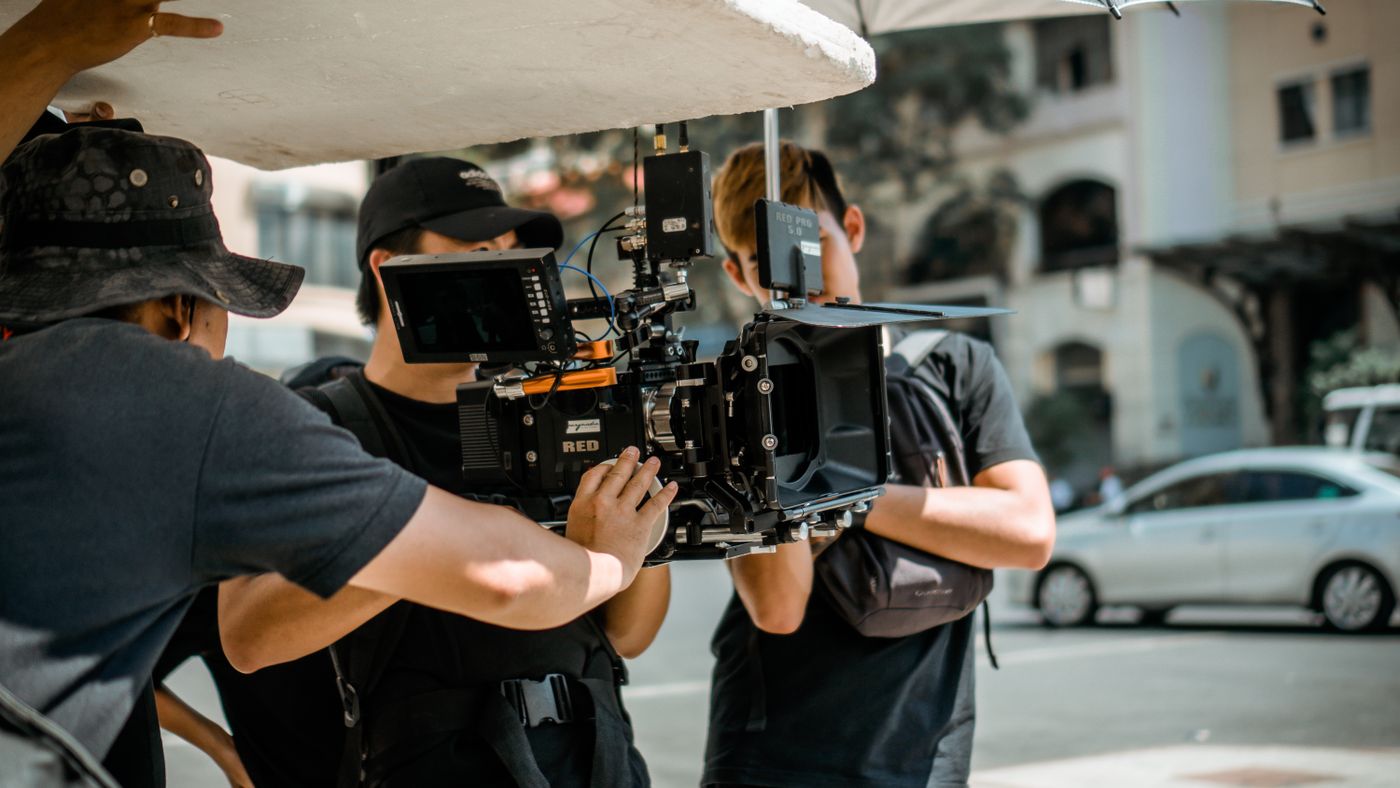
A dermatologist asked us this exact question last month. She had read a dozen articles all shouting the same thing, that video is everything now and photo ads are dead, so she paid a videographer for a glossy 60 second spot, ran it, and it flopped. Meanwhile a plain photo of her front desk with a simple new patient offer quietly booked people. She was confused, and honestly, she had every right to be.
So let us answer it straight, because the popular advice is missing the part that actually matters. Yes, video is huge, and no, that does not mean your practice should always run video ads. The format is the smaller decision. What you say, who you show it to, and where you send them matter far more than whether the pixels move.
First, the data everyone quotes
The hype is not made up. Video really does dominate how people spend time online. Meta has said Reels and video make up the majority of the time people spend on Facebook and Instagram, and the company reports hundreds of billions of Reels plays every day across its apps. People are watching, a lot.
Marketers noticed. In HubSpot's annual marketing research, short form video has ranked as the format marketers say delivers the highest return on investment, and the one the most of them keep investing in. So when you hear "video wins," there is real weight behind it. If you never use video at all, you are leaving reach on the table.
Here is the catch. Those numbers describe how people spend time and what marketers report on average, across every industry from sneakers to software. They do not say that a video ad will book more patients for your clinic than a photo ad will. Averages hide the cases where the opposite is true, and healthcare is full of those cases.
Where video genuinely wins for a practice
Video earns its reputation at the top of the funnel, when you are reaching people who have never heard of you. Two things happen there that a still image cannot pull off as well.
First, motion stops the scroll. A moving image buys you the half second of attention you need before someone flicks past. Second, and this is the big one for healthcare, video builds trust fast. A patient choosing a med spa, a surgeon, or a therapist is deciding who to trust with their body or their mind. Fifteen seconds of the actual provider talking, warm and human, does more for that decision than any polished photo. They hear the voice, read the face, and feel the vibe of the place before they ever call.
That is why a simple talking to camera clip, a short walkthrough of a calm, clean office, or a real before and after with a plain explanation tends to outperform stock imagery for cold audiences. If you run a visual, high consideration service, this is where a little video goes a long way. It is the same reason we push clinics toward showing real faces, which we covered in whether the doctor's face should be in your ads.
Where a plain photo still beats video
Now the part the hype articles skip. Photo ads are far from dead, and in a few spots they are the smarter choice.
- Retargeting warm audiences. Someone already visited your site or watched your video. They know who you are. Now they need a nudge, not another introduction. A clean photo with a clear offer and a Book Now button often closes better and costs less to make.
- High intent, ready to book. When you are reaching people actively searching for your service, they want the facts fast: what you do, where you are, the price or the offer, how to book. A crisp image with tight copy delivers that instantly, no waiting for a video to get to the point.
- Speed and volume. You can make and test ten photo variations in the time it takes to shoot one video. Fast testing finds your winning message quicker, and message beats format almost every time.
- When the video would be bad. A stiff, over produced, or awkward video actively hurts you. A calm, professional photo never embarrasses your brand. If you cannot make a genuine video, a good photo is the safer bet.
We see this constantly. A practice assumes it needs cinematic video, spends weeks and real money on it, and gets beaten by a same day photo ad with a sharper offer. The lesson is not "photo is better." It is that format was never the lever they thought it was.
The rule that actually matters
Stop asking "video or photo" as if one is universally right. Ask "what is the job of this ad, and who is seeing it." Match the format to the moment.
For cold audiences who do not know you, lead with video that builds trust and stops the scroll. For warm audiences and high intent searchers, a clean photo with a strong, specific offer usually wins. Run both, send them to the same well built landing page, and judge them on one number that counts: cost per booked patient. Not views. Not likes. Booked patients. Views feel good and pay nothing.
And if you do make video, keep it simple and honest. The best healthcare video ads are not commercials. They are a real provider, decent light, a steady phone, and 20 seconds of truth. Design it to work with the sound off, since a large share of people watch on mute, and put captions on everything. You do not need the crew in that photo above. You need to be believable. This is the heart of how we approach social media and ads for aesthetic practices, where trust does the selling.
The mistake that sinks both formats
Here is the uncomfortable truth. Most practices agonizing over video versus photo are polishing the wrong thing. The ad is maybe a third of the job. The other two thirds are where the money is actually won or lost.
Send a beautiful video ad to a slow, confusing homepage and you paid for a click that goes nowhere. Get a photo ad to generate a call and let it ring to voicemail at 6pm and you paid to reach someone who just booked your competitor instead. We wrote a whole piece on how boosting posts wastes money for the same reason: the creative is not where most budgets leak.
The ads that fill schedules are part of a system. A scroll stopping ad, cold or warm, video or photo. A fast, clear landing page built to book, not just to look pretty. And someone, or something, that answers the instant a patient reaches out, because speed to reply decides who wins the patient. When one of ours calls or messages after hours, an always on AI receptionist answers and books them before the moment cools off. Miss any one of those three and the format of your ad barely matters.
So, what should your practice do?
Use video, but do not worship it. Shoot a couple of simple, honest clips of your provider and your space for cold audiences, since trust is your real product. Keep sharp photo ads with clear offers for warm audiences and high intent. Test both against each other with a fair budget, and let cost per booked patient pick the winner, not the internet's opinion.
Most of all, remember that the ad is the opening line, not the whole conversation. That is how we build campaigns at EtherealMinds, healthcare only, across the United States. We do not fall in love with a format. We build the whole path from the scroll to the booked appointment, then let the numbers tell us what to run more of. That is the difference between spending on ads and actually growing.
Not sure what to run, or why your ads are not booking?
Book a free strategy call. We will look at your current ads, your landing page, and how fast leads get answered, then show you the patient acquisition system that turns clicks into booked patients, whatever the format.
Book a free strategy call →