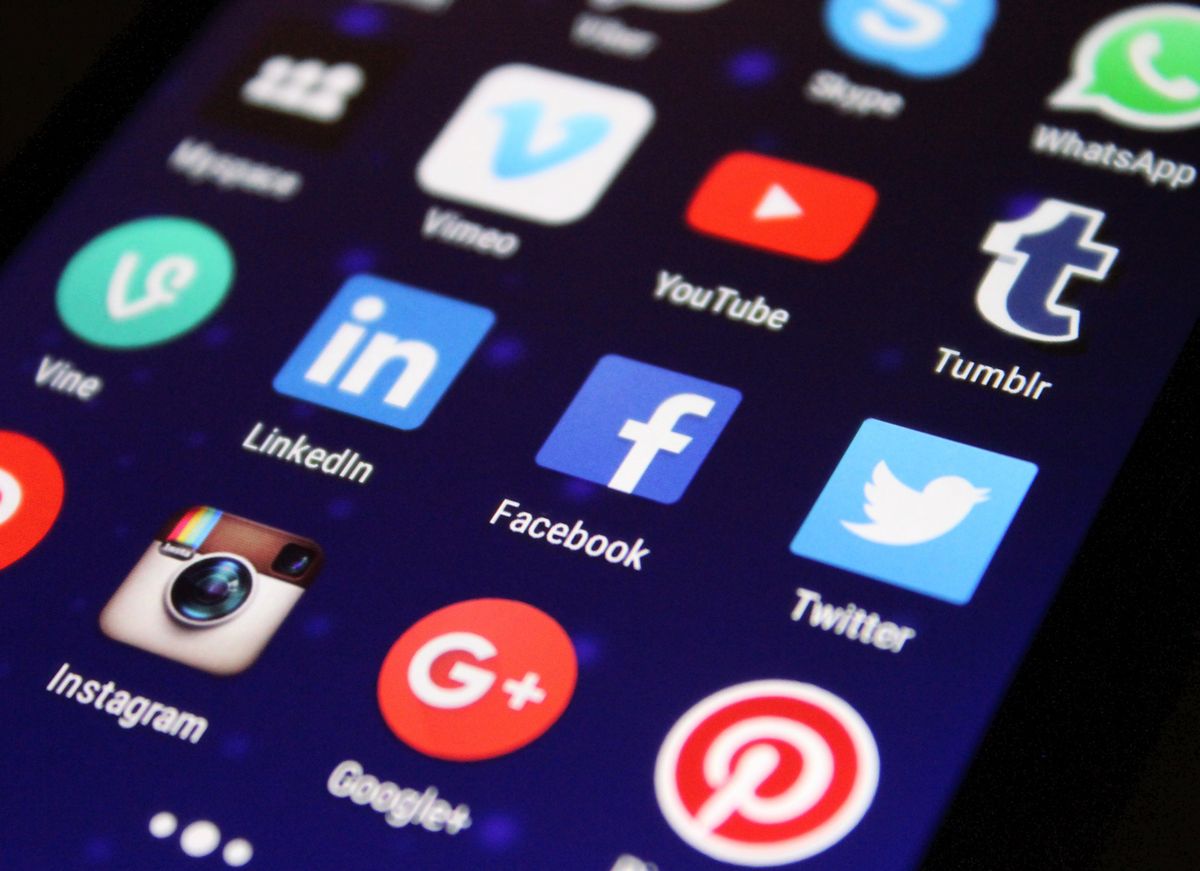
A pediatric group called us last spring, excited. A developer had quoted them a shiny mobile app: booking, reminders, a symptom guide, the works. The parents would love it, they were told. It would set them apart. The quote was north of forty thousand dollars, plus a monthly fee to keep it running. Before they signed, they wanted a second opinion. We asked one question. When was the last time you downloaded an app from a business you visit twice a year, and still had it on your phone a month later? Silence. Then a laugh. They did not build the app. They spent the money on a faster website and a phone that finally got answered, and they booked more new patients than an app ever would have.
That is the whole debate in one story. So let us do it properly. Does a medical practice need a mobile app? For the vast majority of practices, the honest answer is no, and the data behind that is not close.
What actually happens to apps after someone downloads them
Here is the number that ends most of these conversations. Across every app category, more than 90 percent of people stop using an app within 30 days of installing it, according to app retention data compiled by Business of Apps. By day 30, average retention across all categories sits around 5 percent. On iPhone it is roughly 3 percent, on Android closer to 2.8 percent. Read that again. Out of every hundred people who download your app, about three still open it a month later.
Health apps are not the exception you would hope for. A 2024 scoping review published in the Journal of Medical Internet Research pulled together studies on health and wellness apps and found a median of about 70 percent of users abandoned them within the first 100 days. People install a health app with good intentions, open it once or twice, and move on. There are more than 350,000 health apps in the stores already, and most of them are ghosts.
Now put your practice in that math. You see most patients a couple of times a year. A dentist, once or twice. A dermatologist, maybe for a yearly skin check. There is simply not enough regular contact to keep an app alive on someone's phone. It gets buried in a folder on the last screen, next to the airline app they used one time in 2023.
The download is the wall, not the welcome mat
Think about the person you most want to reach: someone who found you an hour ago and is deciding whether to book. Asking that stranger to visit an app store, search for your app, download it, wait for it to install, then create an account, all before they can pick a time, is not convenience. It is a series of walls. Every extra step loses a share of people, and a new patient who has not met you yet has almost no reason to clear them. They will just book with the next office whose website let them do it in a minute.
This is the same mistake we see when practices hide booking behind a login. We wrote about it in why patients abandon your online booking form, and forcing a download is that mistake with an extra flight of stairs bolted on. An app can only help a patient who already chose you. It does nothing for the stranger you are trying to win, and strangers are where growth comes from.
What an app really costs, honestly
The sticker price is only the start. A custom app usually runs from tens of thousands of dollars to build, and that is the cheap part. Then come the ongoing costs that never stop: yearly app store fees, security updates, bug fixes, and a rebuild every time Apple or Google changes their rules, which they do often. If your app touches patient health information, you also inherit a real security and compliance burden. Miss an update and it breaks. Ignore it and it gets pulled from the store. An app is not a thing you buy. It is a pet you feed forever.
Compare that to a well built website that converts. It reaches every patient on every phone with no download, it shows up in Google and in AI search, and it costs a fraction of an app to build and keep current. For the money a single app would eat in its first year, most practices could fix their website, run local ads, and cover their phones. The return is not close.
The simple test before you build anything
Ask what the app would do that a fast mobile website cannot already do better. Book an appointment? A website does that with no download. Send reminders? Text messages reach people far more reliably. Share results? That is what your patient portal is for. If the honest answer is "nothing a website cannot do," you have your answer, and you just saved forty thousand dollars.
What patients actually want instead
Patients are not asking for your app. They are asking to reach you without friction, on the phone that is already in their hand. Here is where that same budget does real work, and none of it requires anyone to download a thing.
A website that opens fast on a phone
Most of your traffic is on mobile, on cell data, in a parking lot or on a couch. If your site takes more than about three seconds to load, most people leave before your homepage even appears. That is Google's own finding, and we broke it down in how website speed affects patient bookings. A fast, mobile friendly site is the app most patients actually want, and they never have to install it.
Online booking with no account required
The single highest value upgrade for most practices is letting anyone grab an appointment in under a minute, no login, no download. Many patients now prefer to book this way, and a lot will only do it if it is truly frictionless. We covered the tradeoff in whether patients prefer to book online or call. The answer for a growing slice of them is: let me just tap a time.
Text messages, not app notifications
When you need to reach a patient, meet them where they already are. People read texts within minutes. They ignore app notifications from a doctor they see twice a year, if they even still have the app. Reminders, confirmations, a note that results are ready, a quick follow up. A text lands. An app badge does not.
A phone line that always gets answered
None of the tech matters if the phone rings out. Studies of medical offices find a large share of calls go unanswered during business hours, and most people who hit a voicemail simply call the next practice. No app fixes that, because the patients you are losing are not in an app, they are on hold. If your calls slip through, our AI receptionist answers every one, around the clock, and books the appointment on the spot.
The portal you already have, for records
For records, results, and secure messages, the patient portal built into your health record system already does the job, and federal rules push you to offer it. That is a different tool for existing patients, and we covered where it helps and where it hurts in whether your practice needs a patient portal. It is not a reason to build an app on top of it.
When an app actually does make sense
We are not saying apps are never worth it. We are saying they are a retention tool, not a way to find new patients, so the math only works when you have a lot of ongoing, high frequency contact. If patients interact with you almost daily, an app can earn its keep. Think a membership or concierge practice, a medically supervised weight loss program with daily tracking, remote monitoring for a chronic condition, or a large group with thousands of active patients logging in constantly. In those cases the app serves people who already chose you and come back often.
Even then, prove the demand before you spend the money. Run the feature as a web tool first. See if patients actually use it week after week. If they do, an app might be a smart next step. If they do not, you just learned the cheap way that the app was never the thing holding your practice back.
Our honest opinion
Here is where we plant a flag. The app pitch sells a feeling: modern, cutting edge, serious about technology. But being good at healthcare and being findable and easy to book are the skills that actually grow a practice, and an app helps with neither. We would rather see a practice spend nothing on an app and everything on the open front door, because that is where new patients are won and current ones are kept.
So if a vendor is quoting you tens of thousands of dollars for a branded app, ask them the plain question: how many new patients will this book that a fast website would not? If they cannot answer with a straight face, keep your money. Put it into a site that loads fast, booking a stranger can finish in a minute, texting that actually reaches people, and a phone that never goes to voicemail. That is the stack that fills a schedule. An app almost never is.
How EtherealMinds thinks about this
When we build a patient acquisition system for a practice, we start from what a new patient does in the real world, on a phone, in about sixty seconds. We build a website that opens fast and converts, wire up booking they can finish with no account, set up texting so reminders and questions actually reach people, and back it all with reception that never drops a call. It reaches every patient, it costs a fraction of an app, and it shows up in Google and AI search where patients are actually looking. No download required, because the best app for your practice is the one nobody has to install.
So, does your medical practice need a mobile app? Almost certainly not. Build the open, fast, password free front door instead, and put the forty thousand dollars where it books real patients.
Skip the app. Build the thing that books patients.
Book a free strategy call. We will look at your website and booking as a brand new patient would, on a phone, and show you exactly where you are losing appointments and what to fix first. No jargon, no forty thousand dollar app, no pressure.
Book a free strategy call →