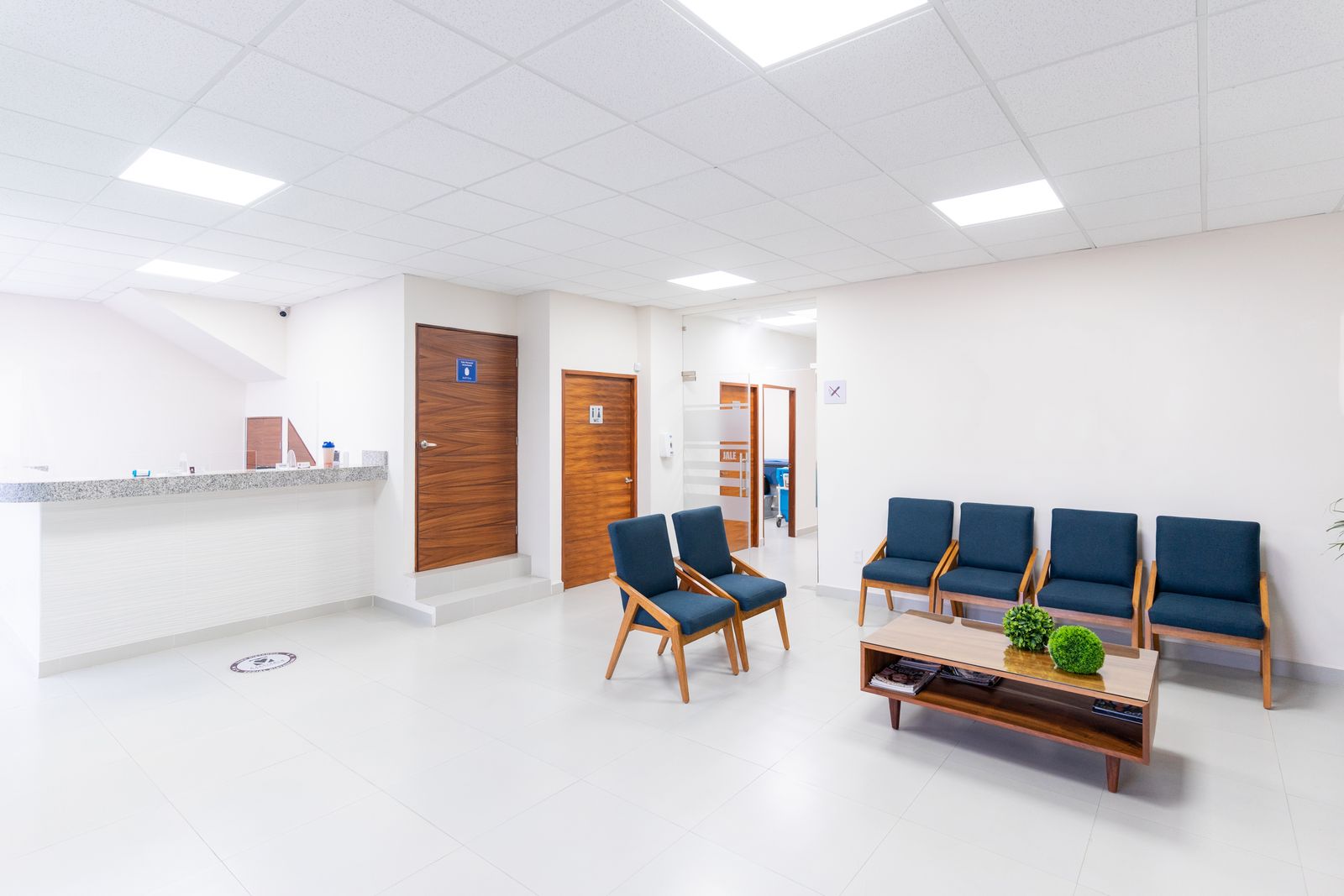
A pediatric dentist told us a story last year that stuck with me. A mom called to book her four year old, then paused and asked, almost apologizing, whether the office was scary. Bright lights, drills, the whole thing. The dentist realized in that moment that plenty of parents were probably wondering the same thing and just booking somewhere else instead of asking. So she got a 360 walkthrough of the office shot and linked it on her Google listing. Colorful chairs, a little play corner, a fish tank. Nothing fancy. But now the answer to that scared question was one tap away, and she never had to give it over the phone again.
That is really what a virtual tour is. Not a tech gadget, not a status symbol. It is a way to answer the question a patient is too polite or too nervous to ask: what am I walking into?
What a virtual tour actually is
A Google virtual tour, sometimes called a 360 tour or a See Inside, is a set of panoramic photos stitched together so someone can pan around the inside of your office the way they already explore streets on Google Maps. It shows up right on your Google Business Profile, in the photos, on both Search and Maps, marked with a little 360 icon. A patient looking you up can step into your reception, glance down the hall, and see the exam rooms without leaving Google. You can also embed that same tour on your own website.
It is different from a video. A video plays what you decide to show, in the order you pick. A tour hands the visitor the controls and lets them wander, which feels more honest, and honest is exactly what a hesitant patient is looking for.
Why it matters more in healthcare than in most industries
For a restaurant, a virtual tour is nice. For a medical practice, the emotional math is different. People are not just curious about your office, they are a little anxious about it. A first visit to a dentist, a dermatologist, a plastic surgeon, a mental health clinic, or an imaging center carries a low hum of dread for a lot of folks. Uncertainty makes that worse. Seeing a calm, clean, modern space ahead of time takes the edge off before they ever get in the car.
There is also the plain competition angle. When someone searches for a provider near them, Google often shows a short list of practices side by side. If yours is the only one they can actually see inside, you feel more real, more open, more sure of yourself. The others are a name and a star rating. You are a place.
Google has said for years that listings with photos and a virtual tour draw about twice the interest of listings without. Interest here means the actions that matter to you: clicks to your site, calls, direction requests, and saves. Surveys of consumers echo it, with a majority saying they wish more businesses offered a way to look inside before visiting. None of that guarantees a booking. But it moves the odds in the exact moment a patient is deciding whether you are worth the call.
The quick gut check
Ask yourself: does a patient feel any nerves about walking into my office for the first time, and are they choosing between me and a similar practice down the road? If both are yes, a tour earns its keep. If patients rarely set foot in your space, or your office genuinely does not show well yet, your money is better spent elsewhere first. A tour amplifies what is there. It cannot invent a nice office you do not have.
Does a virtual tour help you rank on Google?
Here is where we like to be straight with people, because a lot of photographers will sell you a tour as a ranking hack. It is not one. A virtual tour will not, by itself, vault you into the local top three. What actually decides that is a complete and active Google Business Profile, a steady stream of real reviews, accurate and consistent information, and how close you are to the person searching. If you want the full picture on that, we walk through it in our guides on getting your Google Business Profile right and landing in the Google map pack.
What a tour does do is support that whole effort. It adds fresh visual content, it keeps people engaged with your listing a beat longer, and it pairs with your regular photos to make the profile feel cared for. Those are healthy signals, not the main event. Treat the tour as one solid supporting piece of your local SEO, sitting alongside the reviews and the accurate hours that do the heavy lifting.
What it costs, and what it does not
The good news is that this is one of the cheaper things on a marketing menu. For most small practices, a professional 360 shoot of a reception and a few rooms lands in the low hundreds of dollars, as a one time cost, not a monthly retainer. A big multi floor clinic runs more. A Google trusted photographer publishes it straight to your profile without a hassle, which is usually worth the small premium over trying to shoot and upload it yourself with a 360 camera.
What it is not is a subscription you feed every month, and it is not something you redo often. Shoot it once, refresh it when you renovate or move. Compare that to ads, which stop the day you stop paying, and a tour starts to look like a small fixed investment in trust that keeps working quietly in the background. It is the same logic behind good practice photos in general, which is why we always push clients to invest in the right photos on their Google profile before anything flashier.
The honest cases against doing one
We are a marketing agency, so you might expect us to tell everyone to buy the tour. We will not, because for some practices it is a waste.
- Your office does not show well yet. A tour is a spotlight. If the space is dated, cluttered, or cramped, you are advertising the weakness. Fix the room first, or skip the tour and lean on other strengths.
- Patients almost never visit in person. A fully virtual telehealth practice gains little from a walkthrough of an office nobody sits in. Your trust signals live elsewhere.
- The fundamentals are not in place. If your profile is thin, your reviews are stale, or your website is slow, a virtual tour is a coat of paint on a house with no roof. Handle the essentials, then add the polish.
- You would fake it. Staging a space that looks nothing like the real visit sets up a letdown, and a disappointed first impression costs more than no tour at all. Only show what patients will actually experience.
How to make the most of one if you do it
If your practice is a good fit, a few small choices decide whether the tour pulls its weight.
- Clean and light the space like a patient is coming. Because in a sense, thousands are. Tidy the reception, open the blinds, put out fresh flowers if that is your vibe.
- Show the moments that reassure. The friendly front desk, the comfortable chairs, the private consult room, the kids' corner. Skip the supply closet.
- Put it everywhere it belongs. Publish it on your Google Business Profile and embed the same tour on your website, ideally near your booking button, so the reassurance is right where the decision happens.
- Pair it with the rest. A tour next to strong reviews and a fast, clear website is far stronger than a tour sitting alone. Speaking of which, if your site is where patients land after Google, make sure it does not undo the good feeling, which is the whole point of building websites that actually convert visitors into patients.
So, do you need one?
Need, no. Almost no practice truly needs a virtual tour. But for the kind of practice where a first visit comes with a knot in the stomach, and where you are fighting for attention against similar offices nearby, it is a low cost, long lasting way to feel more open and more trustworthy at the exact second a patient is deciding. That pediatric dentist did not double her patients because of a 360 tour. But a handful of nervous parents booked her instead of the office across town, because she was the one they could see inside. In a business built entirely on trust, being the visible one is not nothing.
Not sure where a virtual tour fits in your marketing?
Book a free strategy call. We will look at your Google profile, your reviews, and your website, then tell you honestly whether a virtual tour is worth it for your practice or whether your money should go somewhere with a bigger payoff first. No pressure, no fluff.
Book a free strategy call →