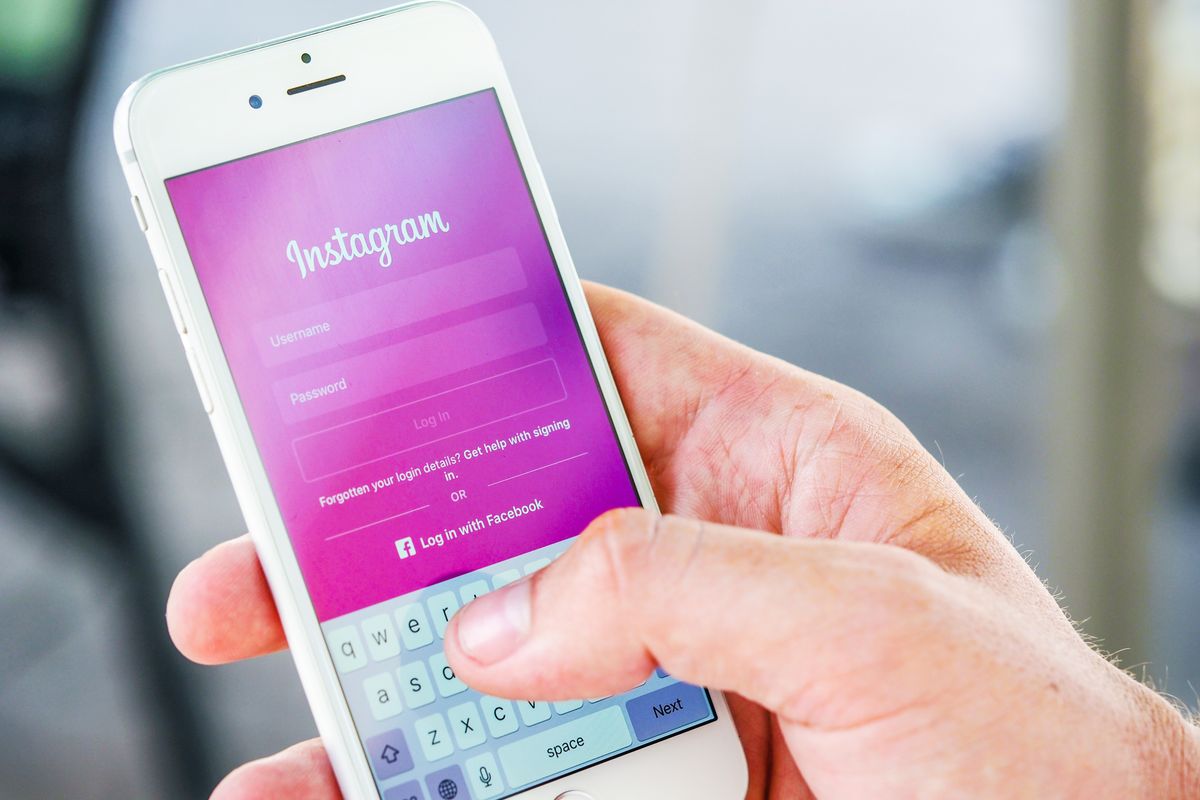
A clinic manager told us something last spring that stuck with us. A new patient walked in, looked around the waiting room, and asked, half joking, "You guys are still open, right? Your Instagram looked kind of dead." The account had one post from the previous summer and nothing since. The practice was busy and doing great. But to a stranger with a phone, the frozen feed said the opposite.
That is the trap with social media that nobody talks about. Every article argues about whether a medical practice needs social media in the first place. Meanwhile the real risk for most practices is not the account they never made. It is the one they made two years ago, posted to for a month, and then let go dark.
People are looking, whether you post or not
Start with the part owners underestimate: how many patients check your social before they ever contact you. According to Sprout Social's consumer research, about 74 percent of consumers look at a brand's social profiles before visiting in person. That is not a niche behavior. That is three out of four people.
Healthcare is no different, and in some ways it is more intense, because choosing a doctor is a trust decision, not a coffee order. In a 2025 survey of more than 1,000 U.S. patients reported by Medical Economics, 35 percent said they had chosen a doctor based on that provider's social media presence, 24 percent named social media as a top influence when picking a new provider, and 18 percent had started researching doctors on social within the past year. Layer that on top of the roughly 84 percent of patients who read reviews before booking, and the picture is clear. People are doing homework on you. Your profile is part of the exam.
Why a dead page beats no page for all the wrong reasons
Here is the uncomfortable part. A patient who searches for you and finds no social account at all barely notices. Some practices are not on social, fine, they move on to your website or your reviews. No alarm bells.
But a patient who finds a real profile with your name, your logo, and a last post from 14 months ago gets a very different message. Human brains fill silence with a story, and the story they tell is rarely flattering:
- "Are they even open?" A frozen feed looks like a business that shut down or is on its way out.
- "Do they care?" If they let their own page rot, what does the front desk look like? What does follow up look like?
- "Is this info even current?" Old hours, an old address, an old phone number, or a since removed service all live on in that stale profile, still sending people to the wrong place.
A blank slate is neutral. A dead account is a negative signal, and it is one you are broadcasting for free, every day, to the exact people who were interested enough to look you up. That is what makes it worse than nothing.
The zombie profiles you forgot you had
It is rarely just one account. A lot of practices have a Facebook page a former office manager set up, a Google Business Profile with a stray photo, a half finished Instagram, maybe a Yelp or a LinkedIn nobody has touched. Each one is a door a patient might walk through. If three of the five are covered in dust, the odds that someone lands on a dead one go up fast. Do a quick audit: search your own practice name in an incognito window and click every result. You will probably meet a zombie or two.
Trust is the currency, and consistency is how you earn it
Social media for a practice is less about going viral and more about proof of life and proof of care. Sprout Social's research found that around 78 percent of consumers say a brand's social presence affects whether they trust it, a number that climbs even higher for younger patients. And it is not only about posting. In the 2025 Sprout Social Index, 73 percent of users said they would buy from a competitor if a brand did not respond to them on social. A patient who sends a message about availability and hears nothing back for a week has already learned something about you.
So the fear that you have to become a content machine is misplaced. You do not need a viral reel. You need a page that looks alive and answers when spoken to. A steady, modest rhythm signals a practice that is present, current, and running. That is the whole job. If you want the deeper breakdown, we covered the cadence question in how often a medical practice should post on social media, and the bigger picture in whether patients check your social media before booking.
How to fix a dormant account this week
You do not need a rebrand or a three month content calendar to stop the bleeding. You need to make your live pages look live and retire the dead ones. In order:
- Pick one or two platforms, not five. Choose where your patients actually spend time, usually Instagram and Facebook for most practices, and commit only to those. One page you can keep current beats a spread of profiles you cannot.
- Fix the facts first. Before you post anything, update the profile photo, bio, hours, address, phone, and the link to book. A stale post is bad. A wrong phone number is worse.
- Make the newest thing recent. Post something real this week, a quick clinic update, a tip, a team photo, a reminder about a seasonal service. Then pin a strong, current post to the top so the first thing a visitor sees is fresh.
- Turn messages on and answer them. Set up notifications so a patient asking "are you taking new patients?" gets a reply the same day, not next month.
- Retire the zombies. For accounts you will not maintain, either remove them or drop one clear note pointing people to where you are active and to your booking link. Do not leave a public page that dead ends.
Then keep a light, honest rhythm. One to three real posts a week is plenty to look present. Consistency, not volume, is what reads as trustworthy. If keeping that up sounds like the thing that will slip again in a month, that is exactly the problem a social media management partner exists to solve, so the page stays alive without stealing time from patient care. And since a lot of those visitors will click straight through to book, it is worth making sure the destination is ready too: a website built to convert with clear booking turns a curious profile visit into an actual appointment.
Our honest take
We are not going to tell you that every practice must be a content studio. Plenty of great clinics grow mostly on reviews, referrals, and a sharp website, and that is fine. Here is the line we will not budge on: if a profile with your name is public, it is speaking for you, and a dead one speaks badly.
So the real choice is not "post constantly" versus "ignore social." It is "keep a small presence genuinely alive" versus "let a ghost account tell strangers you might be closed." The first takes a little steady effort. The second is free and expensive all the same. Given how many patients look you up before they call, letting the page rot is one of the cheapest mistakes to make and one of the easiest to fix.
How EtherealMinds helps
We are a healthcare only agency, so we handle social the way a busy practice actually needs it handled: done for you, consistent, and tied to booked appointments, not vanity likes. Our social media management keeps your profiles current and posting on a steady rhythm, with messages answered so no interested patient falls through. It plugs into the rest of the patient acquisition system we build, from the website that converts the click to the follow up that books the visit, so the people checking you out on their phone actually end up on your schedule. You keep treating patients. We keep the front window looking open.
Turn a dusty profile into a booking machine
Book a free strategy call. We will audit your current social presence, flag the dead pages sending the wrong message, and map a simple plan to keep your profiles alive and pointed at booked appointments, without adding one more thing to your team's plate.
Book a free strategy call →