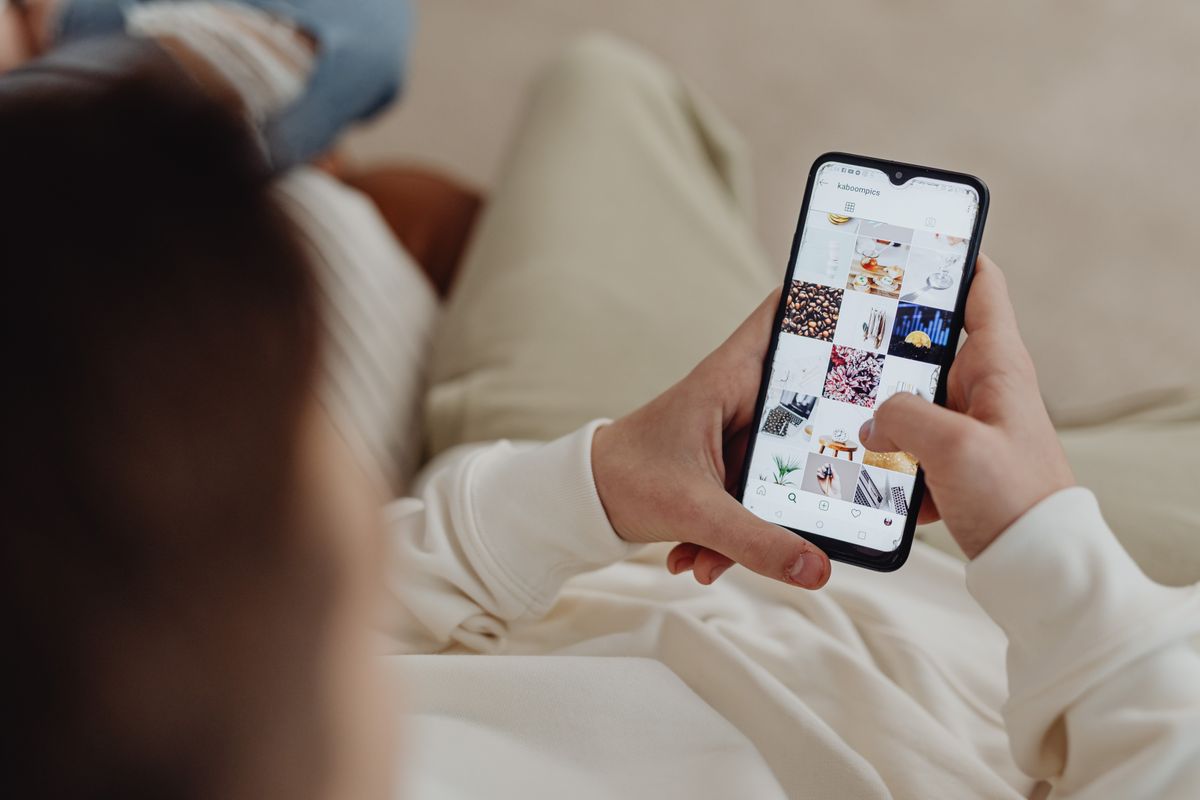
A dermatologist told us last spring that she almost stopped posting entirely. "Nobody comments, we barely have followers, it feels like shouting into the void." Fair. Then we asked her to think about the last few new patients who booked online treatments. Where did they check her out first? She paused and said, "Probably my Instagram, actually. A couple mentioned it at the visit." That is the whole thing in one sentence. The page felt dead to her because nobody was clapping. To the patient, it was a background check.
That is the part owners miss. Your social media is not a stage. For most practices, it is a reference page. Patients are not scrolling it for fun. They land on it for thirty seconds, right before they decide, to answer one quiet question: are these people real, current and safe to trust with my body? Whether you like posting or not, that check is happening. The only choice you get is what they find when it does.
The data: patients look, more than owners think
Start with the number above. In a 2025 survey of more than 1,000 US adults by the review platform rater8, 35% said they had chosen a doctor based on the provider's social media presence. That is more than one in three patients letting a social page influence who gets their business. The same report found patients branching out fast in how they search, with 25% saying they had started using voice assistants like Siri and Alexa to find doctors that year.
Zoom out and it fits a bigger pattern. Research from the practice software company Tebra has repeatedly found that a large majority of patients, roughly four out of five, research a provider online before they schedule. Reviews still lead that research, and they matter enormously, which is why we push practices so hard on getting more Google reviews. But social media rides along in that same check. Once a patient has read your reviews and skimmed your site, a quick look at your Instagram or Facebook is the final gut test.
Here is the honest framing, because we do not want to oversell it. Social media is rarely the thing that makes a patient find you. Google does that. Social is the thing that confirms or kills the decision once they are already interested. That makes it low on the funnel and high on impact. A patient who is 80% ready to book can be pushed to 100% by a warm, active page, or dropped back to 50% by a page that looks abandoned.
What patients are actually checking for
Forget follower counts and viral trends for a second. When a real, local, ready to book patient opens your page, they are running three fast tests without even thinking about it.
1. Is this practice still alive?
The first thing they clock is the date of your last post. A page where the newest thing is from two years ago reads like a storefront with the lights off. The patient does not think "they are busy." They think "are they even open?" You do not need to post daily to pass this test. You need to not look dead. One post a week, even one every couple of weeks, tells a stranger the practice is running and paying attention. This is exactly the trap we describe in why social media is not getting you patients: the problem is usually neglect, not the platform.
2. Are there real humans here?
The second test is trust, and it is deeply human. People are handing you their skin, their teeth, their bodies. They want to see faces. The provider, the front desk, the actual office. A feed of generic health graphics and reposted quotes tells them nothing. A few photos of the real team and the real space tells them everything. Patients book people, not logos, which is the same reason a strong doctor bio shapes how patients choose. Your social is where that human proof lives in motion.
3. Do they answer my actual question?
The third test is practical. The patient has a specific worry: what does this cost, does it hurt, do you treat my exact problem, what is a first visit like. If your page quietly answers those, you have removed the reason they were hesitating. If it ignores them, they keep shopping. This is why what you post matters more than how often, a point we break down in what to post on social media for a medical practice. The best performing posts are almost never clever. They are the honest answers to the questions patients are too shy to ask out loud.
The short version
Patients are not grading your content. They are checking three things: is this page alive, are there real people here, and do they answer what I actually want to know. Pass those three and social does its job, even with a small following.
The abandoned page problem
Here is the uncomfortable part. For a lot of practices, the social page is not a neutral. It is actively costing them patients. A profile with a last post from 2022, a couple of questions in the comments left unanswered, and a broken link in the bio does more damage than having no page at all. The empty page says nothing. The abandoned one says "we started this and gave up," and a nervous new patient reads that as a warning.
We saw this with a med spa that could not figure out why polished ads were not converting. The ads were fine. The problem was the click after the click. Interested people were tapping over to the Instagram in the bio, finding a page frozen for eighteen months with an unanswered "do you take walk ins?" from a year prior, and quietly bouncing. The paid traffic was real. The trust check at the end of it was failing. We are big believers that your website should do most of the converting, but the social glance right before booking can undo all of it if it looks neglected.
So the first move for a lot of owners is not "post more." It is "clean up or shut down." If you have three half dead platforms, kill two and keep one alive. A single tended page beats a row of ghost towns, and it is far less work.
Followers are the wrong scoreboard
The reason so many owners give up on social is that they measure the wrong thing. They look at follower count and engagement, see small numbers, and conclude it does not work. But for a local practice, the audience that matters is tiny. It is the handful of people in your town deciding this week whether to book with you or the office down the road. Those people do not care if you have 300 followers or 30,000. They care that the page looks real and answers their question.
Chasing a big number with giveaways, trends and follow for follow games mostly fills your page with strangers who will never set foot in your office, a chase we pick apart in the best social media platform for a medical practice. A small, local, well kept page that reassures the few people on the fence right now is worth more than a viral one that reaches nobody who can actually book. Judge social by whether it helps close the patients you already attracted, not by vanity metrics.
Our honest opinion
We will say it plainly. For most independent practices, social media is not a growth engine on its own, and anyone promising you it will "go viral and flood your schedule" is selling you a story. But it is a trust closer, and a quietly powerful one. It sits at the exact moment a patient is deciding, and it either seals the deal or leaks it. Treating it as optional is a mistake, and treating it as a content marathon you have to win is a different mistake that leads straight to burnout and an abandoned page.
The right posture is calm and consistent. Keep one platform alive. Show your real people. Answer the real questions. Make sure a patient who lands there right before booking finds a practice that looks present, human and open for business. You are not trying to entertain the internet. You are trying to reassure the one person who is thirty seconds from calling. Do that, and social earns its keep without eating your week.
How EtherealMinds handles this for practices
When we run social media management for a practice, we do not chase followers or trends. We build the page into a trust closer that quietly books patients. That means a steady, human feed that shows your real team and office, posts that answer the exact questions your patients ask before they commit, and a profile that looks unmistakably alive and local, with your city and a booking link right where a ready patient can tap it. If you already run Instagram for business but it has gone quiet, we bring it back to life without you lifting a finger.
And we connect it to the rest, because the social glance is one step in a path. It works alongside the reviews and search visibility we build through healthcare SEO and the booking flow inside our full patient acquisition system, so every stage of that thirty second decision points the same way: book with these people. So, do patients check your social media before booking? A third of them tell us they do, and the rest of that path runs right through it. The only question left is what they find when they look.
Want a social page that closes patients instead of scaring them off?
Book a free strategy call. We will look at what a patient sees when they check you out right before booking, from your reviews to your social to your website, and build a simple system that turns that final glance into a booked appointment. No vanity metrics, no jargon, no pressure.
Book a free strategy call →