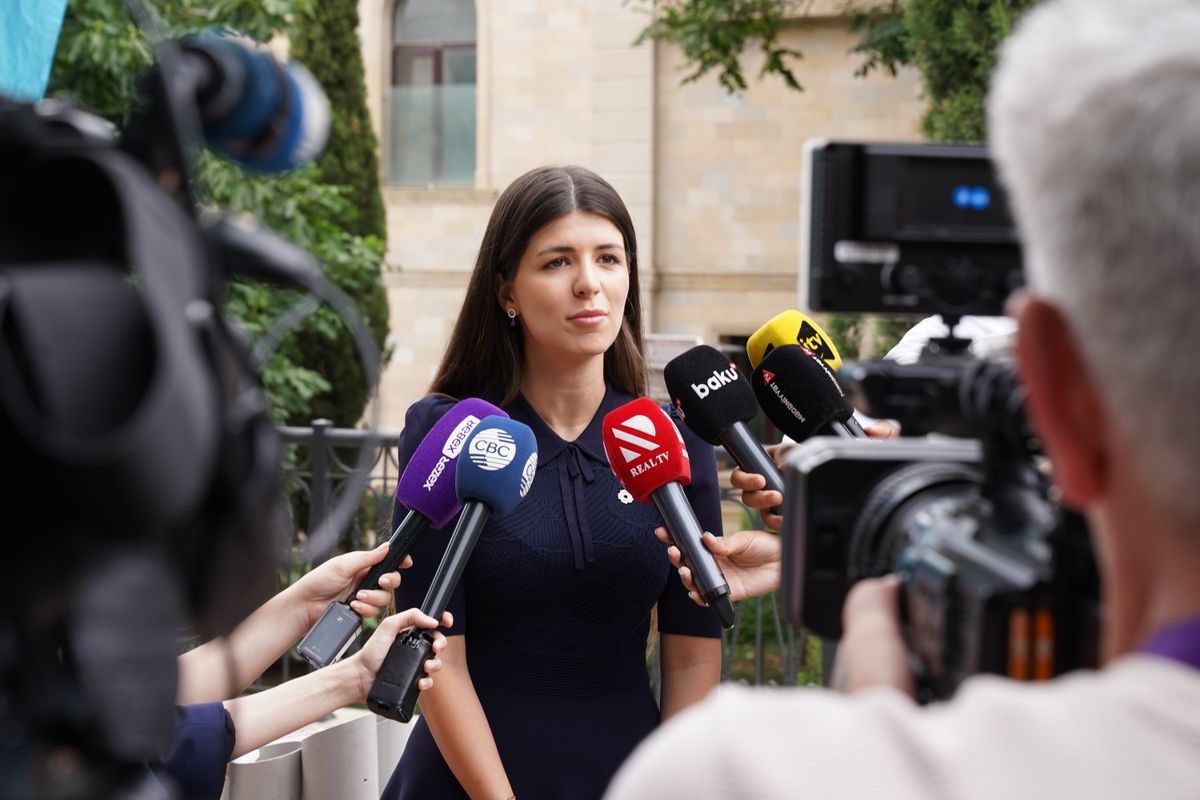
A dermatologist we talked to last spring was frustrated by one thing above all. A doctor across town kept showing up in local and national stories, as Dr. So and So, a dermatologist in their city, explains, over and over, on skin cancer season, on sunscreen myths, on the latest acne trend. To patients reading those articles, that doctor looked like the authority in the whole region. Our dermatologist had the same credentials, arguably a busier clinic, and not a single mention anywhere.
She assumed the other doctor had a publicist on retainer or a cousin at the paper. Neither was true. He was answering reporter requests through a free service, in his pajamas, a few minutes at a time. That is the whole secret, and this article is how you do the same.
The free tool reporters use, that died and came back
Here is a piece of recent news most practice owners missed. For almost twenty years, journalists found expert sources through a service called HARO, short for Help a Reporter Out. A reporter on deadline would send out a request, I need a dermatologist to comment on sunscreen for a piece due Friday, and sources would reply. It was free, and it put ordinary experts into real publications.
Then the owner, Cision, rebranded it as Connectively and shut the whole thing down in December 2024 to focus on its paid enterprise platform. For a few months the most useful free door into the press was simply gone. Then in April 2025, a company called Featured.com bought the HARO brand and relaunched it in its original free form, about three emails a day packed with reporter requests. The door is open again.
What matters for you is the supply and demand underneath it. Health and medical stories are among the most common things journalists write, and good, credentialed, responsive doctors are hard to find on deadline. Most practice owners never sign up, and the few who do rarely reply in time. That gap is your opening.
Why a quote beats an ad, every time
When you run an ad, everyone knows you paid to say nice things about yourself. When a journalist quotes you, a trusted third party is telling their readers you are worth listening to. Those are not in the same league. Nielsen has found for years that about two thirds of people trust editorial content such as news articles, far more than they trust most advertising. You cannot buy that kind of credibility. You earn it by being useful to a reporter.
And it keeps paying out. One quote becomes an as seen in line on your website. It becomes a screenshot in your waiting room and a post on your feed. It becomes the reason a nervous new patient, halfway through checking you out online, decides you are the real thing. A patient who finds you through a respected article walks in already trusting you, which is a very different visit from one who clicked an ad.
The bonus nobody mentions: search and AI
There is a second payoff that has nothing to do with the patient who reads the article, and it might matter more. When a real publication quotes you, it usually links to your practice or names it on a page that search engines consider trustworthy. Links and mentions from high authority sites are one of the oldest and strongest signals Google uses to decide who deserves to rank. For health topics in particular, Google holds websites to a higher bar of expertise and trust, something we broke down in does Google E E A T matter for medical practice websites. A news mention is exactly the kind of signal that bar is looking for.
The same credibility now feeds the AI tools patients use. When someone asks ChatGPT or Google AI for a good provider nearby, the model leans on reputable sources across the web to decide whom to name. A doctor quoted in trusted publications is a doctor the AI has reason to mention. We covered that mechanism in how to get your practice recommended by AI. In other words, getting quoted is one of the few moves that helps patients, Google, and AI all at once. That is why real healthcare SEO treats press as part of the plan, not a vanity extra.
How to actually get quoted, step by step
None of this works as a theory, so here is the plain version you can start this week.
- Sign up free and pick your lane. Join HARO, Qwoted, or Source of Sources and set your topics to your specialty. You will start getting reporter requests by email the same day.
- Answer fast. Reporters work on tight deadlines and often use the first solid reply they get. If a request fits you, respond within an hour or two, not tomorrow.
- Be short and quotable. Give two or three clear sentences a reporter can drop straight in. Plain language, no jargon, a real point of view. A tidy, usable quote beats a long essay every time.
- Stay in your wheelhouse. Only answer what you genuinely know. A cardiologist commenting on heart health reads as expert. The same doctor stretching to comment on skin care reads as filler, and reporters can tell.
- Sign it properly. Close with your full name, your credentials, your practice name, and your city, plus one line of bio. That is how the mention ties back to you and your clinic, not just a generic name.
- Sound like a person. Reporters want a human who can explain something clearly, not a brochure. Drop the sales pitch and just be helpful.
The healthcare catch you cannot ignore
Talking to the press as a doctor comes with real responsibility, so a few rules keep you safe. Speak in general, educational terms and never diagnose or advise an individual reader. Do not overclaim or promise outcomes. Never share a patient story, photo, or detail without written consent, which keeps you clear of HIPAA trouble. Disclose any conflict of interest that is relevant. And treat every email to a reporter as if it could run word for word, because it can, and sometimes without the context you assumed.
Handled with that care, media outreach is one of the most honest forms of marketing there is. You are not buying attention or dressing up a claim. You are giving accurate information to the public and letting your expertise speak. That is the kind of credibility that holds up.
Make each win go further
A quote you earn and then forget about is a quote half wasted. When a story runs, put a small as seen in strip on your website, share it on your channels, and add it to your doctor bios. This is also where a steady personal presence pays off, a theme we dug into in should doctors build a personal brand. If you would rather aim closer to home first, our guide to getting your practice in the local news covers pitching your own town. The point is simple: one mention, used well across your social media and your site, works for months.
How EtherealMinds handles this
We work only with healthcare practices in the United States, and press is a channel most owners know they should use but never find time for. The requests scroll past, the deadline hits, and nothing happens. So we run it for them. We watch the source platforms for requests that fit a client, draft tight, accurate, on brand quotes for the doctor to approve, and get them in front of reporters while the story is still open.
Then we do the part that makes it compound. Every mention gets woven into the practice website and its search and authority work, so the credibility lifts your rankings and your standing with AI, not just your ego. And we make sure the extra attention actually turns into booked visits through our patient acquisition system, because being the quoted expert means little if the new patient calls and reaches a voicemail. Getting famous in your field is nice. Getting found, trusted, and booked because of it is the whole point.
Want to be the doctor reporters call?
Book a free strategy call and we will show you where your practice is getting mentioned online today, where your competitors are getting quoted instead, and how to turn earned press into trust, rankings, and booked patients. No pressure, just an honest look.
Book a free strategy call →Frequently asked questions
What is HARO and is it free again in 2026?
HARO stands for Help a Reporter Out, a service that connects journalists who need expert sources with people willing to answer. Cision rebranded it as Connectively and then shut it down in December 2024. In April 2025 Featured.com bought the HARO brand and relaunched it in its original free format, around three emails a day with reporter requests. So yes, a doctor can sign up and respond to journalist queries at no cost. Qwoted and Source of Sources are two other free platforms that do the same thing.
Can a doctor get quoted in the media without hiring a PR agency?
Yes. Reporters covering health stories need qualified sources on deadline, and most practice owners never respond, so the field is wide open. Sign up for a free source platform like HARO, Qwoted, or Source of Sources, watch for requests in your specialty, and send a tight, clear, quotable answer fast. An agency can speed this up and handle the pitching for you, but the channel itself costs nothing to enter.
Does being quoted in the news help a medical practice rank on Google?
Often, yes. A quote in a credible publication usually comes with a link or a named mention of your practice on a high authority website. Links and mentions from trusted sites are a long standing signal that Google uses to judge authority, and for health topics Google holds sites to a higher standard of expertise and trust. The same web wide credibility also feeds AI tools, which lean on reputable sources when they decide which provider to name for a patient.
Is it safe for a doctor to talk to a journalist?
It is, with a few rules. Speak in general, educational terms and never diagnose or advise an individual reader. Stay inside your area of expertise and do not overclaim. Never share a patient story or image without written consent, which keeps you on the right side of HIPAA. Disclose any relevant conflict of interest. Treat every email to a reporter as something that could be published word for word, because it can be.
How long does it take to get results from media outreach?
It is a slow build, not a switch. Most pitches get ignored, and one good quote will not flood your schedule overnight. The payoff compounds over months as mentions stack up, your name appears in more places patients and search engines trust, and you build a small library of as seen in credibility you can use on your site and social media. Consistency is what makes it work.