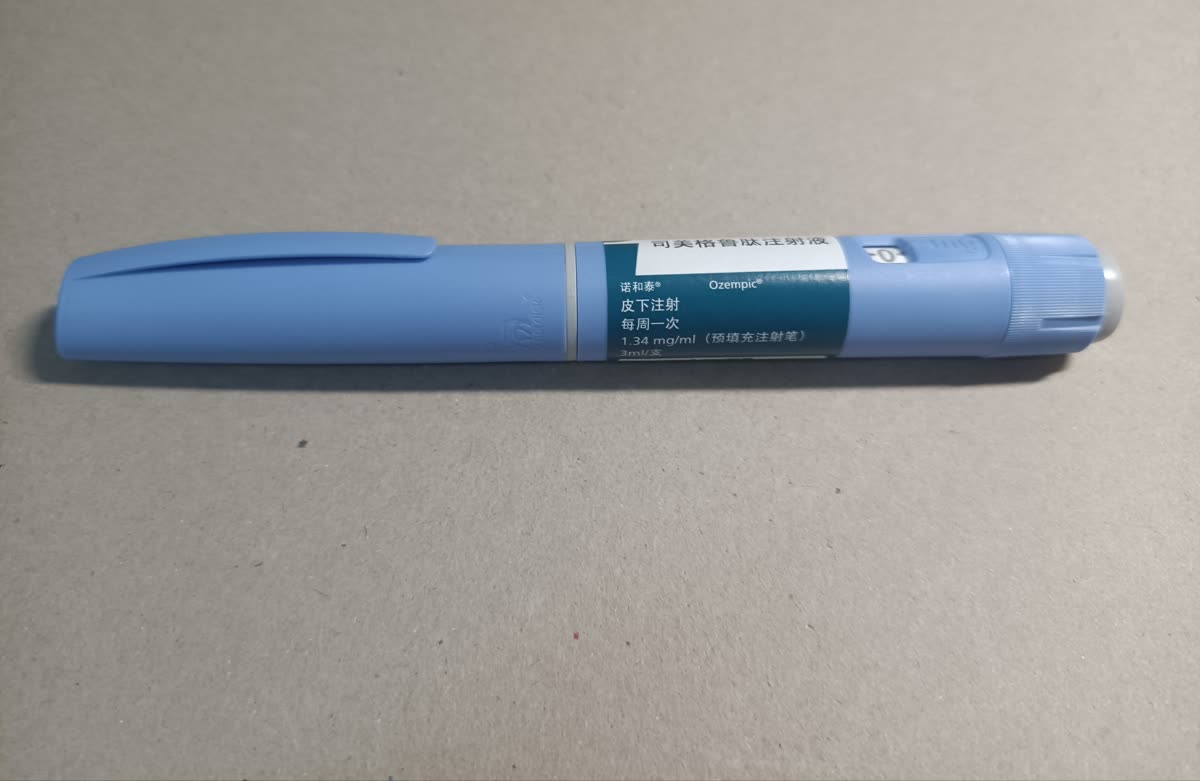
If your surgical schedule feels thinner than it did two years ago, you are not imagining it, and it is not your surgeon or your staff. It is a market wide shift, and the numbers are stark. A study led by researchers at Ohio State and Wake Forest, using the Epic Cosmos database of nearly 32 million eligible adults, found that bariatric surgery rates dropped roughly 46 percent between late 2022 and mid 2025. Over the same stretch, GLP-1 prescriptions for obesity climbed from a rounding error to about 24 percent of eligible patients.
For the first time since 2020, the total number of metabolic and bariatric procedures in the United States fell below 200,000 in 2024. Patients who three years ago would have booked a surgical seminar are now asking their primary care doctor for a shot instead. So the question for every bariatric practice owner is simple and urgent: what do you do about it?
First, get the mindset right
The instinct is to treat GLP-1 drugs as the enemy that stole your patients. That framing loses. The drugs are not going away, they work for a lot of people, and fighting the tide with a your surgery is better than their drug message just makes you sound defensive. The practices that are holding steady, and even growing, did something different. They stopped seeing the drug as a competitor and started seeing it as the front door to a much larger pool of weight conscious patients than surgery alone ever reached.
Think about who is actually taking these medications. Millions of people who were never going to walk into a surgeon's office are now, for the first time, actively treating their weight. Some will do great on the drug forever. But many will plateau, many cannot tolerate the side effects, many cannot afford it long term, and a large share regain much of the weight when they stop. Studies on GLP-1 discontinuation consistently show significant weight regain after people come off the medication. That is not a talking point to gloat about. It is a group of people who will need a durable answer, and you want to be the practice they already trust when they go looking.
Own the whole journey, not just the operating room
Here is the strategic shift that matters most. A bariatric practice that only markets surgery is fishing in a shrinking pond. A practice that markets the full spectrum of medical weight loss, GLP-1 management, surgery, and the long term support around all of it, is fishing in the biggest pond obesity care has ever seen.
Practically, that means many programs are adding a medical weight loss arm, offering GLP-1 management themselves so they capture the patient at the start of the journey rather than after a competitor has had them for a year. When that patient plateaus or wants a permanent solution, the surgeon is already in the room. If you decide to go this route, your marketing has to make both paths visible and make it obvious that moving from medication to surgery happens under one roof. The same logic we lay out for a general weight loss clinic applies, just with a surgical anchor at the end of it.
The short version
Do not market against GLP-1 drugs. Market around them. Become the trusted guide for the entire weight loss journey, capture patients at the medication stage, and be the obvious choice when they need the durable, surgical solution. Own the conversation, not just the procedure.
Win the search patients are already doing
Bariatric surgery is one of the most researched decisions in all of healthcare. Nobody books it on a whim. Patients spend weeks, often months, reading, watching, and comparing before they ever attend a seminar or consult. That long, anxious research window is your single biggest opportunity, because it is happening on Google, YouTube, and increasingly inside AI tools like ChatGPT, and most of it is up for grabs.
The questions have changed too. People are no longer only searching gastric sleeve near me. They are typing what happens when Ozempic stops working, is surgery or medication better for weight loss, do I qualify for bariatric surgery, and GLP-1 versus gastric bypass. Every one of those is a patient in motion, and the practice that answers those questions clearly and honestly earns the trust that leads to a booked consult. This is the heart of real healthcare SEO and AI search optimization: showing up as the credible answer at the exact moment a patient is deciding.
Most bariatric websites are still built like a brochure for the surgery itself. They say almost nothing about the medication question that is on every prospective patient's mind. That gap is exactly where you win. Publish provider signed articles on the real questions, and you become the practice both patients and search engines trust on this topic. This is the same reason so many independent programs struggle to compete with big hospital systems: not because they offer worse care, but because the hospital simply publishes more of what patients are searching for.
Make the website carry its weight
All that hard won attention dies if it lands on a slow, generic, or confusing site. A bariatric patient is making a huge, scary, personal decision, and your website is often the first real read they get on whether they can trust you with it. It needs to load fast, feel human, show real outcomes and real reviews, explain financing plainly because cost is a massive barrier for surgery, and make booking a seminar or consult effortless from a phone at 10pm.
We build websites for bariatric surgery centers that do exactly that: fast, trustworthy, and engineered to turn a nervous researcher into a booked consultation. Video from your surgeon, honest patient stories, a clear qualification tool, and transparent financing do more to convert a bariatric patient than any clever ad ever will, because this decision runs on trust, not on a discount.
Then, and only then, add paid ads
Once your search foundation and website are solid, paid advertising on Google and Meta becomes an accelerant instead of a money pit. Bariatric surgery has a large lifetime value, so you can afford to compete for high intent clicks, but only if you track the number all the way to a booked and completed case, not to a form fill. A lead that never shows up to the seminar is not a win. The practices that scale ads profitably are the ones measuring cost per surgery, not cost per click.
Meta is especially strong here for a different reason: it lets you tell stories and build the trust this decision requires, and it lets you reach the exact people, by age, location, and interest, most likely to be weighing their options right now. Google captures the patient actively searching; social captures the one who is still working up the nerve. You want both, working together inside one patient acquisition system built for bariatric surgeons, so that no matter where a patient starts, medication curious or surgery ready, they end up in your funnel.
Catch every inquiry, because these are expensive to lose
A single bariatric case is worth thousands of dollars and often years of follow up care. So the math on a missed call is brutal. When a patient who has spent two months building up the courage to reach out finally calls and gets voicemail, or sends a form at night that nobody answers until Monday, that is not a small miss. That is potentially a five figure case walking to the next practice on their list.
This is why speed of response is not a nice to have for a bariatric program, it is core to the economics. Every inquiry needs an immediate, human response. Our AI receptionist answers every call and texts back after hours inquiries within seconds, so the patient who worked up the nerve at 9pm gets a warm reply instead of silence, and stays warm until your team can take over. When each lead is worth this much, letting one slip through is the most expensive mistake a practice can make.
Our honest take
The GLP-1 wave is real, and pretending it is a passing fad would be doing you a disservice. Surgery volumes fell for a reason, and the old playbook of running a few ads for gastric sleeves and waiting for the phone to ring is not coming back. But the doom framing you see in a lot of the coverage misses the bigger picture. Obesity care just went from a niche most people avoided to a mainstream conversation millions are having out loud. That is a larger, more engaged audience than bariatric surgery has ever had access to.
The winners will not be the practices that fight the drug. They will be the ones that become the trusted, expert guide for the entire journey, that show up with real answers when patients are researching, that make it easy to start with medication and move to surgery when the time is right, and that never let an inquiry go cold. The market did not shrink. It reshaped. The practices that reshape with it will come out the other side bigger than before.
How EtherealMinds helps
We work only with healthcare, so we understand how bariatric patients research, hesitate, and finally decide. We build the search presence and provider signed content that make you the answer to the GLP-1 versus surgery questions patients are asking right now, a fast and trustworthy website that turns nervous researchers into booked consults, paid campaigns on Google and Meta measured against completed cases rather than clicks, and an AI receptionist so no high value inquiry ever goes unanswered. One connected system, built for a bariatric practice that intends to grow through this shift, not just survive it.
Want more of the right bariatric patients?
Book a free strategy call. We will look at how your practice shows up when patients research surgery versus GLP-1 drugs, where you are losing them, and the fastest honest path to a fuller surgical schedule. No jargon, no lock in, no pressure.
Book a free strategy call →