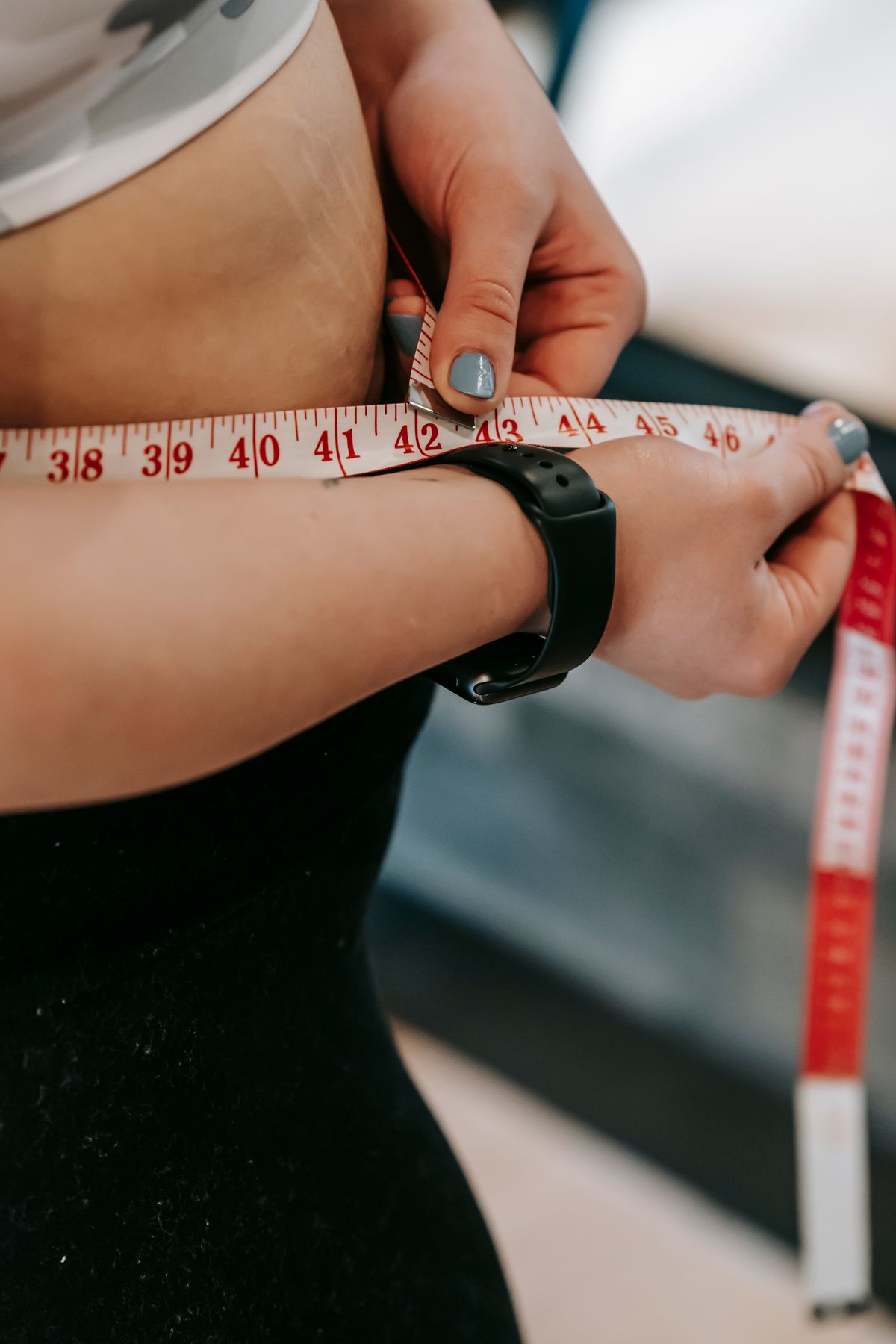
A physician who runs a small medical weight loss clinic called us in a mood I have heard a hundred times now. Her waiting list was long, her results were real, and her phone would not stop ringing. And yet she had just had her third Facebook ad account restricted in a year. Every time she tried to promote her program, the ad got rejected or the account got flagged. She was doing genuine, careful medicine, and the internet kept treating her like a spammy diet pill.
That is the strange spot medical weight loss is in right now. It might be the single biggest demand wave in healthcare, and also one of the most frustrating niches to market. So if you are asking how to market a weight loss clinic in 2026, the honest answer starts with understanding both sides of that coin: the enormous opportunity, and the very specific rules that trip most owners up.
The opportunity is real, and so is the noise
Let us start with the good news. Interest in medical weight loss has exploded. A KFF poll found that a large share of adults would be interested in a safe, effective weight loss drug, and one in eight has already tried one. People who spent years feeling ignored by the healthcare system are suddenly seeking out care. That is a gift.
Here is the flip side. Because the demand is so loud, the space filled up fast with national telehealth brands, compounding pharmacies, med spas adding injections on the side, and a wave of pop up online sellers. Your future patient is scrolling through all of that noise, and a fair amount of it is hype or worse. That means your job is not only to get seen. It is to be the trustworthy option in a market that has taught people to be suspicious.
Why the ad platforms fight you (and how to win anyway)
This is the part almost nobody explains before you learn it the hard way. Weight loss is a sensitive category on every major ad platform, and the rules are stricter than most owners realize.
Meta does not allow ads that target or imply someone's personal health, weight, or medical condition. So the natural line every clinic wants to write, something like are you struggling with your weight, is exactly the line that gets you rejected, because it implies you know something personal about the viewer. Meta also bans idealized before and after body photos. On the Google side, weight loss claims are restricted, promises of fast or guaranteed results get disapproved, and naming a specific prescription drug in an ad is a fast route to a suspended account.
The reframe that keeps your ads live
Stop selling the number on the scale. Sell the life on the other side of it. Instead of lose 20 pounds fast, talk about a plan built around your life, more energy for the people you love, or care from a real local provider who actually follows up. Use everyday lifestyle imagery, a person cooking, walking, laughing with family, not a shirtless transformation shot. Keep every claim honest and general. You are not hiding what you do. You are describing the outcome the way a doctor would, not the way a supplement ad would. This one shift is the difference between ads that run for months and an account that keeps getting banned.
The other half of compliant advertising is where the click lands. A weight loss ad that points to a slow, generic homepage wastes the budget and can trip policy reviews. Send the click to a focused landing page that matches the ad, explains the program in plain and honest terms, and lets someone book in a couple of taps. We build pages exactly like this, and the broader case for websites that convert and rank matters double in a niche this scrutinized. If you want the deeper version of why ad clicks stall out, we wrote it in why your ad clicks are not booking patients.
Win search, because that is where the real intent lives
Here is a truth that gets lost in all the talk about paid ads: a huge share of weight loss patients start by searching, not scrolling. Someone types medical weight loss near me or semaglutide clinic in my city because they have already decided they want help and now they want a local provider they can trust. That is the highest intent traffic there is, and unlike a paid ad, it does not get rejected.
So local search is not optional here, it is the foundation. That means a claimed and optimized Google Business Profile with the right categories and real photos, a website that actually ranks for your treatments and your city, and content that answers the exact questions people type before they book. When someone searches, you want to be the local name that shows up next to the faceless national brands. We break the whole approach down in SEO and AI search for healthcare in 2026, and it applies directly to weight loss.
One more thing worth knowing: more patients now ask AI assistants like ChatGPT for a recommendation before they ever open a map. Those tools pull from clear, factual, well structured content and from your reviews. The clinic that publishes honest, plain language answers to real patient questions is the one the AI is likely to name. Being easy to cite is the new being easy to find.
Reviews and trust are your real closers
A weight loss decision is emotional. People carry years of frustration, a few failed attempts, and real fear of being judged or sold to. No ad calms that. Other patients' words do. That is why a steady stream of recent, genuine reviews is the single most powerful growth lever a weight loss clinic has. They reassure the nervous shopper and they lift your local ranking at the same time.
Ask for the review at the moment a patient is proud of their progress, not in a cold email weeks later. Make it one tap. Reply to the reviews you get, the happy ones too, because the next reader is watching how you treat people. Our full method is in how to get more Google reviews. And when you do share patient stories, do it the right way, with consent and without breaking privacy rules. We covered exactly how in how to get patient testimonials without breaking HIPAA.
Trust also comes from how you present the clinic itself. Show real provider faces and honest bios. Put pricing where people can see it, because the number one anxiety in weight loss shopping is what will this actually cost me. Explain how the medication and the program really work, side effects included. The clinic that educates instead of oversells is the one the careful patient chooses, and the careful patient is the one who stays for months and refers a friend.
Telehealth and retention: where the profit really lives
Medical weight loss is not a one time sale. It is a program someone follows for months, with regular check ins, dose adjustments and support along the way. That changes what marketing success even means. Getting the first appointment is only the start. Keeping the patient engaged through the messy middle, where motivation dips and side effects show up, is where results happen and where the real revenue lives.
This is why offering telehealth follow ups matters so much in this niche. A quick video check in is far easier for a busy patient to keep than another drive across town, and it lets your local clinic match the convenience of the national online brands while still offering something they cannot: a real local relationship. Lead with the in person trust, use telehealth to remove the friction from ongoing care. Then build retention habits on top, reminders when a patient is due, a check in text after a tough week, a simple way to reorder. We made the broader case in how to improve patient retention, and it is doubly true when the whole treatment is a journey.
The step that decides everything: how fast you answer
You can do all of the above and still lose. Here is why. Weight loss shoppers are motivated but nervous, and that combination makes them act fast and compare several options at once. A lot of that reaching out happens at night, after the kids are asleep, when someone finally works up the courage. If your front desk is closed and the call rolls to voicemail, or a form sits until tomorrow afternoon, that motivated person books with the online brand that answered in seconds. The moment of courage passes.
The data on this is brutal and clear: reaching a new inquiry within five minutes makes you far more likely to actually connect than waiting even thirty. We dug into it in how fast to respond to a new inquiry. In a niche where your competitors are national companies with 24 hour call centers, response speed is not a nice to have. It is the whole ballgame.
This is the exact gap our AI receptionist was built to close. It answers every call, text and form in seconds, day or night, handles the common questions about the program, insurance and pricing with warmth, and books the appointment straight into your calendar. So the patient who reached out at 10pm, in that rare window of courage, is on your schedule before they fall asleep instead of signing up with a faceless brand by morning.
Our honest take
Medical weight loss is one of the best opportunities in healthcare right now, and one of the easiest to get wrong. Most clinics fail here not because demand is missing, it is overflowing, but because they market it like a diet product and get punished for it. The winning move is almost the opposite of the hype: be the calm, honest, local expert in a space full of noise. Rank where people search. Run compliant ads that sell the life, not the pounds. Stack real reviews. Explain instead of oversell. And answer faster than the national brands can.
Do that, and you stop fighting the ad platforms and the compounding pharmacies on their terms. You start winning on the one thing they can never fake: a trustworthy local provider who shows up, tells the truth, and actually picks up the phone. That is how you market a weight loss clinic in 2026.
Let us build a weight loss clinic funnel that actually gets approved
Book a free strategy call. We will look at your ads, your website, your local search and your response speed, show you where patients are slipping to the national brands, and build a compliant plan to bring them back. Healthcare only, no hype, no pressure.
Book a free strategy call →