A dermatologist called us last winter, frustrated in a way that did not add up. Her medical schedule was booked six weeks out. Her waiting room was full. And yet her cosmetic side, the Botox, the fillers, the laser packages that actually carry the margin, was barely moving, while a med spa two doors down was slammed. She figured she needed more cosmetic ads. So we asked her a different question: when a new patient calls scared about a mole, what happens? She paused. Most of the time, she admitted, they get a voicemail, and the next opening is over a month away. So they call somewhere else.
That is dermatology in a nutshell. The demand is enormous on both sides, and the practice still loses patients, because it is running two very different businesses out of one front desk and marketing as if it were one. If you want to know how to market a dermatology practice, the first move is to stop treating it like a single thing.
Dermatology is two businesses, so market it that way
Almost every mistake in dermatology marketing comes from blending the two halves of the practice into one blurry message. They could not be more different.
The medical side is urgent, insured, and demand rich. Skin cancer screenings, changing moles, acne that is wrecking a teenager's confidence, rashes, psoriasis, eczema. People do not shop around for weeks on this. They are worried, they want to be seen soon, and they usually run it through insurance. Your problem here is almost never demand. It is access and speed: getting found the moment they search, and getting them booked before they give up and go to a telehealth brand or the next office.
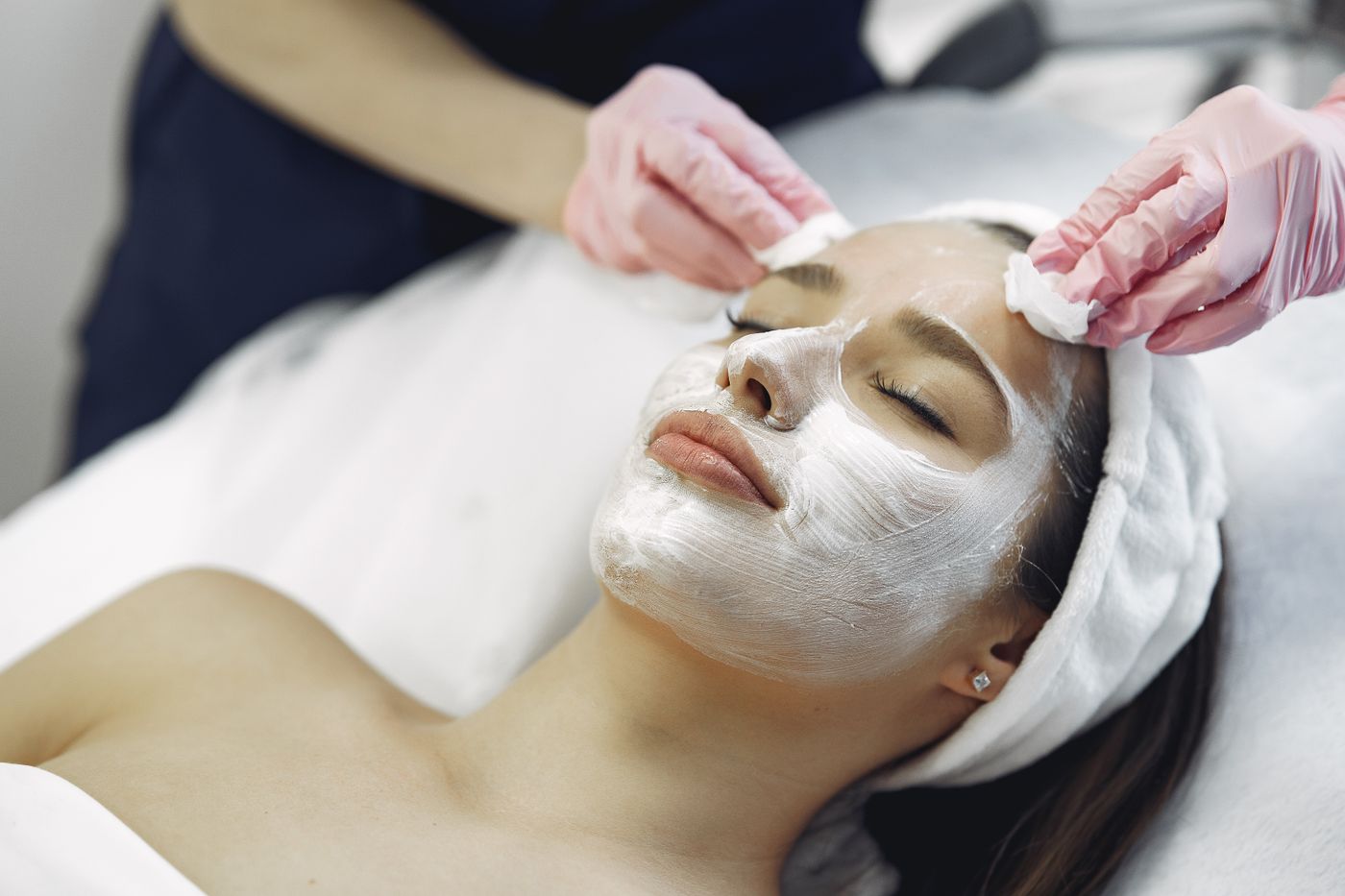
The cosmetic side is elective, cash pay, and fiercely competitive. Botox, dermal fillers, laser resurfacing, chemical peels, treatments for sun damage and aging. Here you are not just competing with other dermatologists. You are competing with med spas, injectors and clinics on every corner, all fighting for the same discretionary dollars. Patients research carefully, compare, read reviews, and buy on trust. This side needs real marketing: proof, content, ads and a website that sells the outcome.
The same practice, the same doctor, two completely different buyers. When you write one bland homepage that tries to speak to both at once, you underserve both. The fix is to build two clear tracks, medical and cosmetic, that each speak to the right person, while reminding everyone that one board certified physician stands behind all of it.
Win the medical side by being found and being fast
Here is the good news about medical dermatology: the intent is loud and local. When someone spots a spot that changed shape, or a teen's acne finally pushes the family to act, they search. They type dermatologist near me, skin cancer screening near me, or straight up their worry, like new mole should I worry or acne treatment that works. That is the highest intent traffic there is, and it goes to whoever sits at the top of the map and looks trustworthy.
So the local map is the foundation. Start with a fully claimed and built out Google Business Profile: the right category, real photos of your office and team, your services and conditions listed, accurate hours, and your booking link switched on so people can book straight from the listing. Then make sure your website actually ranks for your city and your conditions, and answers the real questions patients type, in plain words, on your own pages. We lay out the whole approach in SEO and AI search for healthcare in 2026, and it maps cleanly onto dermatology.
One shift worth getting ahead of: more patients now ask AI assistants like ChatGPT for a recommendation before they ever open a map. Those tools pull from clear, factual content and from your reviews. The practice that publishes honest, plain language answers about what a skin check involves, when a mole is worth worrying about, and what different acne treatments actually do is the one the AI is likely to name. Being easy to cite is the new being easy to find.
Answer the fear, not the diagnosis
Nobody googles seborrheic keratosis or actinic keratosis. They google this spot on my face keeps bleeding, or brown patch that will not go away, or how do I know if a mole is bad. Patients search their worry in plain words. The practices that win medical dermatology search build simple pages that meet that exact fear: what a full body skin check is like, the warning signs of skin cancer, what to do about stubborn acne, when a rash needs a doctor. Answer the human worry and you show up the moment the fear is fresh, which is exactly when people book.
The real bottleneck: access and the phone
Now the hard truth about that booked out schedule. Dermatology has some of the longest new patient wait times in all of medicine. Studies published in medical journals and repeated industry surveys have clocked average waits of a month or more just to be seen, and for a worried patient staring at a spot that is changing, a month feels like forever. So they do what people do. They call the next practice, or they book with an online skin brand that promises to look at a photo tomorrow.
Layer the phone problem on top and it gets worse. Dermatology front desks are slammed with the patients standing right in front of them, so a large share of new patient calls roll to voicemail, and most callers do not leave a message. They are worried and impatient, so they simply dial down the list. You can rank first on Google, spend a fortune on ads, and still lose the patient at the last step because nobody picked up and the next opening was five weeks out.
Speed matters as much as being found. Reaching a new inquiry within five minutes makes you far more likely to actually connect than waiting even thirty, which we covered in how fast to respond to a new inquiry. And a lot of that searching happens on evenings and weekends when your office is dark. We laid out the whole problem in how your front desk loses patients on the phone. Before you spend another dollar on ads, do the math on what you already create and then lose because nobody answered.
This gap is exactly what our AI receptionist was built to close. It answers every call, text and form in seconds, day or night, handles the common questions about skin checks, cost and insurance with warmth, and books the appointment straight into your calendar while your front desk is busy with the patient in the room. So the person who noticed a changing mole on a Sunday night is on the schedule instead of on a telehealth app. Smart triage also helps: the truly urgent cases get moved up, the routine cosmetic consults fill the gaps, and fewer people slip away waiting.
Win the cosmetic side on trust, not discounts
Now the side that keeps most dermatologists up at night, because this is where the med spa down the street feels like it is eating your lunch. Here is the thing to remember: you have an advantage a med spa can never buy. You are a board certified physician. When something goes wrong with an injectable, or a patient wants a serious result done safely, that credential is the whole ballgame. Lead with it.
Cosmetic patients buy on trust and proof, so give them both. Build a real before and after gallery, with consent, because in aesthetics the results are the pitch. We wrote a full guide on doing this the right way, including the consent and privacy side, in how to use before and after photos without breaking the rules. Stack reviews that mention specific treatments, since a patient searching Botox near me is reassured by other patients raving about your Botox, not a generic five stars. And use social media to show the work, the team and the safety, which is where cosmetic demand actually forms. If the med spa comparison is your daily reality, our take on winning more aesthetic clients applies directly.
Your warmest cosmetic leads are already in your chairs
The patient in for a mole check may have been thinking about doing something for the lines on her forehead for two years. She just never knew you offered it, or nobody mentioned it. Your medical patients trust you already, which is the hardest part of any cosmetic sale, and they are sitting right in front of you. A simple, tasteful system, a line at checkout, a page on your site, an email, that lets medical patients discover your cosmetic services will grow that side faster than any cold ad. Cross pollination between the two halves is the single most underused lever in dermatology.
Paid ads: fuel for the cosmetic side, speed for the medical side
Once the map, reviews and website are working, paid ads pour fuel on the fire, and they play differently on each side. For cosmetic, Google ads earn their keep on treatments people search with money in hand, Botox, filler, laser hair removal, skin resurfacing, and Meta ads shine for showing off results and creating demand people did not arrive with. For medical, ads are less about creating demand and more about buying speed, jumping to the top for high value searches when your calendar has room or you are opening a new location.
But an ad is only as good as where the click lands. Send someone researching a laser package to a slow, generic homepage and you paid for a bounce. Send them to a fast, focused website that speaks to that exact treatment, shows real results, answers the cost and safety questions, and books a consult in two taps, and the same budget produces real cases. We dug into why clicks stall out in why your ad clicks are not booking patients. And skip the race to the bottom on price. A 99 dollar Botox coupon pulls in deal hunters who chase the next deal. The patients who stay for years chose you because you felt safe, which is exactly what you should be selling.
Keep the patients you already earned
Dermatology has a retention engine most practices barely touch: the annual skin check. A patient who comes in once for a screening should come back every year for the rest of their life, and each visit is a chance to catch something early and to reconnect on cosmetic. But without a real recall system, those patients drift away silently, and you never notice until the schedule has holes. A simple annual reminder, a text a year later, turns a one time visit into a lifelong patient, the same way it works in patient retention across healthcare.
The same goes for reactivation. Your practice software is full of patients who came once and never returned, and lapsed cosmetic patients whose filler or Botox has long worn off. Reaching back out to them is the cheapest new production you have. You do not always need more new patients. Sometimes you need the ones who already trusted you once.
Where EtherealMinds fits
We only work with healthcare, and dermatology is one of our favorite kinds of practice to grow, precisely because it has two engines and most practices only run one. The pieces have to work together: a fast website that separates the medical and cosmetic tracks and books in two taps, a local map presence that gets you found for the worried searches, social media that shows real results and builds cosmetic demand, ads pointed at the treatments and consults that actually pay, and a reception layer that answers every call so nothing leaks. That whole thing, working as one, is what our patient acquisition system is built to do.
Our honest take
Most dermatology practices do not have a demand problem. Skin cancer is the most common cancer in the country and cosmetic interest keeps climbing. They have an access problem on the medical side and a trust problem on the cosmetic side, and a front desk that leaks both. They pour money into cosmetic ads while worried medical callers hit voicemail and the next opening is a month away, then wonder why growth feels so hard.
Fix the order. Own the local map so worried patients find you first. Answer faster than everyone else, especially after hours, so the urgent caller books with you instead of a telehealth app. Build real proof, before and after galleries and reviews, so cosmetic patients choose the doctor over the med spa. Point ads at the high value treatments and land them on a page that books. Then guard your annual skin check recall like the asset it is. Do that and both engines start pulling at once. That is how you market a dermatology practice in 2026.
Let us find the leak in your dermatology practice
Book a free strategy call. We will look at your local map ranking, your reviews, how your medical and cosmetic tracks are set up, and how many calls you are missing, show you exactly where patients are slipping away, and build a plan to fill both sides of the practice. Healthcare only, no gimmicks, no pressure.
Book a free strategy call →