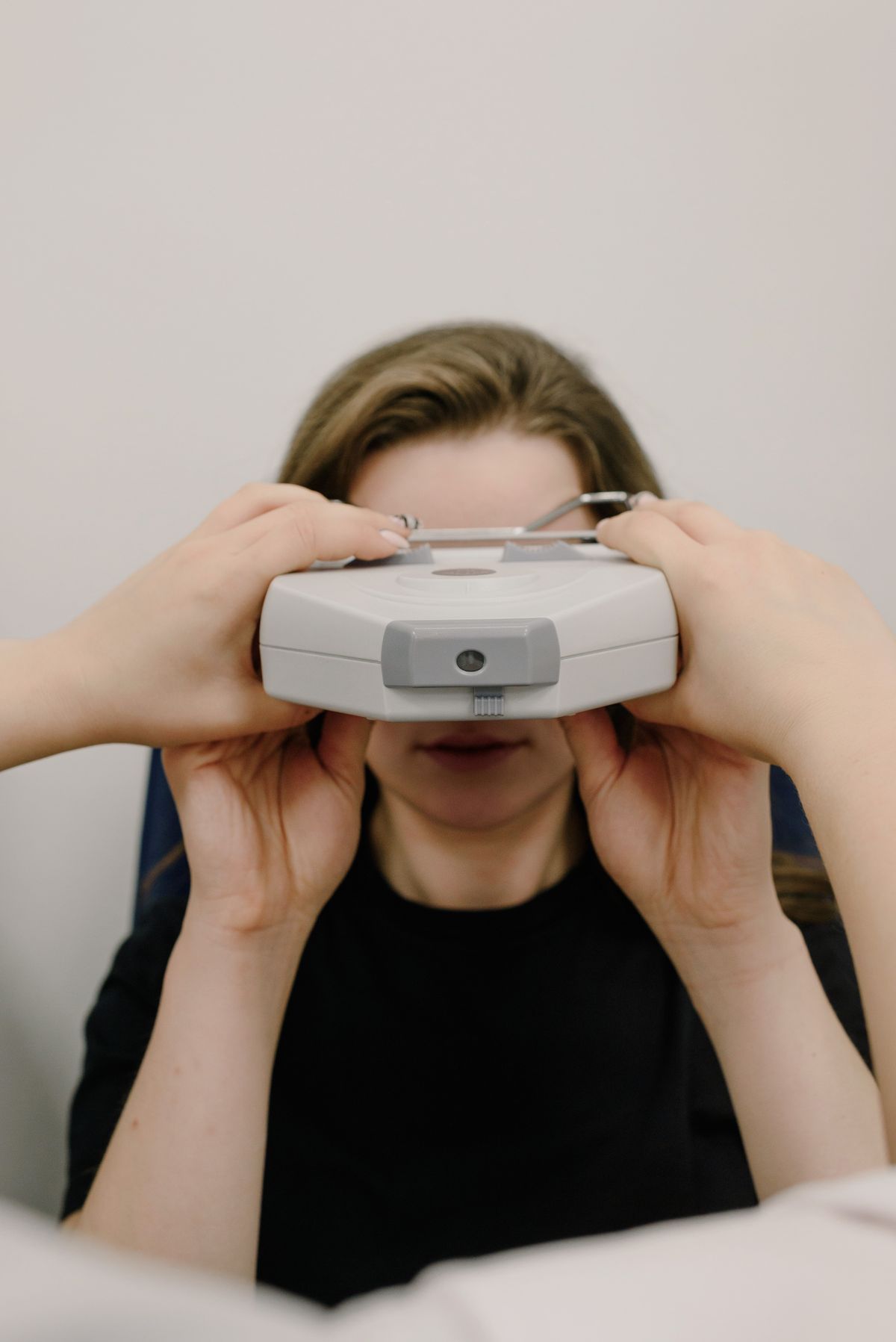
A dry eye patient rarely wakes up one day and decides to find a specialist. It builds. The eyes burn a little at the computer. Drops help for an hour, then stop. Vision goes blurry, they blink, it clears. They buy a different bottle at the drugstore, then another. This goes on for months, sometimes years. Then one bad afternoon they finally type their symptoms into their phone. Whoever shows up, explains what is happening, and looks like they can actually help gets that patient. That is the entire game.
So the good news for anyone marketing a dry eye clinic is that you are not creating demand. It already exists, in enormous numbers, sitting in your town right now. Your job is to be findable and believable at the exact moment someone decides to stop suffering. Let us walk through how to do that, with the numbers that prove the opportunity and the specific moves that turn searches into booked patients.
Why dry eye is a marketing opportunity, not just a diagnosis
Most specialties fight over a fixed pool of patients. Dry eye is different because so much of the demand is invisible and untreated. The prevalence study in the American Journal of Ophthalmology put diagnosed dry eye at roughly 16 million US adults, with women affected almost twice as often as men and prevalence rising sharply with age, from under 3 percent of adults in their twenties and early thirties to nearly 19 percent of those 75 and older. Layer in the undiagnosed and researchers estimate up to half of adults report dry eye symptoms at some point.
And it is growing. Screens are a big reason. We blink far less when we stare at a phone or a monitor, and a workforce and a generation of kids living on devices is pushing dry eye into younger patients who never expected it. A national survey commissioned by Bausch and Lomb found millions of Americans struggle for real relief, bouncing between products without ever finding a clinic that solves it. That gap between how many people have the problem and how few have found help is your opportunity. Marketing a dry eye clinic is mostly about closing it.
The one sentence version
Dry eye demand is massive, growing, and mostly untreated. You do not need to convince people they have a problem. You need to be the clinic they find, understand, and trust the day they finally search. Every marketing choice below serves that one goal.
Own the symptom searches, not just "dry eye"
Here is what practice owners miss: patients do not search the way doctors write. They rarely type "dry eye disease treatment." They type the feeling. Burning eyes at night. Gritty sandy feeling in my eyes. Watery eyes that will not stop. Blurry vision that clears when I blink. Contacts feel dry all of a sudden. My eye drops stopped working. Each of those is a person mid problem, and each is a page you could own.
This is why a single line that says "we treat dry eye" on a general services page loses. It answers none of those searches well. A real dry eye section, with pages that name the symptoms in plain language and explain what causes them and what you do about it, is what gets found. It is also what AI search and chat assistants quote when someone asks their phone what a burning, gritty eye means, which is fast becoming how patients start. We wrote more about why patients search symptoms instead of doctors, and dry eye is the clearest example of it there is.
The other half of local search is your Google Business Profile. Set the right category, keep your hours and phone perfect, add real photos of your clinic and equipment, and post regularly. When someone searches "dry eye specialist near me," the map results decide who gets the call, and that is won with a well run profile plus reviews, which we will get to. Getting this foundation right is exactly what strong healthcare SEO is for.
Make the website do the convincing
Dry eye treatment is often a cash decision. Procedures like intense pulsed light, thermal expression of the glands, low level light therapy, and radiofrequency are usually paid out of pocket, which means the patient is not just choosing a doctor, they are choosing to spend real money on relief. That raises the bar for your website. It has to answer the questions running through a nervous, tired, skeptical patient's head before they will book.
- Explain each treatment simply. What it is, what it does for the eyes, whether it hurts, how many visits it takes. Skip the jargon. A patient who understands the plan is a patient who books it.
- Be honest about cost. Even a range or a starting price beats silence. Cash pay patients compare, and hiding the number sends them to whoever will just tell them. We made the full case in patients shop for healthcare on price.
- Show proof. Real reviews from dry eye patients by name, honest before and after outcomes, and a short story or two of someone who suffered for years and finally got better. Nothing sells relief like someone who found it.
- Make booking effortless. A visible book button on every screen, online scheduling, and a fast mobile site. Most of these searches happen at night on a phone, and a form that closed at five loses the patient by morning.
This is not a generic template job. A clinic that wants to own dry eye in its market needs a website built specifically for a dry eye practice, structured around the symptoms patients search and the treatments they are secretly hoping exist.
A quick test for your current site
Open your website on your phone and pretend you woke up with burning, gritty eyes. Can you tell within ten seconds that this clinic treats exactly that, understand what a first visit involves, get a sense of cost, and tap one button to book? If any of those is a no, that is a patient walking out the door, and it is the cheapest thing you can fix this month.
Add paid search for the ready to book patients
Local SEO and a good website build a steady, low cost stream over time. Google Ads gives you the person who is ready right now. Someone searching "dry eye treatment near me" or "IPL for dry eye" plus your city has high intent, and a well built campaign puts you at the top the day it launches. The key is discipline: tight, relevant keywords, negative keywords so you are not paying for people looking for a bottle of drops, and ads that point to a real dry eye page instead of your homepage.
For a cash pay treatment, the math usually works. One booked patient who commits to a treatment series covers a lot of clicks. But ads only pay off when everything behind them is right, which is why we never run ads for a practice until the website and follow up can actually convert the traffic. Ads with a weak page just burn money faster. Done in the right order, paid search and your organic presence become a complete patient acquisition system rather than a set of disconnected tactics.
Respond fast, or lose the patient you paid for
This is the leak that slowly drains dry eye clinics. You do the marketing, the phone rings or a form comes in, and then nobody picks up, or the callback happens two days later. By then the patient found someone who answered. Speed to response is one of the highest leverage things any practice can fix, and for a problem as urgent feeling as dry eye it matters even more.
Answer every call, return every form fast, and have a plan for nights and weekends when a lot of these searches happen. Plenty of clinics now use tools like our AI receptionist to make sure a burning eyed patient at 9pm gets a real answer and a booked slot instead of a voicemail. You spent good money to make that phone ring. Make sure someone, or something helpful, is there to catch it.
Let reviews carry the trust
Dry eye patients are often on their third or fourth attempt at relief, so they are wary. Reviews do the reassuring you cannot do yourself. A steady flow of recent, specific reviews, ideally ones that mention dry eye and the treatment by name, tells the next sufferer that people like them got better here. It also lifts you in the map results. Ask every happy patient, make it a simple text with a link, and keep it going. If you want the how, we broke it down in how to get more Google reviews.
Where EtherealMinds fits in
We work only with US healthcare practices, and dry eye is a favorite because the demand is so real and so poorly served. When we help a clinic own dry eye in its market, we start by building the foundation that captures the searches already happening: a fast dry eye website structured around real symptoms and treatments, a Google Business Profile and local SEO that put you in the map pack, and a review engine that keeps trust flowing. Then we add paid search for the ready to book patients and make sure the phone and forms are answered instantly so nothing you paid for slips away. It all runs as one patient acquisition system, measured so you can see exactly where booked patients come from.
You already have the hard part, a treatment that genuinely helps people who have been miserable for years. The marketing just needs to connect that to the millions of people searching for it. That is a solvable problem, and a very good one to have.
Our honest take
Marketing a dry eye clinic is less about persuasion and more about visibility and trust. The patients are out there in huge numbers, growing every year, mostly self treating and mostly unaware that a real fix exists. Win the symptom searches, build a website that explains and reassures, answer fast, and let reviews prove it. Do that and you stop competing on price or luck and start being the obvious answer the day someone finally decides to stop rubbing their eyes and get help. That is when a dry eye clinic goes from a single line on a services page to a full, thriving part of the practice.
Want to own dry eye in your market?
Book a free strategy call. We will look at how patients find you today, where dry eye searches in your area are going, and exactly what it would take to turn that demand into booked treatments. Straight answers and a clear plan, whether you work with us or not.
Book a free strategy call →