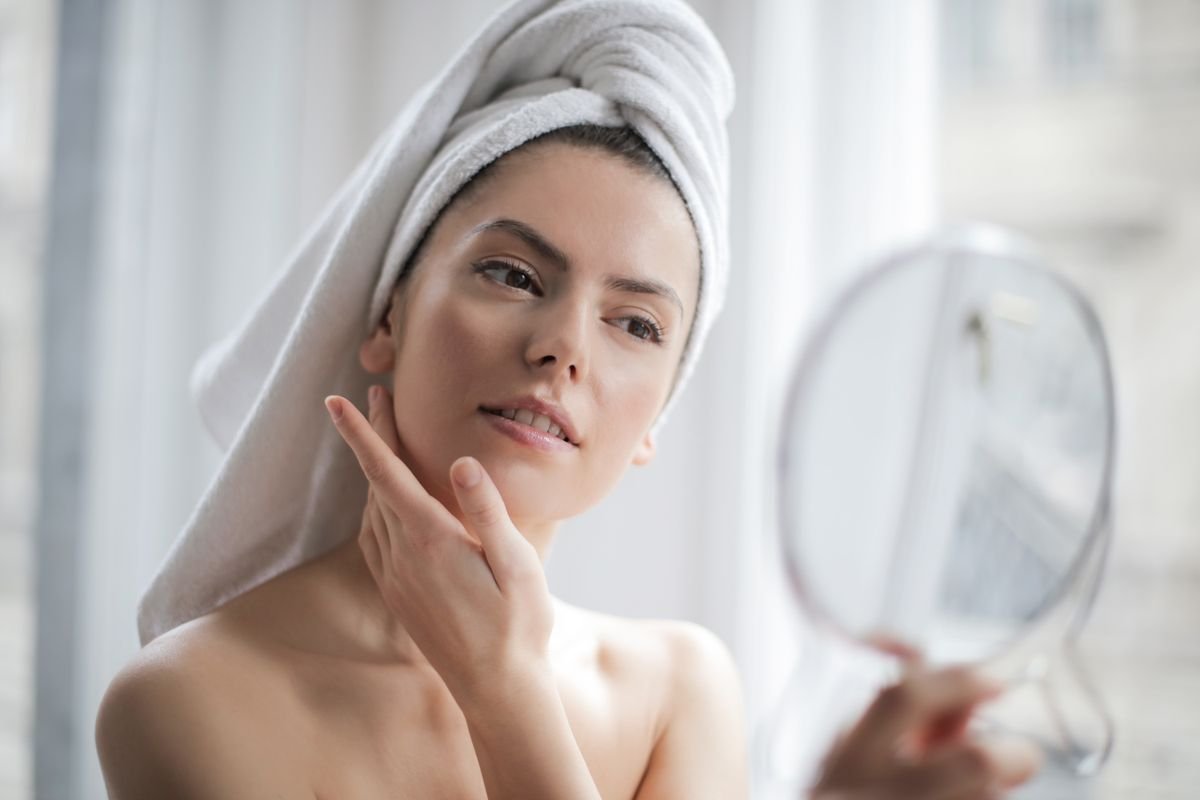
A plastic surgeon told us once that mommy makeover patients are the most prepared people who ever walk into his office. By the time a mother books a consult, she has usually been thinking about it for a year or more. She has saved photos. She knows the names of three other surgeons in town. She has a number in her head for the budget and a window in her calendar after the kids go back to school. He was not competing for her attention. He was competing for her trust, against everyone else she had already found on her phone.
That is the mommy makeover market in one story. The procedure combines a tummy tuck, a breast lift or augmentation, and often liposuction into one surgery, and it sits at the center of plastic surgery demand. The American Society of Plastic Surgeons does not track the mommy makeover as its own category, but its component procedures tell the story. In 2024, tummy tucks, breast lifts, breast augmentations, breast reductions, and body lifts together added up to more than 760,000 procedures, with tummy tuck alone climbing to 171,064. Mothers are not just wondering about this anymore. They are searching, comparing, and booking.
This is an out of pocket, emotional purchase, so sell it like one
Start with the thing that makes mommy makeover marketing different from almost everything else in healthcare: it is cosmetic, so insurance does not pay for it. A mommy makeover commonly runs from roughly 25,000 to 35,000 dollars depending on the market and exactly what is included. That is a new car in a single decision, paid out of her own pocket, for a procedure she often feels a little guilty even wanting.
That changes everything about how you talk to her. She is not shopping for a cheap deal. She is deciding whether she is allowed to spend this money on herself after years of spending it on everyone else, and whether this particular practice is safe enough to trust with the result. Your marketing has to do two jobs at once. It has to give her permission, the sense that wanting her body back is normal and good, and it has to remove the financial friction so the price does not silently kill a decision she had otherwise made. Clear, upfront pricing conversations and real financing options do more here than any clever ad. If you offer plans through a provider like CareCredit, say so early and plainly, because for a lot of mothers "I cannot afford it" really means "nobody showed me how this could work." We dug into that in our piece on whether a practice should offer patient financing.
The research journey is long, private, and nonlinear
A mother considering a mommy makeover rarely decides on a Tuesday and books on a Wednesday. She researches over weeks or months, often without telling many people, across a dozen tabs and apps.
The path usually looks like this. She types very specific things into Google: the cost, how long recovery takes when you have small kids at home, whether to do everything at once or stage it, what the tummy tuck scar really looks like. She scrolls Instagram, TikTok, and YouTube for real patient journeys, not polished ads, looking for mothers who started where she is now. She reads long, detailed reviews on Google and on RealSelf, where patients post their own photos, the price they paid, and a blunt verdict on whether it was worth it. Then, before she fills out a single form, she checks that the surgeon is board certified.
Here is the part most practices miss. She does not choose the surgeon with the single best Google ranking or the lowest quoted price. She chooses the one who showed up, and looked trustworthy, at several stops along that long path. Being the most skilled surgeon in town is not enough if you keep disappearing from her search. That is why running one ad and quitting never works for this procedure. She needs to see you repeatedly, in several places, before she trusts you with her body and her money. We broke that pattern down in how many touchpoints a patient needs before they book, and the mommy makeover sits at the far, most patient end of that scale.
Your before and after gallery is the whole game
If you fix only one thing, fix this. For a mommy makeover, your results gallery is not a nice extra. It is the product page, and it is the single piece of proof that convinces a nervous mother you can give her the result she is picturing.
What converts here is specific. She does not want to see a twenty two year old model. She wants to see a mother, a real body that carried children, with the same kind of loose skin or separated muscle she sees in her own mirror, and the honest after photo that followed. A gallery that books consults has consistent lighting and angles so nothing looks staged, enough variety that she can find someone who looks like her, and results paired with a real review wherever possible, because a photo plus the patient's own words is far more persuasive than either alone. The practices that bury a few dim phone pictures three clicks deep lose to the ones that put a large, well organized gallery at the center of a fast website. We explain why honest, real imagery beats the polished stock look in how before and after photos actually win patients.
That gallery belongs on ground you own, your website, not only on a social account a platform could restrict tomorrow. This is a big reason we build websites made specifically for mommy makeover practices, with the gallery, the financing options, and the consult request treated as the three things the entire page is built around.
Reviews and board certification are the trust layer
Skill gets the result. Trust gets the consult. For a procedure this personal and this expensive, mothers scan hard for reasons to feel safe, and two signals carry most of the weight.
The first is reviews, and not just the star number. Mommy makeover patients read the long ones: the story of the consult, how the staff treated her, what recovery was honestly like with toddlers underfoot, and how the practice handled the rare moment something was not perfect. A steady flow of recent, detailed reviews beats a dusty pile of old five star ratings with no words. The second is credentials. Board certification through the American Board of Plastic Surgery is something patients are explicitly coached to verify, and many do. If you have it, state it clearly and everywhere, because patients genuinely care, as we covered in whether patients care that your doctor is board certified. One honest note on third party sites: RealSelf can send real consults, but it is not free and not right for everyone, and we laid out the tradeoffs in whether RealSelf is worth it before you sign anything.
Ads: what changed in 2026, and what still works
Paid ads are the fastest way to put consult requests on the calendar while your organic presence builds, but cosmetic advertising lives inside strict rules, and 2026 brought a real shift.
Meta rewrote its health and wellness advertising policy in 2026. The headline for cosmetic practices: before and after images are now explicitly allowed for audiences restricted to adults 18 and over, which was murky at best before. The guardrails are still firm. You cannot build audiences around a medical condition, you cannot write copy that implies something is wrong with the viewer's body, and graphic surgical imagery still gets pulled. The winning formula is tasteful results, copy about confidence and feeling like herself again rather than fixing flaws, and an age restricted audience. We walk through the compliant approach in how to run before and after ads on Facebook and Instagram.
Google search ads are the other half. When a mother types "mommy makeover near me" or "mommy makeover cost," she is high intent and close to choosing. Showing up there, with a landing page that matches exactly what she searched, is some of the most valuable traffic in healthcare. The catch is that clicks are not cheap for this procedure, so the only sane way to run it is to track the full path from click to consult to booked surgery, and watch cost per booked surgery rather than cost per click, since one procedure is worth tens of thousands of dollars. That connected approach, where ads, the website, and the follow up are one machine instead of three disconnected parts, is the heart of a real patient acquisition system built for a mommy makeover practice.
Social media is your long game
Instagram and TikTok are where mommy makeover patients window shop, sometimes for a year, before they are ready. For this procedure that is not vanity content. It is the top of your funnel. Short, real before and after reels, honest day by day recovery explainers, and the surgeon on camera answering the questions mothers are too shy to ask build the familiarity that eventually turns a lurker into a consult.
The trap is that aesthetics social media is easy to do badly, either too clinical to connect or too salesy to trust, and it eats time no busy practice has. That is why we offer social media management built for mommy makeover and aesthetic practices, run by people who understand both the regulations and the psychology of this patient. One warning worth repeating: a following you build on Instagram is rented, not owned. Keep moving those followers toward your website, your email list, and your text list, so a single account problem can never erase your audience.
Get found on Google and in AI search
Under all of this sits the question of whether you even appear when she searches. Local SEO decides whether you show up in the map results for "mommy makeover" in your city, and it is some of the highest return work a cosmetic practice can do, because those patients are ready now and you are not paying per click for them. Increasingly it also means showing up when a mother asks an AI assistant to recommend a surgeon, since more people start their search there every month. Getting your website, your Google Business Profile, and your content structured so both Google and AI tools can trust and surface you is exactly what our healthcare SEO work is built for.
Do not fumble the consult call
Here is the leak that wastes every dollar above it. You spend real money earning a high intent mother, she finally calls to book her consult during the only free twenty minutes in her day, and the phone rings out to voicemail because the front desk is with another patient. Cosmetic leads shop fast and in parallel. If she cannot reach you, she calls the next surgeon on her list, and that money is gone.
This is where a lot of practices benefit from our AI receptionist, which answers every call and message instantly, day or night, captures the consult request, and makes sure no hard won lead slips away after hours or during a packed clinic day. For a procedure where a single booking is worth tens of thousands of dollars, catching the calls you are already paying to generate is often the highest return fix of all.
The mommy makeover marketing checklist
Build a large, honest before and after gallery of real mothers on your own website. Offer clear pricing and financing so the number does not silently end the decision. Collect recent, detailed reviews and show your board certification everywhere. Run age restricted, tasteful ads on Meta and high intent search ads on Google, tracking cost per booked surgery rather than per click. Post real, human social content and funnel followers to assets you own. Invest in local and AI search so mothers find you without a middleman. And make absolutely sure every consult call and message gets answered the moment it comes in.
Our honest take
The mommy makeover market is not short on patients. It is short on practices that make a mother feel safe choosing them. The surgeon we mentioned at the start was not losing consults because he was worse. He was losing them because he was absent at half the moments that decided her choice, while a competitor was present at all of them, with a better gallery, clearer financing, and a phone that actually got answered. None of that requires being the loudest or the cheapest. It requires showing up honestly and consistently through a long, emotional decision, making the money feel manageable, and being reachable the second she is ready. Do that, and your skill finally gets the chance it deserves to speak for itself. If you want a sharper view of the wider category, our guide on how to market a plastic surgery practice is a good next read.
Let's fill your calendar with the right consults.
Book a free strategy call and we will look at how your practice shows up at each stage a mommy makeover patient researches, then map a plan for your gallery, reviews, financing, ads, and consult follow up. Healthcare only, no pressure, just an honest look at where your bookings are leaking.
Book a free strategy call →