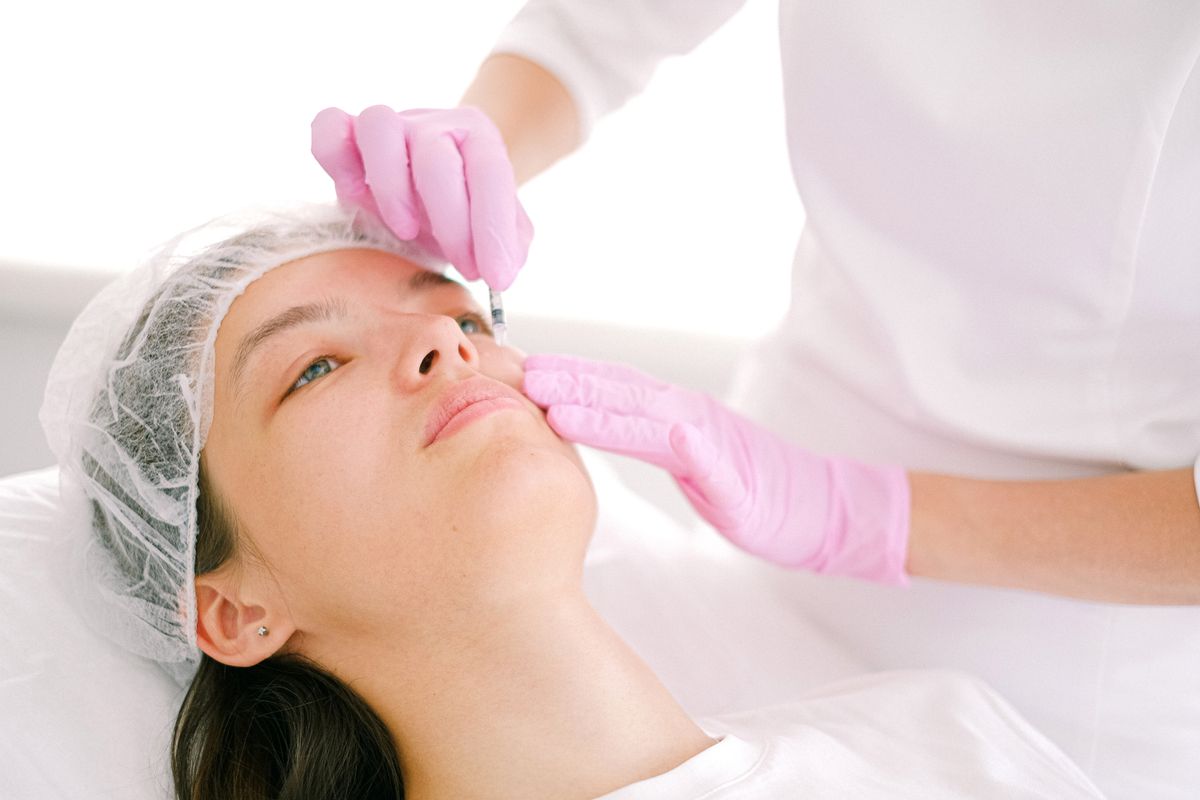
A board certified plastic surgeon called us frustrated. Her surgical results were, by any honest measure, excellent. Her patients loved her. And yet a newer, glossier practice two miles away was booking more consultations with a less experienced surgeon. How? We looked at both practices the way a real patient would. On the competitor's site, a nervous first timer found dozens of real before and after photos, a wall of recent reviews, a friendly video of the surgeon explaining a procedure, and a button that booked a consult in thirty seconds. On our client's site, a beautiful but slow homepage, a contact form nobody answered until the next afternoon, and almost no proof. Same city, same procedure, wildly different marketing. The better surgeon was losing to the better experience.
That is the whole puzzle of marketing a plastic surgery practice. This is not a common cold and a copay. It is an expensive, permanent, deeply personal decision that almost nobody pays insurance for. So the practice that earns trust first, and makes booking easy, wins the patient. Here is how to be that practice.
Why plastic surgery marketing is a different animal
Most healthcare marketing advice assumes insurance and routine visits. Cosmetic surgery breaks those assumptions in ways that change everything about how you should market.
It is cash pay. The vast majority of cosmetic procedures are paid out of pocket, not billed to insurance. That is scary for the patient and freeing for you. Scary because they feel every dollar, so they scrutinize you harder. Freeing because you are not trapped by insurance rates, which means a booked case is worth real money and you can afford to market properly to earn it.
The ticket is high and the patient is worth a lot. According to the American Society of Plastic Surgeons, average surgeon fees run into the thousands for common procedures, and that is before facility and anesthesia costs. A single rhinoplasty, breast augmentation or tummy tuck can be worth several thousand dollars, and a happy patient often comes back for non surgical treatments for years. That changes the math on what you can spend to get one, which we broke down in how much a new patient is worth.
The decision is slow. Nobody wakes up and books a facelift by lunch. Patients research for weeks or months, compare surgeons, read reviews, study before and after photos, and often sit on the idea before they ever reach out. Your marketing has to be present and reassuring across that entire window, not just the day they are ready.
Demand is real and growing. The ASPS reports millions of cosmetic procedures performed in the United States each year, with minimally invasive treatments like injectables numbering in the tens of millions annually and surgical procedures in the millions. The patients exist. The question is whether they find you or the glossier office down the road.
1. Your website is the consultation before the consultation
For a plastic surgery practice, the website is not a brochure. It is the single most important sales asset you own, because it is where a scared, hopeful, careful patient decides in private whether you are the one. It has to do three jobs well: prove your results, build trust, and make booking effortless.
First, speed. Half of visitors abandon a page that takes more than about three seconds to load on a phone, according to Google's own research, and cosmetic sites are often the worst offenders because they are stuffed with giant hero videos and huge galleries. A slow, gorgeous site loses to a fast, clear one every time. We wrote about that exact trap in why a slow website costs you patients.
Second, proof. Real before and after galleries, real reviews, real credentials, real photos of the actual surgeon and team. Not stock models, not a faceless clinic. A patient trusting you with their face wants to see faces.
Third, an easy path to book. A single, obvious way to request a consultation from every page, ideally with real online scheduling instead of a form that vanishes into an inbox. We covered why the form matters so much in why patients abandon your booking form. This is the kind of build we do on our websites that convert and rank: fast, credible, and designed to turn a first time visitor into a booked consult.
2. Before and after photos, done the right way
Nothing sells a cosmetic result like an honest before and after. It is the closest a patient gets to seeing their own future. But this is also where practices get themselves in trouble, so a few rules matter.
Consent first, always. Never post a patient photo without proper written consent for marketing use. This protects the patient and protects you.
Consistency makes them believable. Same lighting, same angle, same distance, same background on both shots. The second an after photo looks brighter or closer, patients smell a trick and trust nothing. We made this exact point about before and after photos in a full guide, because honest photos out perform dramatic ones.
Host the deep gallery on your own site. Social platforms restrict a lot of cosmetic before and after imagery, and your website is the one place you fully control. Let your site carry the full, organized gallery by procedure, and use social to tease and educate within the rules.
3. Ads that book consults instead of getting rejected
Here is the part that drives plastic surgeons crazy. You build a beautiful ad with a stunning before and after, and Meta rejects it. This is not random. Meta's advertising policies restrict content that implies a negative self perception or zooms in on a specific body part, and cosmetic before and after imagery gets caught in that net constantly. Google also limits certain health and cosmetic ads. If you fight the system, you lose. If you understand it, you win.
The move is to change the angle of the message, not just the image. Instead of a tight before and after of a body part with copy that pokes at insecurity, lead with confidence, education, and the experience of your practice. Show your surgeon explaining a procedure. Show your team and your space. Show a patient's confident lifestyle, not a flaw. Then send that traffic to a landing page where fuller galleries and detail can live within the rules. We explained the rejection problem in depth in why Facebook rejects medical practice ads.
On Google, high intent search is gold for cosmetic surgery, because someone typing rhinoplasty surgeon plus your city is far down the decision path. But clicks are expensive in this space, so the landing page and the follow up have to be airtight, or you are paying premium prices to leak patients. If your clicks are not turning into consults, the problem is usually after the click, which we dug into in why your ad clicks are not booking patients.
The number that matters is not clicks or likes
It is booked, completed procedures and what each one cost to get. A campaign with a gorgeous click through rate that books nobody is a loss. A smaller campaign that books three consults and closes two surgeries is a win. Because cosmetic cases are worth thousands, you can afford a higher cost per lead than most practices, as long as you trace every dollar to a real case on the schedule. Chase clarity, not vanity metrics.
4. Instagram and TikTok: proof, not just pretty
Aesthetic medicine lives on social. This is one of the rare corners of healthcare where patients genuinely follow, research and get inspired on Instagram and TikTok. But the practices that win are not the ones posting the most polished ads. They are the ones that feel real: honest education, a surgeon who explains the boring but important parts, recovery expectations told straight, and personality that makes a stranger feel like they already know you.
Give people a reason to trust before they ever call. Answer the questions patients are too shy to ask. Show what a consultation is actually like. Introduce your team. When someone finds a before and after on Instagram and loves it, make sure they can book without a scavenger hunt: a clear booking button right on the profile turns a scroll into an appointment. This is the ongoing work behind our social media management for healthcare, where the goal is booked consults, not just follower counts.
5. Reviews and reputation carry more weight here than almost anywhere
When the decision is permanent and expensive, other patients' experiences become the deciding factor. A steady flow of recent, honest reviews does two things at once: it reassures the careful shopper, and it lifts your local ranking so more strangers find you in the first place. Ask at the right moment, the second a patient is glowing about their result, and make it effortless. We laid out the how in getting more Google reviews.
Just remember the privacy line. Even in cosmetics, you cannot confirm someone is a patient in a public reply or share their details. Keep public responses generic and take specifics to a private channel. We covered the safe way to handle this in responding to negative reviews without breaking HIPAA.
6. The consultation is a leak most surgeons never see
You can do everything above perfectly and still lose the patient at the last step. A prospective cosmetic patient is nervous and shopping several surgeons at once. If they call and hit a full voicemail, or fill out a consult request at 9pm and hear back at 2pm the next day, they have already booked with whoever answered first. Speed is not a nicety here, it is the difference between a booked case and a lost one. Research on new leads consistently finds you are far more likely to connect when you respond within minutes rather than hours, which we covered in how fast to respond to a new patient inquiry.
This is why we build a real intake and follow up engine into every patient acquisition system, not just ads that dump leads into a busy front desk. When your team is in the operating room or slammed at the desk, calls and messages still need to be caught, answered and booked. Our AI receptionist picks up every call and message, day or night, answers the common questions, and books the consultation right then, so the careful patient who was ready at 9pm does not slip to the surgeon who happened to answer.
Our honest opinion: sell reassurance, not discounts
Here is where we plant a flag. A lot of cosmetic marketing leans on urgency and price: this month only, limited time, a big number slashed in half. For quick non surgical treatments, a smart promotion can work. For actual surgery, we think leaning on discounts is a mistake. The patient who chooses a surgeon because of a coupon is the patient most likely to be unhappy, most likely to compare you to the next deal, and least likely to trust the outcome. The patient who chooses you because you felt safe, proven and honest is the one who books, refers a friend, and comes back for years.
So build your marketing around reassurance and proof. Credentials made obvious. Results shown honestly. Reviews kept fresh. Education that respects how big this decision is. A booking experience that feels calm and easy. That is not soft marketing, it is the marketing that actually converts high value cosmetic patients, because it speaks to the real thing they are buying, which is confidence in you.
And do not judge any of it in two weeks. Cosmetic patients research for a long time, so a consult you earn in July may have started following you in April. Search and reputation build slowly, ads need volume to read, and the decision cycle is long by nature. Give each channel enough time and enough booked consults to show its real pattern before you cut it.
How EtherealMinds markets plastic surgery practices
We work only with healthcare, and cosmetic practices are one of the clearest fits, because everything we build is aimed at earning trust and turning it into booked appointments. We build the fast, credible website with organized before and after galleries and real online booking. We run ads and local SEO designed to comply with Meta and Google rules so your campaigns run instead of getting rejected. We handle social media that educates and proves rather than just posts. And we plug in the intake, follow up and AI receptionist so no consult request ever slips through. One system, built to book real cases, measured by real cases.
So how do you market a plastic surgery practice? Win trust before the phone rings, prove your results honestly, run ads that respect the rules, and answer fast enough to catch the patient while they are ready. Do that, and the better surgeon stops losing to the glossier office, because now you are both.
Book more consults, not just clicks
Book a free strategy call. We will look at your website, your reviews, your ads and your intake through the eyes of a nervous cosmetic patient, show you exactly where consults are leaking, and build the system that turns careful lookers into booked cases. Healthcare only, no jargon, no pressure.
Book a free strategy call →