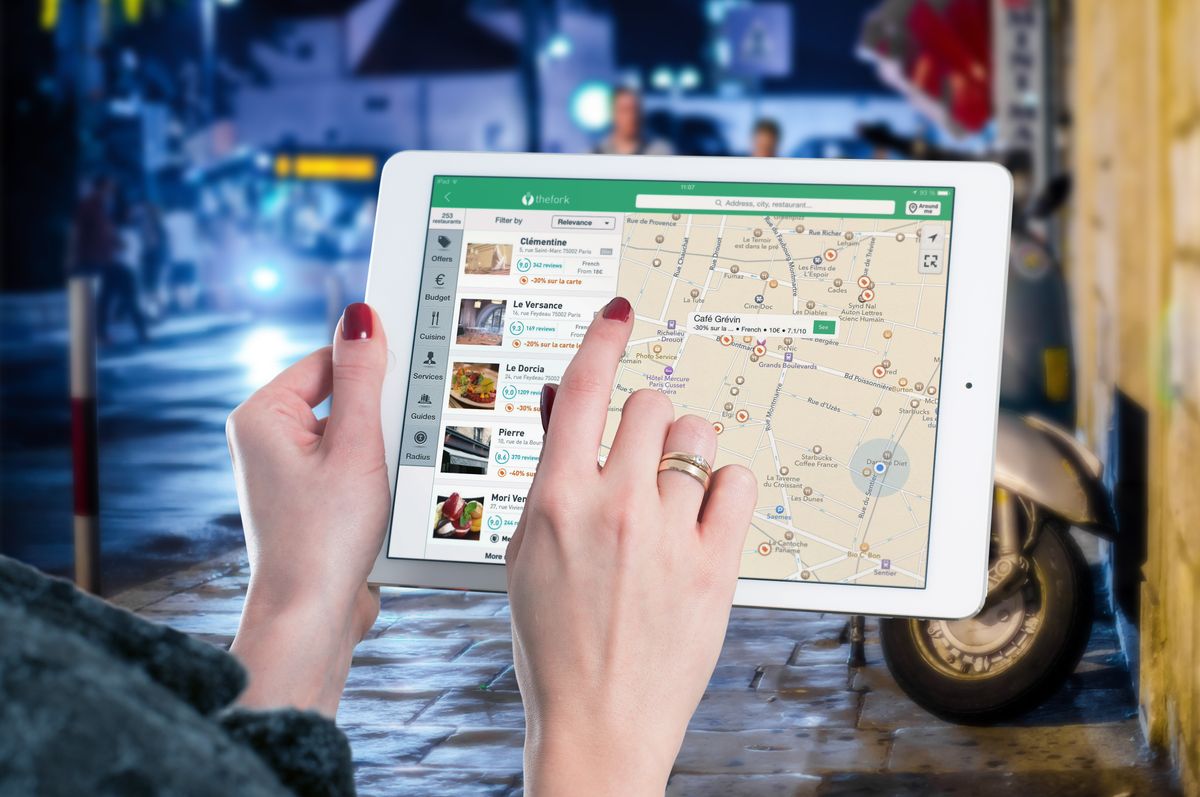
A pediatrician called us convinced her marketing was broken. Her website looked great, she was paying for it, and new patients were barely trickling in. So we ran the search her patients actually run, pediatrician plus her city, on a phone. Her practice was nowhere on the map at the top. Three other offices sat there instead, collecting the calls. She was not losing patients because her care was worse. She was losing them because she was invisible in the one spot that decides most local searches: the Google Maps 3 pack.
This is the question behind a hundred others owners ask us. Why am I not showing up? Why does the office down the street get more calls? How do I rank higher on Google Maps? Once you understand how that map works, the fix stops feeling like a mystery and starts feeling like a checklist.
What the 3 pack actually is, and why it beats your website
Search any local service on Google and you get a small map with three business listings under it. That is the local pack, often called the 3 pack. It sits above the normal blue links, and for a practice it is prime real estate. Each listing shows your name, star rating, hours, a call button and a directions button, right there, no clicking through required.
Here is the part owners miss. Most people never scroll past those three. They tap one, glance at the reviews, and call. Your beautiful website, the one you paid thousands for, does not even enter the picture if you are not on the map first. That is why two practices with similar care can have wildly different phones ringing. One shows up where people choose. The other is a page and a scroll away, which in local search may as well be a different town.
If your listing is not even claimed or keeps getting flagged, start with the basics. We covered the common causes in why your practice is not showing up on Google and why a Google Business Profile gets suspended. Get those sorted first, then come back here to climb.
The three things Google uses to rank the map
Google does not keep this a secret. On its own Business Profile help pages, it names exactly three factors that decide local ranking: relevance, distance and prominence. Everything else you read online is just detail hanging off these three.
Relevance: how well you match the search
Relevance is how closely your profile fits what the person typed. If someone searches dermatologist and your profile clearly says dermatology, lists the right services, and describes what you do in plain words, Google sees a strong match. A thin, half filled profile with one vague category does not. Industry analysis puts relevance at roughly a quarter of the ranking, and the good news is almost all of it is in your hands.
Distance: how close you are
Distance is how far you sit from the person searching, or from the place they named. This is the one factor you cannot control, short of opening a second location. It used to dominate the map. It matters less now, an estimated 15 percent or so, which is great news, because it means proximity alone will not save a lazy competitor and it will not sink you if you are a few blocks farther out. You win on the other two.
Prominence: how known and trusted you look
Prominence is Google's read on how established and reputable your practice is. Reviews feed it. Links to your site feed it. Mentions of your name and address around the web feed it. A profile that gets posts, photos and answers feeds it. This is the factor with the most room to move, and it is where most practices leave the biggest wins on the table.
The takeaway that changes everything
You cannot move your building, so stop worrying about distance. Relevance and prominence together make up the large majority of what you can influence. Pour your energy there. A practice that nails those two routinely outranks a closer competitor who set up a profile once and never touched it again.
The moves that actually climb the map
Now the practical part. Here is what we do for practices, in rough order of impact, and what you can start this week.
1. Fill your Google Business Profile all the way out
Half filled profiles lose to complete ones. Pick the most accurate primary category and add real secondary ones for each service. Write a clear description in plain language. Add your services and prices where it fits. Set correct hours, including holidays. Load real photos of the office, the team and the front door, because listings with photos get noticeably more calls and direction requests. If you have never touched half of these, this one afternoon can move you. We go deeper in setting up your Google Business Profile.
2. Get a steady stream of fresh reviews
Reviews are one of the strongest prominence signals there is, worth an estimated 10 to 15 percent of the ranking on their own. And Google does not just count them. It weighs how many you have, how recent they are, your rating, and the words inside them. Ten reviews from this month beat fifty from three years ago. The trick is asking at the right moment, right when a patient says they feel better, and making it one tap. We wrote the full playbook in how to get more Google reviews, including the wifi mistake that silently deletes half of them.
3. Reply to reviews and answer the questions
Replying to reviews, the good ones and the bad ones, is a signal that your profile is alive and tended. Do it within a day or two. And check the Q&A section, because anyone can post an answer there, including a stranger with wrong information. Seed it yourself with the questions patients actually ask. We broke this down in the Google Business Profile Q&A and in how to reply to negative reviews without breaking HIPAA, which matters more than owners think, because one wrong public reply can cost you a fine.
4. Keep your name, address and phone identical everywhere
Google cross checks your practice across the web. If your address or phone number reads one way on your site, another on an old directory, and a third on Yelp, that inconsistency chips at trust and at rank. Pick one exact format and make every listing match it, letter for letter. Your insurance directory listings count here too, and they are notoriously wrong. We covered that in fixing your insurance directory listing.
5. Make your website earn its keep for local search
The map and your website are not separate worlds. Google looks at your site to judge relevance and prominence. A fast site, with a clear page for each service and your city named naturally in the copy, tells Google what you do and where. A slow, thin one tells it very little. If your site drags, you are hurting the map ranking too. We dug into speed in why a slow website costs you patients, and into structure in why each service deserves its own page. This is a big reason we build websites that are made to convert and rank, not just look nice.
6. Post on your profile and keep it active
Google Business Profile has a Posts tool most practices never open. Drop short updates: now booking new patients, a new service, seasonal hours. It signals an active, real business and puts fresh words right where people decide. It takes minutes and almost nobody in your area is doing it.
What does not work, so you can stop wasting time
A few things owners try that do not move the map, and one that can get you banned. Stuffing your business name with keywords, like Smile Dental Best Dentist Near Me, breaks Google's rules and can get your listing suspended. Fake reviews get filtered and can also get you penalized. And paying an agency that promises a guaranteed number one spot overnight is a red flag, because nobody controls Google's algorithm and the honest ones will tell you it takes months. If someone guarantees instant top ranking, keep your wallet closed.
One more. You cannot pay Google for the three organic map spots. You can pay for the sponsored slot above them with Local Services Ads or Google Ads, and that can be smart for instant visibility while your organic ranking builds. But that is a paid placement sitting on top of the pack, not the pack itself. The organic three are earned.
Our honest take: the map is the highest ROI marketing most practices ignore
We will say it plainly. For a local medical practice, ranking in the Google Maps pack is often the single highest return move available, and most owners spend on everything but this. It is not glamorous. There is no clever ad to admire. It is a claimed profile, a steady review habit, consistent listings and a site that backs it up. Boring, and it keeps bringing in new patients in the background for years after you do the work, unlike an ad that stops the second you stop paying.
It also compounds. Each fresh review lifts your prominence, which lifts your rank, which puts you in front of more people, who leave more reviews. Practices that start this early build a moat that a new competitor down the street cannot buy their way past in a month. We touched on that in what to do when a new competitor opens nearby.
Ranking is only half the job
Here is the trap. You climb the map, the calls go up, and then they slip away because nobody answers the phone. It is a real and common way to win the ranking and lose the patient. Studies of medical offices find a large share of calls go unanswered during business hours, and most people who hit a voicemail just call the next practice on the map. So getting found is step one. Catching every call and turning it into a booked appointment is step two, and it is where the map ranking either pays off or leaks away. If your front desk is stretched, our AI receptionist answers and books every one, day or night, so the patients you worked to attract actually make it onto the schedule. We wrote more on that in how the front desk loses patients on the phone.
How EtherealMinds handles this for practices
When we run a patient acquisition system for a practice, the map is a core part of it, not an afterthought. We optimize your Google Business Profile end to end, build the review engine that keeps fresh ones coming, clean up your listings across the web so they all match, and tune your website so it feeds your local ranking instead of dragging it. Then we connect it to social and ads and make sure every call that results actually gets answered. The map gets you seen. The rest of the system turns that into booked patients.
So how do you rank higher on Google Maps? Max out the two things you control, relevance and prominence, keep a steady review habit, make every listing match, back it with a fast local site, and stay active. It is not instant and it cannot be bought, but it is the closest thing to a durable edge a local practice has. Do the boring work, and you become the practice that shows up first when your next patient is deciding.
Want to own the map in your area?
Book a free strategy call. We will run the searches your patients run, show you exactly where you rank today, and lay out the plan to climb the local pack and turn those calls into booked patients. No jargon, no guarantees of magic, just the honest work that moves it.
Book a free strategy call →