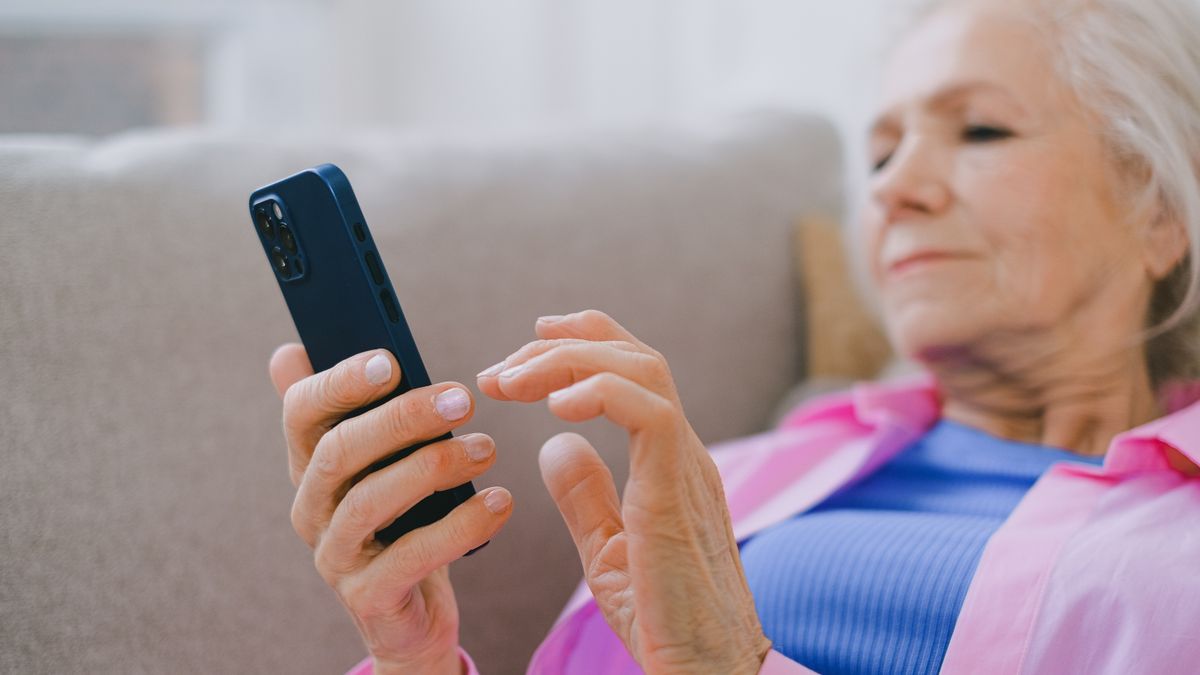
A clinic owner told us last month that she skipped online booking because, in her words, half her patients are on Medicare and they just want to call. Fair enough. So we looked at her actual front desk logs. A third of the people trying to reach her were calling after the office had closed, hitting a voicemail, and never calling back. Plenty of them were in that older group she was sure would only ever pick up the phone. They did pick up the phone. They just did it at 7pm, got nothing, and moved on.
That is the real cost of the too old to text myth. It is not that older patients refuse technology. It is that the practice never gave them a second way in, so the ones who reached out at the wrong hour simply vanished. Let us look at what the data says, then what to do with it.
Older patients own smartphones. Most of them.
Start with the device in their hand. According to the Pew Research Center, 78% of adults 65 and older now own a smartphone, and 90% of them use the internet. Step down one age bracket and it is near universal: 90% of adults 50 to 64 own a smartphone. These are not people staring at a device they do not understand. They check the weather, they video call their grandkids, they bank, they shop. The phone is already part of their day.
So the premise behind phone only booking, that older patients are offline, does not hold up. The gap is real but much smaller than most owners picture, and it shrinks every single year as today's fifty somethings become tomorrow's seventy somethings carrying the same phones they have had for a decade.
And they text. A lot.
Here is the number that surprises people most. AARP's 2024 Tech Trends report found that 94% of adults 50 and older use text messaging regularly to stay in touch, making it the leading communication method in that whole group. Dig in and 61% of them text every single day. Texting is not a thing their grandchildren do. It is a thing they do, constantly.
Now line that up against how patients say they want to hear from a doctor. Across the board, text wins. Recent patient communication surveys put the share of patients who prefer texting from their provider far above phone calls, and most patients say a text reminder makes them more likely to actually show up. We went deeper on the two way side of this in whether your medical practice should use two way texting, and the short version is that a quick reply to confirm or reschedule beats phone tag for almost everyone, older patients included.
They are already using digital health tools
It goes beyond texting. AARP found that the use of medical digital services among adults 50 and older jumped from 35% in 2024 to 46% in 2025. In roughly a year, digital contact with the healthcare system nearly caught up to half of that population. Telemedicine, patient messaging, online scheduling, these are not fringe behaviors for seniors anymore. They are becoming the norm, and the practices that assume otherwise are building their front desk around a patient who stopped existing a few years ago.
None of this means your older patients want to be forced through a clunky portal with six passwords. They do not, and honestly neither does anyone else. It means the option should exist, it should be simple, and it should live where they already are: their phone. If you want the fuller picture on reaching this group, we wrote a companion piece on how to attract older patients to your practice.
The phone is not going away, and that is fine
Let us be honest about the other side, because it matters. Boomers are more split than younger patients. A meaningful share still prefer a phone call for many interactions, and a warm human voice is often exactly the right thing, especially for a nervous first time patient or a sensitive issue. Nobody at EtherealMinds is telling you to rip out the phone and hide behind a chatbot.
The point is narrower and more useful than that. The problem was never the phone. The problem is making the phone the only way in. When calling is the single door, you lose everyone who reaches out while that door is locked, which is nights, weekends, lunch breaks, and every minute your one front desk person is already on another call. That is the leak we keep finding, and we broke it down in whether you are losing patients after hours.
A simple test for your own practice
Pull last month's call log and count how many calls came in after you closed. Then ask how many of those people called back the next day. The gap between those two numbers is patients who wanted you and could not reach you. Now picture the same patients with a booking link they could tap at 9pm, or a text they could send and get answered. That gap is not a technology problem. It is a doors problem, and most of the people falling through it are not as young as you think.
What this means for your practice, concretely
You do not need a complicated system to fix this. You need two obvious doors next to the phone.
A fast, readable website with booking that works on a phone. Most patients, older ones very much included, will reach for your site on their phone first. If the booking button is buried, tiny, or the page takes five seconds to load, you lose them regardless of age. Large text, plain language, one obvious place to book. That is the whole game, and it is why we build websites that convert and rank rather than pretty pages that sit there. If you are wondering whether your current patients would even use it, we covered that in whether existing patients will book online.
Two way texting with clear opt in. Reminders, confirmations, simple questions, rescheduling. It meets older patients in the app they already check all day and cuts the phone tag your front desk hates. If you are still weighing it, patients booking an appointment by text walks through how it works in practice.
And for the hours nobody is at the desk, this is exactly where an AI receptionist earns its keep. When a patient calls at 7pm or sends a text on a Sunday, something answers, takes the message, books the slot, and nobody is lost to voicemail. It does not replace your warm front desk during the day. It covers the doors you cannot staff, which is where the after hours leak lives. All of it ties into one connected patient acquisition system, so a patient who finds you on Google and reaches out at an odd hour actually turns into a booked appointment instead of a missed call.
Our honest take
The too old to text belief is comfortable because it lets a practice avoid changing anything. But it is costing you real patients, and the data has moved on. 78% of your 65 and older patients have a smartphone in their pocket. 94% of the 50 plus crowd text every week. They are online, they are comfortable, and increasingly they expect a healthcare experience that respects their time. You do not have to go all digital or abandon the phone. You just have to stop assuming the person who prefers a text or a tap is always the twenty five year old. More and more, it is the retiree who booked her last three flights on her phone and would happily book you the same way, if only you let her.
Not sure how many patients your phone only setup is losing?
Book a free strategy call. We will look at how patients are actually trying to reach you, test your site's booking on a phone, and show you the simplest way to add text and online booking without losing the personal touch your older patients value. No jargon, no pressure, just a straight answer.
Book a free strategy call →