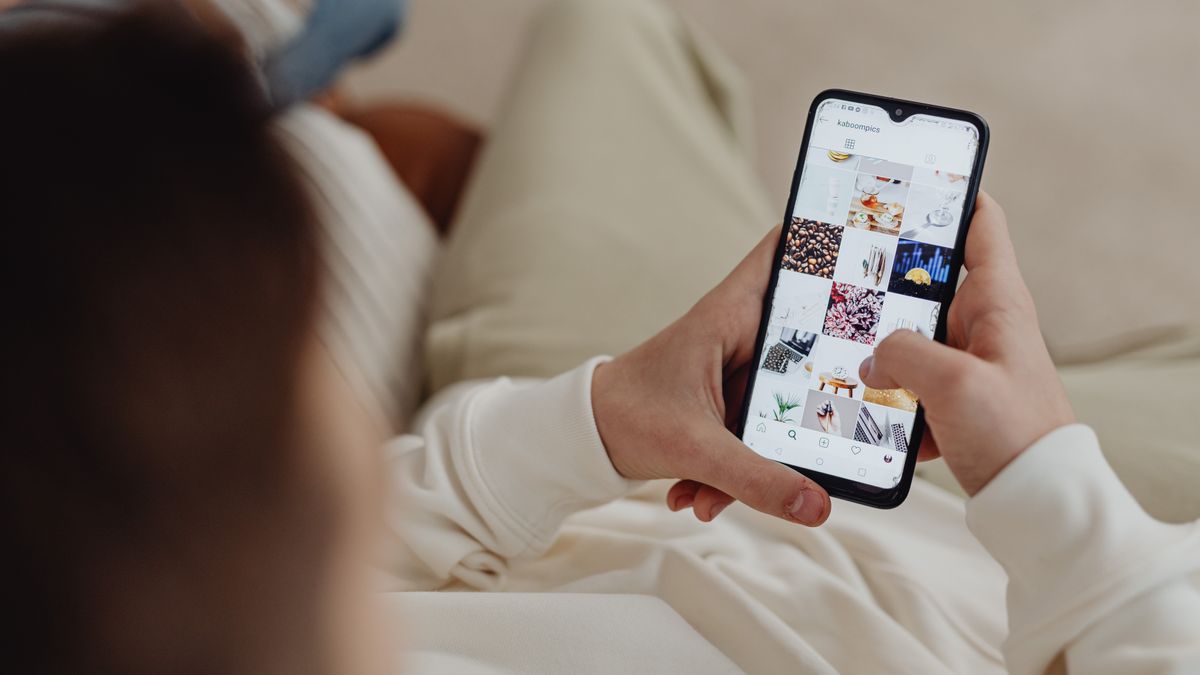
A dermatologist told us about a patient who came in convinced she should stop wearing sunscreen. She had seen a confident video claiming it caused more harm than the sun. It took most of the visit to gently walk that back. The patient was not careless. She was informed, just by the wrong teacher. And the teacher had better lighting, a friendlier tone, and a lot more practice talking to a camera than the doctor did.
This is the new exam room. Your patients do not arrive as blank slates anymore. They arrive with a phone full of opinions, formed by people they have never met, about conditions you have treated for twenty years. You can be annoyed by that, or you can do something about it. The practices that grow over the next few years will be the ones that stop treating social media as noise and start treating it as the place where trust is now won or lost.
Your patients are getting health advice whether you post or not
Here is the part owners underestimate. This is not a small group of teenagers. According to a KFF Tracking Poll conducted in mid 2025, about 31 percent of adults use social media at least monthly for health information, and roughly 55 percent use it at least occasionally. The most common topics people saw in the past month were weight loss and nutrition at 72 percent and mental health at 58 percent.
The detail that should stop you: even people who said they never use social media for health advice reported seeing health content anyway. The feed does not wait to be asked. It pushes advice at your patients between a recipe and a dog video, and it lands whether they went looking or not. Younger adults and Black and Hispanic adults use it the most, so if those groups matter to your practice, this is already shaping who walks through your door.
None of this means patients trust the internet more than their doctor. Most still rank a real clinician at the top. But trust is not a one time vote. It is a running total, and the influencer is depositing a little every single day while most practices deposit nothing. Over a year, that adds up to a patient who feels like they already know a stranger on TikTok better than they know you.
It is not just influencers anymore. The doctor might be fake.
There is a newer wrinkle that makes this genuinely worse. It is no longer only real people with strong opinions. Investigations through 2025 and into 2026 have documented AI generated avatars posing as doctors, confidently handing out medical advice to large audiences. Some of these fakes even borrow the face, name, and title of a real physician who never recorded a word of it.
Sit with what that means for a patient scrolling at 11pm. A calm figure in a white coat, labeled as a doctor, tells them a supplement will fix their thyroid. It looks real. It sounds certain. And it is nobody. When patients cannot reliably tell a real clinician from a generated one, the whole idea of online authority gets shaky, and a lot of people just go with whatever felt most convincing. We wrote before about how patients are using AI to self diagnose, and this is the same current running in a stranger direction.
Strangely, this is also your opening. In a world of maybe real doctors, being an obviously real one becomes a genuine advantage. A face patients can book an appointment with. A name attached to a local address. A person who will still be there next week. That is the one thing an AI avatar and a faraway influencer can never offer, and it is exactly what your practice already has.
Why telling patients they are wrong backfires
The instinct, when a patient repeats something silly they saw online, is to correct it firmly. Resist that. Coming in hot almost always backfires. The influencer feels to the patient like a trusted friend who is on their side, and a blunt correction can make you sound like the establishment brushing them off. Push hard and you do not win the argument. You just become the doctor who made them feel dumb, and they stop telling you what they read, which is worse.
The move that works is softer and more effective. Acknowledge what they saw, find the grain of truth in it, then guide them to the fuller picture in plain words. Something like: "I get why that video worried you, a lot of people are sharing it. Here is what it left out." Now you are the calm guide, not the gatekeeper. This is the same trust that decides whether a stranger books at all, and we go deeper on it in what makes patients trust your website.
You do not beat TikTok by ignoring it
Plenty of good doctors have decided the answer is to stay off social media entirely and let the quacks have it. That is understandable, and it is a mistake. Silence does not make the misinformation go away. It just means your patients hear only the other side. The feed is going to talk about your specialty with or without you. The only question is whether a credible local voice is in that conversation.
And it pays off when you do show up. Reporting in 2026 noted that roughly a third of patients have chosen a physician based in part on their social media presence. That is not vanity. That is a booked visit that started with a video. The doctors winning here are not the ones with the most followers. They are the ones who reliably answer the real questions patients are already asking, in a human voice, from a real practice people can actually visit.
What actually works for a real practice
You do not need a studio or a viral gimmick. You need to be consistently, credibly present. Here is what moves the needle for the practices we work with.
Answer the exact questions you hear in the room. Every question a patient asks at the visit is a video someone else is already searching for. "Does this treatment hurt?" "Is this mole something to worry about?" "What actually causes this?" Film the honest 45 second answer. You will never run out of topics, because your schedule writes them for you.
Put the real doctor on camera. Polish is not the point, and it can even hurt you now that anything too slick reads as possibly fake. A real clinician, in the real office, saying true things simply, beats a glossy edit. Patients are not grading production. They are deciding if you seem trustworthy. If you are weighing whether to feature the practice or the person, our take on why doctors need social media is worth a look.
Be findable the second after the video ends. A patient watches your clip, gets curious, and searches your name or your specialty near them. If nothing solid shows up, the moment dies. This is where your search presence carries the content, so interest turns into a click to your site instead of a dead end. Content and search are not two projects. They are two halves of the same one.
Turn each answer into a page you own. A video disappears down the feed in a day. The same answer, written up on your website, works for years and gets cited by Google and AI answer tools when patients ask. Post it on social to reach people scrolling, and publish it on your site to reach people searching. One recording, two audiences, and you are the source both of them land on.
Give the attention somewhere to go. Views do not fill a schedule. A clear next step does. Every piece should make it obvious and easy to book, so a curious viewer becomes a real appointment instead of just a follower. Content with no path to the calendar is a hobby. Content wired into patient acquisition is growth. If your posts get seen but nothing happens, our piece on why social media is not getting you patients covers the usual gaps.
Our honest take
You are not really competing with Dr. TikTok on views, and you will lose that race anyway, so stop running it. You are competing on trust, and there you start miles ahead. You have the credentials, the local reputation, the actual ability to help. The influencer has a ring light and a guess. The only thing they are beating you on is showing up. They post the answer every day, and you post it never, so patients absorb their version by default.
So post the boring, true answer. Say the accurate thing in a warm, human way, over and over, and be easy to find and easy to book when someone believes you. It will not go viral, and it does not need to. It just needs to reach the handful of local patients deciding who to see this month, and be the most trustworthy thing they scroll past. That is a fight you can win, because it is the one you are already built for.
How EtherealMinds helps practices win it
This is the whole reason we exist. We handle social media management built around the real doctor and the real questions patients ask, so your practice is the credible voice in the feed instead of a bystander. We make sure your website and search presence catch every patient who gets curious and looks you up, and we wire it all into one patient acquisition system so attention turns into booked visits. Healthcare only, across the United States, so the strategy actually fits how patients choose a doctor.
If your patients are quoting the internet back to you and you are tired of playing defense, that is the sign it is time to get in the conversation on your own terms.
Become the voice your patients trust
Book a free strategy call. We will look at where your patients are getting their health information, show you the gaps a competitor could fill, and map out how to make your practice the credible, findable, bookable answer.
Book a free strategy call →