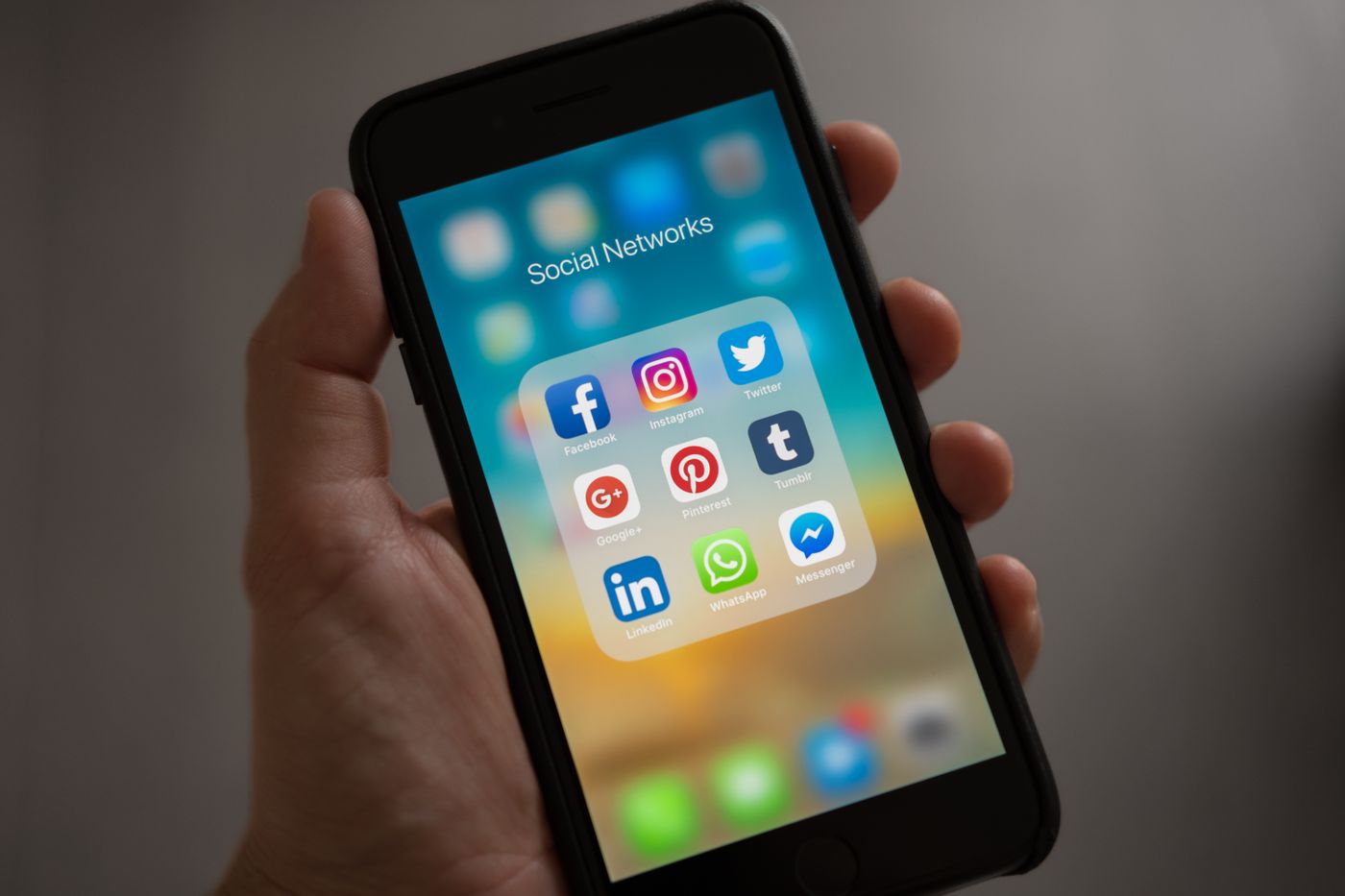
A med spa owner told us something last month that stuck with me. A new client had booked a Botox appointment, and when she asked how the woman found them, the answer was not Google, not a referral, not an ad. It was TikTok. The client had searched "Botox near me" inside the app, watched a few clips from local injectors, liked how one nurse explained things, checked her page, and booked. She never opened Google once.
That is not a fluke anymore. It is a shift in where the search for a doctor actually begins. And most practices have not caught up to it, because they still think of TikTok and Instagram as places to post, not places where people search. That gap is slowly costing them patients. Let me show you the data, then the honest version of what to do about it.
Search is not only Google anymore
Even Google admits this. Back in 2022, a senior Google executive said at a Fortune conference that in the company's own research, roughly 40% of young people looking for a place to eat lunch do not go to Google Maps or Search. They go to TikTok or Instagram instead. That quote, reported by TechCrunch, was the moment a lot of marketers realized the search box had moved.
The numbers have only grown since. A 2024 study from Adobe found that about 41% of Americans have used TikTok as a search engine, and among Gen Z that figure was closer to two thirds. People are not just scrolling for fun. They are typing questions into the search bar, the same way their parents type into Google, and they trust the short video answers they get back.
Why do people like it? Because a 20 second clip shows them things text cannot. They can see the office, hear the provider talk, watch a real result, and get a feel for whether they would be comfortable there. For a nervous patient choosing who to trust with their face, their teeth, or their body, that beats reading ten blue links.
Patients are doing this for health, not just lunch
This is not only about restaurants and travel. Health is one of the biggest search categories on social. Reporting from pharmaphorum and others has found that roughly one in three Gen Z adults now turn to TikTok as a main source of health and wellness advice, and a meaningful share say they check the app before they see a doctor.
Think about what that means for a practice. Before someone books a consult, they may already have searched your treatment on social, watched a dozen creators explain it, and formed an opinion about the cost, the recovery, and whether it even works. They search "lip filler gone wrong," "does semaglutide work," "what to expect after a dental implant," and "chiropractor for back pain." By the time they look you up, they are not starting from zero. They are choosing.
If a local, licensed provider shows up in those searches with calm, accurate clips, that provider gets the trust. If not, some random creator with no credentials gets it instead. For visual services this is huge, which is why we build so much of our social media strategy for med spas and our content plans for dermatology practices around the exact questions patients type, not around what the practice feels like posting.
But do not delete your Google listing
Here is where I want to be honest, because the internet loves to overstate this. Social search is real and growing, but Google is not dead, and anyone telling you to abandon it is selling you something.
In fact, Adobe's own more recent data showed the share of Gen Z who say they prefer TikTok over Google for search actually going down, not up, as the reporting from Search Engine Journal laid out. People discover on social, but a large number still cross check on Google before they commit. They find you on TikTok, then they Google your name, read your reviews, look at your map pin, and decide.
So this was never a choice between social and Google. Discovery and decision are two separate steps. Social is winning more of the discovery. Google, your website, and your reviews still own the decision. If you are strong on one and weak on the other, you leak patients at the seam. That is also why we treat social and healthcare search visibility as one system, not two departments that never talk.
What "social search" actually means for your practice
Being found in social search is not the same as posting pretty pictures. The platforms read the words in your captions, your bio, and the text on your videos to decide what to show when someone searches. Most practices write clever slogans and vague brand lines that no patient would ever type. That is the mistake.
A few plain habits change everything:
- Use the words patients type. Say the treatment name and your city out loud in the caption and on screen: "morpheus8 in Austin," "Invisalign for adults Dallas," not "glow up szn." Write for the search bar, not for applause.
- Name videos for the question they answer. "How much does lip filler cost" or "day three after a tummy tuck" gets found. A clip labeled "vibes" does not.
- Answer real questions. Cost, recovery, does it hurt, am I a candidate, how long does it last. These are the exact things people search, and they are easy for you to answer honestly.
- Stay consistent. A steady flow of short, helpful clips teaches the platform what you are about far better than one polished video a month. Consistency is a ranking signal, not just a discipline.
- Keep one clear handle and location. Same name across platforms, city in the bio, so both patients and the search feature can connect the dots.
None of this needs a studio. It needs a real provider, decent light, and the willingness to say plainly what you do and where you do it.
The misinformation problem is your opening
Here is the part that should make you want to start today. Reviews of health content on TikTok and Instagram have found that a large chunk of it, by some counts close to a third, is misleading, especially on weight loss, nutrition, and cosmetic procedures. Patients are swimming in confident advice from people with zero training.
That is not a reason to stay out. It is the reason to get in. When a real, licensed, local provider shows up and calmly corrects a myth or explains what actually happens in a procedure, you stand out instantly, because so little of the feed is trustworthy. You are not competing with the polished influencer. You are offering the one thing they cannot: you are real, you are local, and patients can actually book you. That is a genuine advantage, and most practices are leaving it on the table.
Where practices get this wrong
Two mistakes sink most efforts. The first is posting with no thought to search, treating social like a scrapbook of office parties and holiday graphics instead of answering what patients look for. Reach dies, and nobody discovers you. If you want the deeper version of this, we covered whether a practice can even grow without social media at all.
The second mistake is winning the discovery and fumbling the booking. A patient finds your clip, loves it, taps through, and then hits a slow website, a booking form that fights them, or a phone that rings out to voicemail at 6pm. You did the hard part and lost them at the finish line. Discovery on social only pays off if the next steps are fast. That means a website built to book, not just to look nice, and someone, or something, that answers the second a patient reaches out. When one of ours messages or calls after hours, an always on AI receptionist answers and books them before they cool off and scroll to the next clinic.
So what should your practice do?
Do not chase every trend or dance on camera. Do this instead. Pick the one or two platforms your patients actually use. For aesthetics, dental, dermatology, and plastic surgery, that is usually Instagram and TikTok, since people search treatments and before and after results there. For family and primary care, a strong Google Business Profile plus Facebook often does more.
Then post like a search engine, not a billboard. Name your videos and write your captions around the questions patients type, using the treatment and the city. Answer cost, recovery, and candidacy honestly. Keep it steady. And make sure everything you post points to a fast website and a phone that answers, so discovery turns into booked visits.
That is how we think about it at EtherealMinds, healthcare only, across the United States. We do not treat social as a vanity project or Google as an afterthought. We build the whole path, from the search bar a patient uses first, to the review they read next, to the booking that fills your schedule. The practices winning right now are simply the ones patients can find at every step. Being findable is the strategy.
Are patients finding you where they actually search?
Book a free strategy call. We will check whether your practice shows up in social search and on Google, look at how fast new leads get answered, and map the patient acquisition system that turns discovery into booked patients.
Book a free strategy call →