An internal medicine office called us on a Friday, and the doctor sounded tired. A patient had logged into the portal Thursday night, seen a liver enzyme flagged high, and spent the weekend convinced she had cancer. She had not called the office. She had asked ChatGPT, gotten a long list of frightening possibilities, and barely slept for two days. By the time a nurse reached her Monday to say the number was mild, common, and nothing to worry about, the patient was furious. Not at the AI. At the practice. Why did nobody warn her?
That is the new shape of a very old problem, and almost every practice is walking into it without a plan. Your patients can now see their results the instant they post. And when they do not understand what they see, they no longer wait for you. They ask a chatbot.
Why the results reach the patient first now
This is not a portal quirk. It is federal law. The information blocking rule in the 21st Century Cures Act took full effect in April 2021, and it says a practice can no longer put a blanket delay on releasing test and lab results to patients. The old habit, where a lab held most results for around 72 hours so the doctor could read them first and frame the news, is not allowed for routine results anymore. In most cases the result posts to the patient the moment it finalizes.
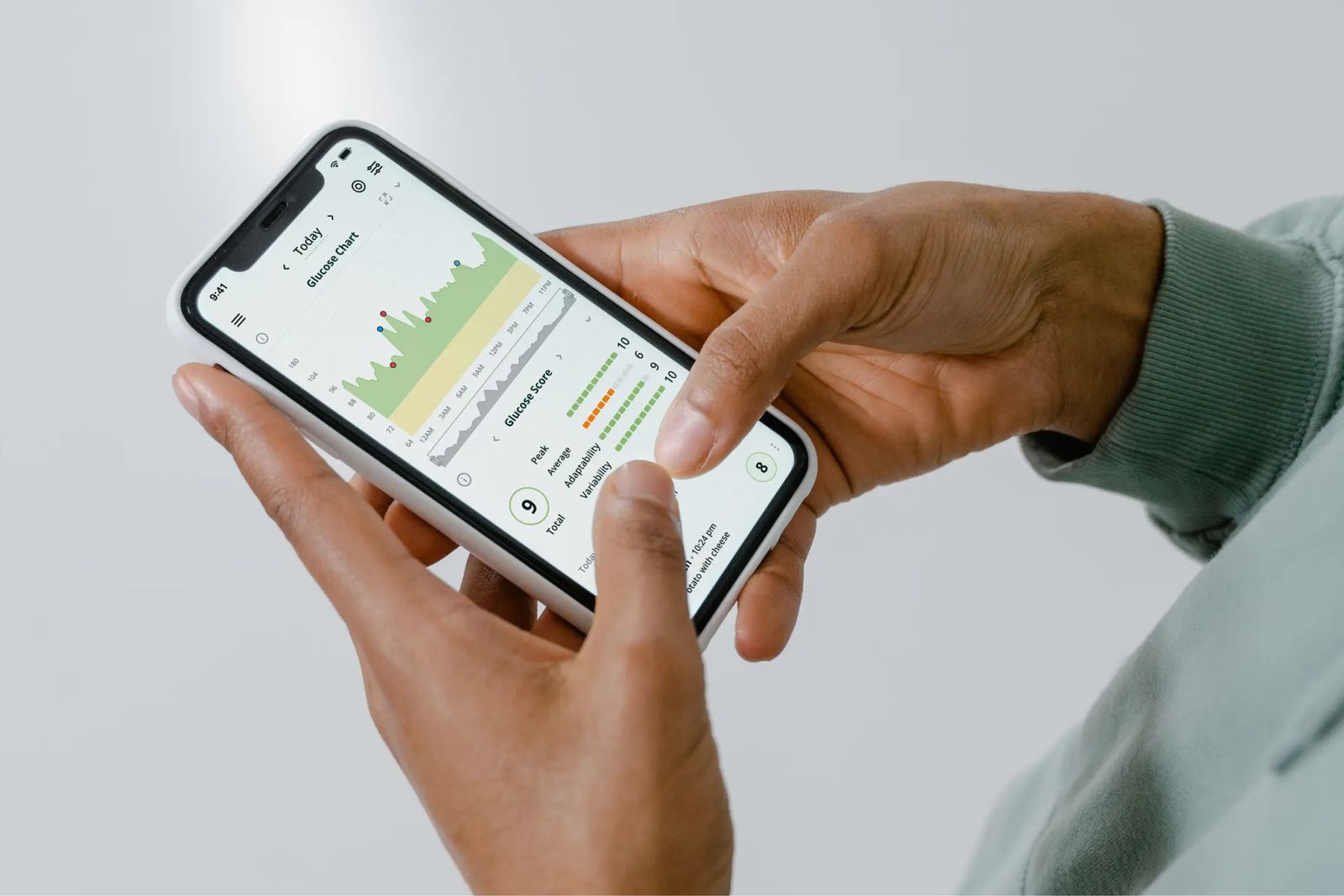
So the timeline flipped. A CBC or a thyroid panel or a biopsy summary can land on a patient's phone hours, sometimes days, before your team has a free minute to review it and call. The patient is now the first person in the chain to see the number. And they are staring at a lab value with a little red flag next to it and no idea what it means.
What patients actually do with that number
They do the most human thing possible. They look for an answer where one is available right now, and at 9pm on a Thursday, that is not your front desk. It is an app.
A 2026 Phreesia whitepaper put real numbers on it. More than 1 in 5 patients now use AI chatbots to research symptoms, interpret lab results, and explore conditions, and that jumped from 18 percent to 21 percent in just four months. NPR ran a whole story last fall, Patients turn to AI to interpret lab tests, with mixed results, full of people who pasted their bloodwork into a chatbot before their doctor called. OpenAI has leaned all the way in, launching a health focused version of ChatGPT built for exactly these questions. This is not a fringe behavior anymore. It is the default.
Here is the part that should stop you cold. Only 46 percent of patients consider the chatbot's health answers accurate or reliable, and yet 48 percent never tell their provider what the AI told them. Read that twice. Nearly half of your patients are getting health information they themselves half distrust, and then not mentioning it to the one person who could correct it. The AI is shaping how they feel about their own body, and about your care, entirely offstage.
Why this is a marketing and retention problem, not just a clinical one
It is tempting to file this under medicine and move on. Do not. The way a patient feels the moment they see a result is a brand moment for your practice, and right now a chatbot is writing that moment for you.
Think about the two paths. In one, the patient sees a flagged value, asks AI, gets a wall of worst case scenarios, spirals for the weekend, and walks into their next visit scared and resentful that you left them alone with it. In the other, the patient sees the same value, but ten minutes later gets a calm note from your office that says we have your results, most of this looks routine, here is what the next step is and when we will call. Same lab. Completely different patient. One is already deciding to find a practice that communicates better. The other is telling their friends how on top of things you are.
Patients do not rate you only on whether you are a good clinician. They cannot really judge that. They rate you on how you made them feel at the anxious moments, and a released result is one of the most anxious moments there is. This ties straight into how patients now self diagnose with AI before they ever visit. The exam room is no longer where the story starts or ends. It starts on a phone screen, and increasingly, so does the loss of a patient.
The rule to live by
You cannot stop patients from seeing results early, and you cannot stop them from asking AI. Both are here to stay. The only thing you control is whether you reach the patient first, in plain language, before the chatbot fills the silence. Speed and warmth beat secrecy every time.
Four things a practice can actually do this month
None of this requires a new EHR or a big budget. It requires a communication habit and a way to keep up with the volume.
1. Send context with the result, not just the result. When results post, a short automated note goes a long way: your results are in, most of this looks routine, one item we want to discuss, we will call you by Tuesday. It does not diagnose. It reassures and sets the timeline. That one message stops the weekend spiral before it starts.
2. Put a plain line on the portal. Somewhere the patient sees before results, write it in human words: you may see results before our team has reviewed them, so please do not read into a single number until we talk. One sentence, and it reframes the whole experience from you are on your own to we are right behind you.
3. Make a real person easy to reach fast. The chatbot wins because it answers at 9pm and your phone tree does not. You do not need to staff overnight, but you do need a fast, low friction way for a worried patient to ask a question and get a human callback quickly, by text or a callback promise with a real time window. When reaching you is as easy as opening an app, the app stops being the only option.
4. Handle the volume so nothing slips. Released results mean more inbound questions, and a two person front desk drowns. This is where an AI receptionist set up the right way earns its keep. It can catch every after hours call about a result, answer the simple logistics, reassure the patient that a nurse will call with the medical detail, and flag anything urgent to a human immediately. Used well, AI is not the thing scaring your patients. It is the thing making sure your practice, not a random chatbot, is the one that answers first.
The honest catch on that last one
An AI helper on your phones should never try to interpret a lab result itself. That is not its job and a good setup will not let it. Its job is to make sure the patient reaches a real answer fast, and to keep the flood of routine questions from burying the one call that actually needs a nurse in the next hour. The line matters. AI to route, reassure, and speed things up, yes. AI to play doctor, never. We wrote about drawing that line in our piece on the AI informed patient, because getting it wrong is how trust breaks.
How we think about it at EtherealMinds
We help healthcare practices build the whole patient communication layer, the part of the business that decides whether a patient feels held or feels dropped. That means fast, kind result follow ups, a phone system that actually answers, and a website that makes it obvious how to reach a human when someone is worried. Our websites are built to convert and to reassure, with clear paths to book and to ask a question, not a maze that sends a nervous patient back to ChatGPT out of frustration.
It all sits inside the same patient acquisition and retention system we run for practices across the country. Getting new patients in the door is only half the job. Keeping them, by being the calm voice that reaches them first when a scary number pops up on their phone, is the half that really decides whether your practice grows or leaks. In a world where an AI will always answer at 9pm, the practices that win are the ones that make sure they answer first.
Reach your patients before the chatbot does.
Book a free strategy call. We will look at how your results, calls, and follow ups actually reach patients today, and show you where a chatbot is filling silence you should own. No pressure, no fluff, just a clear plan for the moments that decide whether patients stay.
Book a free strategy call →