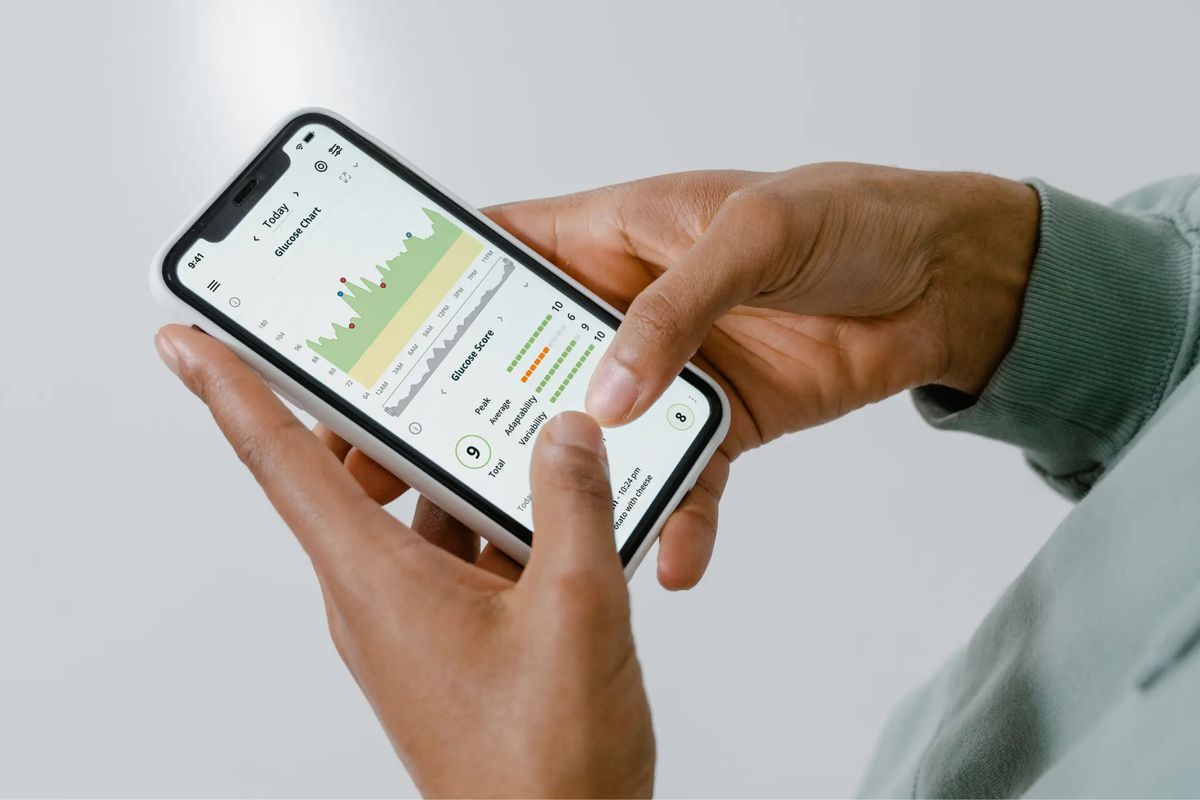
In June 2026, the ZS Impact Institute published its 2026 Future of Health Report, built on responses from nearly 10,000 healthcare consumers and doctors across the United States, Germany, and China. Buried in the findings is a number every practice owner should sit with for a minute: 42% of U.S. consumers now research their symptoms online before they ever engage a provider, and about 90% of people who use AI and digital tools for health information trust that information nearly as much as they trust their own doctor.
Read that second part again. Not "some patients dabble with Dr. Google." Nine in ten of the people already using these tools weigh what they read almost the same as what a physician tells them in the room. That is a different animal than the anxious symptom searcher of ten years ago. This patient shows up informed, opinionated, and already leaning one way before they say a word to your staff.
The first appointment now happens before the call
Here is the shift in plain terms. The moment that decides whether a patient becomes yours used to happen on the phone or in the waiting room. Now it happens days earlier, on a couch, on a phone, while the patient is still deciding whether they even have a problem worth booking for. They type their symptoms into Google or an AI chatbot. They read. They get a shortlist of possible causes and, right alongside it, a shortlist of practices near them. Then they open a few tabs and start judging.
They judge your Google profile. They judge your reviews. They judge whether your website looks like it belongs to a real, current, trustworthy practice or something abandoned in 2015. And they do all of this before you have any idea they exist. If you lose here, you never even get the call. You just never hear the phone that would have rung.
Why patients wait, and why that raises the stakes
The same report found something that makes this even more urgent. Somewhere between 45% and 68% of patients say they put off care until symptoms get genuinely disruptive. People do not casually book a doctor the way they order takeout. They sit with a nagging worry for weeks, researching on their own, until one day it tips over and they decide to act.
That means the window where a patient is finally ready to book is short and it is precious. When it opens, they run one more search, and whoever looks most trustworthy in that instant gets the call. If your practice was invisible during the weeks of worry, you have to hope you at least show up strong in that final search. And most of the time, showing up strong in the final search is not luck. It is the payoff of doing the boring work of being findable long before the patient needed you.
Patients now arrive holding a plan
The AI informed patient does not just research the condition. They research the fix. In the ZS data, 52% of U.S. patients said they ask for specific medications or treatments by name, and 68% of physicians reported a noticeable surge in patients requesting particular treatments. The person walking in for a consult has often already decided they want the weight loss medication, the clear aligners, or the exact procedure they saw explained in a video.
You can treat that as a headache or as a gift. A patient who arrives with a plan is a patient who is ready to move. The practices that grow are the ones that meet that energy with warmth instead of a lecture. Acknowledge the homework they did, then guide it with real expertise. Dismiss it, and you feel out of touch to someone who spent an hour reading before they sat down. This is the same reason we keep telling owners that what makes patients trust your website is not polish for its own sake. It is whether a researched, skeptical person finds you credible.
A quick gut check for your own practice
Open your phone, go incognito, and search the way a nervous patient would: your specialty plus "near me," then a common symptom you treat plus your city. Do not look at your homepage. Look at what a stranger sees first. Are you in the top three on the map? Are your reviews recent and plentiful? Does the little preview of your site make you look like the obvious, current choice, or like an afterthought? That thirty second exercise shows you exactly what the informed patient is judging you on, and it is almost never the thing owners spend their time worrying about.
The four places patients actually decide
Strip away the noise and the AI informed patient forms their opinion in four spots, usually in this order:
- The search itself. Google's map pack, the box of three practices at the top, still catches the bulk of near me clicks for care. If you are not in it, you are relying on a patient scrolling past the businesses Google put first, which few people do. Getting there is winnable, and we walked through the exact levers in how to rank in the Google map pack.
- Your reviews. This is the trust test. A researched patient reads them like a detective, looking for patterns, recency, and how you respond. A steady flow of fresh reviews does more to convert a careful patient than any ad, which is why getting more Google reviews is rarely optional anymore.
- Your website. This is where a curious patient lands to confirm you are real, current, and right for them. Slow, confusing, or clearly old, and they bounce back to a competitor. A website that converts and loads fast is the difference between a booked visit and a closed tab.
- The AI answer. More patients are skipping the list entirely and simply asking an assistant who they should see. Whether you get named depends on the same signals as the rest, which is why it is worth understanding how to get your practice recommended by AI instead of hoping.
Notice that none of these four is a clever ad or a viral post. They are the fundamentals of being genuinely present online. The AI informed patient did not make marketing more gimmicky. It made the basics matter more, because a skeptical, well read person is a lot harder to fool and a lot easier to earn.
Our honest take
A lot of owners read a report like this and feel a flash of resentment. Patients trusting a chatbot as much as a doctor with a decade of training can sting. We get it. But the practices that thrive over the next few years will be the ones that drop the resentment and get practical, because none of this is going backward. The patient did the research. The only real question is whether your practice was part of it.
Our view is simple. You do not fight the informed patient, you feed them. Be the clear, trustworthy source they find while they are still worried. Be the profile with the fresh reviews when they finally compare. Be the fast, human website they land on when they decide to act. And be reachable the instant they reach out, because an informed patient who found you first will not wait long for a callback. Miss that moment and all the good research they did about your practice just sends them somewhere that picked up. This is also why so many practices are pairing their marketing with an always on AI receptionist that answers the second a ready patient calls, day or night.
Where EtherealMinds fits
This is the whole reason we build complete systems instead of one off tactics. When we run a patient acquisition system for a practice, we are working every one of those four decision points at once. Local healthcare SEO to land you in the map pack and in AI answers. A review engine so your reputation is strong when the careful patient checks. A fast, trustworthy website that turns a researched visitor into a booking. And a steady social presence so you are already a familiar name during those weeks of worry before anyone searches.
The patient changed. They are more informed, more skeptical, and more in control than any generation before them. That is not a threat to a good practice. It is an advantage, because a patient who does their homework rewards the practice that earned the top of the list. Your job, and ours, is to make sure that practice is yours.
Want to be the practice patients pick after they research?
Book a free strategy call. We will look at exactly what a new patient sees when they search for you today, from the map pack to your reviews to your site, and show you where you are winning and where you are getting ruled out. Clear, honest, no pressure.
Book a free strategy call →