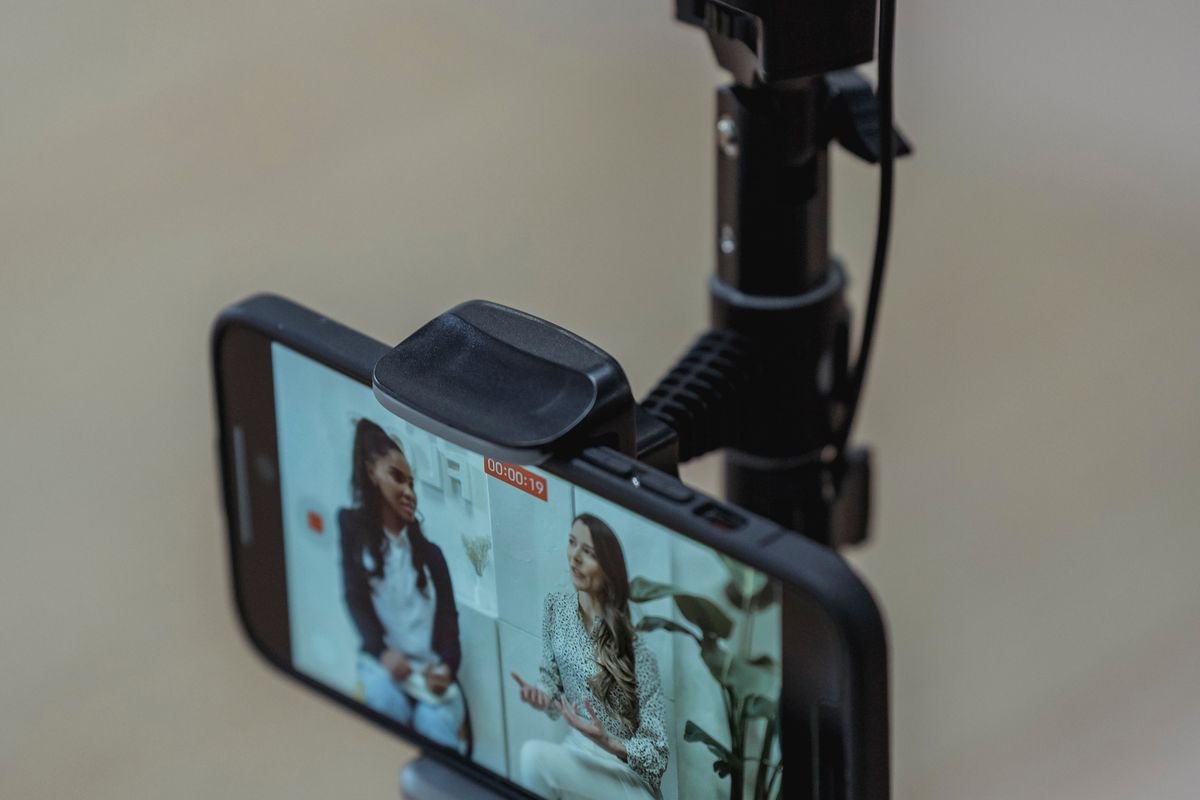
Most practice owners put live video in the same mental folder as dance trends and lip syncing: fun for teenagers, not for a serious clinic. That instinct is understandable, and it is also leaving something valuable on the table. Live video is not a gimmick. It is the format where people pay the most attention and interact the most, and attention is the whole reason you are on social media in the first place.
So before you decide it is not for you, look at what going live actually does, where it fits, and where it genuinely does not. Not every practice needs to be broadcasting. But more of them should than currently do.
Why live video gets so much more attention
Start with the data, because it is lopsided. In recent roundups of live streaming performance, viewers watch live video around three times longer than they watch recorded clips, and live streams pull in roughly ten times more comments than a regular post. One widely cited figure from live streaming research puts it bluntly: most consumers say they would rather watch a brand's live video than read its blog post. Watch time for live content has kept climbing year over year while patience for polished, pre produced marketing keeps shrinking.
There is a human reason behind the numbers. A recorded video is a performance. A live video is a conversation. When people know it is happening right now, that they can type a question and get an answer in the same minute, they lean in. The format carries a little bit of risk, and that risk is exactly what makes it feel real. Patients are tired of glossy. They trust unscripted.
What going live actually does for a practice
The engagement is nice, but it is a means to an end. What live video really buys a medical practice is trust, and trust is the thing that turns a stranger into a booked appointment. A clinic whose doctor shows up on camera and answers real questions has an advantage no paid ad can copy. People feel like they have already met you before they ever walk in.
That matters more in healthcare than in almost any other business. A patient is not buying a sweater. They are choosing who gets to touch their body, read their results, or operate on them. The decision runs on confidence, and confidence is built by familiarity. A live question and answer where the doctor is warm, clear, and a little bit funny does more for a nervous first timer than a page of credentials ever will. It is the same reason we keep telling owners that doctors should show their face on camera. Live just takes that idea and adds a pulse.
It also reaches people at a human scale. When you go live, the platform often notifies your followers that you are on right now, which pushes you into feeds you would normally have to pay to reach. For a practice fighting for attention against bigger ad budgets, that free nudge is worth understanding.
Which practices this fits best
Live video is not equally useful for every specialty, so be honest about where you sit. A few types of practice get outsized value from it.
- Aesthetic and elective practices. Med spas, dermatology, plastic surgery, cosmetic dentistry, and weight loss clinics thrive here because patients are already researching results and watching for real experiences. A live walkthrough of what a treatment feels like answers the exact fear keeping someone from booking. This is where we lean on social media management hardest, because the audience is actively shopping.
- Practices that treat anxiety heavy visits. Dentistry, dermatology, and anything involving needles or procedures. Seeing the doctor be calm and normal on a live video lowers the fear before the appointment. Fewer surprises means fewer cancellations.
- Practices built on education. Fertility, menopause, men's health, physical therapy, functional and longevity medicine. These patients want to understand before they commit, and a live session is a natural teaching stage.
And to be fair about the other side: if you run a practice where patients come once, do not choose you deliberately, or are referred for a single procedure, live video is probably not your best use of time. A busy urgent care does not need an Instagram audience. Before you commit to any platform, it is worth knowing which social media platform actually fits your practice, because going live on a channel your patients do not use is just talking to an empty room.
Good ideas for a live, and the lines you cannot cross
The format is easy. The content is where people freeze. Here is what actually works for a practice, and none of it requires a script.
- A monthly question and answer. Pick one topic the doctor explains all day anyway. What to expect at a first visit. Whether a treatment hurts. The myths patients keep repeating. Announce it a day ahead, then answer live.
- A behind the scenes tour. Walk the office, introduce the team, show the room where the scary sounding procedure happens so it stops being scary.
- A how it works session. Walk through how booking, insurance, or a specific service actually works, step by step. Boring to you, genuinely useful to a patient.
Now the lines, because healthcare has them. Keep everything general. Never discuss a specific patient, and never let a live question pull you into giving individual medical advice on camera, no matter how directly someone asks. If a comment gets specific, the honest and safe answer is always a version of come in and let us look at you properly. The same care you use when you answer patient DMs applies here, except now it is happening in front of an audience, so a calm, general reply does double duty.
The part most practices skip: turning viewers into patients
Here is the failure we see most. A practice finally goes live, it goes well, people comment and smile, and then nothing happens. No bookings. Why? Because the broadcast had no next step, and the moment of warm feeling evaporated by dinner.
Attention is not the goal. A booked appointment is. So every live needs an exit ramp. Tell people exactly what to do if they want to take the next step, say it more than once, and make that step simple. Point them to a booking link, a phone number, or a message. And then, critically, make sure someone actually answers when they reach out. Interest from a live video is warm but fragile. If a viewer sends a message at nine at night and hears nothing until Thursday, you lost them. This is exactly where our AI receptionist earns its keep, catching and booking the people your live stirred up while your front desk is asleep.
If you want the real engine behind this, going live is one spark, but the thing that converts sparks into patients is the system around it. Short form clips cut from the replay keep working for weeks, which is why going live pairs so well with the rest of your Instagram Reels strategy. And the whole thing only pays off when it feeds into a real patient acquisition system that captures, follows up, and books. A live with no system behind it is a nice evening that changes nothing.
How to start without embarrassing yourself
You do not need a studio. You need a phone, a cheap tripod, a decent window for light, and a topic. Here is a version anyone can run.
- Pick one narrow topic and one date. Post about it a day ahead so people know to show up.
- Have a second person on the team watch the comments and feed questions to the doctor, so there is never dead air.
- Open by telling people what you will cover and how long you will go. Twenty to thirty minutes is plenty.
- Close with a clear, simple next step, and say it twice.
- Save the replay, then cut two or three short clips from it for the rest of the week.
The first one will feel awkward. That is fine, and honestly it is part of the charm. By the third, the doctor is relaxed, the team knows the rhythm, and you have a repeatable asset that costs nothing but a slow Tuesday afternoon. Platforms make the mechanics easy, and both Instagram and Facebook walk you through going live in a couple of taps.
Our honest take
Live video is one of the most underused tools in healthcare marketing, and the reason is simple: it feels uncomfortable, so most owners never try. That discomfort is actually the moat. The practices willing to be a little unpolished on camera build a kind of trust their slicker competitors cannot buy, and the engagement data backs it up at every turn.
But do not go live just to go live. Go live with a topic people want, a person worth watching, and a clear path to book afterward. Do that a few times a month, cut the replays into short clips, and plug the whole thing into a system that answers fast. That is the difference between a fun experiment and a steady stream of new patients. The format is free. The plan is what makes it work.
Want live video that actually books patients?
Book a free strategy call and we will show you whether going live fits your practice, what to talk about, and how to turn the people who watch into appointments on the calendar. Healthcare only, US practices, no fluff and no viral dance required.
Book a free strategy call →