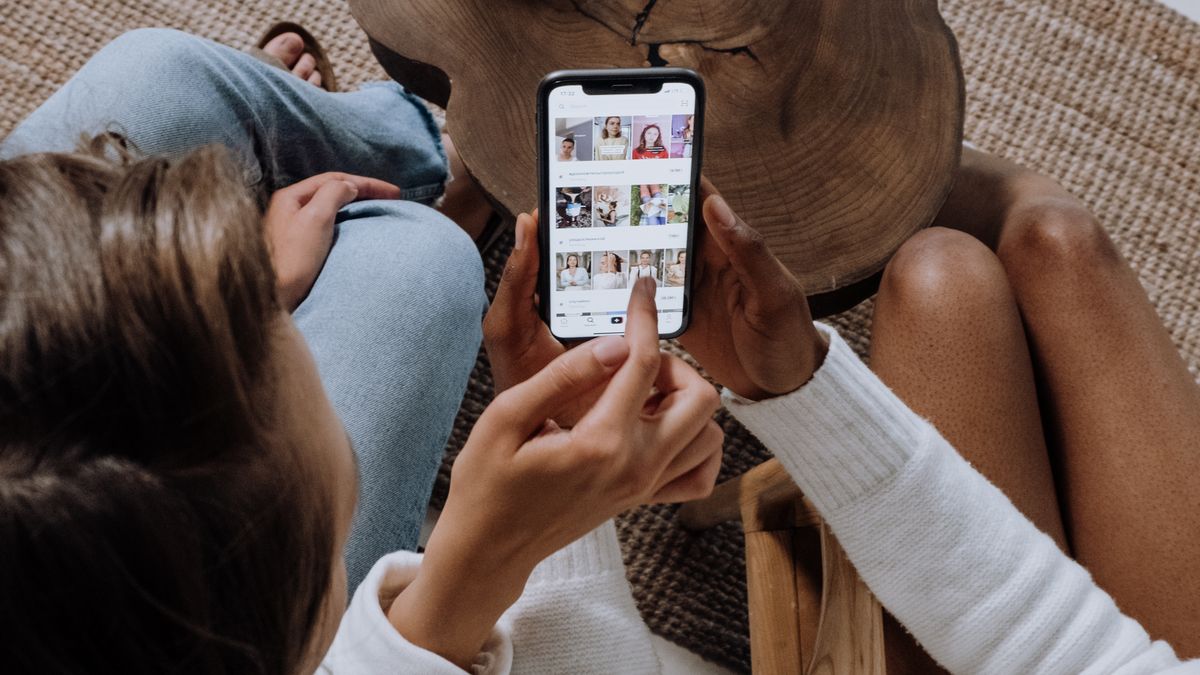
Picture the patient who has been putting off a visit for weeks. She is not going to book you at 10am on a Wednesday. She is at work, in meetings, running the day. She books you at 9:40pm, after the kids are down, the dishes are done, and she is finally sitting on the couch with her phone. That is the moment she decides. And that is exactly the moment your office is dark, your front desk is home, and your phone rolls to voicemail.
Most practice owners plan their whole booking setup around business hours, because that is when they are at the desk. But patients do not live on your schedule. They act on theirs. And their schedule, over and over in the data, points to nights and weekends. If you have ever wondered why the phone feels slower than the demand you know is out there, this is a big part of the answer.
The numbers on when patients really book
This is not a hunch, it is measured. Zocdoc, which handles millions of real patient bookings, has reported that roughly 40 to 45% of appointments on its platform happen after hours, in the window between 5pm and 9am when doctors' offices are typically closed. Other analyses of appointment data land even higher, with some finding close to 60% of bookings made outside normal office hours.
Think about what that means. Somewhere between four and six of every ten patients who want to see you are trying to book when your team is not there to answer. Not a rounding error. A near coin flip, or worse, landing on the closed side of your door.
The pattern inside those numbers is just as telling. The heaviest personal booking moments tend to be weekday evenings after dinner and Sunday night, that quiet stretch when people look at the week ahead and think, alright, I need to finally handle this. It is the same reason gyms and therapists see a rush every January. People act when they get a moment to think, and that moment almost never falls during your business hours.
Patients want to book the way they book everything else
There is a second shift underneath the timing, and it matters just as much. People do not want to call. They want to tap. In Experian Health's State of Patient Access research, the ability to schedule at any time through online or mobile tools rated as important to the large majority of patients. They are comparing your practice, whether you like it or not, to opening an app to book a table, reserve a car, or order dinner in three taps.
So when the only way to reach you is a phone call during business hours, you are asking a patient to do the exact thing modern life has trained them to avoid: stop what they are doing, call a business, sit on hold, and talk to a stranger to get a slot. Plenty of them simply will not. They will keep scrolling until they find a practice that lets them finish the job right then, by themselves, without a phone call. We wrote before about how patients rule you out when booking is a hassle, and this is that same instinct in action.
The booking moment is fragile
The decision to book is a small, fleeting window. A patient works up the nerve, opens their phone, and is ready to act for maybe two minutes. If something says yes in that window, you win them. If they hit a voicemail, a contact form nobody answers until morning, or a slow website that will not load, the urge cools off and the moment is gone. You do not get a second alert that it happened. You just do not get the patient.
What a phone only practice never sees
Here is the part that makes this so easy to miss. When you lose a patient at 9pm, nothing rings. There is no missed call log for the person who visited your site, saw there was no way to book, and closed the tab. There is no voicemail from the patient who called, heard your after hours greeting, and just called the next practice on the list instead. The loss is completely silent.
That is what makes after hours the sneakiest leak in a practice. A no show you can count. A bad review you can read. But the patient who was ready to book at 10pm and found your door locked leaves no trace at all. Multiply that by every night and every weekend, month after month, and it steadily becomes one of the largest sources of lost patients you have, sitting right next to the ones you already worry about, like the calls that ring out after you close.
And it is not only new patients. The person who wants to reschedule, the one who needs a follow up, the family trying to grab a weekend slot, they all hit the same wall. The demand is there. The way to capture it is not.
How to be open when patients are actually booking
The fix is not to make your team work until midnight. It is to build a practice that can say yes to a patient without a human being awake. Three pieces do most of the work.
Real time online scheduling. This is the core of it. A patient should be able to see your actual open slots, pick one, and get an instant confirmation, at 9pm, on a Sunday, without talking to anyone. Not a request form that sits in an inbox until Monday. A real booking that lands on your calendar the moment they tap. If you want the deeper case for it, we made it in our guide to online booking for medical practices, and yes, it also happens to cut down no shows along the way.
A website that works at 11pm on a phone. Almost all of this after hours booking happens on a phone, often on cell data, often in bed. If your site is slow, hard to read, or hides the booking button three scrolls down, you lose the patient before they ever reach the calendar. The whole point of a website built to convert is that the booking button is always one tap away, and the page loads before their patience runs out.
Coverage for the callers. A lot of patients still want to call, especially older ones and anyone with a real question first. When they call after hours and get voicemail, you lose them the same way. This is exactly why so many of our clients run our AI receptionist: it answers the phone at night and on weekends, talks like a friendly person, answers the basic questions, and books the appointment right into the calendar, instead of dropping the patient into a voicemail they will never leave.
Our take
For a long time, being open meant opening the front door at nine and answering the phone until five. That definition is now costing practices real patients every single night. Your patients decided, without asking anyone, that they would deal with their health on their own time, from their own couch, with their own phone. The practices that grow are simply the ones that decided to be open then too.
You do not have to guess whether this is happening to you. Look at your own site tonight the way a patient would, at 9pm, on your phone, off the office wifi. Can you actually book an appointment right now, in under a minute, without calling anyone? If yes, you are ahead of most of your competitors. If no, you just found the patients you have been losing without a single missed call to warn you.
When we build a patient acquisition system for a practice, this is one of the first things we close: the gap between when patients decide and when your practice is able to say yes. Fast website, live scheduling, and an AI receptionist that never clocks out, all feeding one system, so the door is open at the exact moment the patient is ready to walk through it.
Are you open when your patients are ready to book?
Book a free strategy call. We will look at your website and phone the way a patient does at 9pm, show you where the after hours patients are slipping away, and tell you honestly which fixes would win you the most new bookings. Plain language, real answers, zero pressure.
Book a free strategy call →