
Here is a contradiction that should shape how every practice owner thinks about AI this year. In new data from the Pew Research Center, published August 25, 2026, about 60 percent of U.S. adults said they would feel uneasy if their own provider leaned on AI to diagnose a disease or recommend a treatment. Only 39 percent were comfortable with it. That sounds like a hard no on AI.
Except it is not. The very same week, Pew reported that 34 percent of Americans already use AI chatbots for a health task, looking up symptoms, understanding a diagnosis, checking a medication. Among adults under 30, that jumps to 44 percent. So patients are pulling AI into their own health decisions every day, while telling their doctor to keep it out of the exam room.
That is not confusion. It is a boundary. And once you see where the boundary sits, the question stops being "should my practice use AI" and becomes the much more useful "where."
The number that should stop you
Sixty percent uneasy is not a small minority you can ignore. Pew also found that patients feel out of the loop: 46 percent were not even sure whether AI had already been used somewhere in their care, 53 percent said they have little or no say in it, and people were three times as likely to want more input than to feel fine with how much they have. When something touches their body, patients want a human in the chair and a clear heads up. That instinct is not going away, and a practice that runs over it pays for it in trust.
So if you were picturing AI as something that sits between you and the patient during care, the data is telling you to slow down. But that was never the place AI helps a small practice most anyway.
The real line: the exam room versus the front desk
Think about where your practice actually loses patients. It is almost never in the exam room, where your skill does the work. It is in the gaps around it. The call that rings out at 6pm on a Friday. The new patient form that sits in a voicemail box until Monday. The reminder that never went out, so the 2pm slot sits empty. The review you never asked for, so your rating slips below the one down the street.
None of that is medicine. All of it is friction. And friction is exactly what patients are glad to see AI remove, because it makes their life easier without touching the clinical decision they care about. That is the whole game: use AI on the friction, keep humans on the medicine.
The green zone: where AI wins you patients
These are the spots where AI earns its keep and patients barely blink, because it feels like good service, not a robot playing doctor:
- Answering the phone. Roughly a third of patient calls to practices go unanswered, and most callers will not leave a voicemail. They dial the next name. An AI receptionist that picks up every time, day or night, and books the appointment is the single highest return use of AI in a practice.
- Booking around the clock. A big share of appointment requests happen after you close. AI that offers real openings and confirms them on the spot turns those late night visitors into booked patients instead of lost ones.
- Cutting no shows. Smart, timed reminders by text lower the empty slots that slowly drain a schedule. The patient reads it as a helpful nudge, nothing more.
- Keeping reviews fresh. AI can trigger a review request at the right moment after a visit, so your rating stays current. That rating is what human patients and AI search tools both check before they pick you.
- Answering the same ten questions. Hours, parking, insurance, what to bring. Let AI handle the repetitive stuff so your front desk can focus on the person standing in front of them.
Notice what these have in common. Not one of them asks AI to make a medical judgment. They are the errands around care, and handing them off is what lets a small team act like a big one.
The red zone: where AI can cost you trust
The other side of the map is just as clear, and crossing it is how good practices lose people:
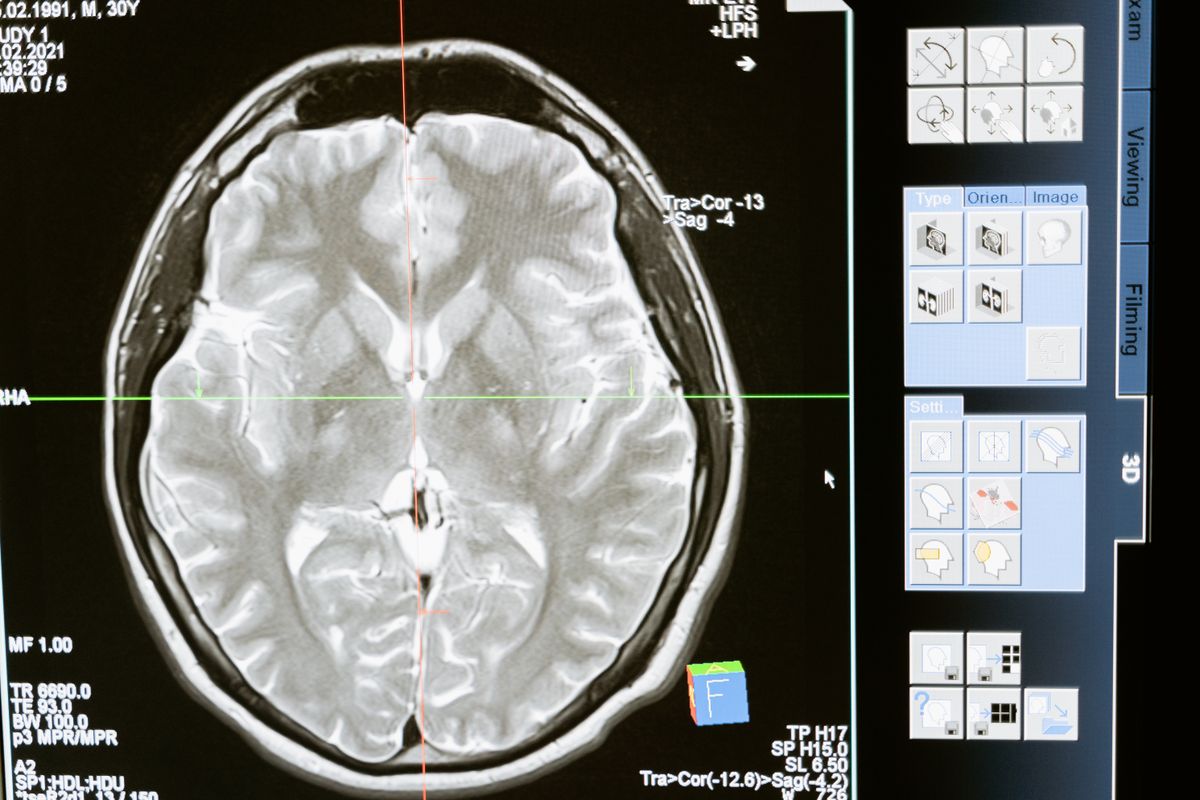
- Letting a bot give medical advice. A chatbot that answers "is this mole a problem" is standing exactly where 60 percent of patients do not want it. Route clinical questions to a human, every time.
- Silent clinical AI. Pew found eight in ten or more patients want to be told when AI helps read a scan, reach a diagnosis or explain a lab result. Using it can be fine. Hiding it is not.
- Fake or AI written reviews. Patients and Google both hunt for these now. One caught review can undo years of real ones.
- Generic AI content. Blog posts and social captions that could belong to any clinic in the country say nothing about your care and can drag your credibility down. If a machine wrote it and no human made it true and specific, do not post it.
The rule that keeps you on the right side
There is one line that sorts almost every case: if AI affects a medical decision, tell the patient. If it is answering the phone or sending a reminder, patients treat it like any other office tool and rarely need a formal notice, though honesty never costs you. We went deeper on this in our piece on AI transparency and patient trust, because disclosure is fast becoming the difference between AI that builds your reputation and AI that dents it. The short version: patients forgive the tool. They do not forgive the surprise.
How EtherealMinds thinks about it
We are a healthcare only agency, and this line is the reason we build AI into the parts of a practice patients already want faster, not the parts they want human. Our AI receptionist lives at the front desk, answering, booking and following up so no inquiry dies in a voicemail. It never plays doctor. It hands anything clinical to your team and simply makes sure the person on the phone becomes a booked patient instead of a missed call.
Around it, we run the rest as one connected patient acquisition system: a website that loads fast and books in a tap, local SEO so you show up when patients and AI search tools look for your specialty, and a review engine that keeps honest, recent feedback flowing. AI does the tireless, repetitive work at the edges. Your clinicians keep the care. That split is not a compromise, it is the point.
Our honest take
The loudest AI headlines are about machines reading scans and writing diagnoses, and that is exactly the part patients are not ready for. The plainer truth, and the one that pays your bills, is that the biggest wins for a small practice are boring: answer every call, book every request, remind every patient, ask for every review. AI is very good at boring, and patients are grateful when the boring stuff finally works. Start there. Stay on the friction, keep humans on the medicine, and tell people the truth about which is which. Do that and AI stops being a risk to your reputation and starts being the reason your schedule fills.
Not sure where AI fits in your practice?
Book a free strategy call. We will look at where new patients are slipping through the cracks at your front desk, show you exactly where AI helps and where it does not belong, and give you a clear plan built for healthcare. No pressure, no jargon, just an honest look.
Book a free strategy call →